









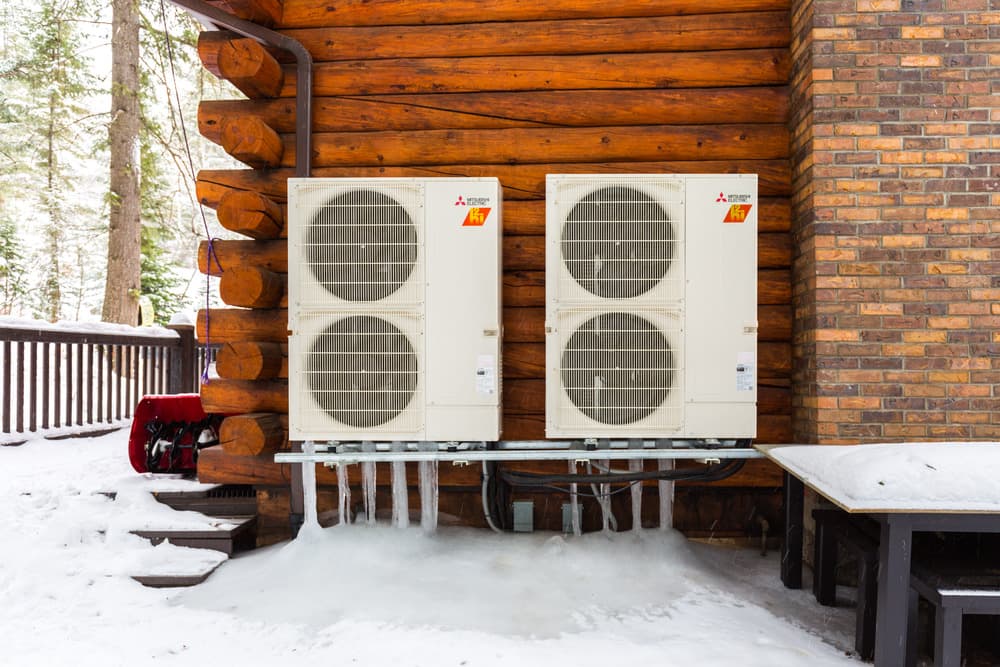
The major disadvantage is the price
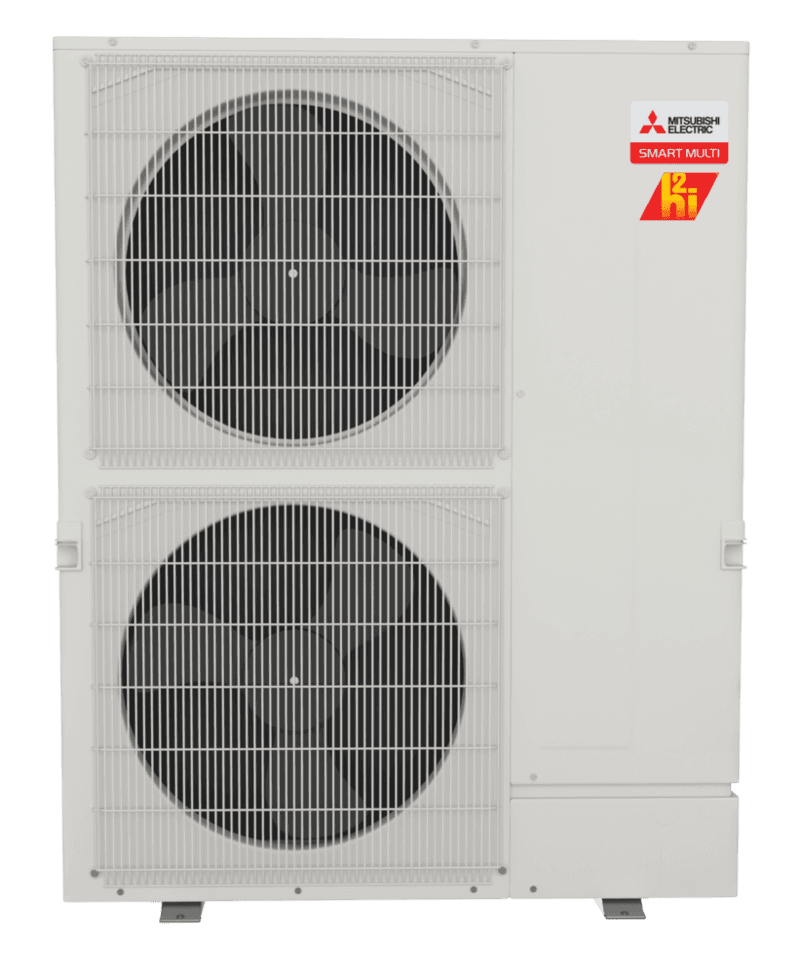
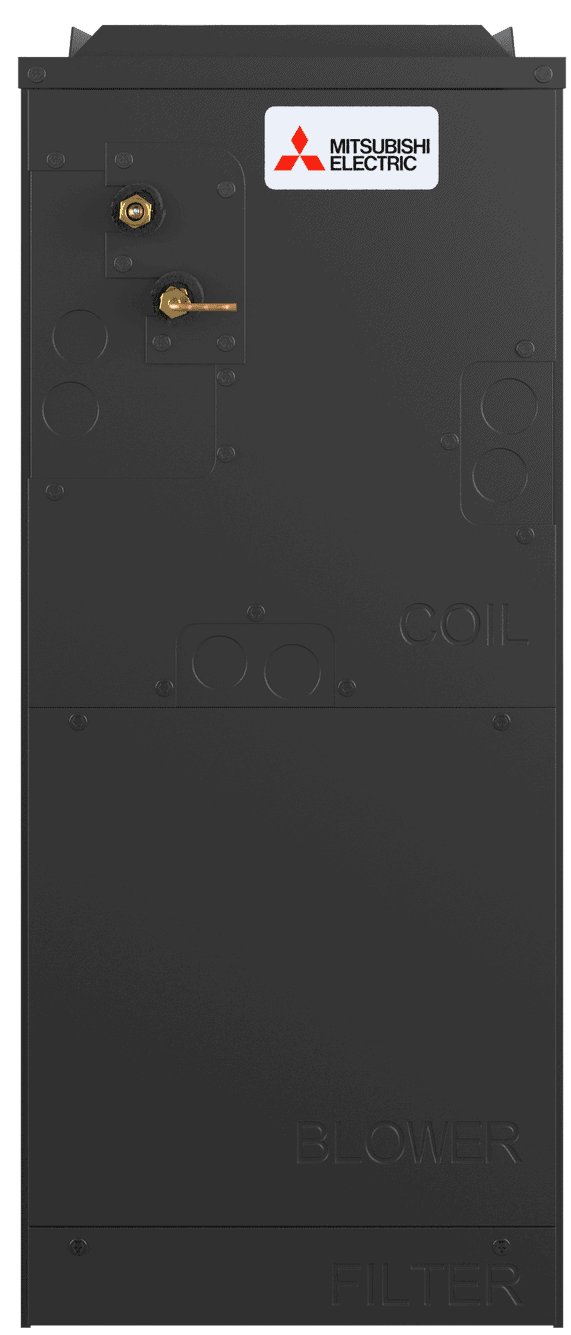
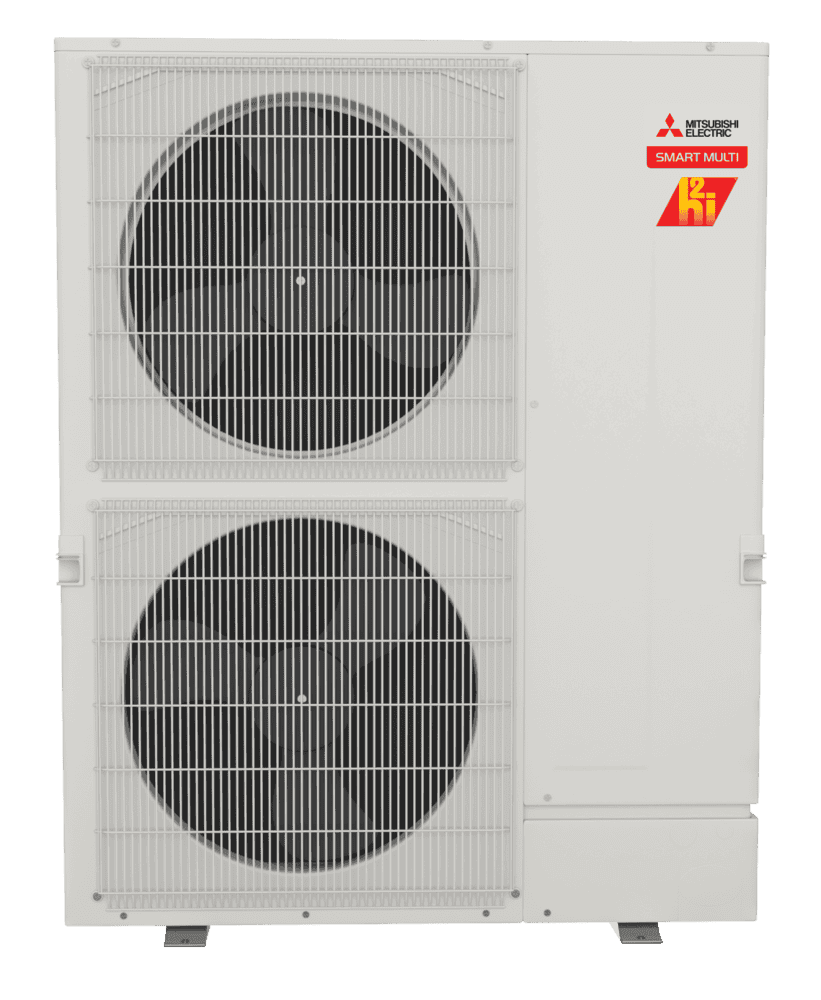
A heat pump costs roughly double what an AC swap costs before rebates. The heat pump is the outdoor unit; it pairs with your existing furnace and a new coil (dual fuel) or with an electric air handler (all-electric). Either way the gross number is far above the AC you would otherwise buy, and the rebates are what make it a reasonable purchase.
- System
- AC only
- Gross price
- $7,400 to $10,450
- After rebates
- No rebates
- System
- Heat pump only (on your existing furnace)
- Gross price
- $17,500 to $24,000
- After rebates
- $10,500 to $14,000
- System
- Heat pump + new furnace + coil
- Gross price
- $21,000 to $28,000
- After rebates
- About $14,800 to $18,200
The rebate side is real money but it has conditions. Xcel pays $1,500 per heating ton for cold climate equipment, down from $2,250 before the October 1, 2026 change. The Colorado state credit is one claim per address, ever. Power Ahead adds $1,500 in the metro. On a 3-ton system the stack lands around $7,000. If you are not an Xcel customer, or a previous owner already used the state credit at your address, the gap between a heat pump and an AC gets much wider and the math may not work. Rates and out-of-pocket ranges are on our pricing page.
The second disadvantage is who installs it
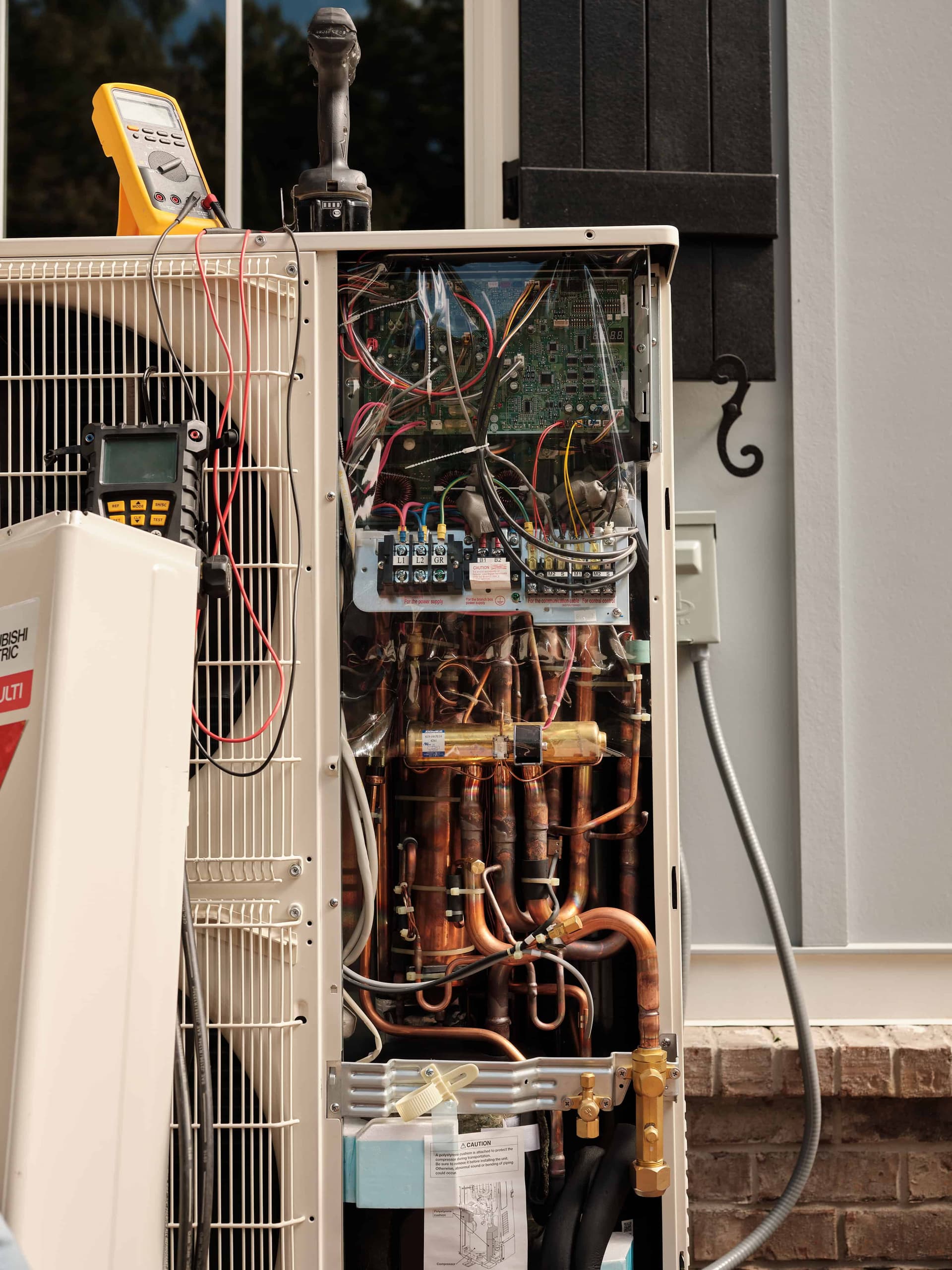
A heat pump punishes a sloppy install harder than a furnace does. A furnace that is oversized, undersized, or charged badly still makes heat. A heat pump that is undersized or charged badly runs long, defrosts often, leans on backup heat, and the customer blames the technology instead of the installer.
Undersizing is the common version of this. Most Denver installers size to the cooling load because that is how air conditioners have always been sized. The heating load on a Denver house is larger than the cooling load, so a unit sized for summer cannot carry the house in January. We size for the heating load, at roughly a 5°F design temperature, which is also what Xcel's Quality Install rules require. That is why our quote may show a bigger unit than the next one, and why we wrote up the sizing rule in detail.
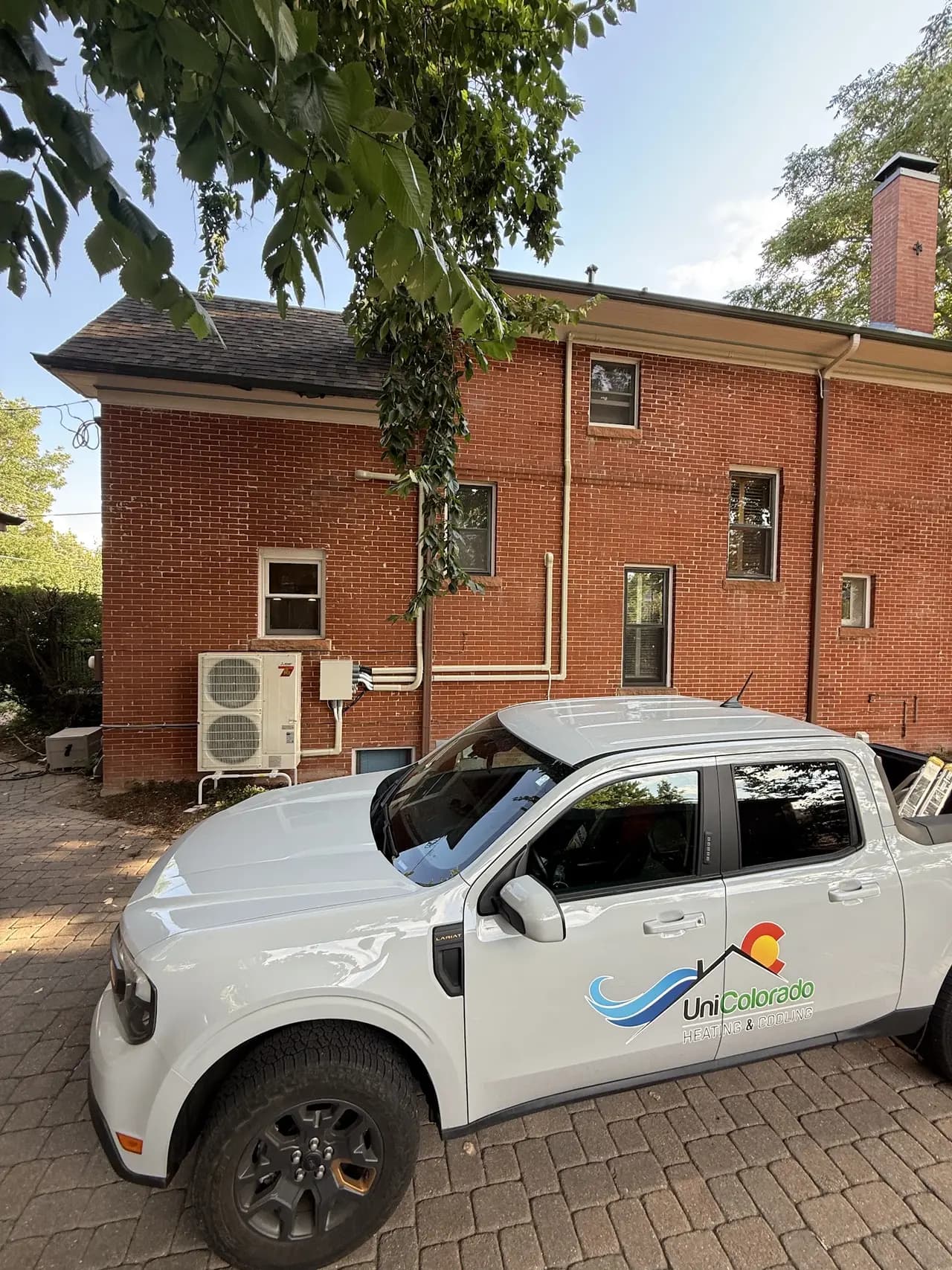
The other version is a shop that sells heat pumps because rebates made them profitable, then sends the same crew that did furnace swaps last year. Refrigerant charge, line set length, airflow across the coil, and controls setup all matter more on a heat pump. We covered who actually shows up on install day and the volume-installer pattern to watch for.
All-electric is not for most Denver homes
Most people are not a fit for a fully electric heat pump, and dual fuel is the better answer for most Denver homes. We install cold-climate-only units that can in theory heat the whole house, but gas is currently cheap in Colorado, so the cheapest way to run the house is a heat pump most of the winter with the gas furnace taking over below a setpoint we typically program around 25°F. That changeover is an operating cost setting, and it can be re-tuned later. It is not a limit of the equipment.
All-electric works when you prepare for it: solar to offset the winter kWh, batteries or a rate plan that makes those kWh cheap, and air sealing so the house does not need the capacity in the first place. Without those, the electric bill in a cold month is the bill people write angry reviews about. It is not as easy as pie, whatever the brochure says. The full comparison is in dual fuel or all-electric, and the prep list is in preparing your home for a gas-to-heat-pump conversion.
Two downsides that are overstated
"Your electric bill will explode." True only in the cases above: an all-electric conversion bought on marketing alone without solar, batteries, or air sealing, or a house that is leaky or too large for the system. On dual fuel we usually start the changeover around 25°F and the furnace carries the coldest hours. The bill doesn't explode, but don't expect it to drop either: at Xcel's October 2026 rates, gas heat costs the same or less than heat pump heat at every outdoor temperature. The math is in heat pump vs gas furnace operating costs.
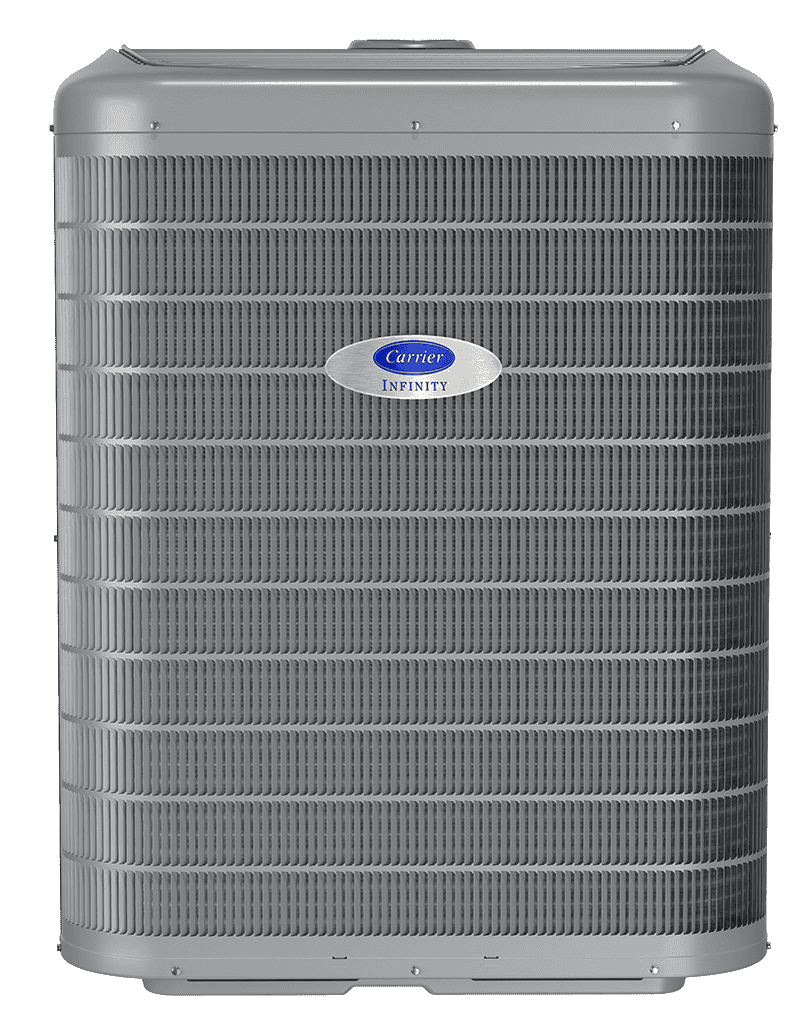
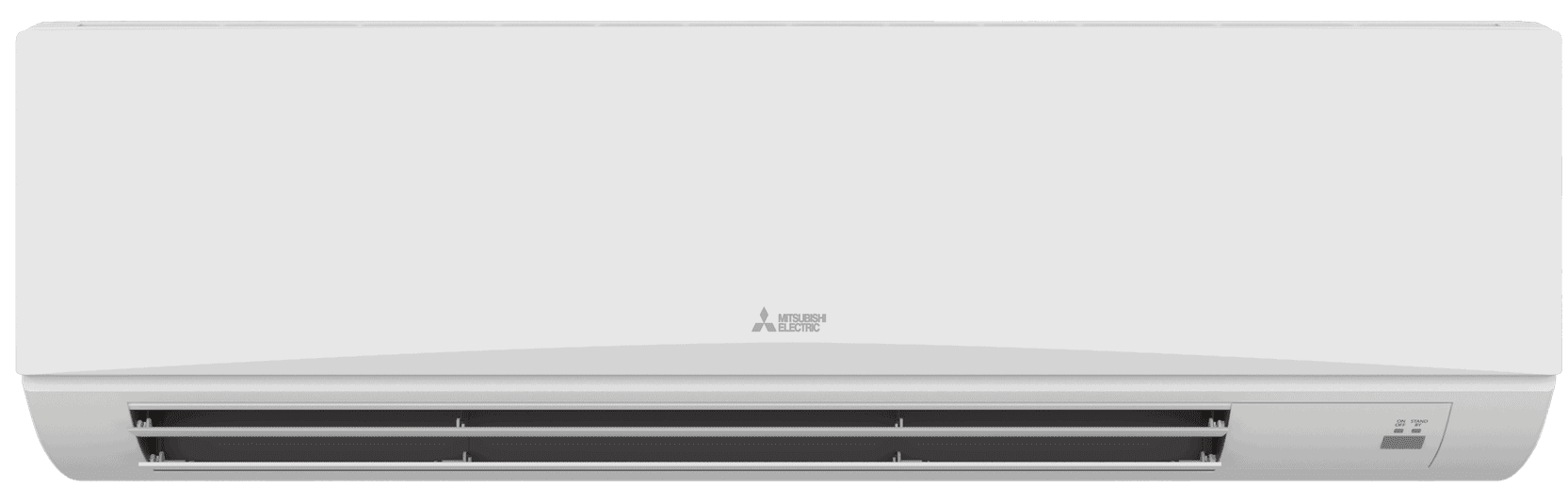
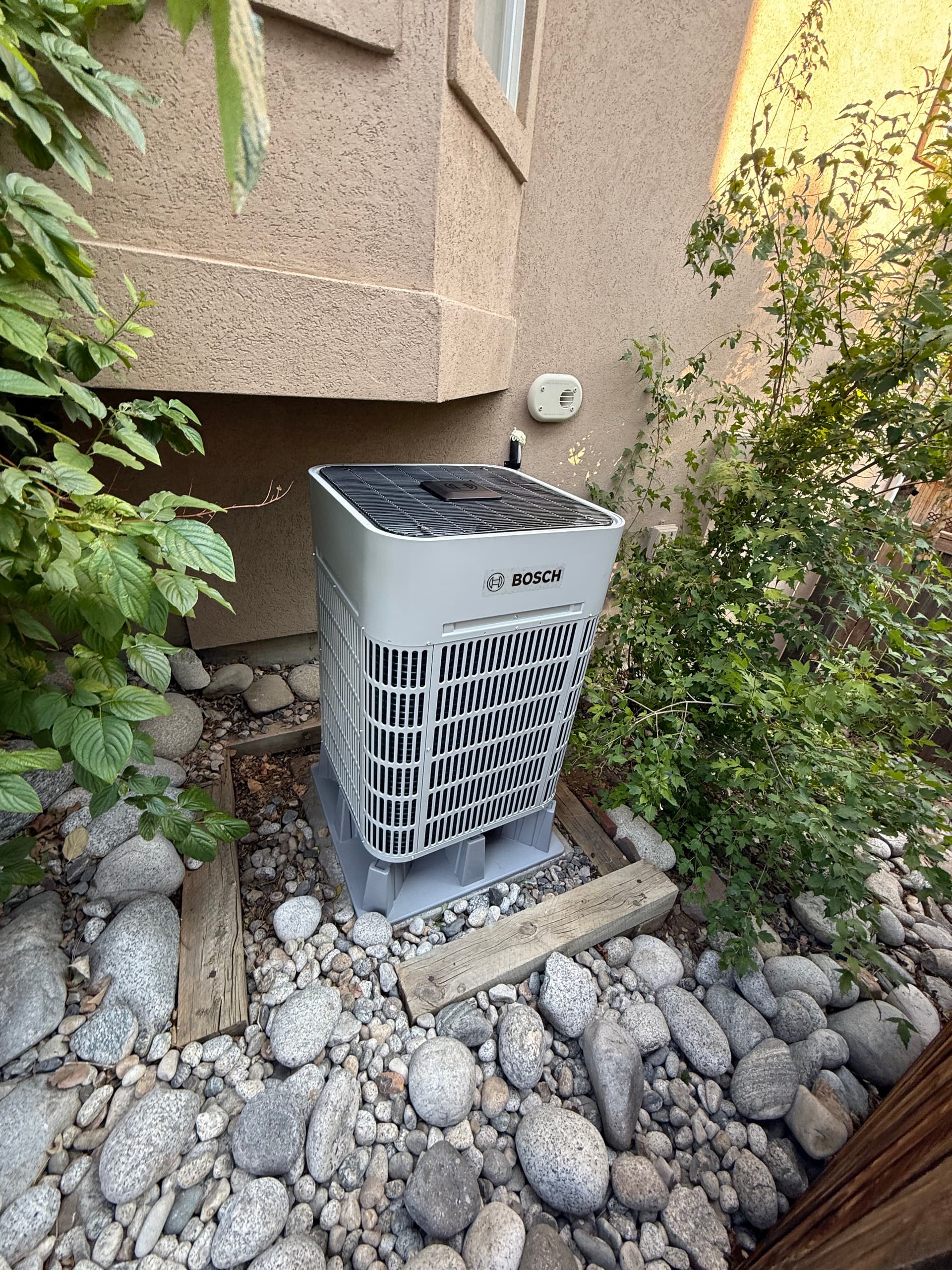
"Heat pumps blow lukewarm air." True of older generations, and true today of one specific product: the Mitsubishi PAA dual-fuel indoor unit, a soft-heat design with supply air around 70 to 90°F versus 110 to 130°F on the PVA air handler. Matched cold-climate systems (Carrier Infinity 27VNA1 rated to -23°F, Bosch IDS Ultra holding full capacity at 5°F, Mitsubishi Hyper-Heat) do not have this problem when sized for heating. If a quote pairs a cold-climate outdoor unit with a soft-heat indoor unit, ask why; see cold climate heat pumpsfor what "matched" means.

What people actually complain about
Three complaints come up, mostly from people who bought elsewhere and called us afterward. First, the outdoor unit is noisy during defrost. That is normal behavior (a brief whoosh and a change in fan pitch a few times on a cold, humid day), and we wrote out which heat pump sounds are normal. It is not a callback driver for our installs.
Second, the electric bill went up a lot. In nearly every case this traces to an all-electric conversion sold without the prep in the section above, or to a house that was never a candidate for all-electric. Third, the system is unreliable. That is almost always an installer or support problem: wrong charge, wrong size, a shop that no longer picks up the phone. The equipment itself, from the three brands we install, is not the weak link. We do not take repair or service clients, so we see these as replacement calls, which is the expensive way to learn the lesson.
Who should not get a heat pump
You are not rebate-eligible. Not an Xcel electric customer, or the state credit already claimed at your address by a previous owner. Without the stack, the heat pump costs roughly double the AC swap with no incentive math to close it. Buy the AC; we wrote up when AC instead of a heat pump is the right call.
You want all-electric but will not budget for solar, batteries, or air sealing. The equipment will heat the house. The bill will not be what the brochure implied. Either go dual fuel or wait until the prep is funded.
Your house is leaky or very large and you are not going to fix the envelope. A big, drafty house has a heating load that pushes into the biggest residential sizes and beyond. Sizing for heating on that house means a lot of equipment or a lot of backup heat, and neither is cheap to run.
You want the cheapest possible cooling-only swap. If the goal is a working AC by the weekend at the lowest number, a heat pump is the wrong purchase. AC only is $7,400 to $10,450 and there is nothing wrong with it.
Who should: an Xcel customer with a working or replaceable gas furnace who wants lower combined heating and cooling cost and is fine with dual fuel. That describes most of our installs. The Xcel rebate dropped 33% on October 1, 2026, and we are keeping most installs close to what summer customers paid.

Want the version of this with your house's numbers?
We size for the heating load, quote dual fuel by default, and take Xcel, the state discount, and Power Ahead off the top of the contract.