



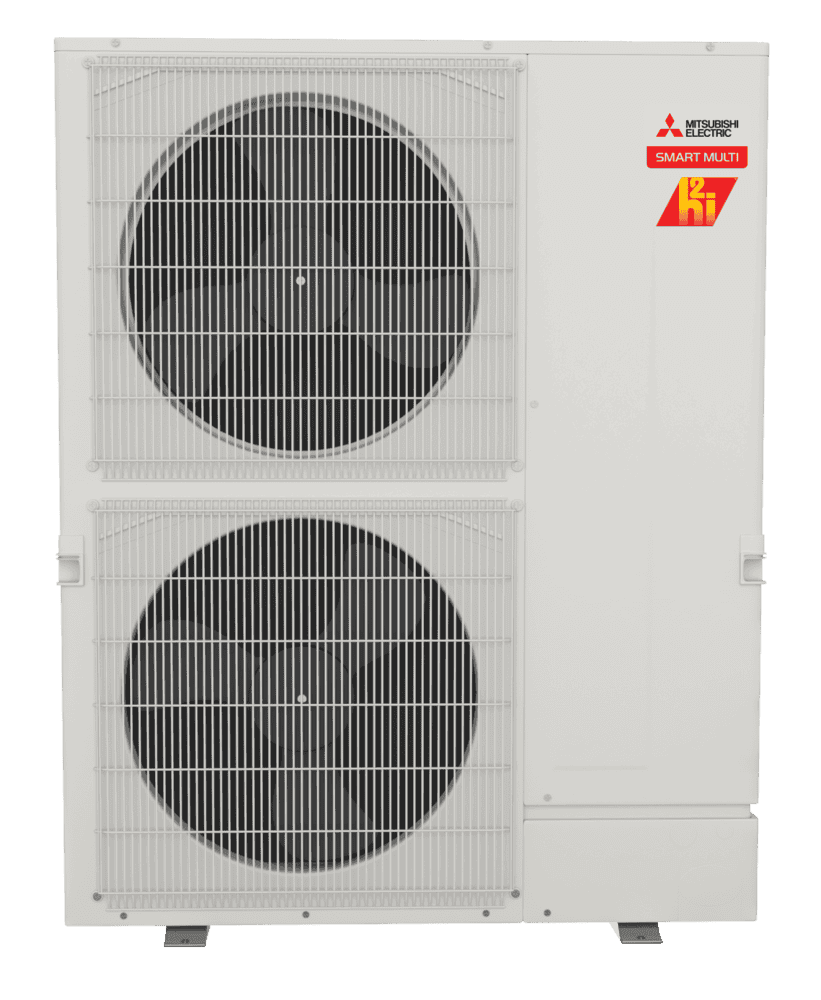




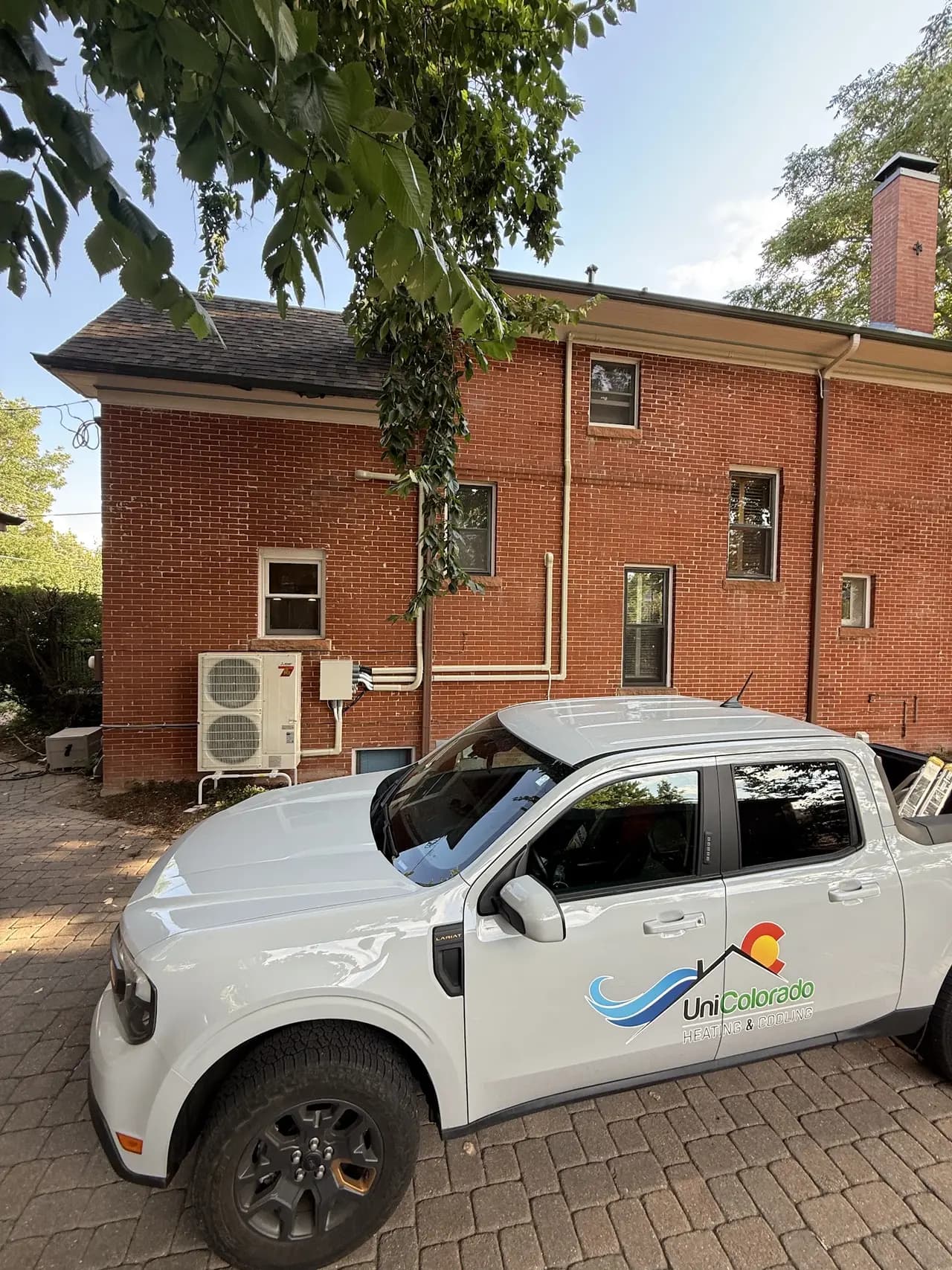


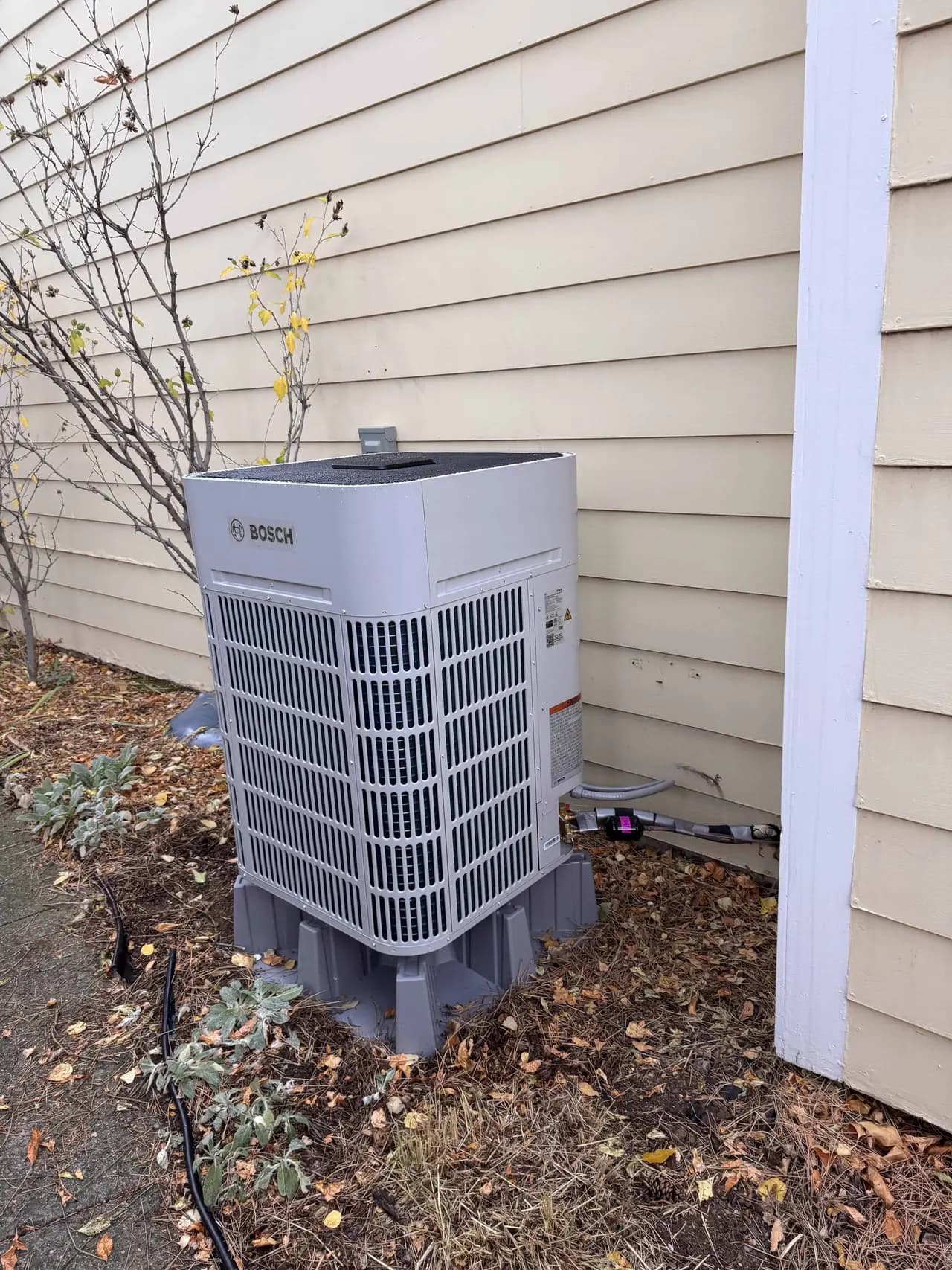
We hear this question at almost every summer estimate: "Can't I just get a regular AC? Heat pumps sound complicated and expensive." Fair question. Here is the answer we give in person: if you are on Xcel electric and your equipment qualifies for rebates, a heat pump is almost always the better buy. Not because of any climate argument. Because of the invoice.
Here is the part that surprises people: out of pocket, the heat pump usually lands in AC territory. On its own, a heat pump runs $17,500 to $24,000 installed. Rebates bring most projects down to $10,500 to $14,000 out of pocket, close to where an AC sits with zero rebates. Replacing everything at once? After rebates, a cold climate system typically lands close to the cost of a new furnace and AC together. The cases where we tell people to just buy the AC are real, and we list them below. They mostly come down to one thing: whether the rebates apply to you.
An AC and a heat pump are the same machine
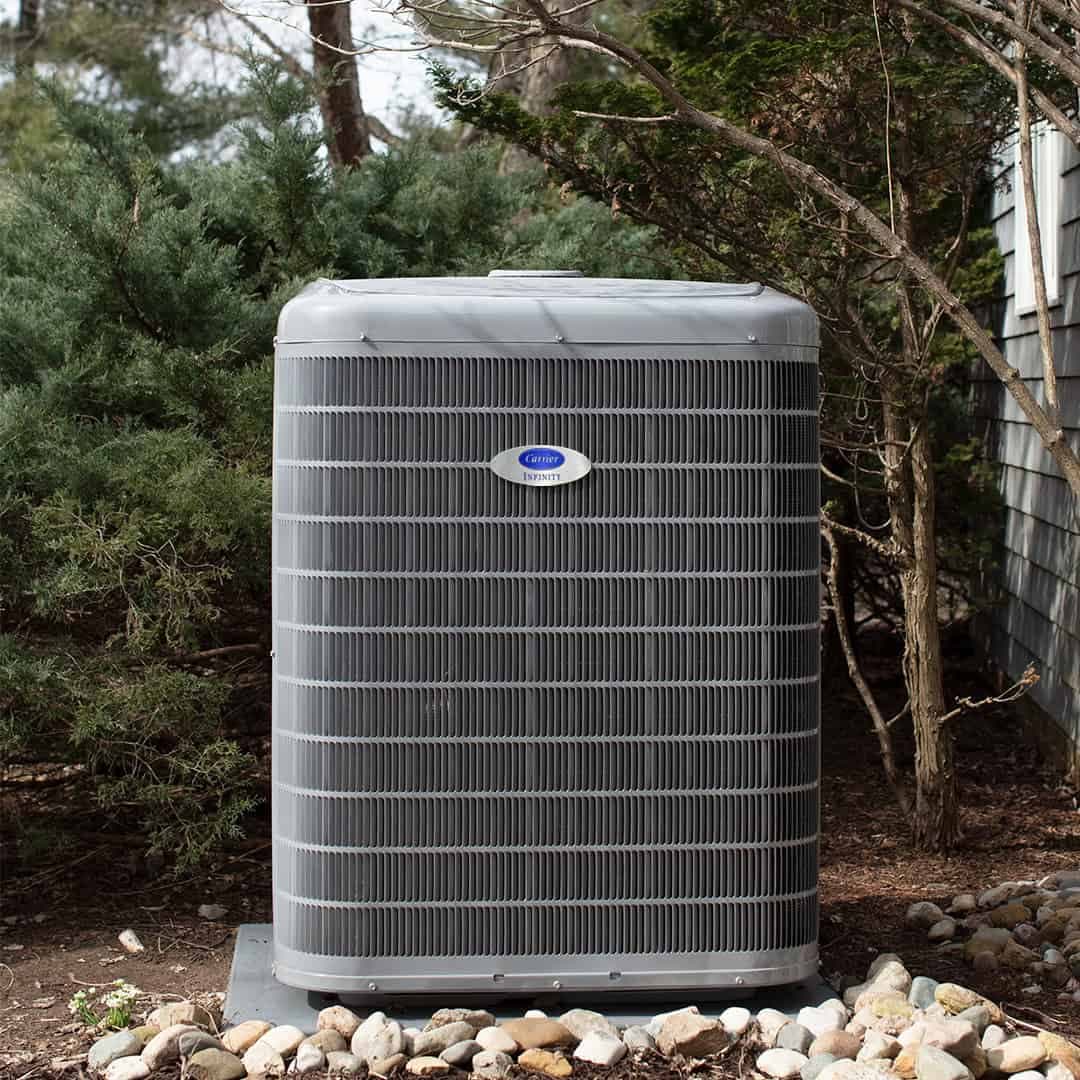
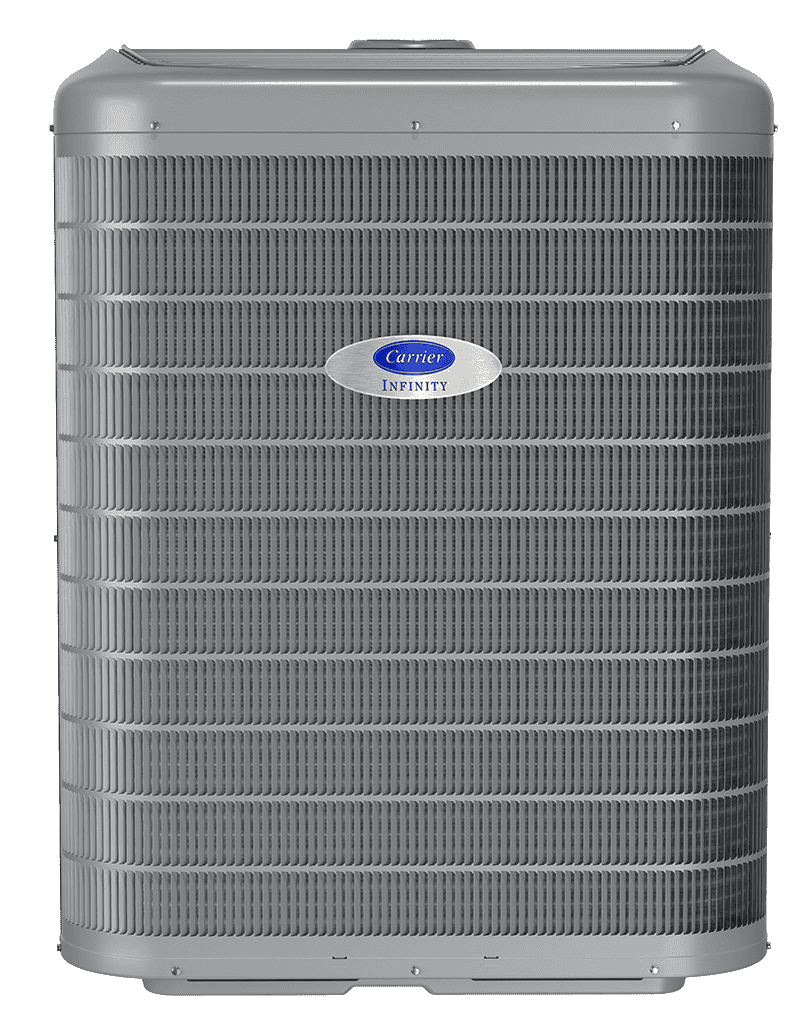
A central air conditioner and a heat pump share the same core parts: compressor, two coils, refrigerant loop. The heat pump adds a reversing valve so the refrigerant can run in both directions. In summer it moves heat out of your house, exactly like an AC. In winter it runs the loop backward and moves heat in.
So "AC vs heat pump" is not a choice between two technologies. It is the same machine, except one of them can also run in reverse and heat your house. That is the part the rebates pay for.
The money, side by side
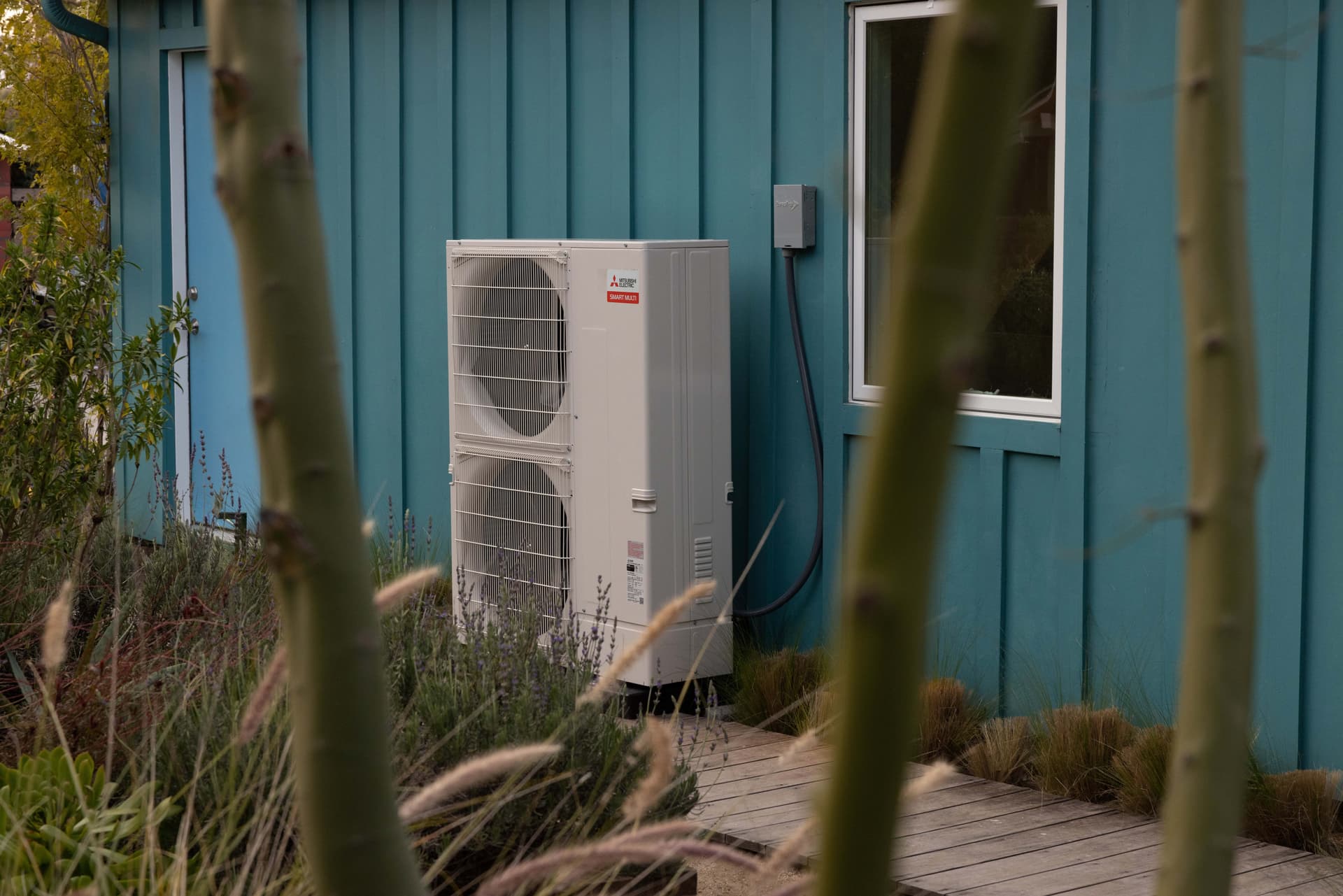
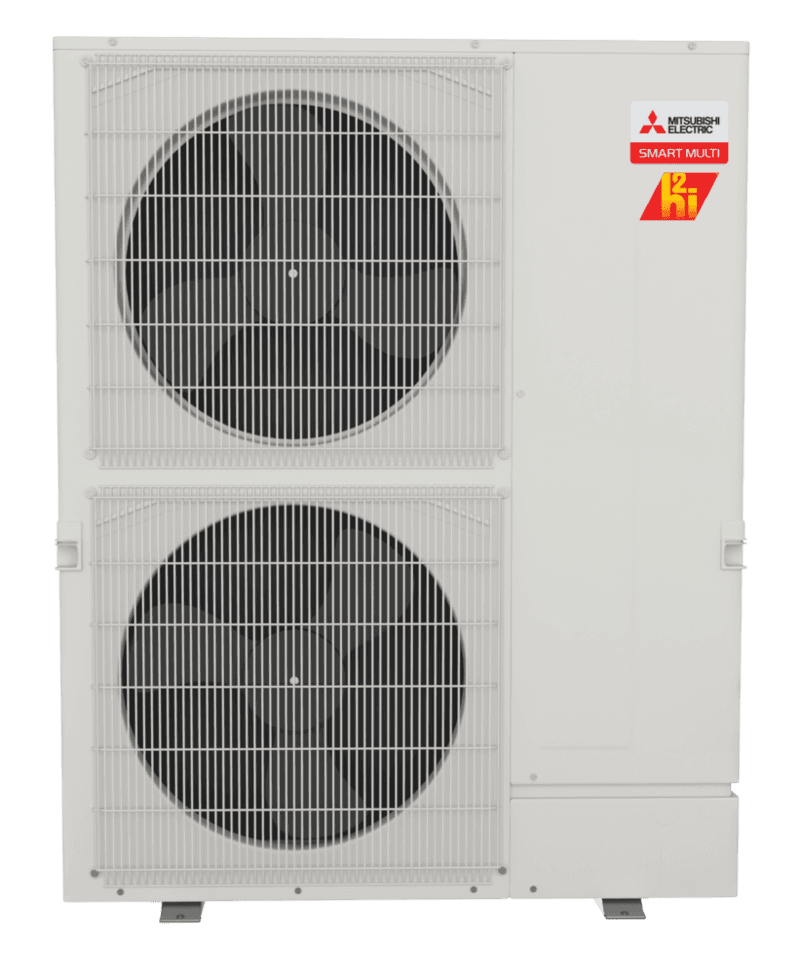
First, get the mechanics straight, because they decide the price. The heat pump is the outdoor unit. Indoors it connects to either a furnace with a coil installed on top of it, or an air handler. An AC works exactly the same way: outdoor condenser, indoor coil. So "AC or heat pump" is never one comparison. It depends on what is staying in your house. These are our current installed prices for Denver-area homes, the same numbers on our AC pricing, furnace and AC replacement, and heat pump pricing pages.
Your furnace is staying: AC vs heat pump condenser
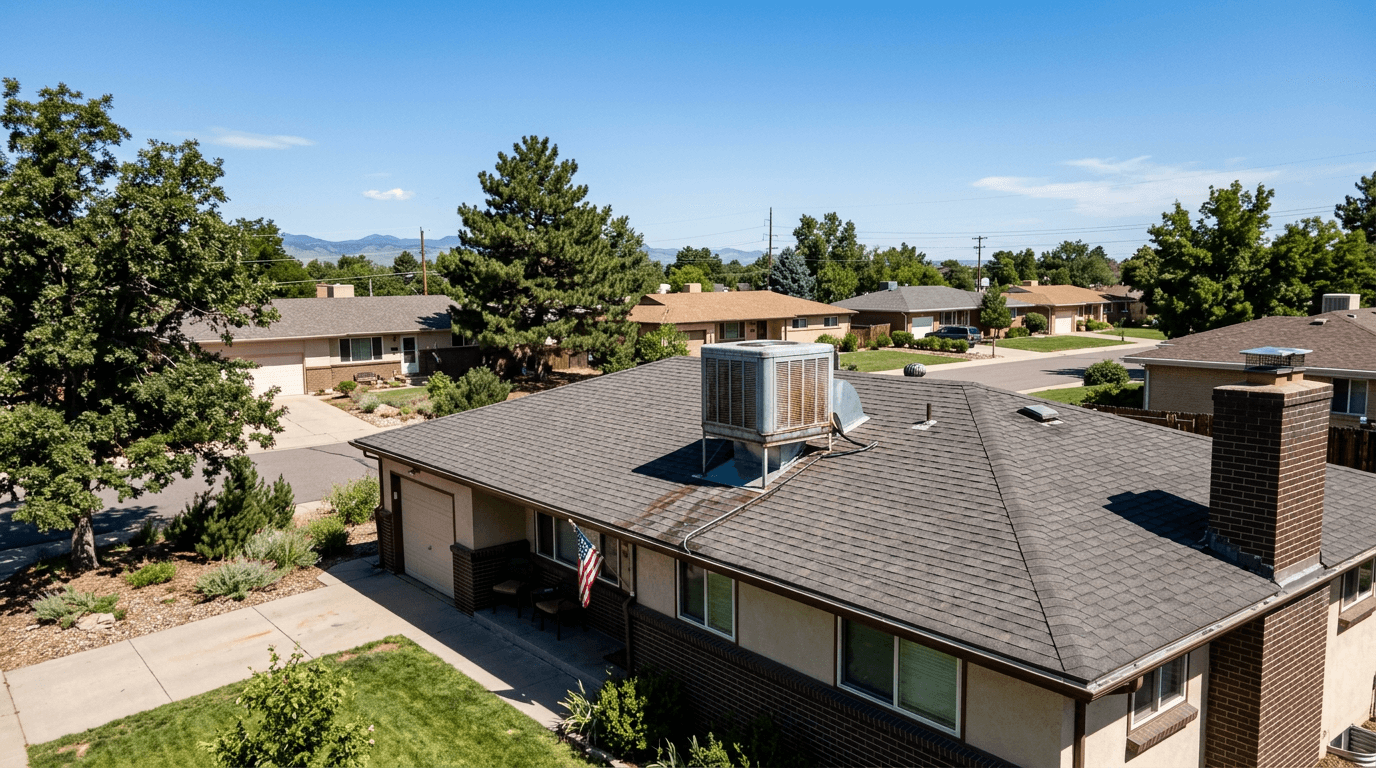
This covers the two most common situations: your AC died, or your home has never had cooling (furnace only, or a swamp cooler that is not keeping up) and you are adding it for the first time. Either way the job is the same: condenser outside, coil on the furnace, line set between them. One check first: the furnace and its blower have to accept a compatible coil, which we confirm at the estimate. And this whole scenario assumes a furnace and ductwork. If your home heats with a boiler or has no ducts, this is not your comparison; that is mini-split territory.
| New AC | New heat pump | |
|---|---|---|
| Installed price | $7,400 to $10,450 | $17,500 to $24,000 |
| Rebates | $0 | Xcel $1,500 per heating ton (cold climate), plus state credit and Power Ahead Colorado where they apply |
| Out of pocket | ~$8,300 | $10,500 to $14,000 |
The stickers are not close, and we are not going to pretend they are. What closes the gap is that every rebate program in Colorado points at the right column and none of them point at the left. After rebates, the heat pump lands close to the out-of-pocket cost of the AC. And since it runs both directions, your furnace drops to backup duty instead of carrying every heating hour alone.
Everything is due: furnace + AC vs a heat pump system
Your furnace and AC are usually the same age. If both are at end of life, the comparison is full system against full system, and there are two ways to build the heat pump side:
| Furnace + AC | Combination system: heat pump + new furnace + coil | Heat pump + air handler (all-electric) | |
|---|---|---|---|
| Installed price | $12,800 to $16,200 | $21,000 to $28,000 | $21,000 to $28,000 |
| Rebates | $0 | $4,500 Xcel (3-ton) plus state credit and Power Ahead Colorado where they apply | Same |
| Typical net, 3- to 5-ton | ~$14,100 | ~$14,800 to $18,200 | ~$15,300 to $19,000 |
| Heating | Gas only | Heat pump primary, furnace when gas is cheaper to run | Heat pump only |
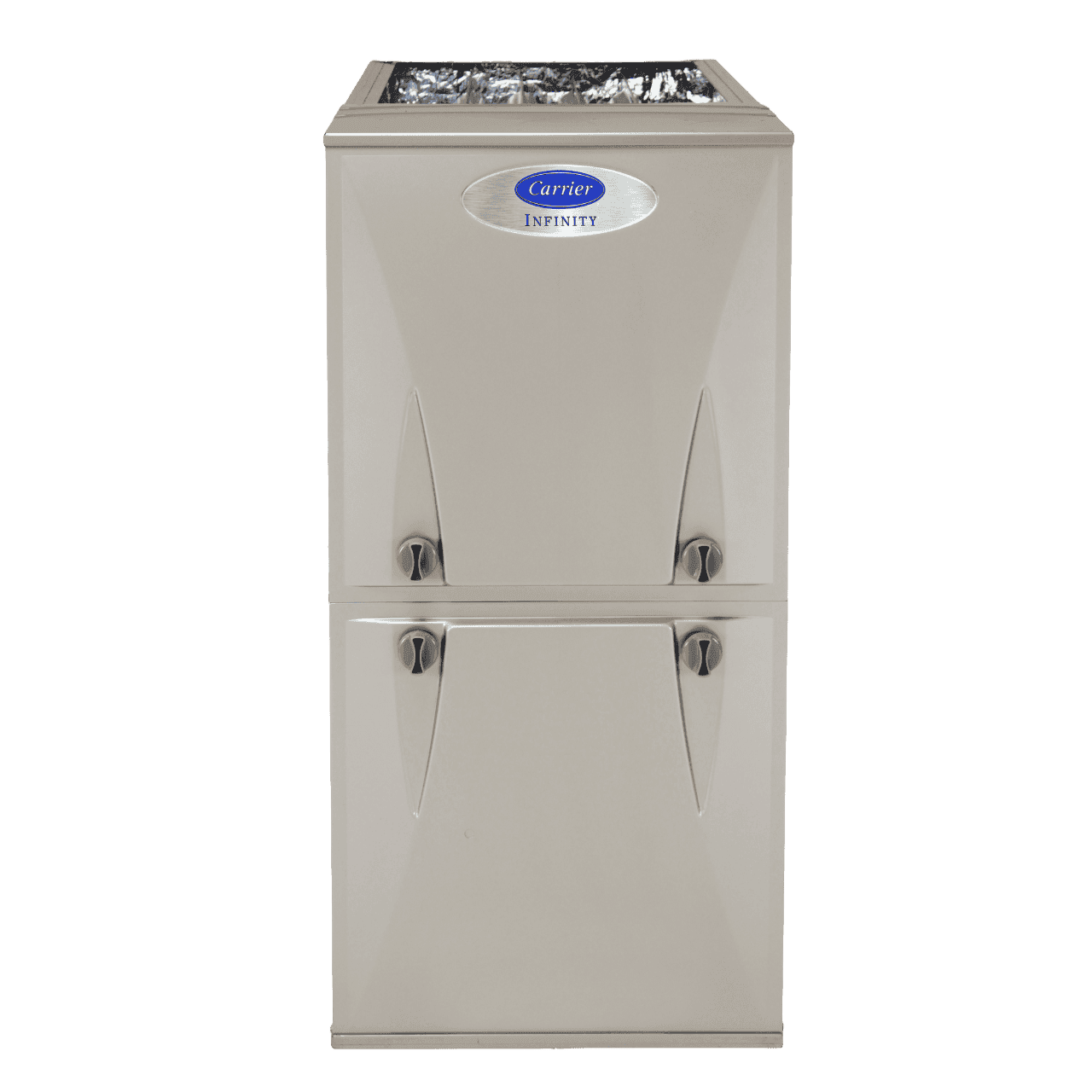
The combination system is what we recommend most often, and it is the most popular configuration we install. You are buying a new furnace and AC anyway; for roughly the same net money after rebates, the combination version gives you a cold climate heat pump as the primary system with a brand-new gas furnace behind it. The heat pump does most of the heating at two to three times the efficiency of gas. The furnace is not there because the heat pump quits in the cold. Cold climate units keep heating well below zero. We set the changeover around where gas gets cheaper to run, and that point moves as gas and electric rates do. Below it the furnace takes over because it costs less, not because it has to.
The rebate math is identical on both heat pump columns, because the heat pump is the qualifying equipment. Xcel pays $1,500 per heating ton as an upfront discount on your invoice, not a mail-in rebate. On the 3-ton system most Denver homes need, that is $4,500 off before the state credit or Power Ahead Colorado are counted. You land around $14,800 to $18,200 net with a furnace, or about $500 to $800 more all-electric, close to the gas-only combo, with variable-speed equipment against mostly single-stage.
The comparison people make in their head is $8,300 vs $21,000. That is an AC price with no rebates counted against a heat pump price with no rebates subtracted, and it is the sticker math that sells a lot of ACs. Count the rebates and match the scope, and the gap mostly closes in both scenarios.
What the heat pump buys you beyond the invoice
- Two ways to heat. A heat pump with a gas furnace behind it means your house has two independent heating systems. If gas prices spike, run electric. If one goes down in January, you are not calling for emergency service at 2 a.m.
- Variable speed as the default. Cold climate heat pumps modulate. Longer, quieter, gentler cycles instead of the blast-and-stop pattern of single-stage equipment. Getting that behavior from an AC means a variable-speed unit at $11,000 to $14,000, and it still only cools.
- A hedge on gas. Xcel's gas rates have climbed for years and the trajectory is not reversing. Every hour a heat pump heats your house is an hour you are not buying gas.
- Quieter. Modulating compressors spend most of their life at low speed. Neighbors notice.
When "just get the AC" is the right answer
We tell people to buy the AC when the rebate math does not apply to them:
- You are not on Xcel electric. The $1,500-per-ton Clean Heat Plan rebate is the engine of this whole comparison. Some co-ops and municipal utilities have their own programs (United Power, Longmont), but they are smaller. Without utility money, the gap stays wide.
- Your address already used the once-ever programs. The Colorado heat pump tax credit and Power Ahead Colorado are once per address, ever. If a previous owner claimed them, that money is gone.
- The numbers just do not close for you. Rebate-ineligible home, tight budget, healthy furnace. Buy the AC.
What we do not do is push a heat pump on a house where the math does not work. Our estimates show the rebate line items, so you see the same numbers we do.
"But I have a central system"
The other version of this question: "I have a furnace and central air. Doesn't a heat pump mean ripping everything out?"
No. A ducted heat pump uses your existing ductwork the same way your AC does. Three paths:
- Keep your furnace. Heat pump condenser outside, coil on top of the furnace. The heat pump does the everyday work; the furnace runs when gas is cheaper. This is the first table above, and it makes sense when the furnace has years left.
- Combination system. New furnace, new coil, cold climate heat pump. Our most common full replacement: heat pump primary, fresh gas backup, one install. Middle column of the second table.
- All-electric. Heat pump with an air handler indoors, furnace comes out entirely. Right column of the second table. We wrote up how we decide between gas backup and all-electric in dual fuel or all-electric.
Whichever path fits, "central system or heat pump" is not the real choice. A ducted heat pump IS a central system.
Get an estimate and we will run both numbers for your house, AC-only and heat pump, with the rebate line items shown.