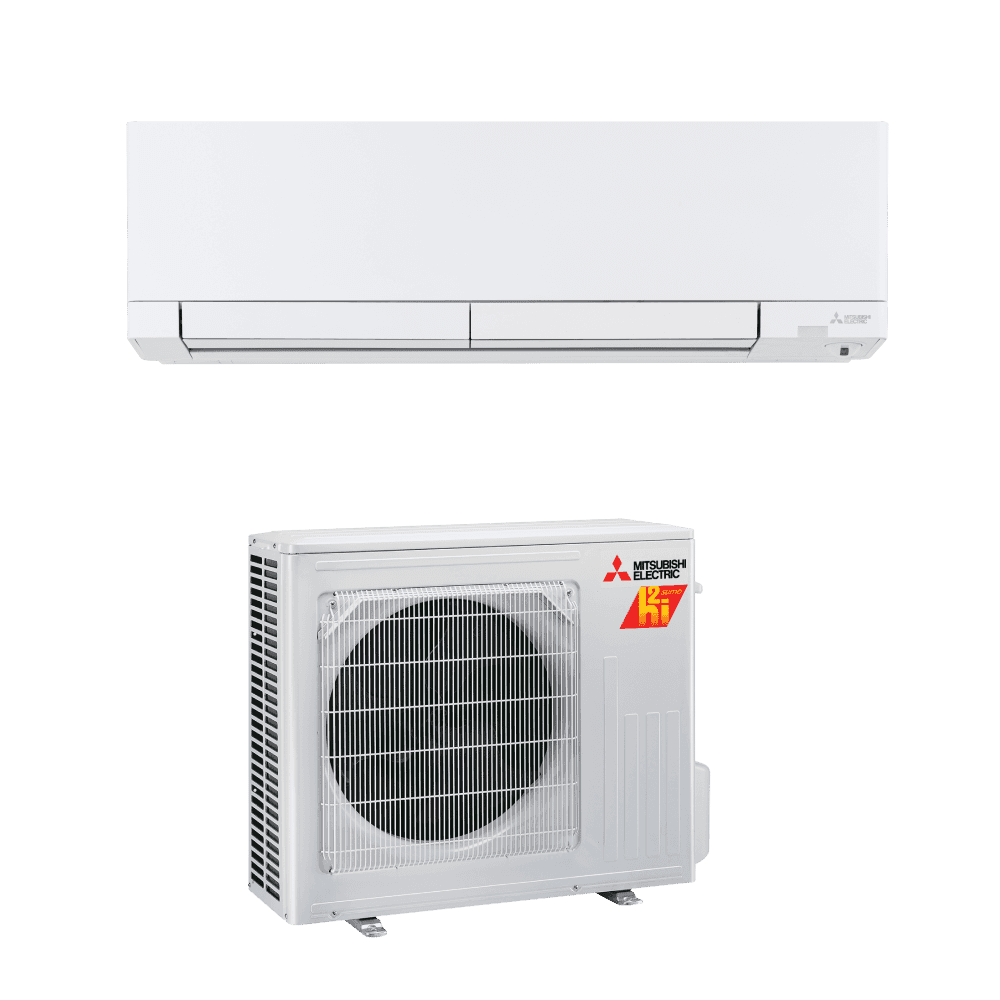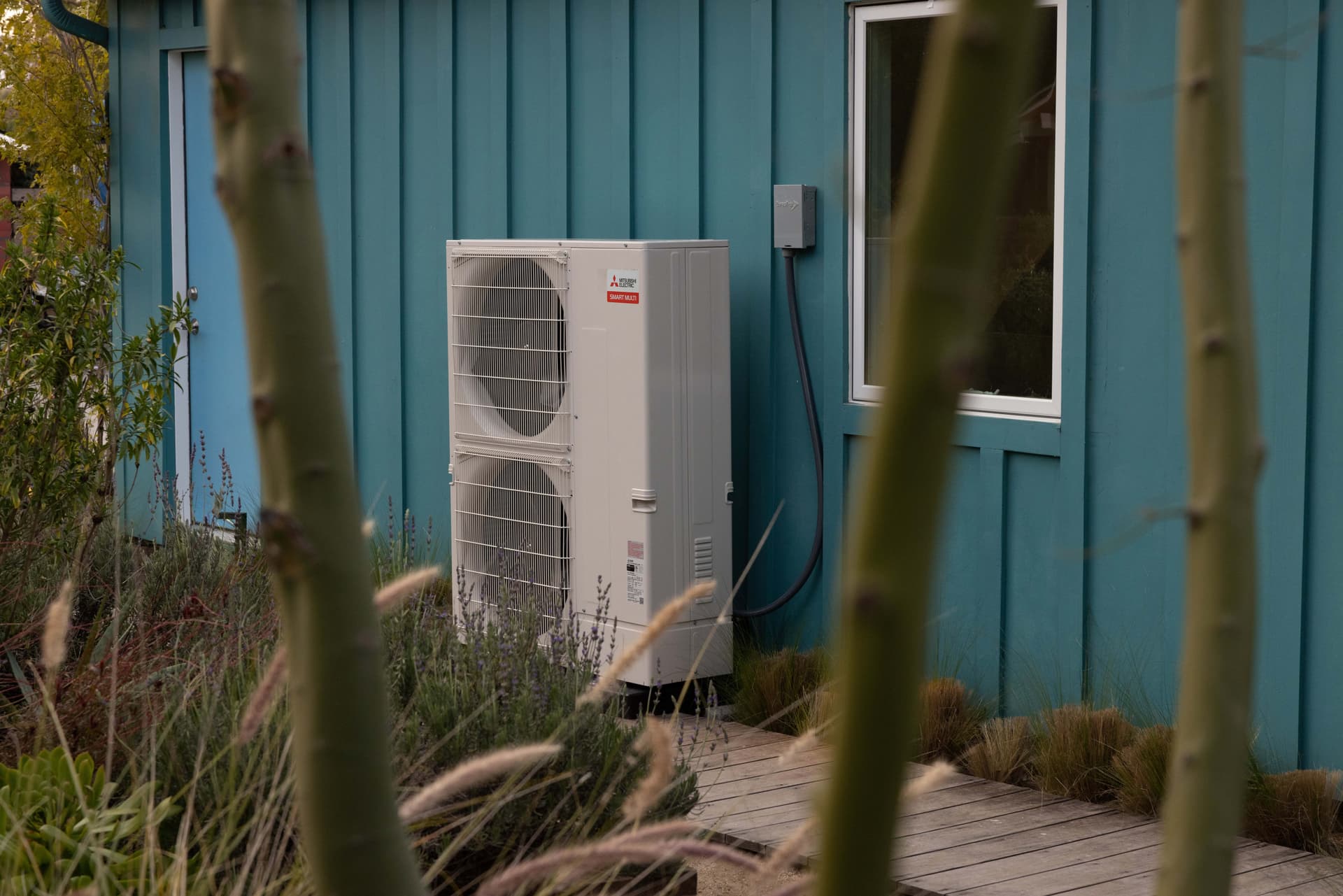

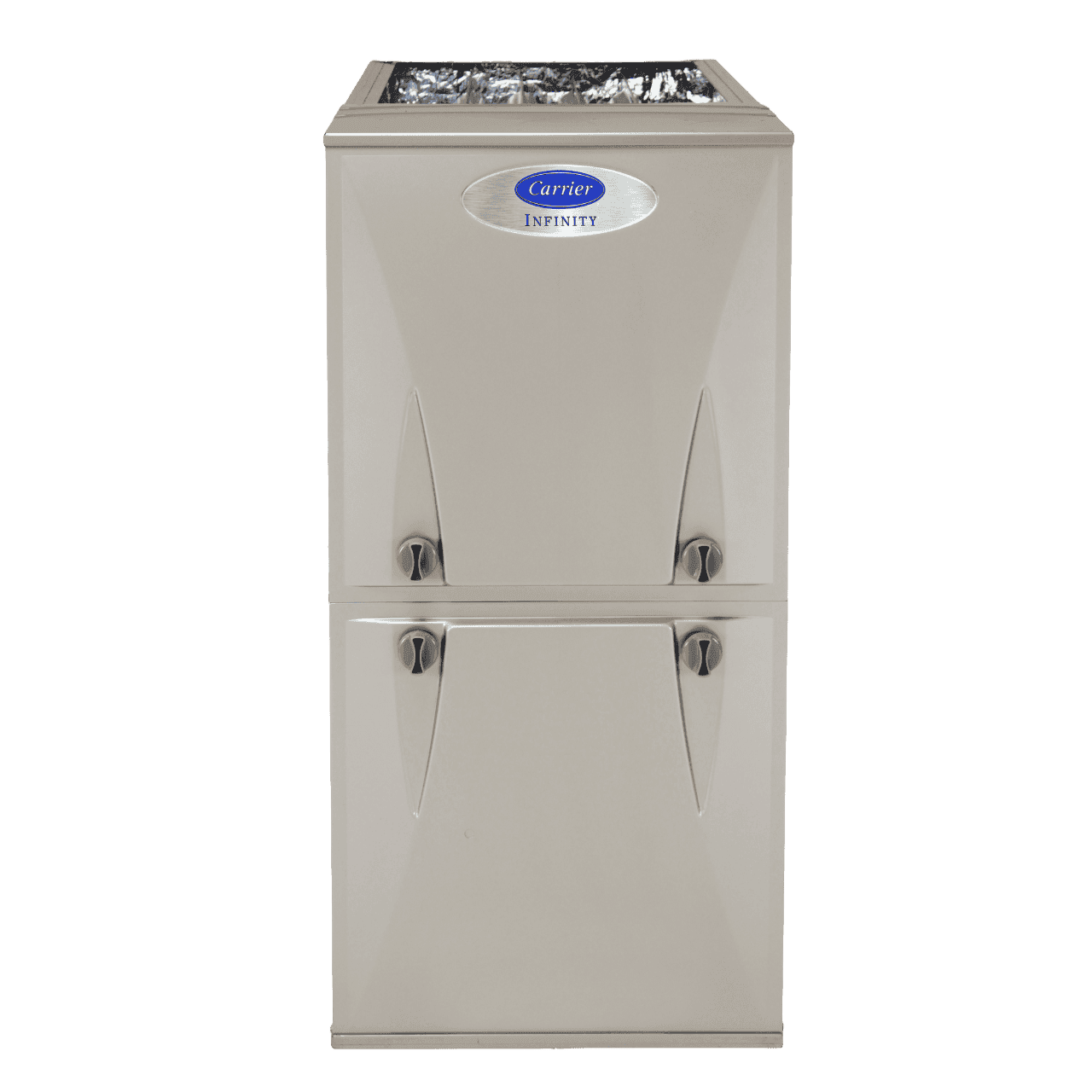
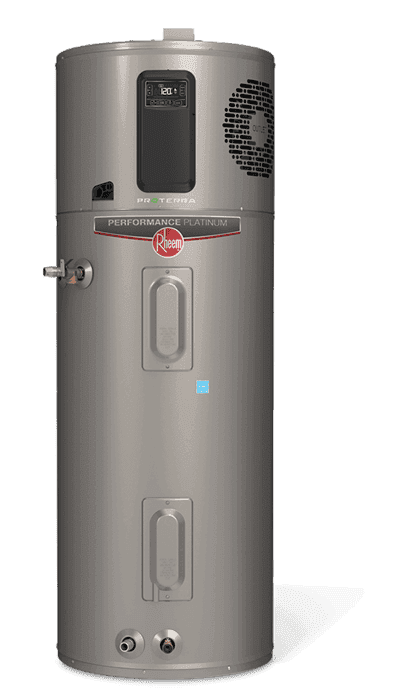









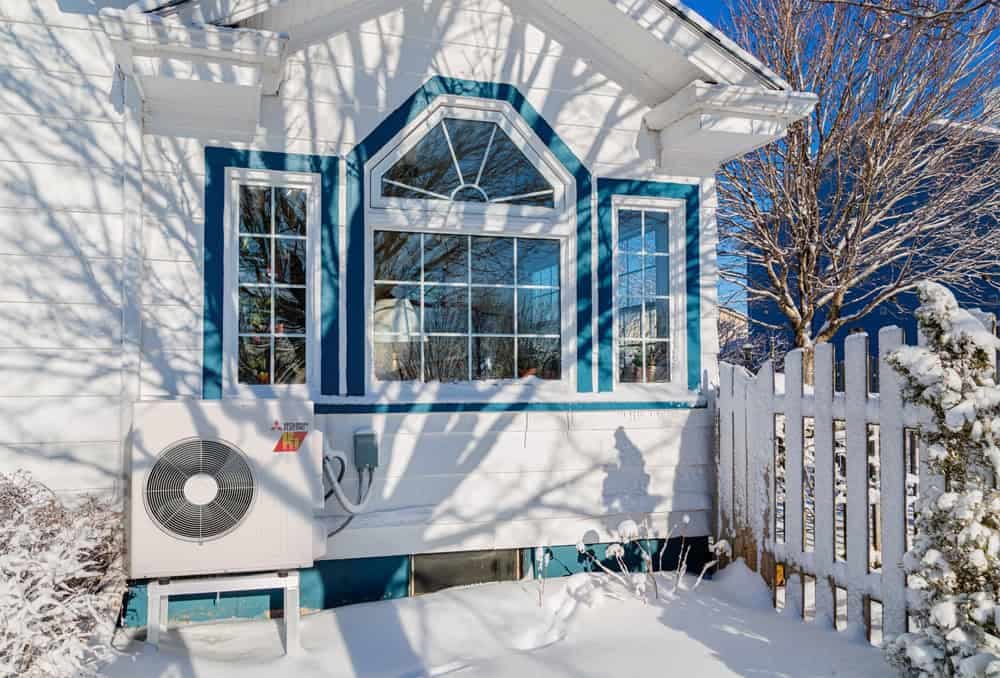
Heat pumps have come a long way since their introduction to the market in the 1950s. Traditionally, heat pumps were not right for cold climates due to their inability to work at low temperatures. Advancements supported by the Federal Government have changed that.
The short answer is yes, heat pumps work in Colorado. New models referred to as "cold climate heat pumps" can cover all or most of a home's heating load. With improvements in coil design, compressor technology, and refrigerant systems, modern units provide reliable heating down to extreme temperatures.
What is a Cold Climate Heat Pump?
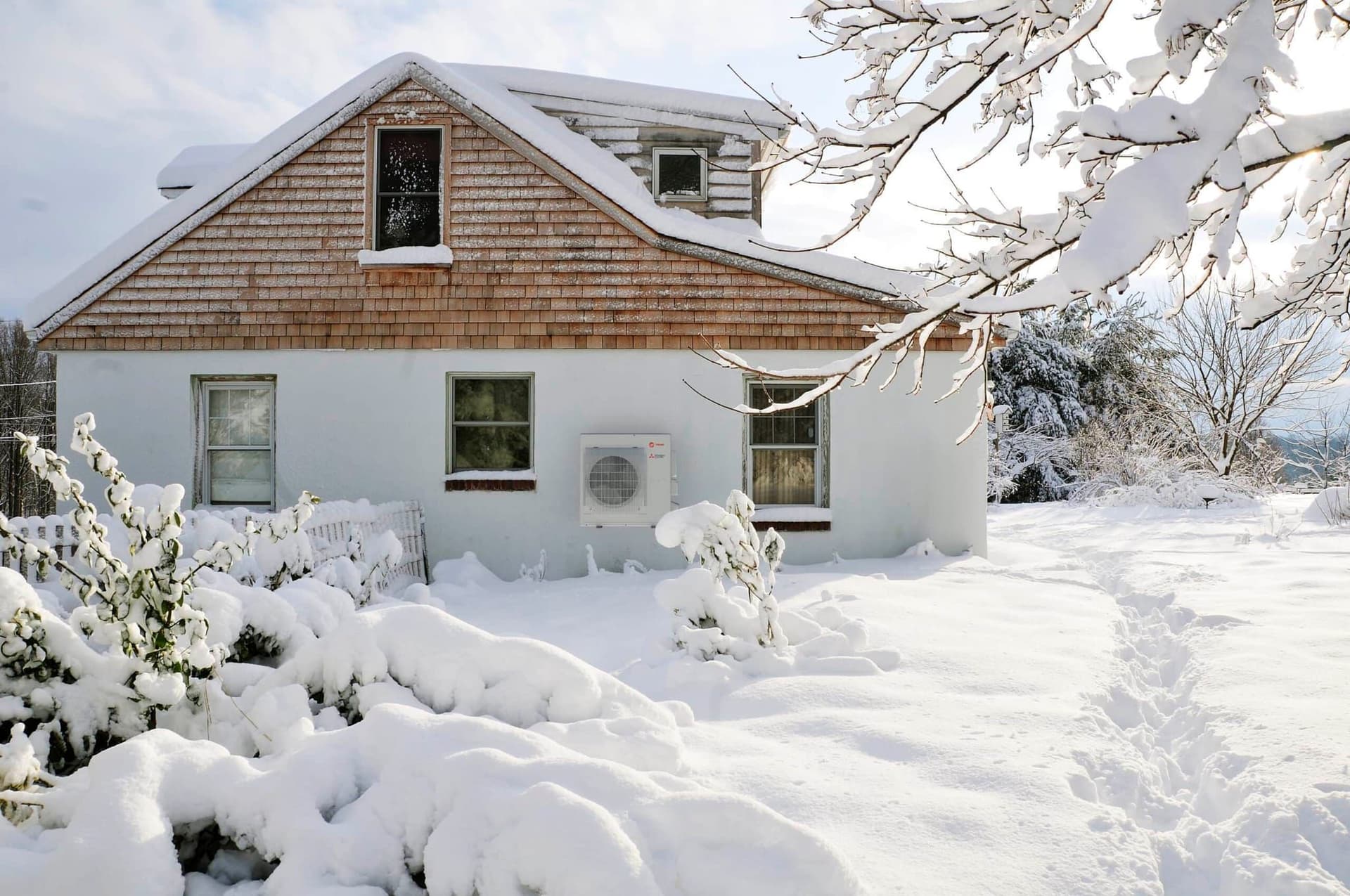
A cold climate heat pump extracts heat from outdoor air and transfers it indoors for heating. In summer, the process reverses to provide cooling. Unlike standard heat pumps, cold climate units use inverter-driven compressors and enhanced refrigerant systems to maintain full heating capacity at much lower ambient temperatures.
Cold climate heat pump systems have been tested in locations as cold as Northern Alaska, demonstrating effectiveness in extreme conditions.
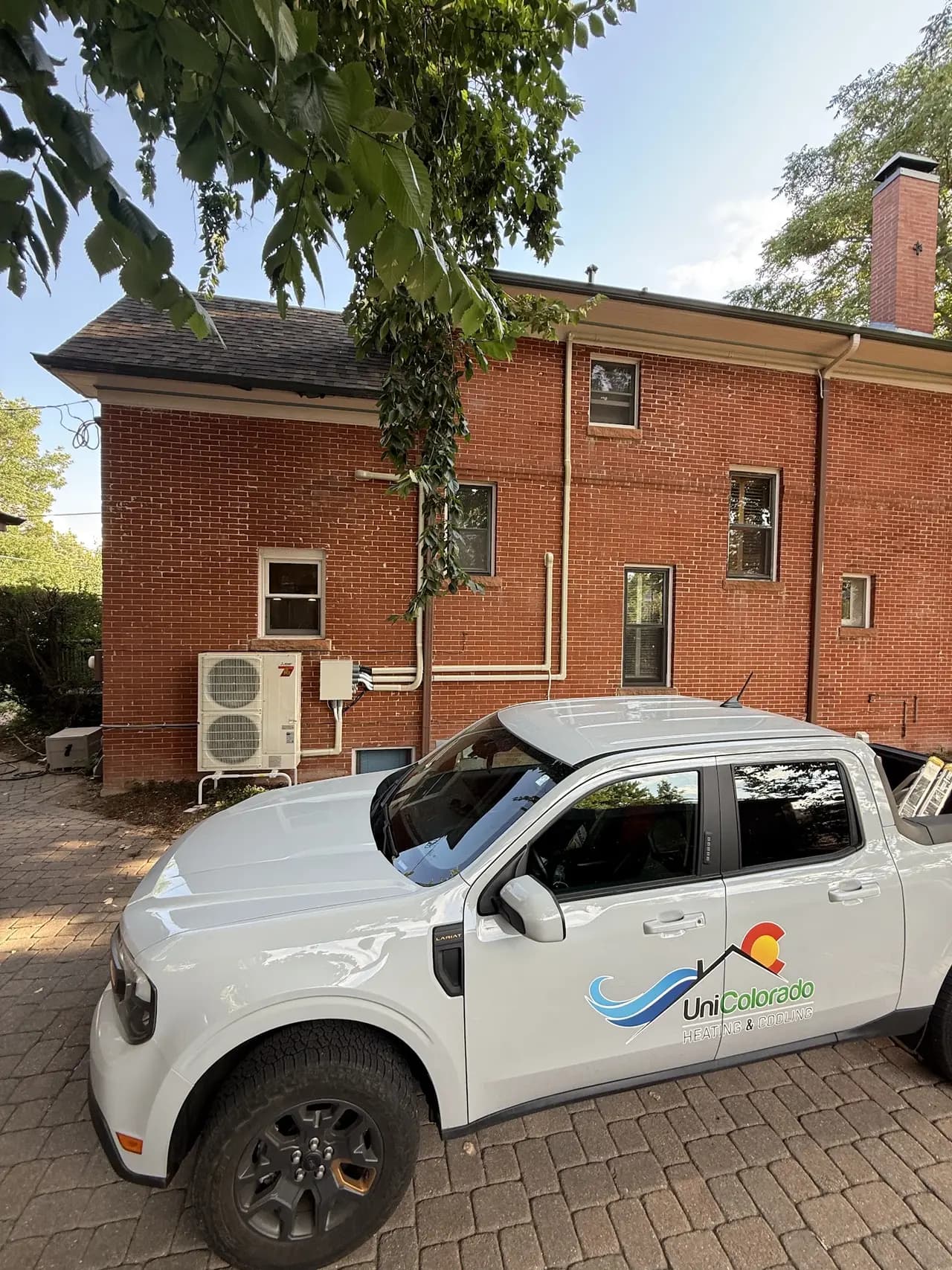
At UniColorado, we have installed heat pumps in Colorado for over 10 years. As of 2026, a properly designed cold climate system can cover the vast majority of a home's heating load, and in many cases the entire load.
How do modern heat pumps work in cold weather?
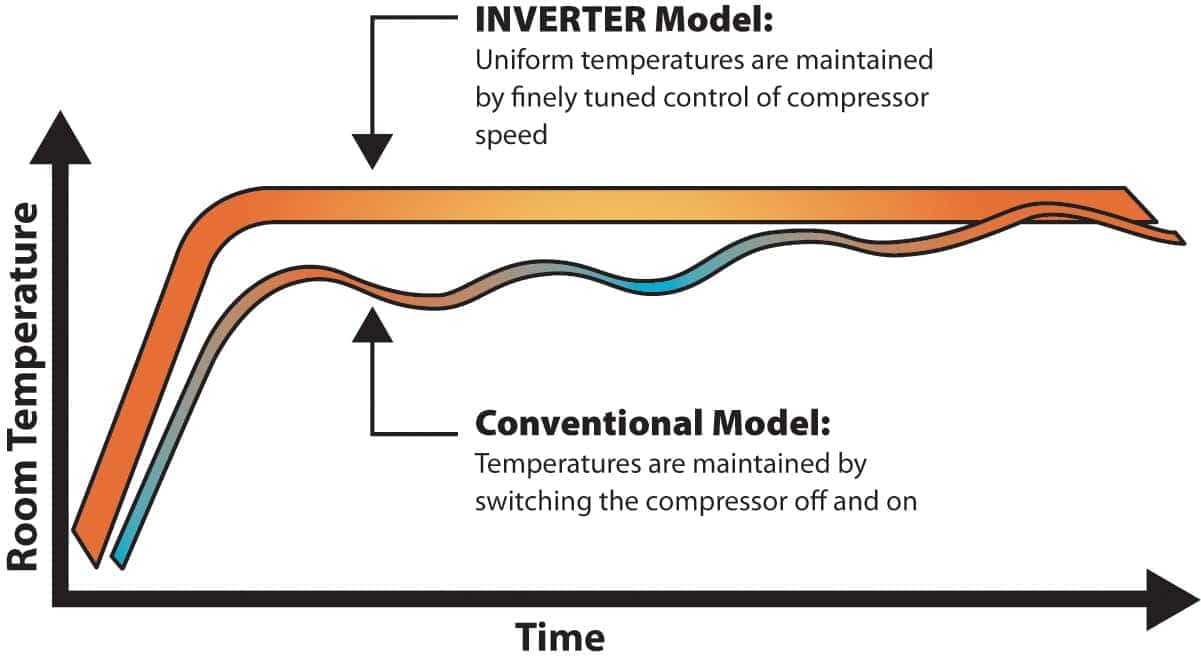
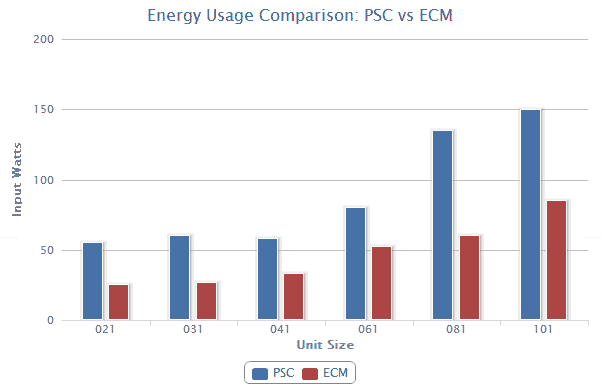
Inverter-driven compressors, advanced refrigerant cycling, defrost cycles, self-learning variable capacity, and ECM motors are the main reasons modern cold climate heat pumps can function at ambient temperatures as low as -20°F.
Inverter-Driven Compressors
Variable-Speed Motors
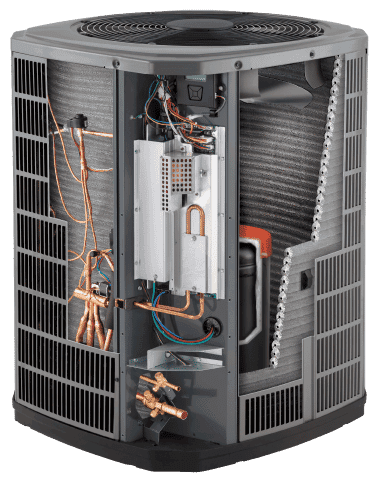
Coil & Refrigerant Systems
What does a -13°F rating actually mean?
A cold climate rating tells you the lowest outdoor temperature the unit will run at. It does not tell you how much heat it makes at that temperature. Those are two different numbers, and the second one decides whether a home stays warm without backup.
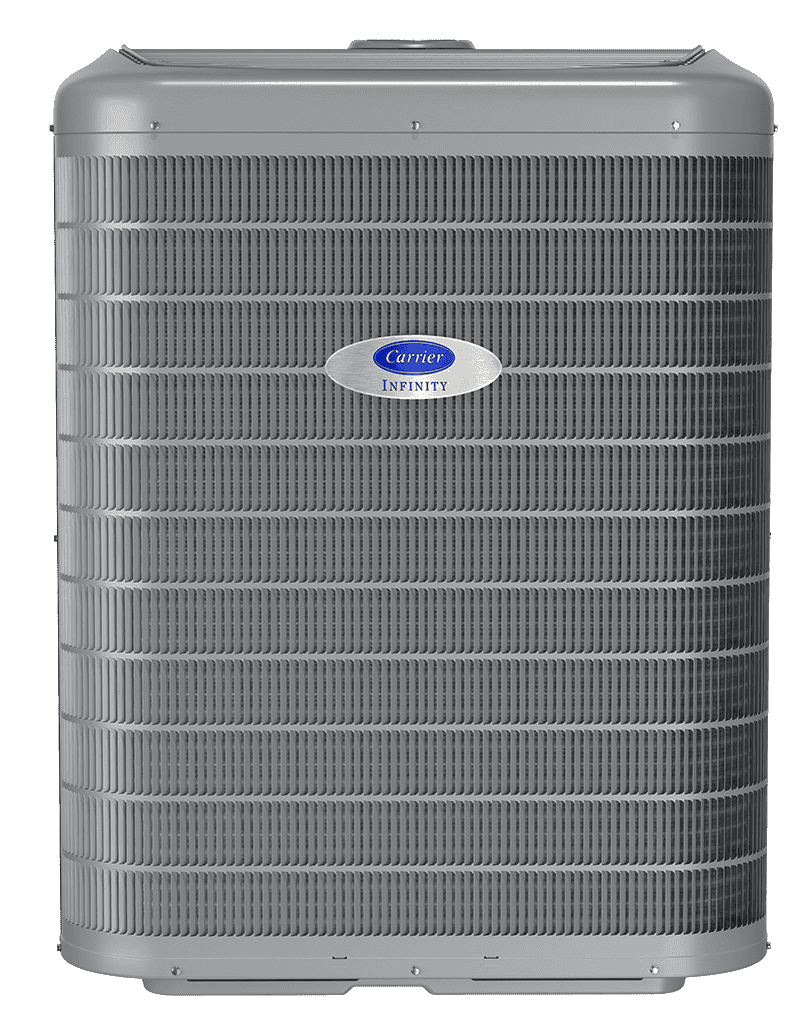
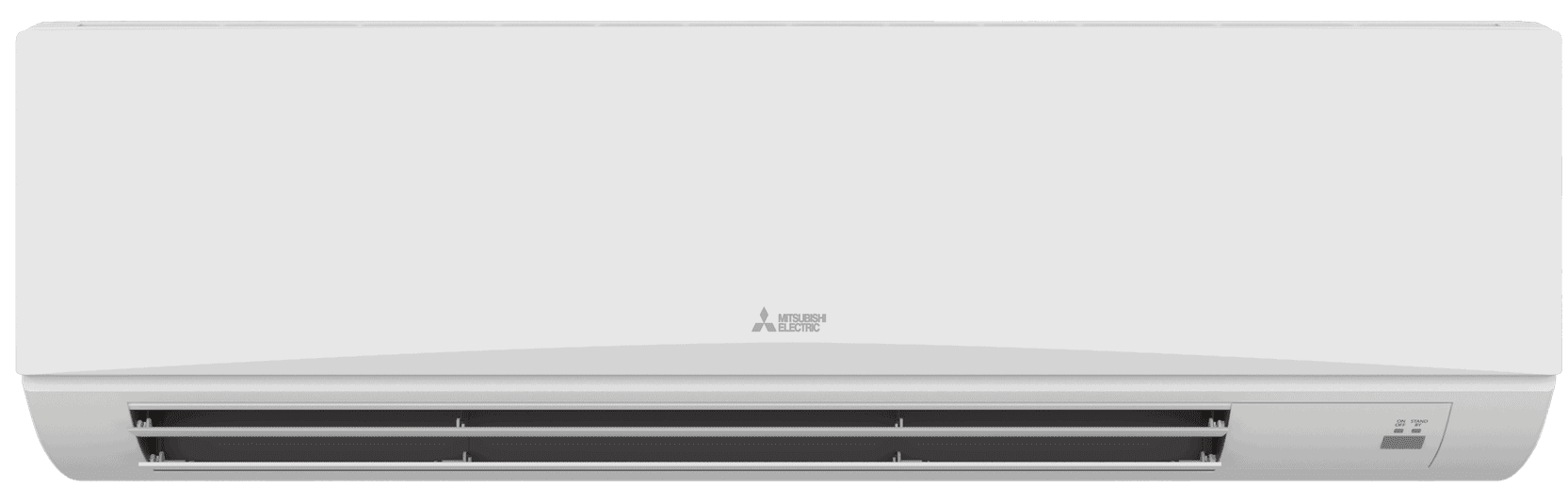
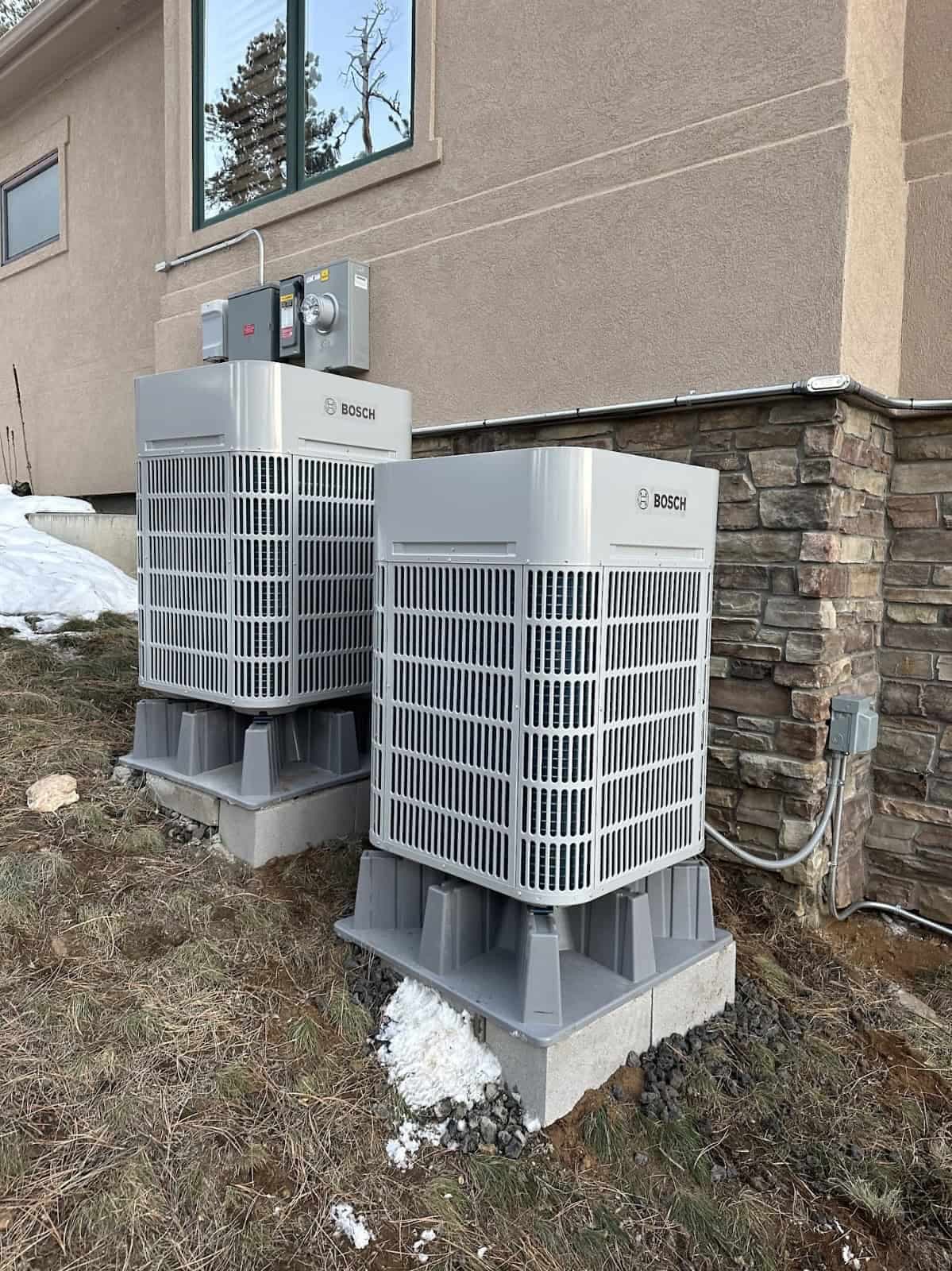
Take the Bosch IDS Ultra. Bosch rates it to operate down to -13°F and to deliver 100% of its rated heating capacity at 5°F. Between 5°F and -13°F it keeps running, but output tapers. Carrier's Infinity 27VNA1 follows the same pattern: 100% of rated capacity at 5°F, operation down to -23°F. Mitsubishi Hyper-Heat holds 100% at 5°F and, depending on the model, operates to -13°F or lower.
Denver's winter design temperature is about 5°F, so the 100% mark is the one that matters for sizing. We run a Manual J load calculation, size the heat pump to the heating load per Xcel's quality installation rules, and compare the selected model's output at 5°F and below against the home's heat loss. Homes that need more during a cold snap get electric backup strips or a dual fuel setup with the furnace. The choice between those comes down to operating cost and the home's layout, and your estimate shows both when both make sense.
Pros of cold climate heat pumps
The biggest advantage is efficient, electric heating that doesn't directly consume fossil fuels. Beyond that, cold climate systems offer a range of benefits that standard heating systems don't.
Key advantages
- Lower energy consumption vs. resistance heating
- Eligible for Xcel rebates and Colorado incentive programs
- Reduces or eliminates direct fossil fuel consumption
- Variable capacity compressors reduce noise and improve comfort
- Self-learning demand patterns for smarter operation
- Pairs well with rooftop solar (PV)
Cons of cold climate heat pumps
Cold climate heat pumps have real tradeoffs. We walk every customer through these before recommending a system.
Tradeoffs to know
- Higher upfront cost than traditional heating (typically 10-20% more)
- Lab efficiency and real-world performance vary widely by home
- Electric heating may cost more depending on local utility rates
- Build quality varies significantly between brands
We take all of these into account to ensure your investment is durable, reliable, and matched to your home's actual needs.
Cold climate vs regular heat pump: which is better for Colorado?
Regular heat pumps work best in mild climates where temperatures rarely drop below freezing. In Colorado, they struggle to extract heat efficiently at low temps, leading to decreased heating performance and heavy reliance on supplemental heat.
Cold climate heat pumps are built for this. Inverter-driven compressors and enhanced refrigerant systems extract heat even at extreme temperatures.
Regular Heat Pump
Works for mild climates
- Lower upfront cost
- High efficiency cooling
- Retrofits into existing infrastructure easily
- 50%+ heating electrification
- Typical heating range: 17°F and above
- Fewer features, less cold-weather headroom
Cold Climate Heat Pump
Built for Colorado winters
- 80-100% heating electrification
- Variable-capacity compressor
- Much wider heating range (down to -24°F)
- Advanced features (self-learning, smart zoning)
- Higher installed cost
- System design requires careful load calculation
Compare systems
How much does a cold climate heat pump cost in Denver?
Installed cost depends on home size, model, and installation complexity. Cold climate heat pumps run higher than standard systems, though they also carry higher efficiency ratings (SEER2 and HSPF2) that translate to lower operating costs.
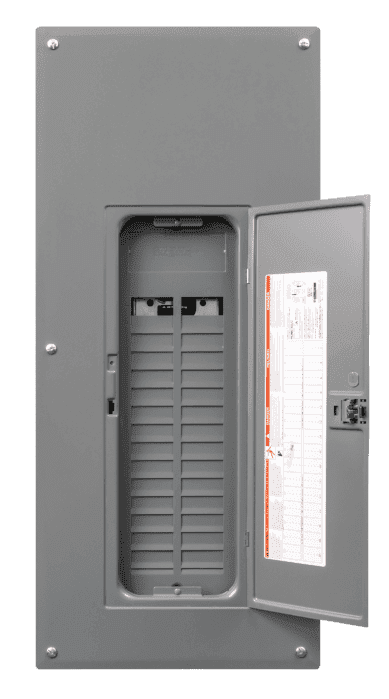
The typical out-of-pocket cost to install a cold climate heat pump in Denver was $13,200 - $18,400 for our customers in 2023 (approximate; costs may vary in 2026 due to tariffs and market changes). Some homes also need an electrical panel upgrade to support the added load: $2,000-$3,350 for a subpanel or $5,350-$7,800 for a full 200A service upgrade.
Rebates take a large share off that price. For a qualifying 3-ton cold climate system in Xcel gas territory, the 2026 stack is the Xcel cold climate rebate at $1,500 per heating ton ($4,500), the Power Ahead Colorado rebate of $1,500, and the Colorado heat pump tax credit of $1,000, which is $7,000 combined. Xcel lowered the cold climate rate from $2,250 to $1,500 per ton on October 1, 2026; the October rebate change guide covers what changed.
This is an example, and costs and rebates vary by home. Power Ahead and the state credit can each be claimed once per address, Power Ahead needs approval before installation, and the Xcel amount depends on the rated capacity of the equipment. Every qualifying incentive is listed on your estimate and applied as a discount on the invoice, so the price you see is the price you pay.
- System Type
- Air-Source Heat Pump
- Installed Cost Range
- $6,600 - $19,600
- System Type
- Cold Climate Heat Pump
- Installed Cost Range
- $7,600 - $25,500
Best cold climate heat pump brands we install
We are certified dealers for Mitsubishi, Carrier, and Bosch. These three produce the most reliable cold climate systems available. Each takes a different approach to cold-weather performance - we compare them side by side in our Mitsubishi H2i vs Bosch IDS Ultra vs Carrier comparison.
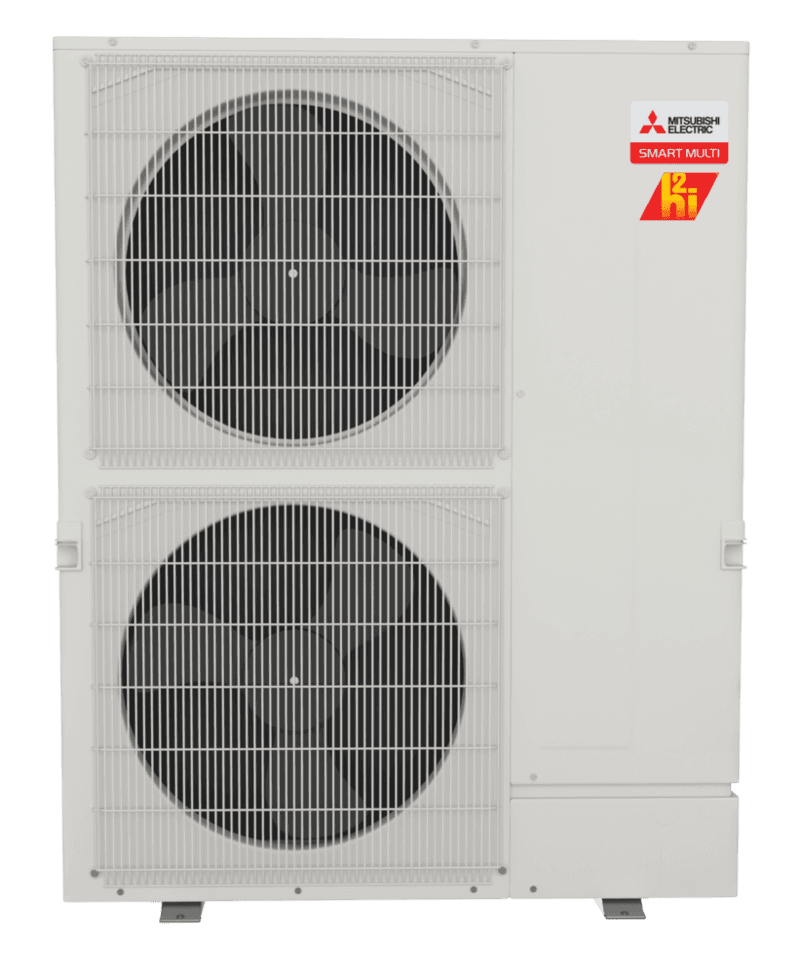
Mitsubishi
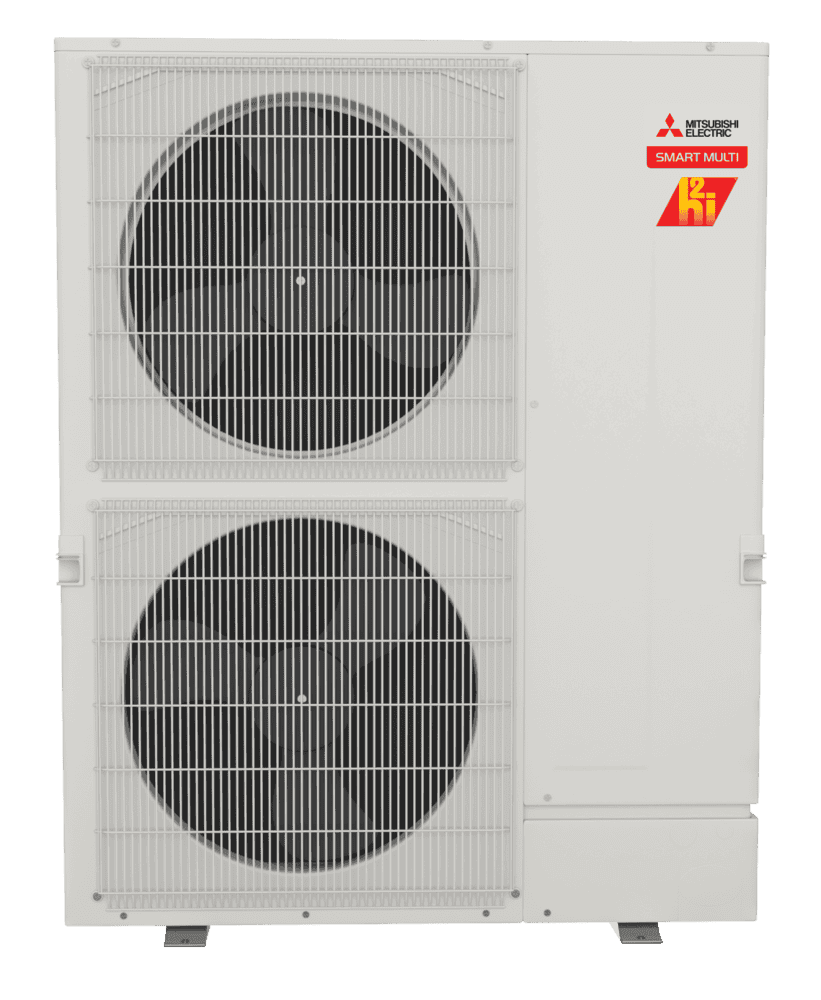
Hyper-Heat (H2i)
Industry-leading cold climate performance rated to -24°F. Electric-only, no backup furnace needed in most homes.
- ✓Rated to -24°F
- ✓10 HSPF2
- ✓Up to 42,000 BTU
- ✓Variable-speed inverter
- ✓NEEP listed
- ✓kumo cloud WiFi
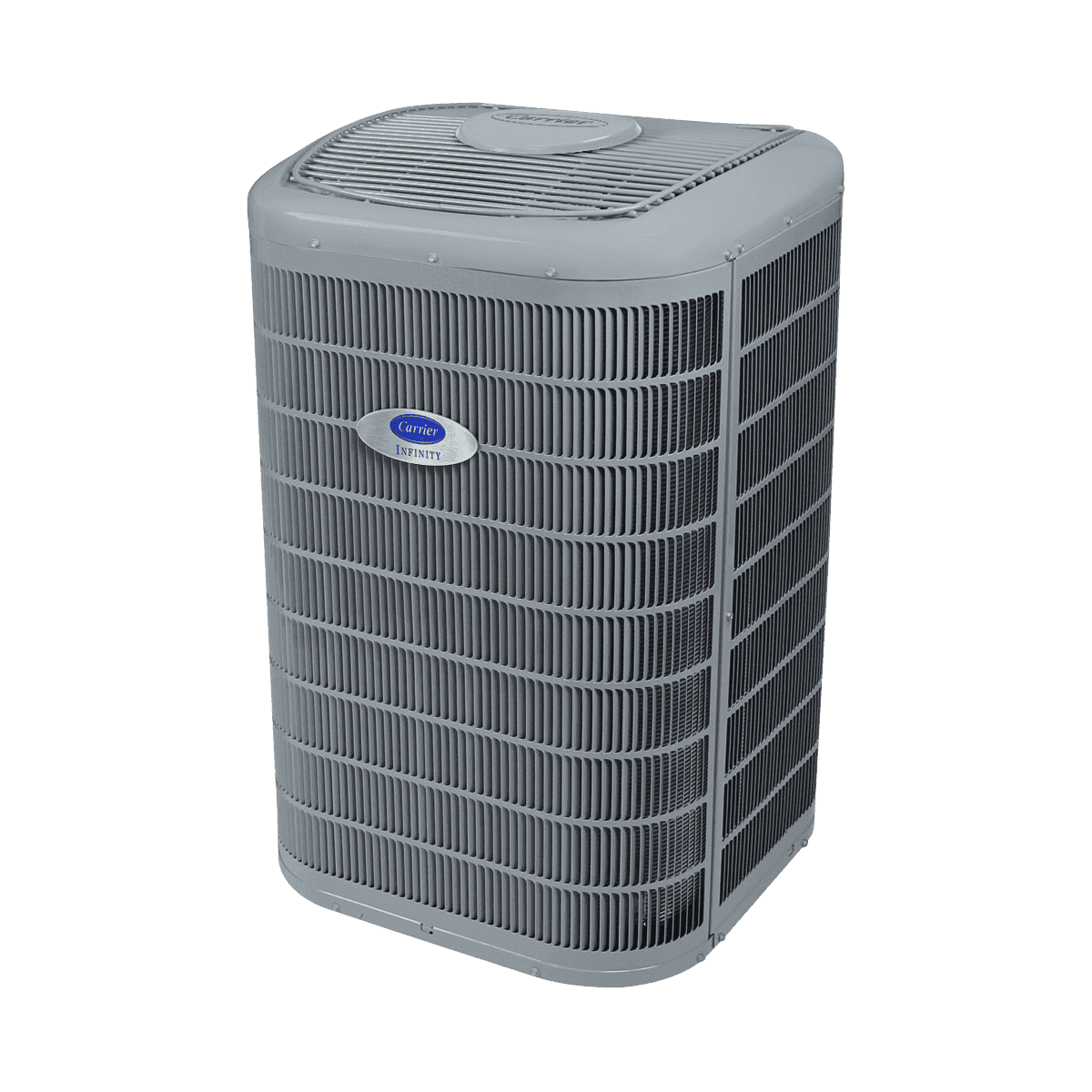
Carrier
Infinity Greenspeed
Premium variable-speed system with Greenspeed intelligence. Excellent for dual-fuel configurations with existing gas furnaces.
- ✓Heats to -23°F
- ✓12.5 HSPF2
- ✓Up to 21.2 SEER2
- ✓Greenspeed intelligence
- ✓Variable-speed
- ✓Dual-fuel capable
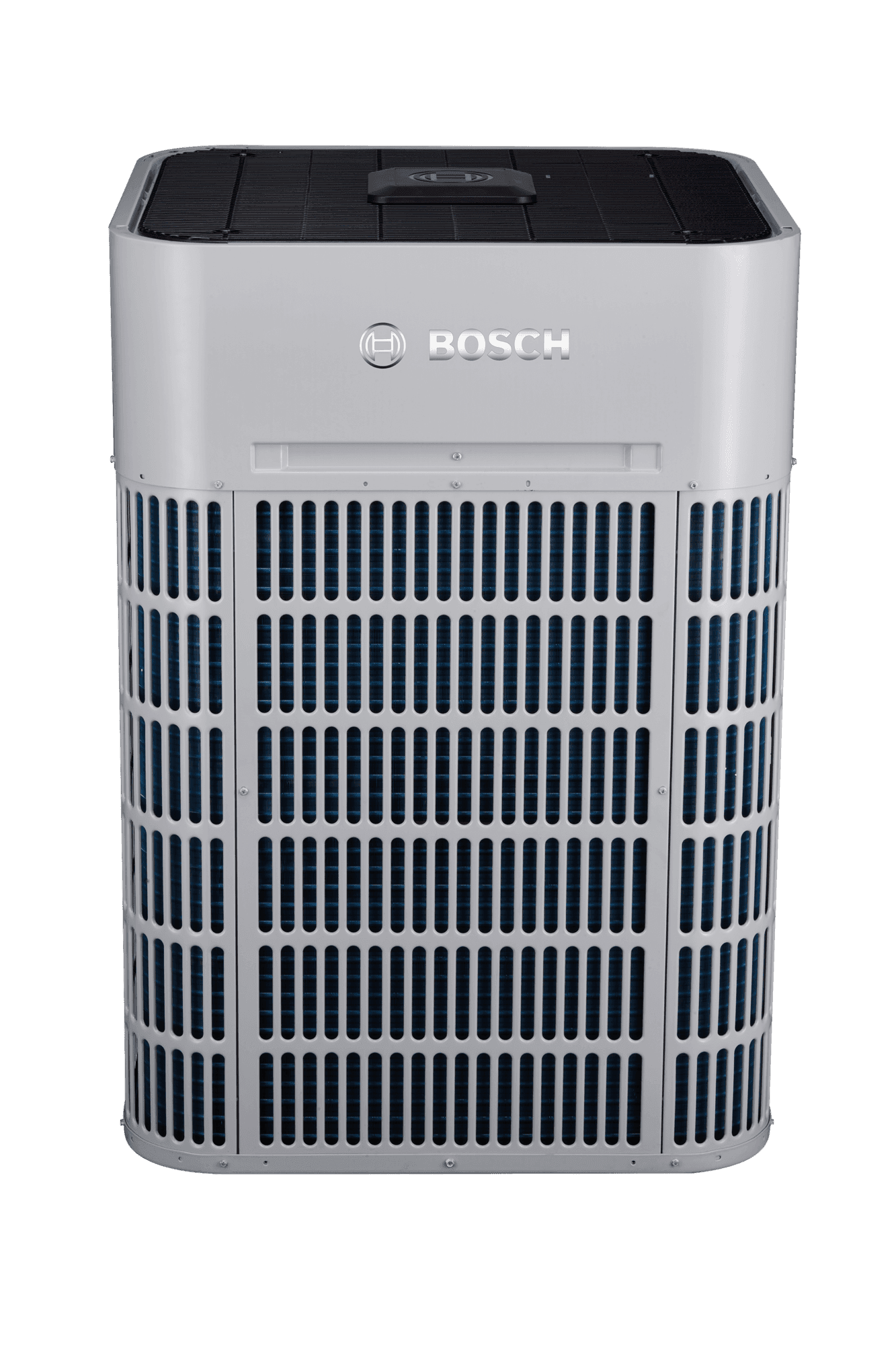
Bosch
IDS Ultra
German-engineered inverter system with exceptional low-temperature performance. Strong dual-fuel option with wide capacity range.
- ✓Rated to -13°F
- ✓10 HSPF2
- ✓Up to 19 SEER2
- ✓Inverter-driven
- ✓NEEP listed
- ✓IDS compatible
UniColorado: The Leading Heat Pump Experts in Denver
Over a decade of installs. Our team has hands-on experience with every major cold climate brand and model available in the Denver market.
Transparent pricing. No hidden fees, no pressure. We publish our pricing ranges and stand behind our best price guarantee.
Manual J load calculations. Every system is engineered for your specific home, not sized by rules of thumb.
We install the brand that works best for your home. We are certified dealers for Mitsubishi, Carrier, and Bosch, and we choose based on the home's needs, not margin.
Ready to get started? Learn more about our heat pump installation process, or jump straight to a free estimate.

Ready to explore cold climate heat pumps?
Free estimates, honest answers, no pressure.
Questions Denver homeowners ask about heat pumps in the cold
Which heat pump brand is best for Colorado? Mitsubishi Hyper-Heat, Bosch IDS Ultra, and Carrier Infinity all hold rated capacity well below 0°F, so the right pick depends on your home, not the badge. We compare them model by model in our best heat pump brands for Colorado guide.
Are there still heat pump rebates in Colorado for 2026 and 2027? Yes. Xcel pays $1,500 per heating ton on cold climate heat pumps (down from $2,250before October 1, 2026), and the Colorado state tax credit and Power Ahead Colorado's $1,500 stack on top. The federal credit is gone. Every program is in our Colorado heat pump rebates guide.
How much does a heat pump cost for a 2000 sq ft home? A cold climate heat pump added to your existing furnace (condenser plus coil) for a 2,000 sq ft Denver home runs $17,500 to $24,000 gross, and most homeowners pay $10,500 to $14,000 out of pocket after Xcel, Power Ahead Colorado, and the state discount. Line-item ranges are in our heat pump installation cost guide.
What is the downside of having a heat pump? Three things: the price before rebates is higher than a furnace and AC, an installer who sizes it wrong will leave you cold on the worst nights, and going all-electric may mean panel or wiring work first. We go through each in heat pump downsides in Denver.