










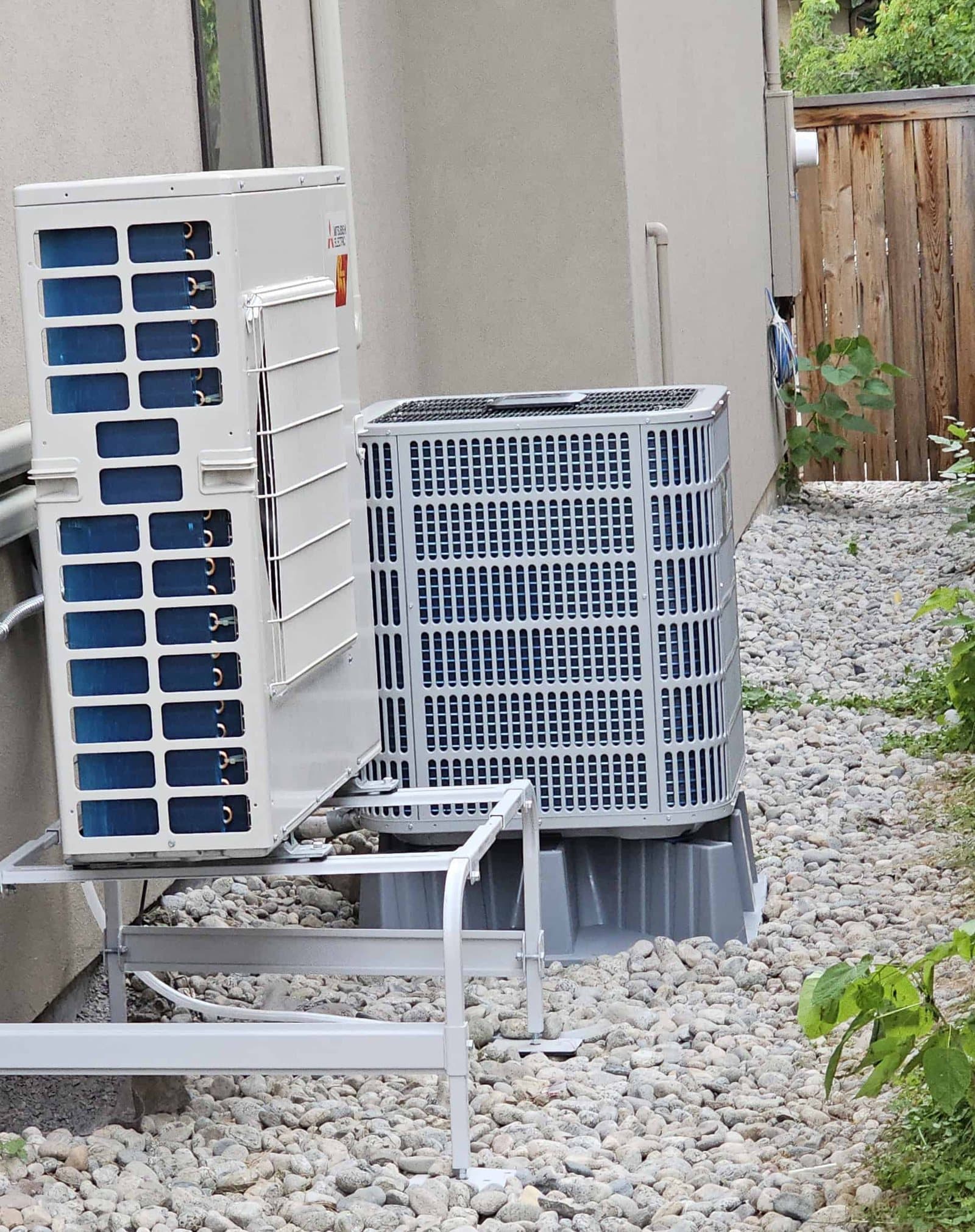
Why quotes disagree
When one bid says 3 tons and another says 5, the difference is usually the question each contractor answered. Installers who came up on air conditioners size to the cooling load, or copy the old AC's sticker, or divide square footage by a constant. All three produce the same answer they always did, and for a Colorado heat pump that answer is too small, because here the heating load is the bigger number. A heat pump sized like an AC cools your house fine in July and comes up short in January.
The bidder who quoted bigger usually is not padding the invoice. They sized the machine for the job it actually has: heating your house at 5°F, not cooling it at 95°F.
What Xcel actually requires
This is not our opinion against another contractor's. Xcel's Quality Installation requirements for variable-speed cold climate heat pumps say it outright: size for heating load, no oversizing penalty. In practice that means a heating size factor of at least 1.0 (the system meets or exceeds your heating load at design temperature) while the cooling side is allowed to exceed your summer load. Denver's heating design temperature is around 5°F, colder in the foothills.
Two red flags fall straight out of the rule: a contractor who says "we size for cooling load," and one who ran the numbers against a milder winter than the one you live in. Our full Xcel sizing guide walks through the balance-point math.
What undersizing costs you
An undersized heat pump doesn't fail. It quietly hands your coldest weeks to the backup heat: electric strips at several times the running cost, or the gas furnace you bought the heat pump to run less. You paid for a heat pump and got a mild-weather machine with an expensive crutch. Undersizing also can't be fixed with a setting; it's a permanent limitation you live with for 15 years.
This is also where the per-ton rebate quietly agrees with the physics: Xcel pays $1,500 per heating ton on cold climate equipment, so the correctly heating-sized system usually carries the larger rebate too. Downsizing to soothe an oversizing worry costs you capacity and rebate at the same time.
The oversizing fear is an AC-era leftover
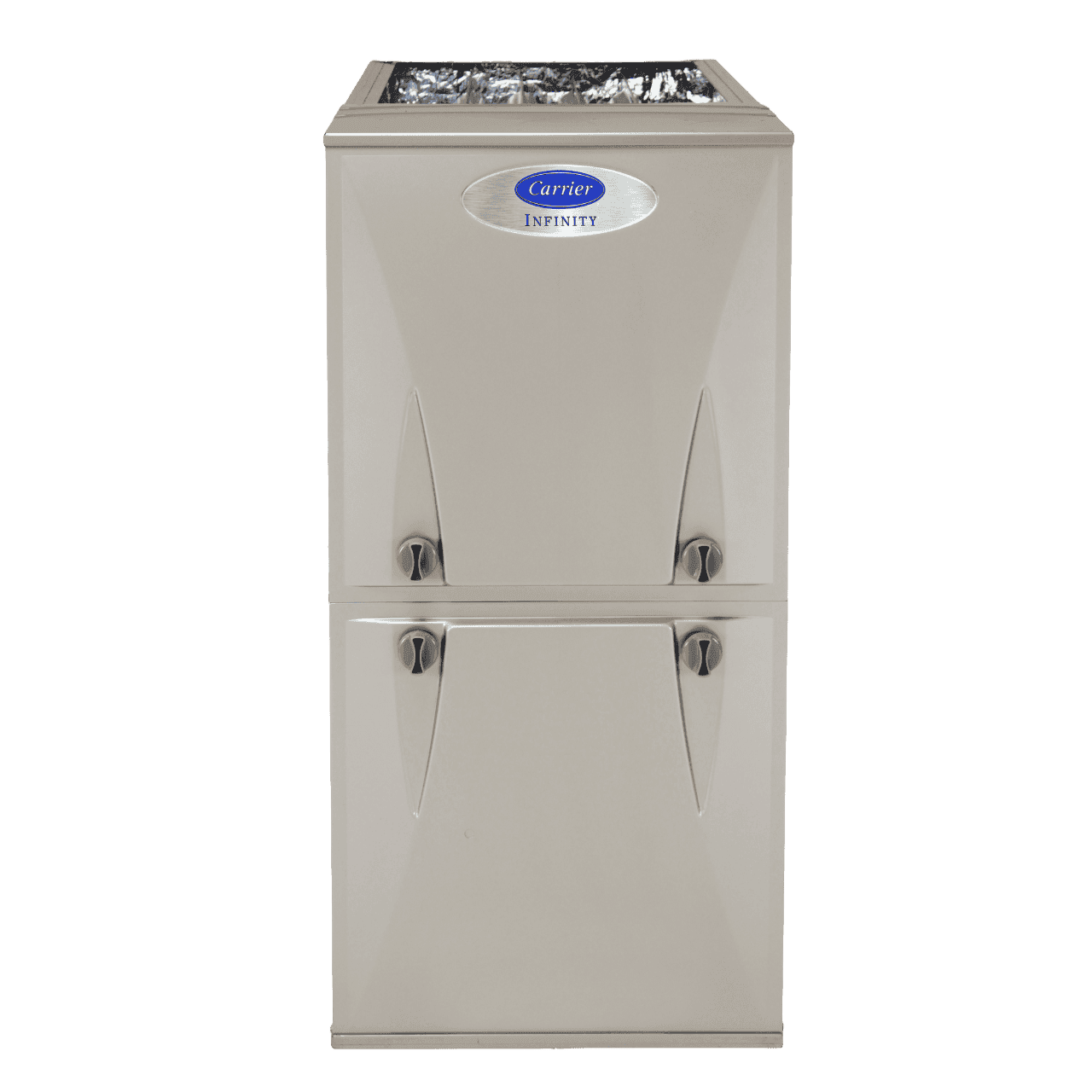
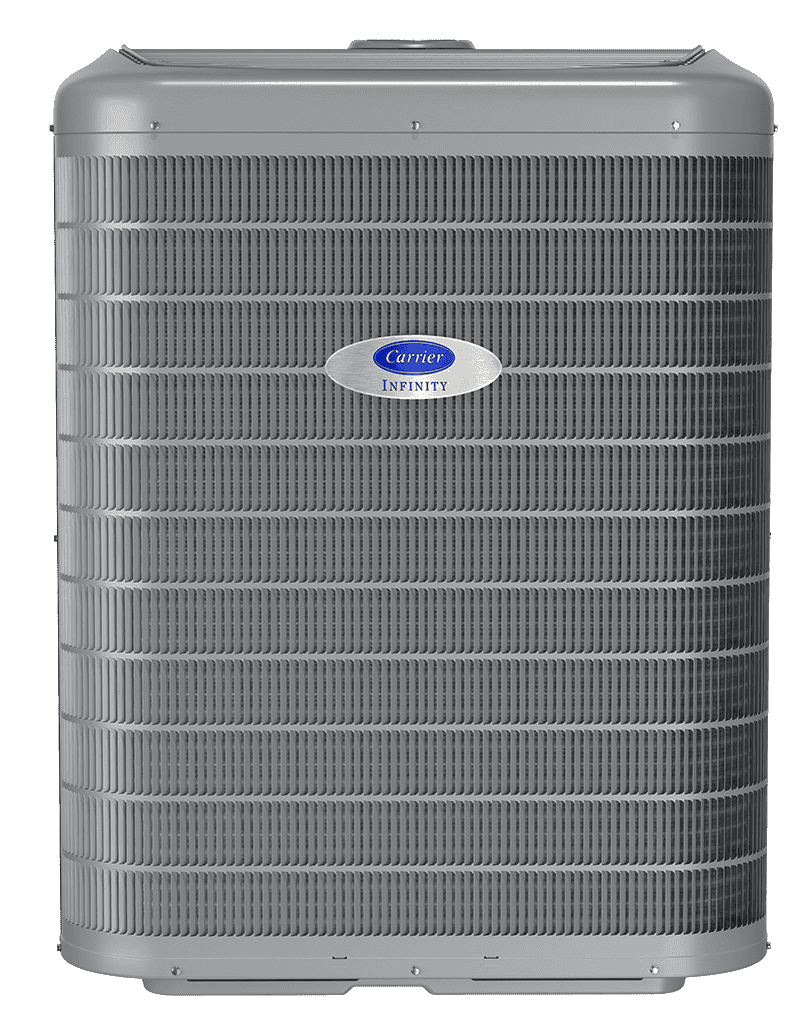
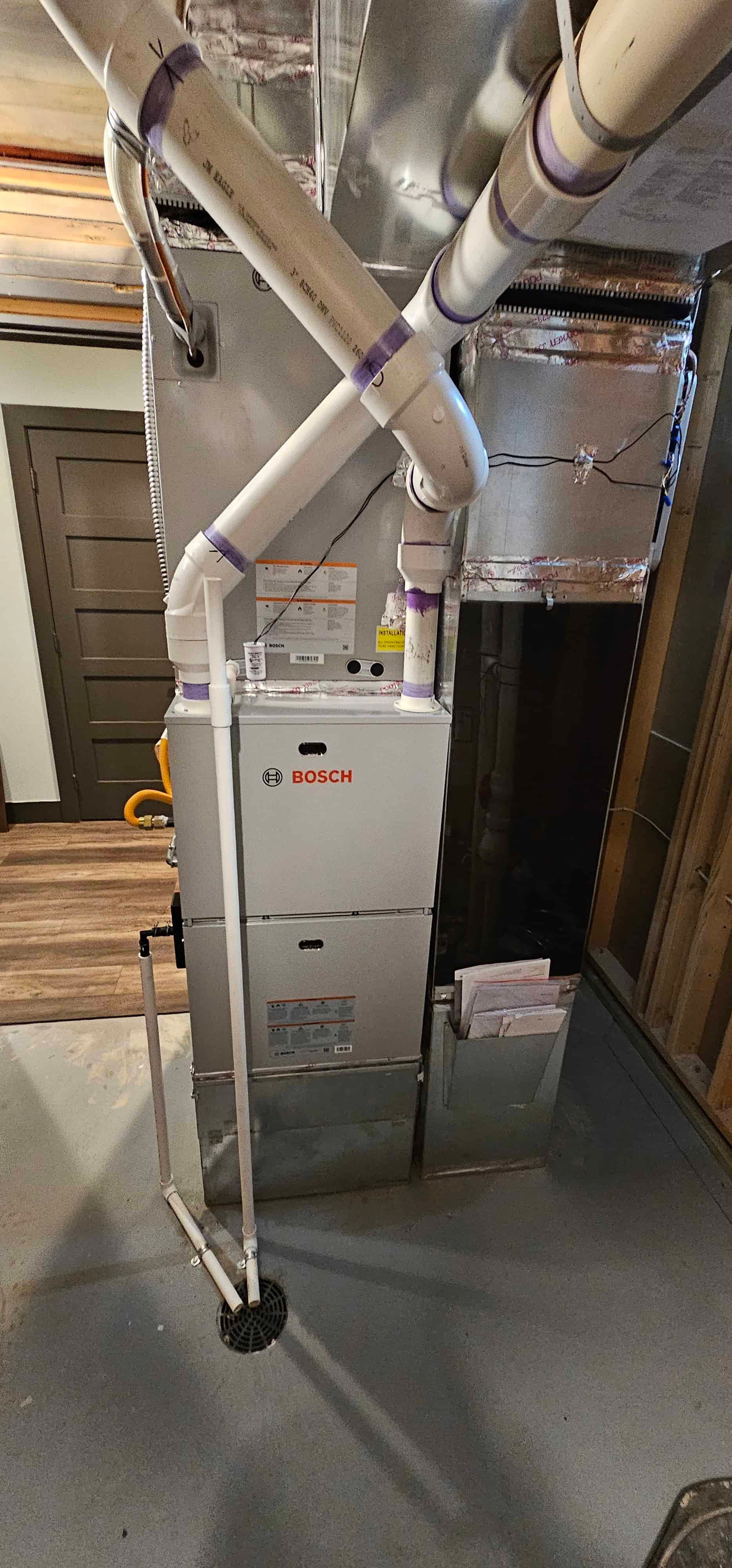
The worry customers bring us, often after a Reddit session, is short cycling: the oversized unit that blasts, shuts off, and never dehumidifies. That was a real problem, for single-stage equipment. A variable-speed heat pump modulates; a Carrier Infinity runs anywhere between 30 and 100% of capacity, and Bosch trims output in 1% steps. A "big" modulating unit spends its summer loafing at the bottom of its range, which is exactly how it's designed to run.
The honest version of the concern survives in one narrow form: every inverter has a minimum output, and the unit's floor should sit below your mild-day load. That is a line item in a load calculation, not a reason to size a Colorado heat pump for cooling.
The ductwork objection, and when it gets tested
Ductwork can constrain a bigger system on older Denver homes, but here is the part the scary quotes leave out: you cannot really know until the system runs. We test static pressure at commissioning, not at the estimate, because that is when there is a running system to measure. Airflow is adjustable on variable-speed equipment, and duct modifications are a wait-and-see item: if the installed system shows a real restriction, you address it then, with data.
Which is why a bidder prescribing duct surgery on their first visit, often as a priced "airflow package," is usually performing expertise rather than diagnosing. They have measured nothing; there is nothing running to measure. Treat mandatory duct work on an estimate as a sales tactic until someone shows you a static pressure reading from your actual system.
How to referee your quote pile
- Ask each bidder
- "Show me the heating load calculation behind this tonnage."
- What the answer tells you
- Separates measurement from guessing. "We've done hundreds of homes like yours" is not a calculation.
- Ask each bidder
- "What heating design temperature did you use?"
- What the answer tells you
- Should be around 5°F for Denver, colder in the foothills. Milder assumptions undersize the system.
- Ask each bidder
- "Did you size for heating or cooling?"
- What the answer tells you
- "Cooling" is the wrong answer for a Colorado heat pump, per Xcel's own requirements.
- Ask each bidder
- "When do you test airflow and static pressure?"
- What the answer tells you
- The right answer is at commissioning, on the running system, with adjustments included. Duct surgery priced on a first visit was measured against nothing.
You don't need to size your own system. You only need to spot which bidders did the work; the ones who did will happily show it. For worked examples, see our Denver bungalow example and the Xcel sizing guide.

Want a size you can defend?
Every UniColorado quote is backed by a heating load calculation we show you, sized to Xcel's requirements.