










The "Ton Per 500 Square Feet" Rule Is Wrong
You'll find this everywhere online: divide your square footage by 500 to get tonnage. A 1,500 sq ft home needs 3 tons. Simple.
It's also wrong about 30-50% of the time.
This rule was designed for cooling load in moderate climates. It doesn't account for:
What the Rule of Thumb Misses
- Colorado's heating-dominated climate. We need way more heating than cooling, and most short-cut formulas were built around cooling.
- Old vs. new construction. A 1920s bungalow with original windows loses heat completely differently than one that's been weatherized.
- Insulation levels. Many Denver bungalows still have zero wall insulation in the original balloon-framed cavities.
- Air leakage. Old homes are drafty. New air sealing can change required capacity by a ton or more.
The Massachusetts Clean Energy Center studied this. On average, the BTU-per-square-foot rule of thumb oversized heat pumps by 31,000 BTUs. That's nearly 2.5 tons of error.
For Denver bungalows, we often see the opposite problem: the rule undersizes systems because it doesn't account for the heating load in a cold climate.
Why Bungalows Are Especially Tricky
Denver bungalows (typically built 1900-1930) have specific characteristics that make sizing harder than a newer home.
Original condition
- Single-pane windows. Huge heat loss, often 2-3× more than modern windows.
- No wall insulation. Balloon framing with empty cavities.
- Minimal attic insulation. Maybe R-11 if you're lucky.
- Drafty everything. Original doors, gaps around windows, unsealed penetrations.
A 1,500 sq ft bungalow in original condition might need 4+ tons to handle heating load at Denver's design temperature (-8°F to -10°F).
Updated condition
- Replacement windows. Double-pane, low-E.
- Blown-in wall insulation. R-13 to R-15.
- Attic insulation to R-49. Current code standard.
- Air sealing. Foam around penetrations, weatherstripped doors.
The same 1,500 sq ft bungalow, fully updated, might need only 2.5 tons.
Same house. Same square footage. 60% difference in required capacity. This is why heat pump sizing for older homes is less about the year on the deed and more about what's happened to the envelope since.
What Actually Determines Your Heat Pump Size
A proper ACCA Manual J load calculation considers the factors below. Square footage is the starting point, not the answer.
- Factor
- Square footage
- Why It Matters
- Starting point only, not the finish line
- Factor
- Ceiling height
- Why It Matters
- Bungalows often have 9-10 ft ceilings, which means more air volume to condition
- Factor
- Window area and type
- Why It Matters
- Original single-pane vs. replacement, and which direction they face
- Factor
- Wall insulation R-value
- Why It Matters
- R-0 (empty cavities) vs R-13 vs R-15 changes the load substantially
- Factor
- Attic insulation R-value
- Why It Matters
- R-11 vs R-38 vs R-49 is a meaningful difference
- Factor
- Air leakage rate
- Why It Matters
- Measured in ACH50 via a blower door test
- Factor
- Basement / crawlspace
- Why It Matters
- Conditioned? Insulated? A partial-story is a different load than unfinished
- Factor
- Design temperature
- Why It Matters
- Denver uses -8°F to -10°F (ASHRAE 99.6% design condition)
The calculation produces two numbers: heating load (BTUs needed on the coldest night) and cooling load (BTUs needed on the hottest day).
In Colorado, you size for heating load. Cooling is easy here. Heating is the challenge.
Realistic Sizing Ranges for Denver Bungalows
Based on Manual J principles and the typical Denver bungalow we see, here's what tends to land, sized for heating load, not cooling.
1,200-1,400 sq ft
- Condition
- Original (poor insulation, old windows)
- Typical Size
- 3-3.5 tons
- Condition
- Partially updated
- Typical Size
- 2.5-3 tons
- Condition
- Fully updated (insulation, windows, air sealing)
- Typical Size
- 2-2.5 tons
1,400-1,600 sq ft
- Condition
- Original
- Typical Size
- 3.5-4 tons
- Condition
- Partially updated
- Typical Size
- 3-3.5 tons
- Condition
- Fully updated
- Typical Size
- 2.5-3 tons
1,600-1,800 sq ft
- Condition
- Original
- Typical Size
- 4-4.5 tons
- Condition
- Partially updated
- Typical Size
- 3.5-4 tons
- Condition
- Fully updated
- Typical Size
- 3-3.5 tons
These are estimates. Your actual load could sit outside these bands depending on the specific envelope, window area, orientation, and air tightness. Only a Manual J calculation gives you the real answer.
What Does the Nameplate Say?
When you look at a heat pump, the nameplate shows a tonnage rating. But here's the thing: nameplate ratings are for contractors, not homeowners.
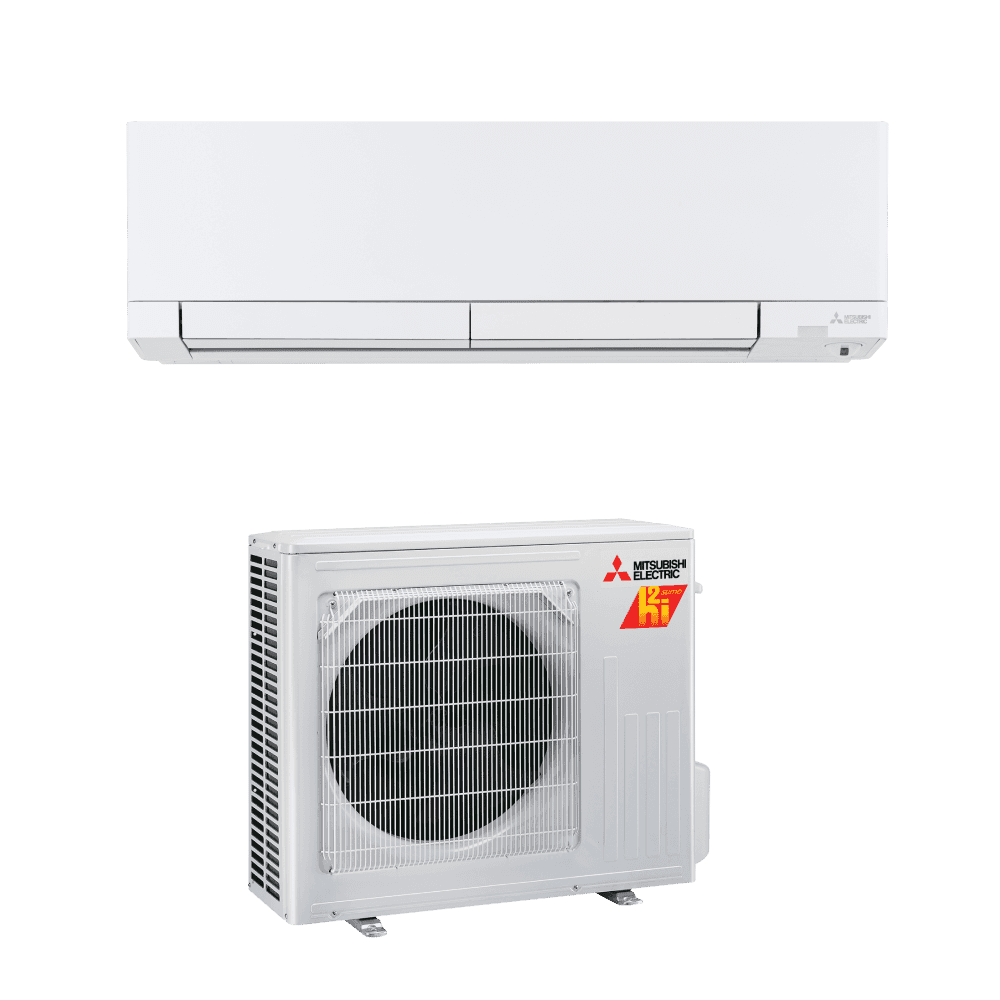
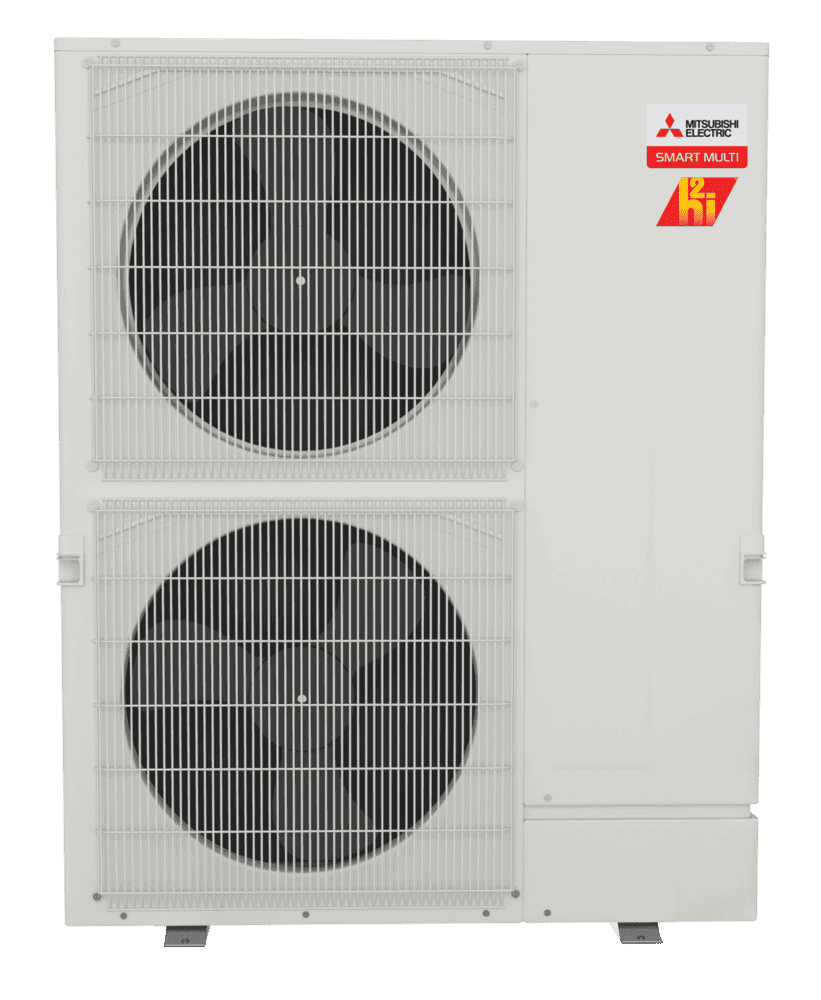
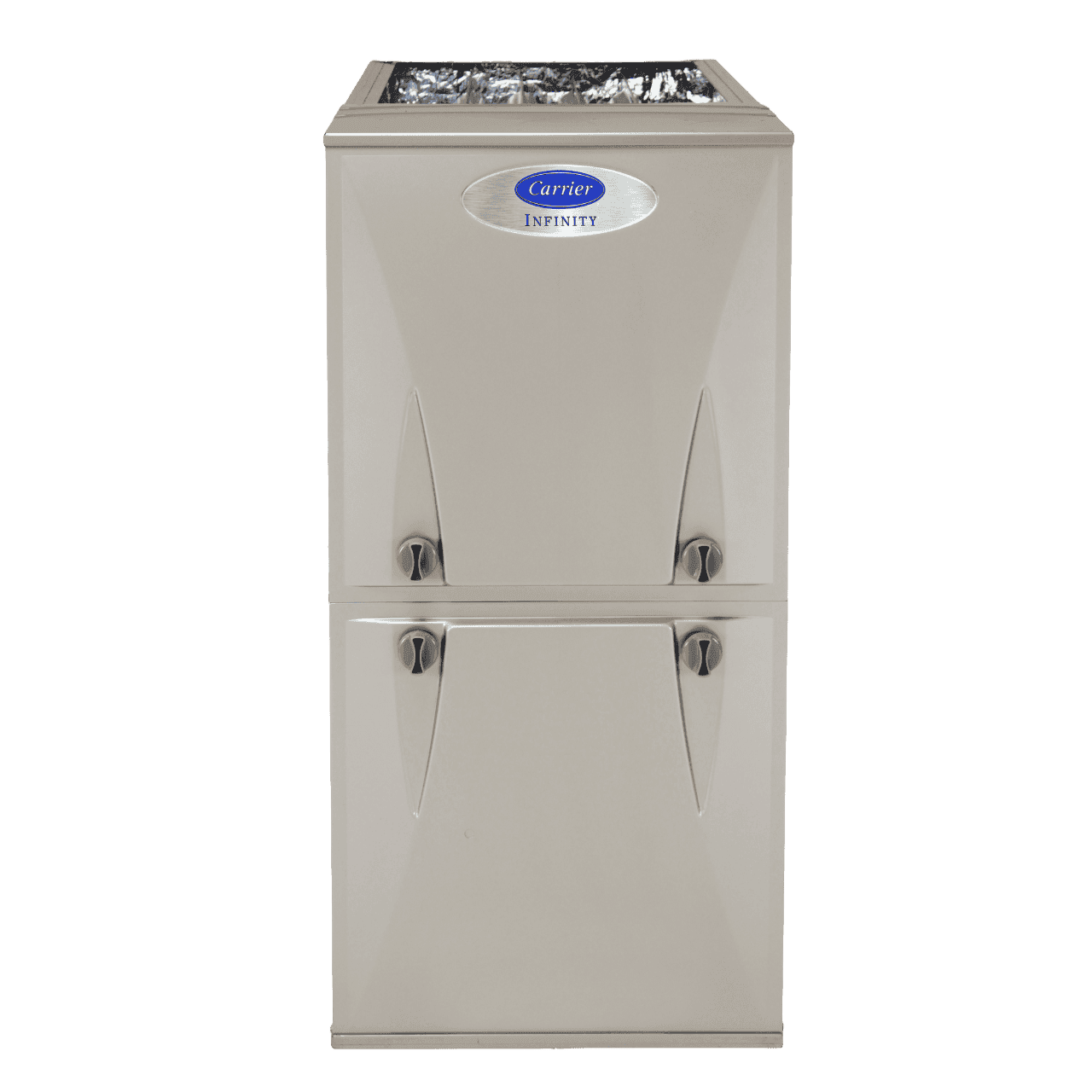
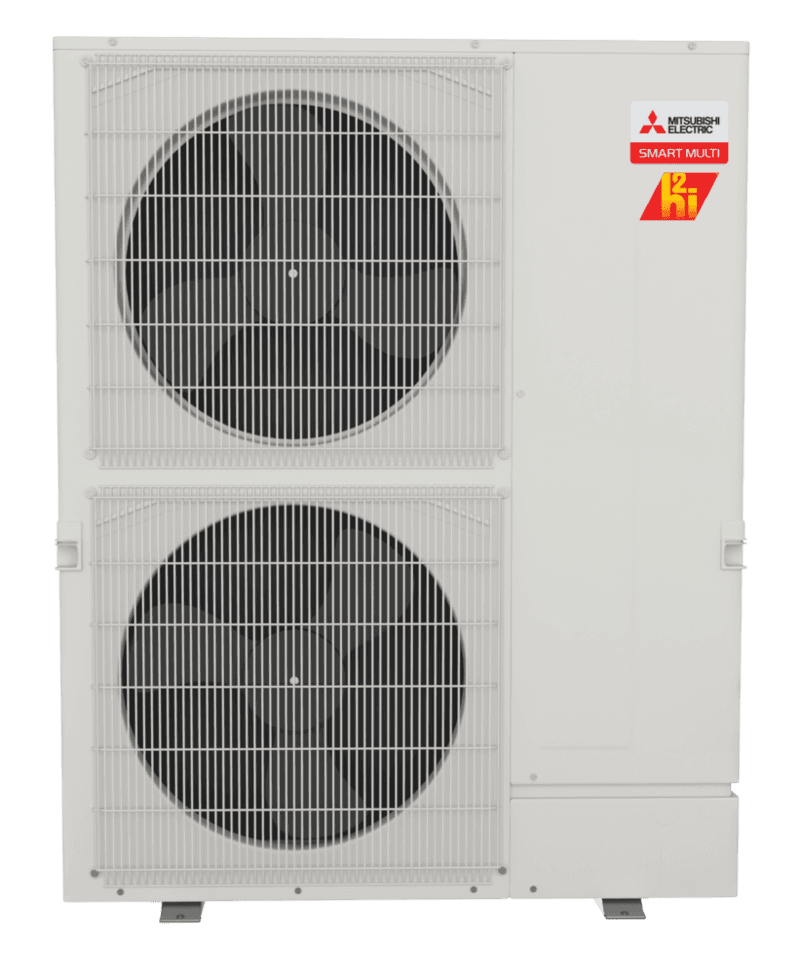
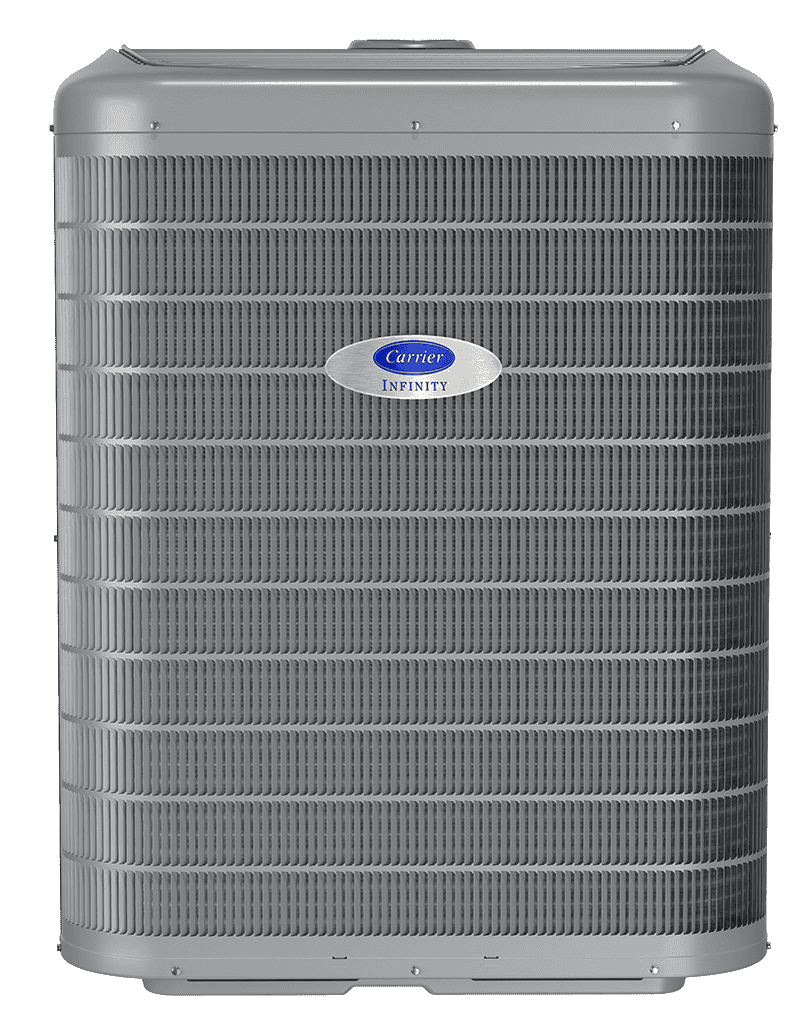
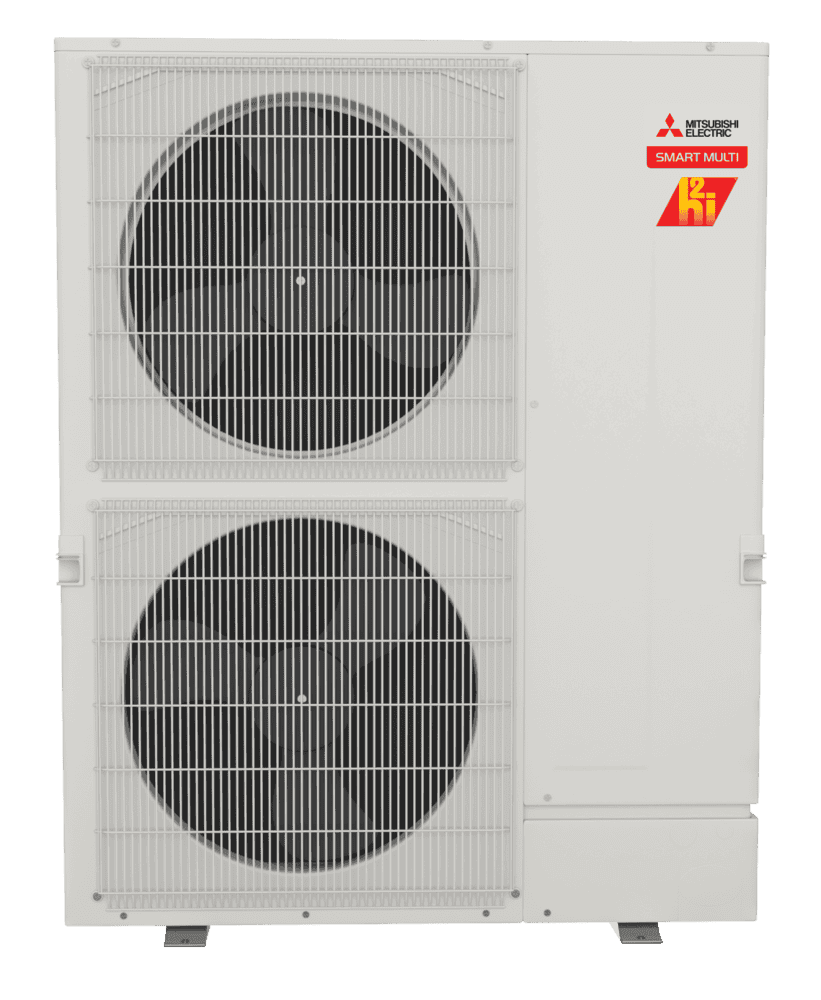
Variable-capacity systems (Mitsubishi Hyper-Heat, Carrier Infinity, Bosch IDS Ultra) are rated under specific test conditions that don't match real-world operation. A “5-ton” variable system might run at 2 tons most of the time and only hit 5 tons on the coldest nights.
This is normal. This is how the technology works. You don't need to understand the nameplate, your contractor does. What matters is that the system's heating capacity at your design temperature meets your heating load from Manual J.
If Your Contractor Lets You Pick the Size, Run
This is the biggest red flag in HVAC.
A proper installation process
- Contractor measures your house
- Contractor enters data into Manual J software (Wrightsoft, CoolCalc, etc.)
- Software calculates your heating and cooling loads
- Contractor selects equipment that meets the heating load at design temp
- Contractor shows you the documentation
An improper process
- Contractor asks what size you want
- Or offers “options” at different tonnages without engineering to back them up
- Or sizes based on what the old system was
- Or uses a “rule of thumb”
If you're picking the size, who did the engineering? Nobody. You're guessing. You'll either get an undersized system that can't heat your house in January, or an oversized system that short-cycles (if it's single-stage), or one that simply costs more than it needed to.
Why Sizing for Heating Matters in Colorado
Traditional HVAC sizing focused on cooling. Size the system for the hottest summer day, and heating will be fine. That logic fails in Colorado.
Our heating demand far exceeds cooling demand. Size for cooling and you get a system that maxes out in December while your backup heat does the heavy lifting.
Xcel's Quality Installation guidance is explicit:
“Inverter driven/variable speed heat pumps: Size for heating load. No oversizing penalty.”
This is the correct approach. A heat pump sized for heating load:
- Handles Colorado winters without leaning constantly on backup heat
- Gives you flexibility as energy prices and incentives change
- Qualifies for Xcel rebates tied to Quality Installation requirements
- Actually performs like a heat pump should
Full breakdown in our dedicated guide to Xcel's sizing requirements.
What About "Oversizing" Concerns?
You might hear contractors warn against oversizing: that bigger systems short-cycle and wear out faster.
This is true for single-stage equipment. A single-stage system only has two modes: full blast or off. Oversized single-stage equipment cycles on and off rapidly, which is inefficient and hard on components.
Variable-speed systems are different. They modulate from roughly 20% to 100% capacity. On a mild day, a 4-ton variable system runs at 1-1.5 tons. It doesn't cycle on and off, it just runs slower.
That's why Xcel says “no oversizing penalty” for variable-speed equipment. The technology handles it.
If someone warns you about oversizing while quoting a smaller variable-speed system, they either don't understand the technology or they're justifying a cheaper installation.
Questions to Ask Your Contractor
Before signing anything:
- “Are you running a Manual J calculation?”
Answer should be yes, with actual software (Wrightsoft, CoolCalc, etc.). - “Are you sizing for heating load or cooling load?”
In Colorado, heating load is correct for cold-climate heat pumps. - “What design temperature are you using?”
Should be around -8°F to -10°F for Denver (ASHRAE 99.6% conditions). - “Can I see the load calculation?”
They should produce an actual document with inputs and outputs. - “What's the heating capacity at 5°F?”
For cold-climate designation, should be at least 70% of rated capacity at 47°F.
If they can't answer these questions, or if they're letting you pick between sizes, you're not getting a properly engineered system.
The bottom line
Your Denver bungalow probably needs somewhere between 2.5 and 4 tons, depending on how well insulated it is. Square footage won't tell you which end of that range you're on. The only way to know is a Manual J load calculation performed by a contractor who sizes for heating load, uses Colorado's actual design temperatures, documents everything, and tells you what you need instead of asking what you want.
UniColorado has been doing this since 2014, and we run Manual J on every installation. We size for heating because that's what Colorado requires and what your house actually needs. If your bungalow needs 3.5 tons, we install 3.5 tons. Not what the old system was. Not what's cheapest. Not what you “think” you need.

Get a Real Load Calculation
Free estimate with a Manual J calculation on every installation. Honest sizing, no pressure.