









Which one we recommend
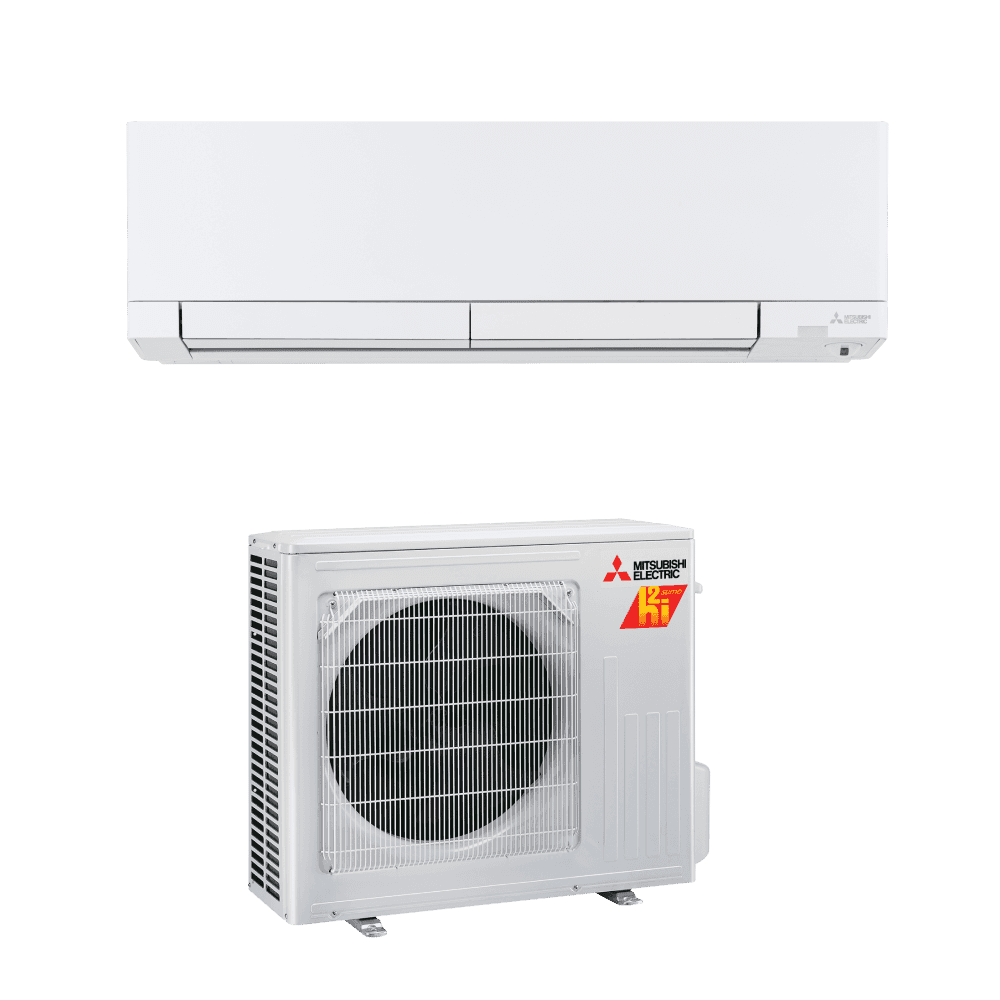
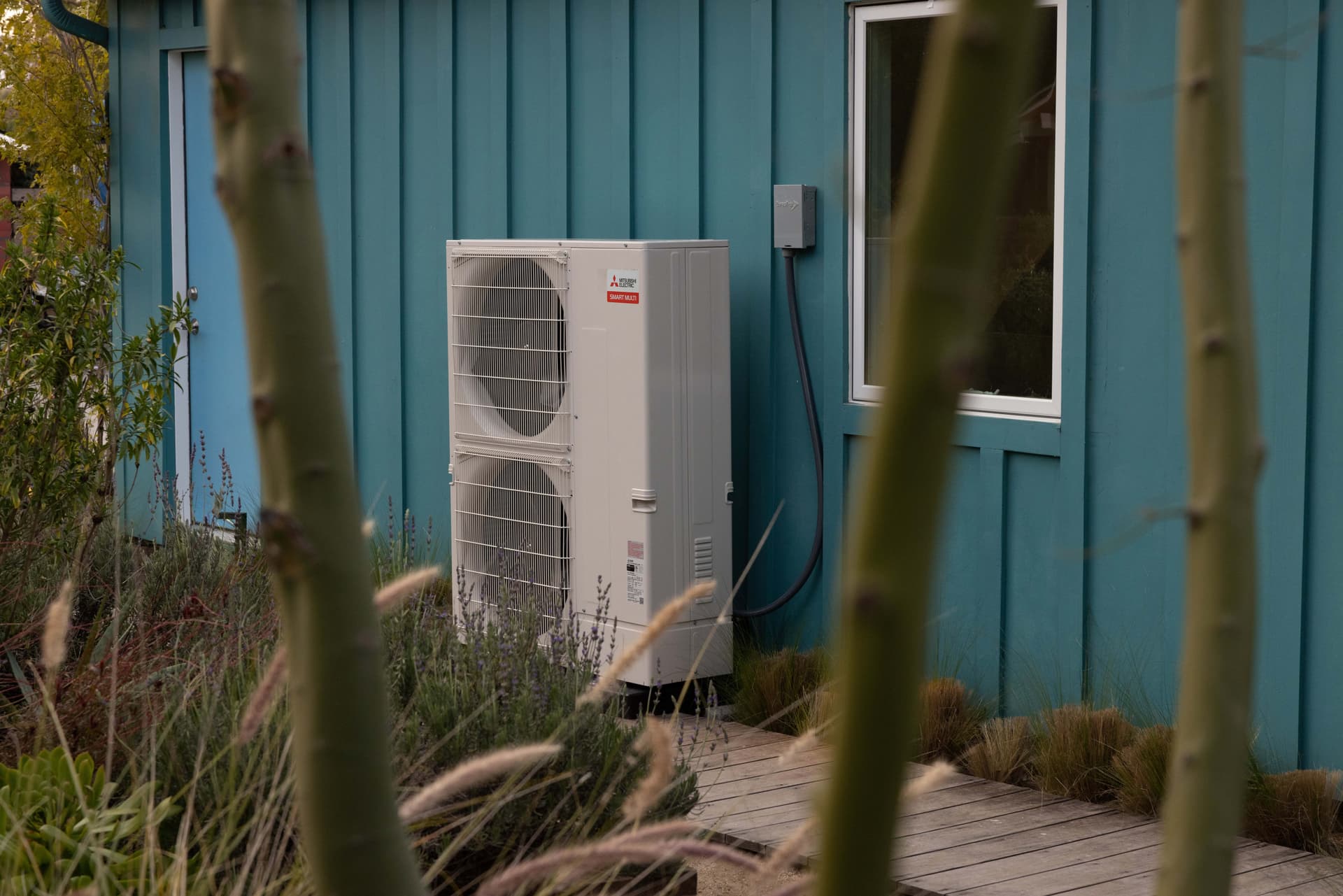
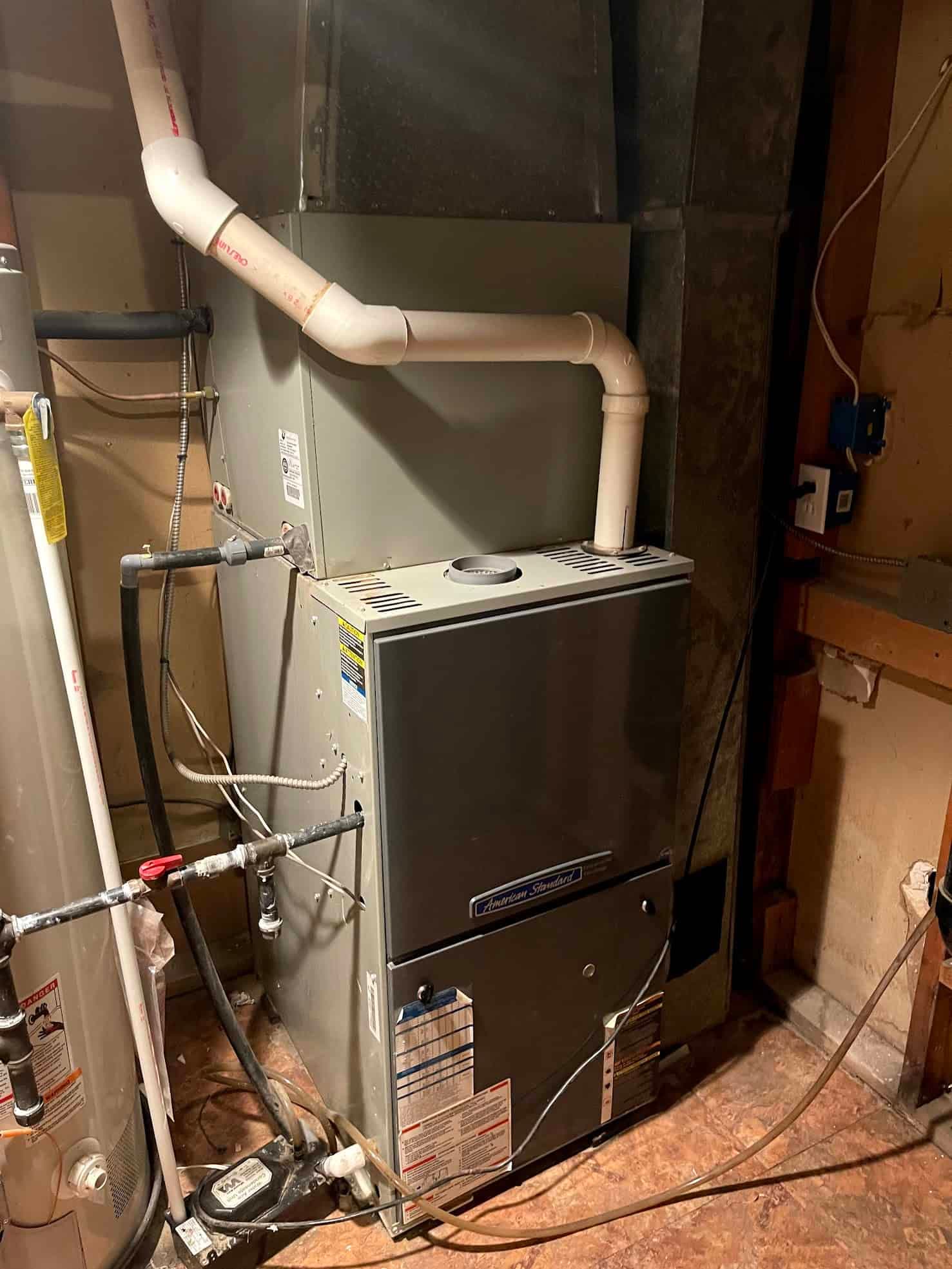
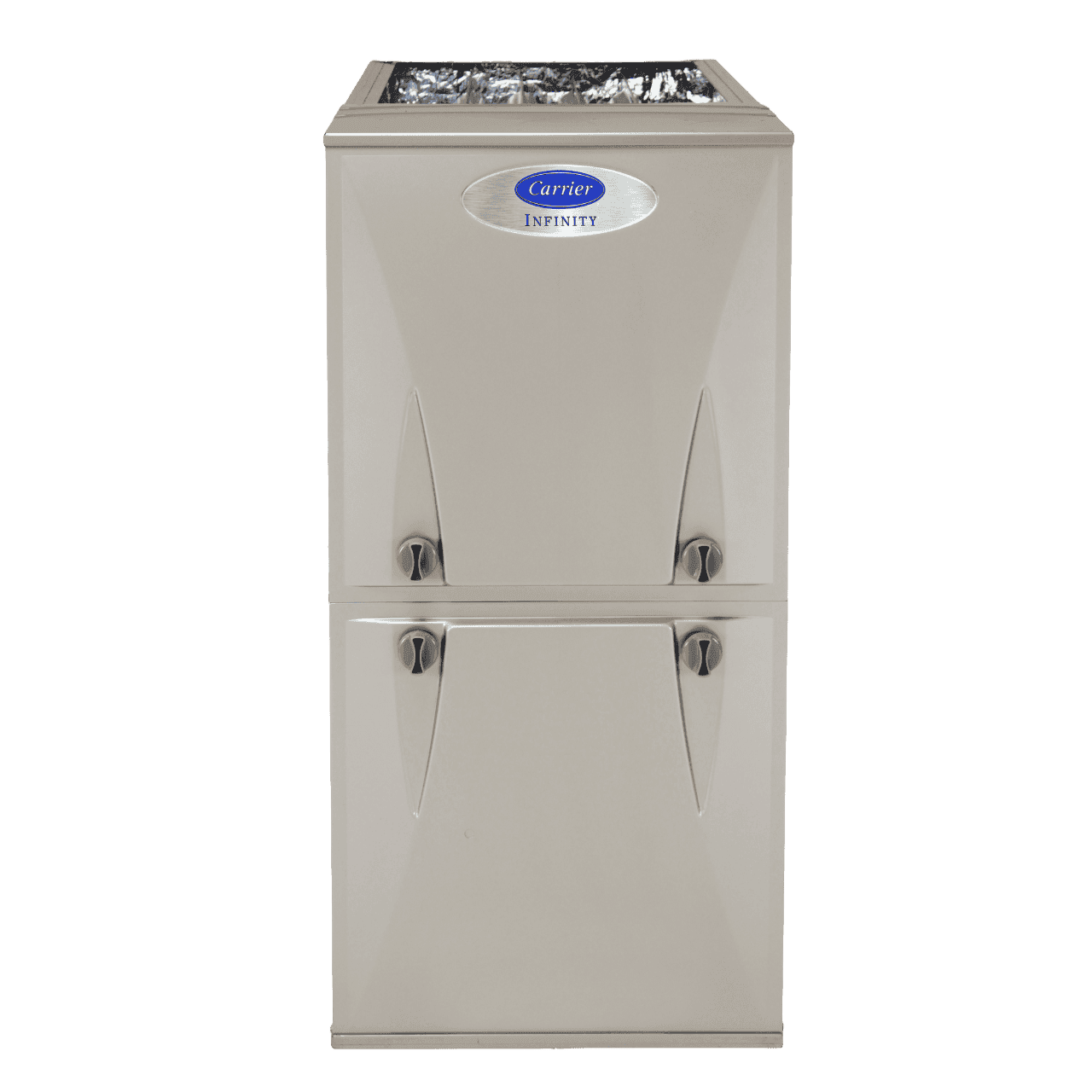
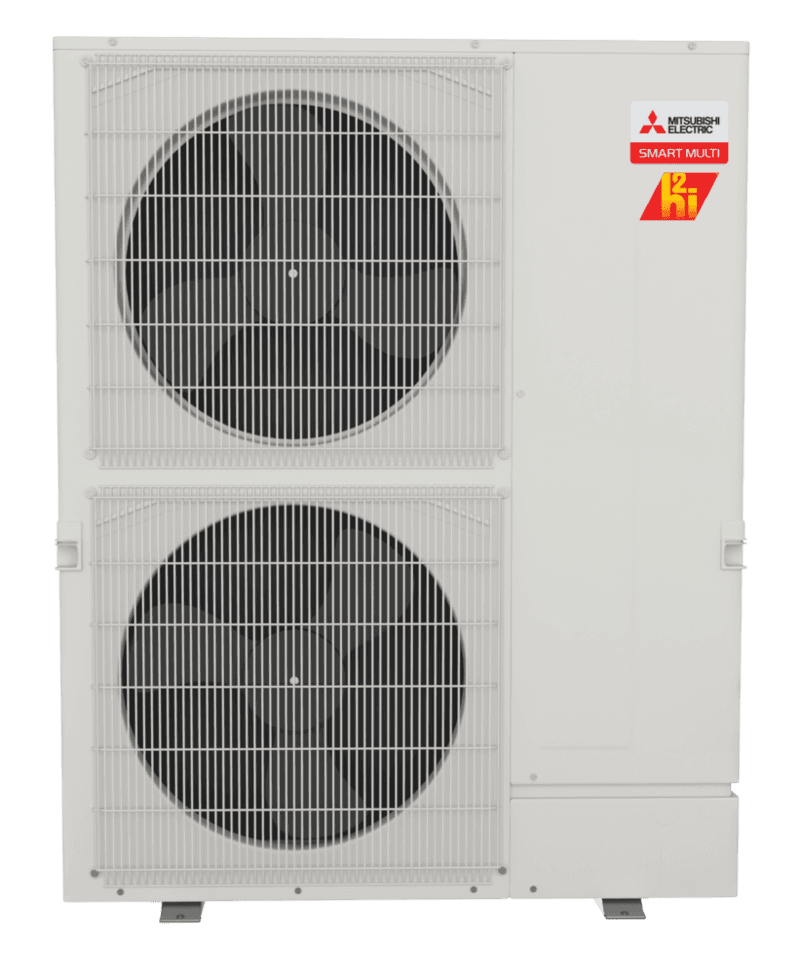
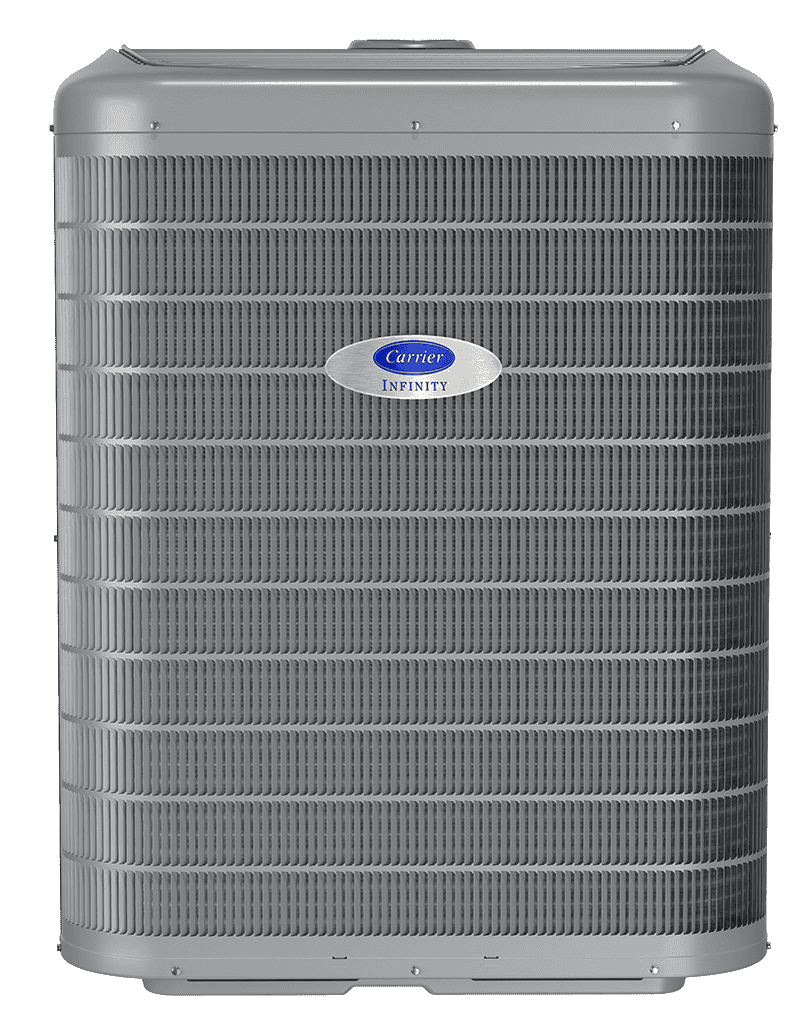
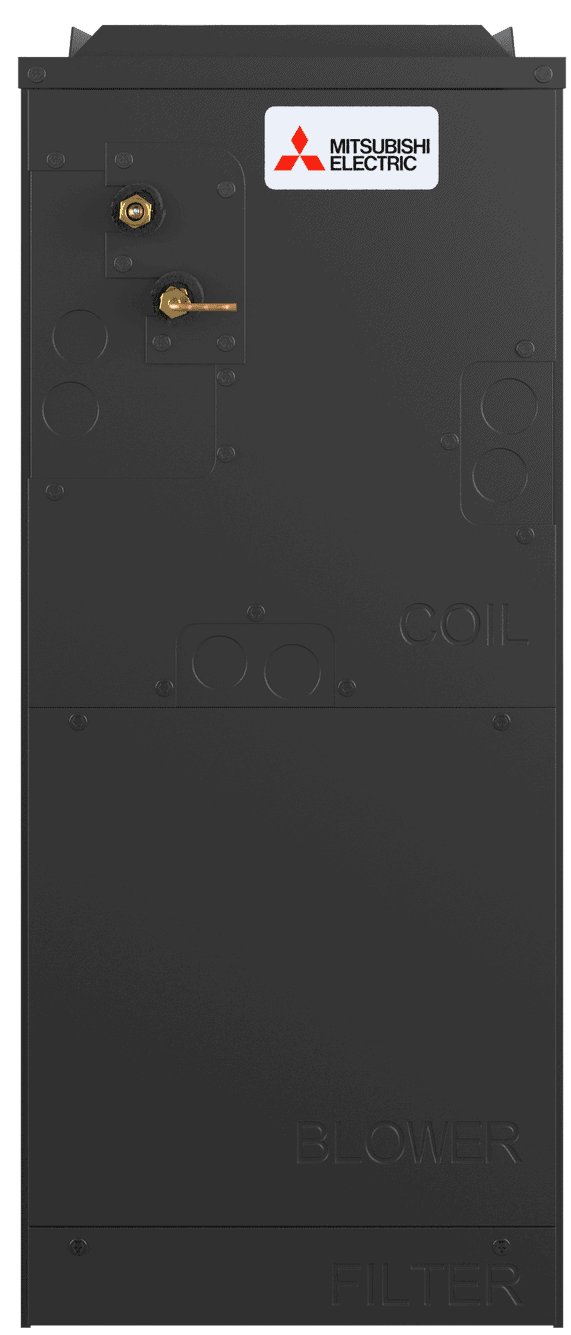
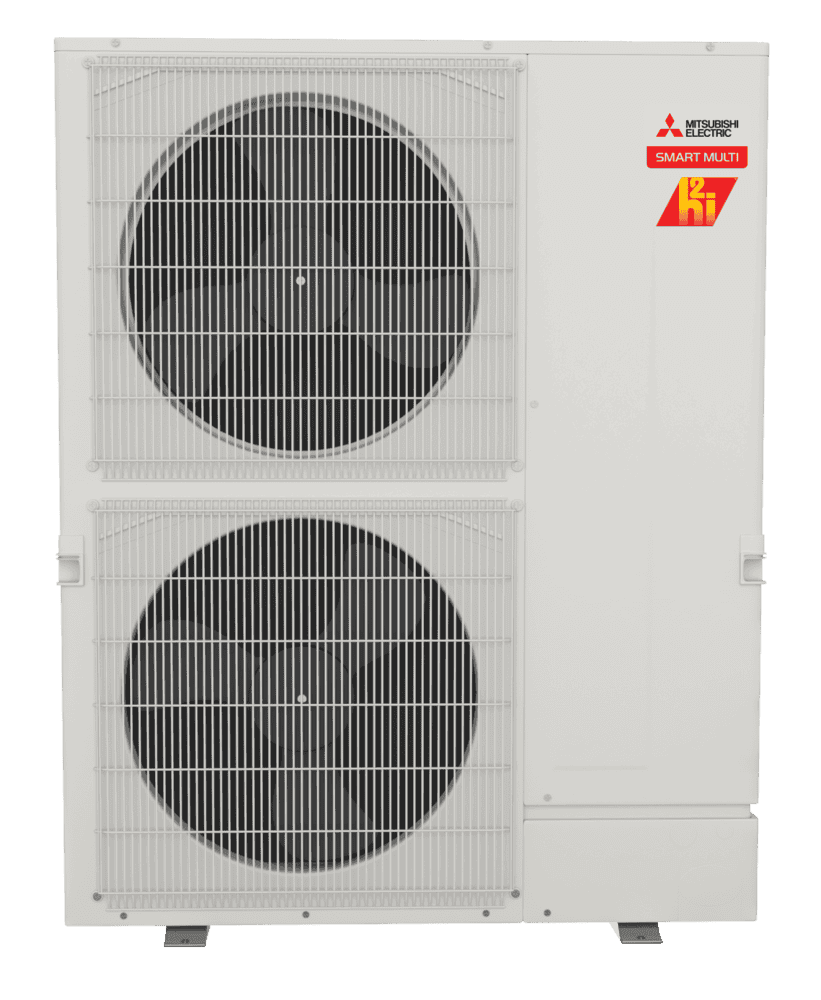
For most Denver homes: both. A heat pump with a gas furnace behind it, called dual fuel or a combination system, is what we install most. The heat pump heats on mild days and cools all summer. The furnace backs it up, and the thermostat hands heat to it below a temperature you can set.
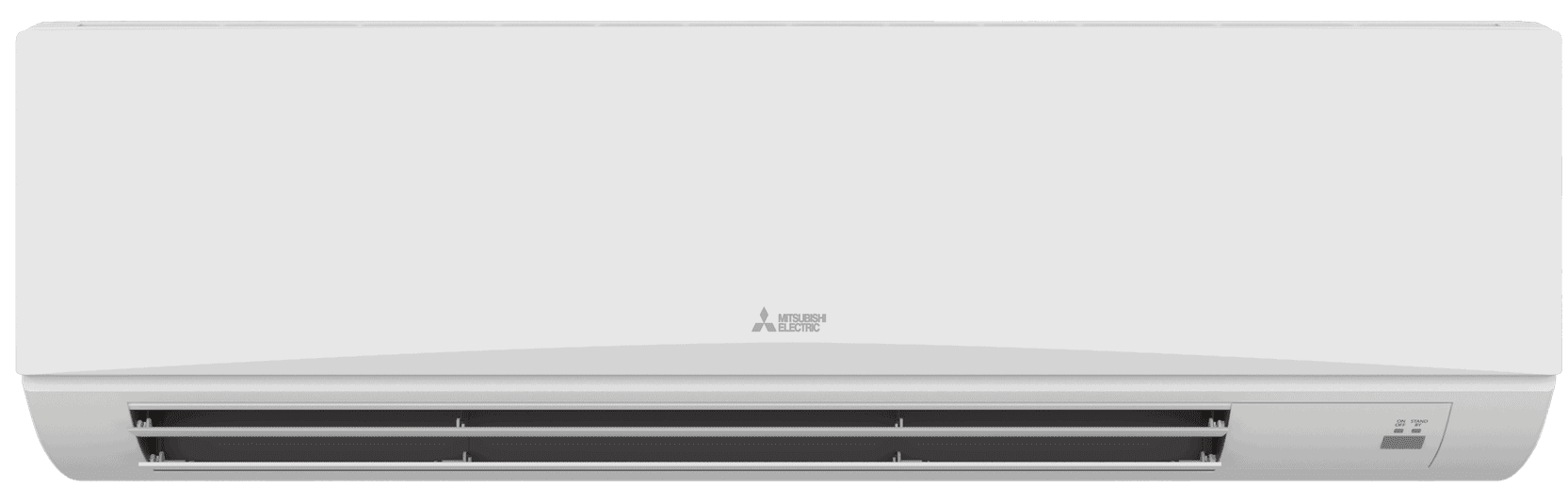
All-electric, a heat pump with an air handler and no gas, fits homes with the panel capacity and a tight enough envelope. A furnace on its own is the right call only when the rebates don't apply to your home.
One thing to know up front: at Xcel's October 2026 rates, gas heat costs the same or less than heat pump heat at every outdoor temperature. A heat pump won't lower your winter heating bill in a gas home. The reasons to get one are below.
What each option costs to buy
- Option
- Furnace + AC (no heat pump)
- Installed, before rebates
- $12,800 - $16,200
- After rebates
- Same; no rebates
- Option
- Heat pump added to your existing furnace
- Installed, before rebates
- $17,500 - $24,000
- After rebates
- $10,500 - $14,000
- Option
- Combination: heat pump + new furnace
- Installed, before rebates
- $21,000 - $28,000
- After rebates
- About $14,800 - $18,200
A heat pump replaces the AC, so the fair comparison is furnace + AC against a heat pump setup. After rebates, adding a heat pump to a furnace that still has life in it costs less than a new furnace and AC. Replacing everything with a combination system lands near the top of the furnace + AC range, or a little above it, once the rebates come off. Full breakdowns are on our HVAC replacement cost and heat pump cost pages.
Cost to run: the energy basics
Natural gas is measured in therms. One therm contains about 100,000 BTU of energy.
Electricity is measured in kilowatt-hours (kWh). One kWh contains about 3,412 BTU of energy.
So 1 therm of gas contains roughly 29 times more energy than 1 kWh of electricity.
If gas and electricity cost the same per unit, gas would win easily. But they don't, and efficiency changes everything.
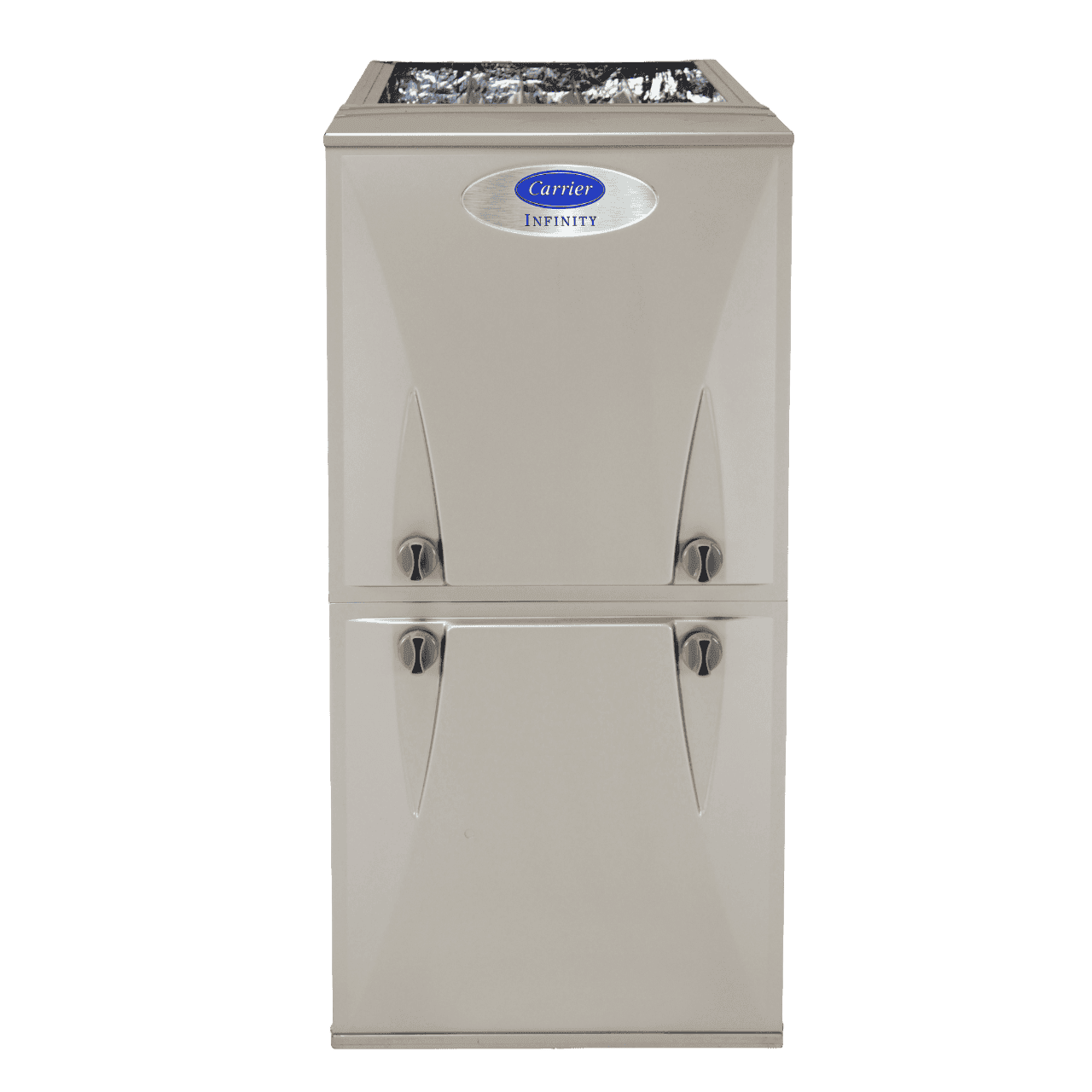
Efficiency Changes the Math
A gas furnace can't convert 100% of gas into heat. Some goes up the flue.
AFUE (Annual Fuel Utilization Efficiency) measures furnace efficiency:
- 80% AFUE furnace: 1 therm = 80,000 BTU delivered
- 95% AFUE furnace: 1 therm = 95,000 BTU delivered
Heat pumps don't create heat. They move it from outside to inside. This lets them deliver more heat energy than the electricity they consume.
COP (Coefficient of Performance) measures heat pump efficiency:
- COP 2.0: 1 kWh = 6,824 BTU delivered (2x the energy input)
- COP 3.0: 1 kWh = 10,236 BTU delivered (3x the energy input)
- COP 4.0: 1 kWh = 13,648 BTU delivered (4x the energy input)
COP varies with outdoor temperature. Warmer = higher COP. Colder = lower COP.
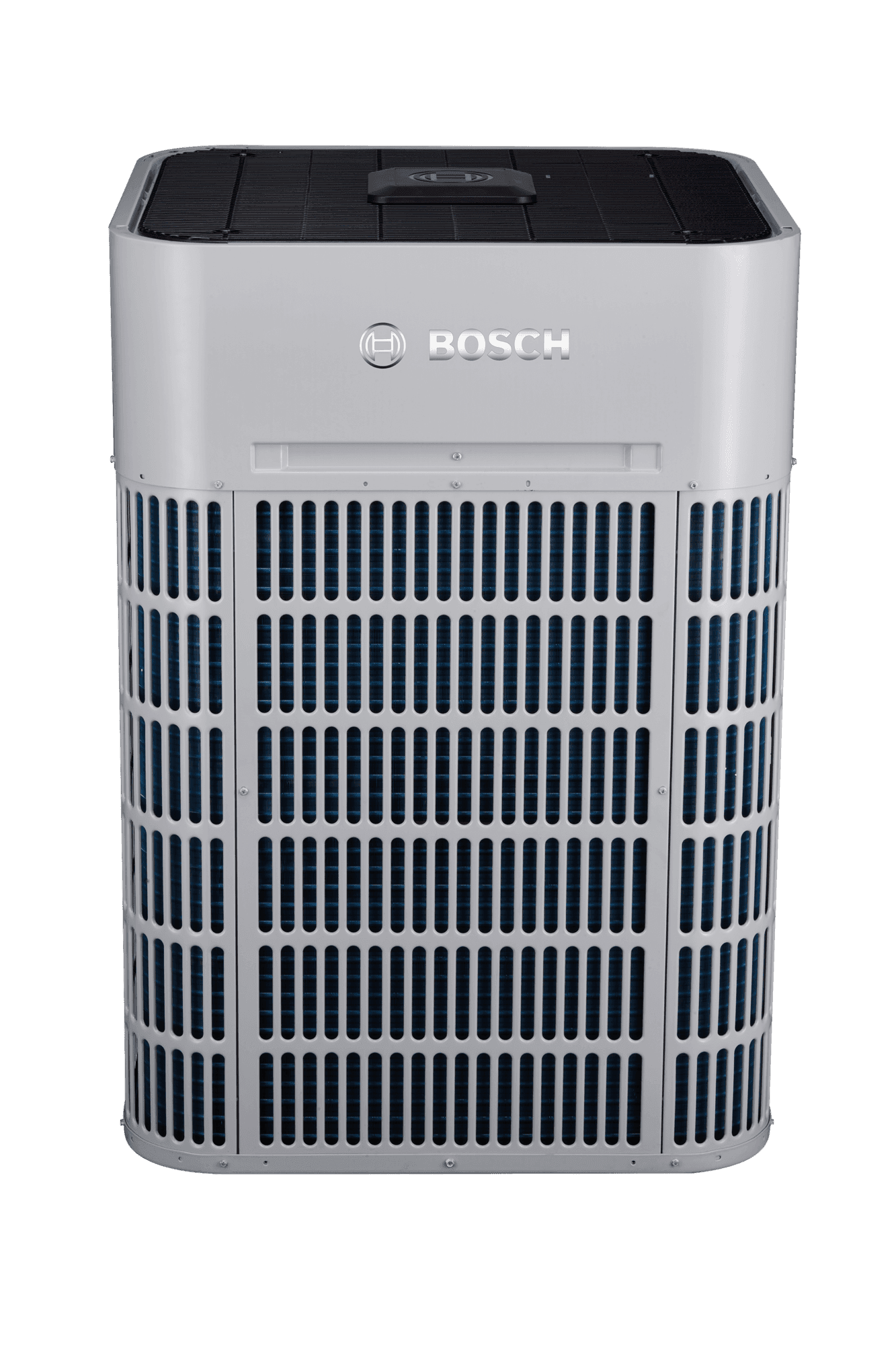
What 100,000 BTU of heat costs on Xcel's October 2026 rates
These are Xcel's all-in rates (riders included, city fees and taxes not) from its Colorado rate summaries: gas at $0.8782 per therm, effective October 6, 2026, and the default RE-TOU electric rate at 12.59 cents per kWh off-peak and 31.43 cents on-peak in winter, effective October 1, 2026. On-peak is 5 to 9 pm on weekdays.
- System
- Gas furnace
- Efficiency
- 95% AFUE
- Cost for 100,000 BTU
- $0.92
- System
- Heat pump, off-peak
- Efficiency
- COP 4.0
- Cost for 100,000 BTU
- $0.92
- System
- Heat pump, off-peak
- Efficiency
- COP 3.0
- Cost for 100,000 BTU
- $1.23
- System
- Heat pump, off-peak
- Efficiency
- COP 2.5
- Cost for 100,000 BTU
- $1.48
- System
- Heat pump, off-peak
- Efficiency
- COP 2.0
- Cost for 100,000 BTU
- $1.84
- System
- Heat pump, on-peak
- Efficiency
- COP 3.0
- Cost for 100,000 BTU
- $3.07
The heat pump only ties the furnace at COP 4, on off-peak power, on the mildest heating days. Everywhere else gas costs less. On the flat R-OO rate (15.49 cents in winter) the heat pump costs more at every COP.
What COP Do You Actually Get in Colorado?
This is the key question, and it depends on temperature.
Modern cold climate heat pumps (Mitsubishi, Bosch, etc.) typically deliver:
- Outdoor Temp
- 47 degrees F
- Typical COP
- 3.5 - 4.5
- Outdoor Temp
- 32 degrees F
- Typical COP
- 2.8 - 3.5
- Outdoor Temp
- 17 degrees F
- Typical COP
- 2.2 - 2.8
- Outdoor Temp
- 5 degrees F
- Typical COP
- 1.8 - 2.3
- Outdoor Temp
- -5 degrees F
- Typical COP
- 1.5 - 2.0
Put that next to the table above: even at 47 degrees F, where a cold climate heat pump runs near COP 4, it only matches gas on off-peak power. Below that, gas is cheaper, and the gap grows as it gets colder.
In Denver, average winter temperatures are:
- December: 37 degrees F high / 18 degrees F low
- January: 43 degrees F high / 18 degrees F low
- February: 44 degrees F high / 20 degrees F low
Most of your heating hours are in the 20 to 45 degrees F range, where a cold climate heat pump runs at COP 2.5 to 4. That's plenty to heat the house. It just doesn't heat it for less than gas at today's rates.
Cold Climate Heat Pump Efficiency in Colorado Winters
A common concern: "Do heat pumps really work when it gets cold in Denver?"
Yes. Modern cold climate heat pumps with HSPF ratings of 10 or higher are designed to operate down to -13 degrees F. During the 2022-2023 arctic blast that hit Colorado, heat pumps across the Front Range held their own.
The key is proper sizing. An undersized heat pump will struggle and rely on expensive electric resistance backup. A correctly sized cold climate unit maintains efficiency even when temperatures drop into single digits.
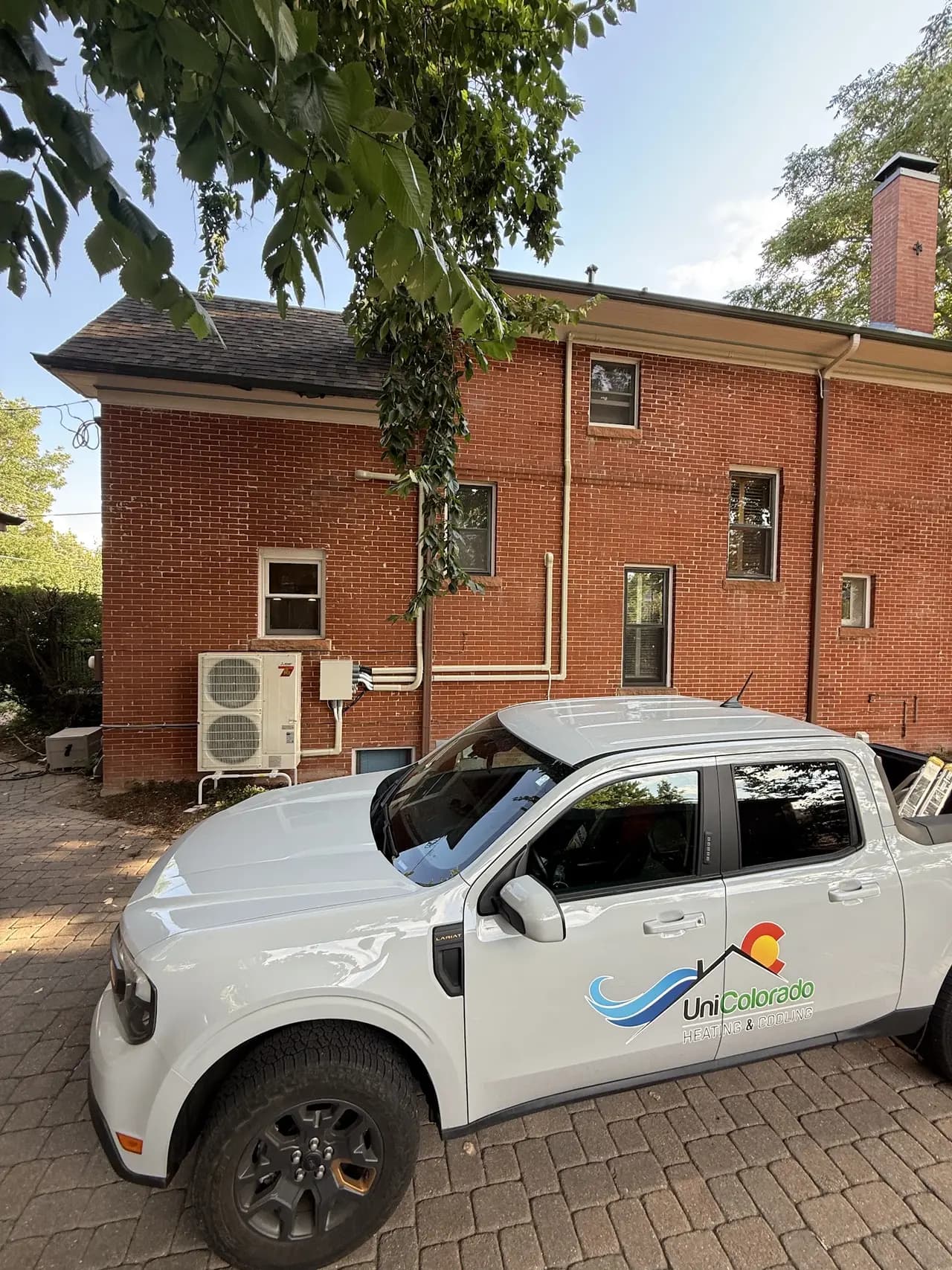
At UniColorado, we've installed hundreds of these systems across the Denver metro. They work. The spec sheets match what we see in the field.
Try switchover settings with your rates
Enter the gas and electric rates from your own Xcel bill to see how a changeover setting plays out for your house. Use the all-in numbers on the bill, not just the energy charge.
Operating Cost Comparison
Try Switchover Settings With Your Rates
Heat pump COP curves by outdoor temperature. Edit the rates to match your bill.
Electric pricing mode
HP + gas backup
Have or planning solar?
BOVA-60MTB-M19E · 80% AFUE furnace · 2,000 sq ft · $0.88/therm · $0.155/kWh
| Outdoor Temp | COP | Heat Pump | Gas (80%) | Winner |
|---|---|---|---|---|
55-65°F 609 hrs | 4.0 | $1.15 | $1.10 | Gas wins |
45-55°F 850 hrs | 4.0 | $1.15 | $1.10 | Gas wins |
35-45°F 1,369 hrs | 3.7 | $1.23 | $1.10 | Gas wins |
25-35°F 1,090 hrs | 3.3 | $1.38 | $1.10 | Gas wins |
15-25°F 636 hrs | 2.9 | $1.55 | $1.10 | Gas wins |
5-15°F 154 hrs | 2.5 | $1.82 | $1.10 | Gas wins |
-10-5°F 70 hrs | 2.0 | $2.27 | $1.10 | Gas wins |
Below -10°F 4 hrs | 1.6 | $2.88 | $1.10 | Gas wins |
At $0.88/therm gas and $0.155/kWh electric, heat pump is cheaper when COP exceeds 4.1.
Actual costs depend on insulation, thermostat settings, and installation quality.
What this means for a Denver home
In a gas-heated home, a heat pump doesn't lower the winter heating bill at today's Xcel rates. A 95% furnace costs the same or less per unit of heat at every outdoor temperature.
So why dual fuel? Because you're replacing the AC anyway. The heat pump is the AC, it qualifies for the rebates that make a combination system cost close to furnace + AC, and it gives you a second way to heat. The thermostat hands heat to the furnace below a temperature we set with you, usually starting around 25 degrees F, and you can move it any time.
If you want the lowest possible gas bill this winter, keep the furnace doing the heating and use the heat pump for cooling. If gas prices rise or electric rates fall, you change one setting.
Why get a heat pump if gas is cheaper to heat with?
Cooling, the rebate-adjusted price, comfort, and the option to switch fuels:
- A hedge on gas prices. Colorado's Clean Heat Plan is pushing electrification. Gas rates may rise. A heat pump lets you shift heating to whichever fuel is cheaper that year. If your gas bill keeps climbing, a heat pump hedges against further increases.
- You get AC included. A heat pump provides cooling too. If you'd need AC anyway, the incremental cost for heating is much lower.
- Rebates reduce upfront cost. With the Xcel rebate and the Colorado state heat pump discount, a heat pump can cost similar to a furnace + AC combination.
- Comfort. A modulating heat pump runs long, low cycles instead of the on-off blasts of a single-stage furnace, so room temperature swings less.
- No combustion. No carbon monoxide risk, no gas leaks, no combustion byproducts in your home.
- You can switch later. If gas rates rise or electric rates fall, a dual fuel system moves more of the heating to the heat pump with one thermostat setting. A furnace-only home can't.
The Dual Fuel Option
If you want the best of both worlds:
Dual fuel (also called hybrid heating) pairs a heat pump with a gas furnace. The heat pump runs above a changeover setpoint and the furnace carries the load below it. The setpoint is a setting, not an equipment limit: cold climate heat pumps heat well below zero.
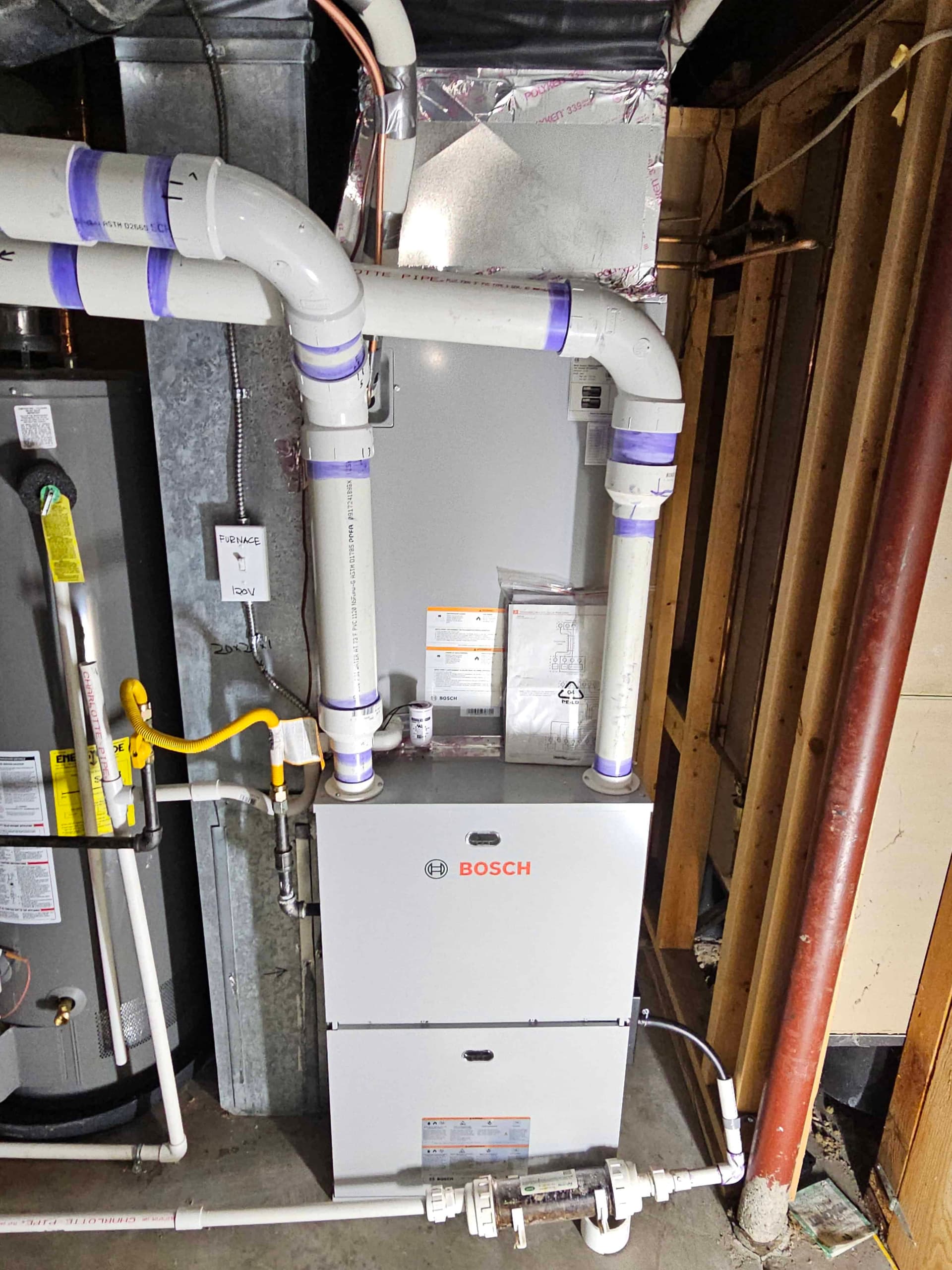
This gives you:
- Cooling all summer from the heat pump
- Two ways to heat, with gas as backup on the coldest days
- A changeover you can move as rates change
The system switches automatically based on outdoor temperature. We usually start the changeover around 25 degrees F and set it with you. Move it up if you want gas to do more of the heating, which costs less at October 2026 rates.
The downside: higher upfront cost (you're buying both systems). If your current furnace is racking up repair bills, replacing it alongside a heat pump in a dual fuel setup makes more sense than sinking more money into fixes.
Related Comparisons
The complete comparison
Which configuration fits your home
Will a heat pump spike my bill?
Which brands hold capacity below zero
$1,500/ton rebate to offset upfront cost
What a whole-home heat pump or furnace costs in 2026
What Should You Do?
Most Denver homes
→Heat pump + gas furnace
Cools all summer, heats on whichever fuel is cheaper, and gets the heat pump rebates. After rebates, close to the price of a new furnace + AC.
You only care about this winter's heating bill
→Gas furnace
At Xcel's October 2026 rates a 95% furnace costs the same or less per unit of heat at every temperature.
You want flexibility and a hedge on gas prices
→Heat pump (dual fuel)
Two ways to heat and a changeover you can move if rates change.
You need AC anyway
→Heat pump
The obvious choice. You're getting heating as a bonus.
Tight budget and a working furnace
→Keep the furnace
Add a heat pump later when it makes sense or when rebates are available.
The Math for Your Situation
The numbers above are averages. Your actual costs depend on:
- Your home's insulation and air sealing
- Your specific heat pump's efficiency curve
- Your thermostat settings
- Whether you're on time-of-use electric rates
- How cold your specific winter is
We run these numbers for your home during the estimate, with your rate plan and the system we'd actually install.