










For an existing Denver home: 16-plus SEER2, then stop
Most existing Denver homes benefit from a 16-plus SEER2 system, and spending more for a higher rating is not worth it. That is our position, and it holds whether the outdoor unit is a straight AC or a heat pump.
The reason is the calendar. Denver's cooling season runs roughly May 15 to September 15, and most of the year's energy goes to heating. A SEER number only describes the cooling months, so a higher tier has a small slice of the year to earn back its premium. In a climate that runs AC eight months a year, the math is different. Here it is not.
The exception is new construction or a passive-house-tight home. A very low cooling load in a tight envelope can justify the top tier because the equipment runs at part load almost all the time. If you are replacing equipment in a 1970s brick ranch or a 2000s two-story, you are not that exception.
If you want the definitions, our SEER rating guide covers what the number measures and SEER2, HSPF2, and AFUE explained covers the 2023 test change. This article assumes you already know a bigger number is more efficient and are asking whether to pay for it.
Why the very high SEER numbers are ductless-only
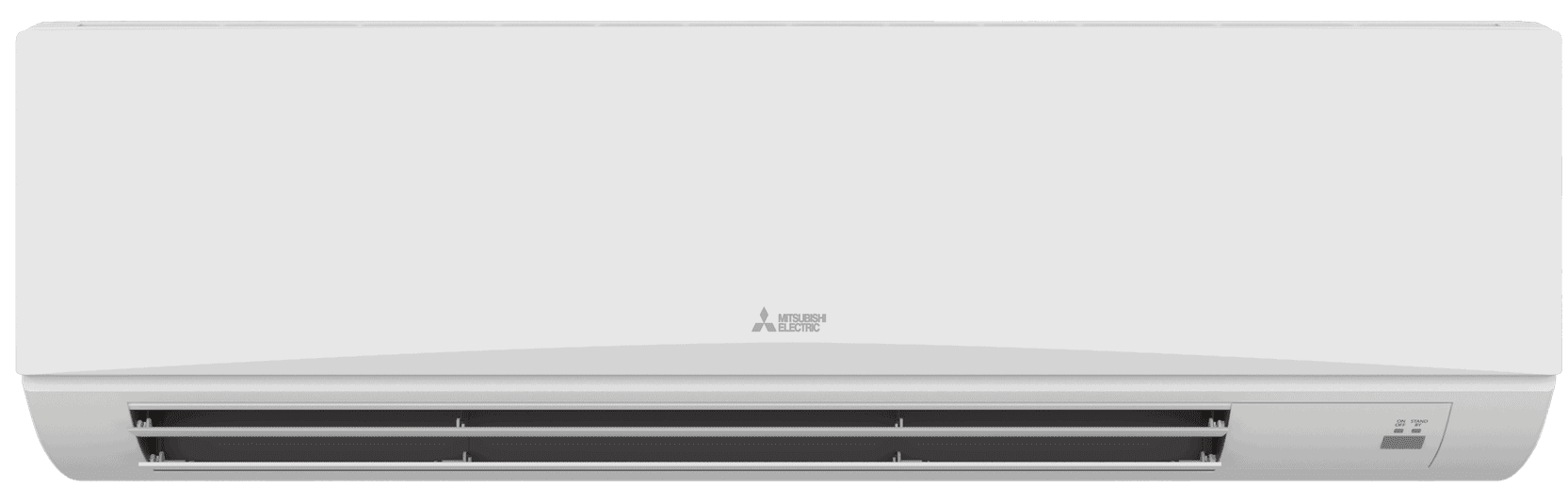
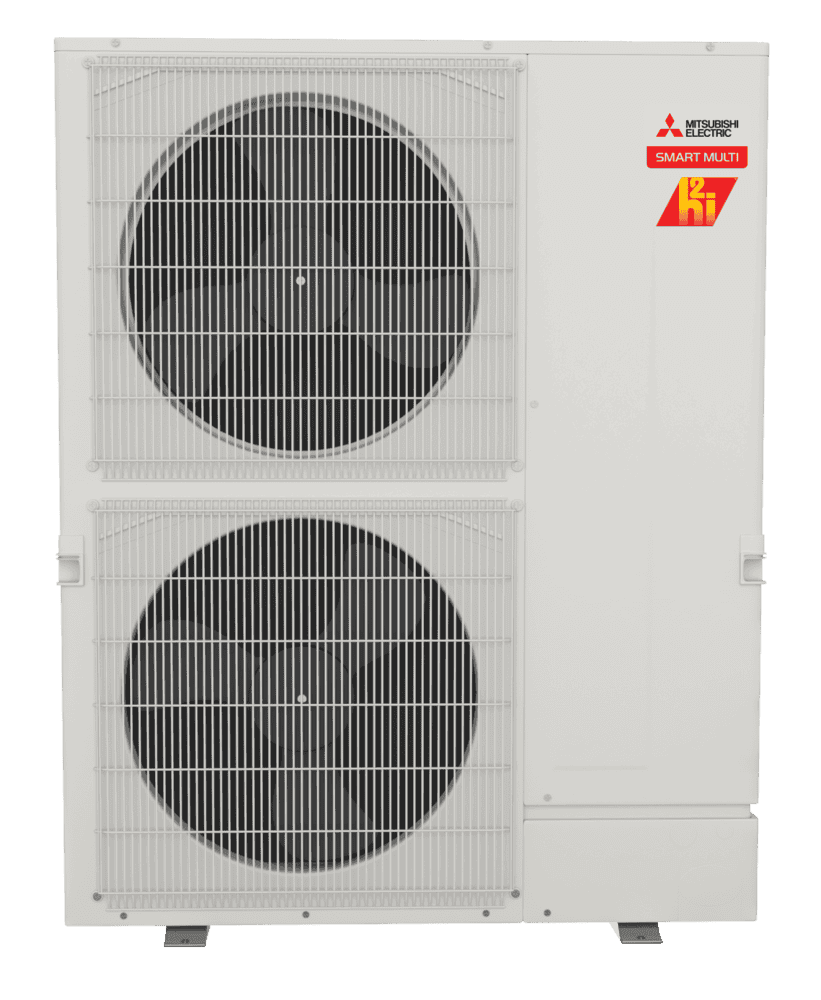
The 30-plus SEER ratings in ads belong to small single-zone ductless units, and no ducted whole-home system gets there. If you have a tiny home or a single room, you will get a higher SEER rating, because a small inverter compressor feeding one wall unit with no ductwork is the easiest thing in HVAC to rate well.
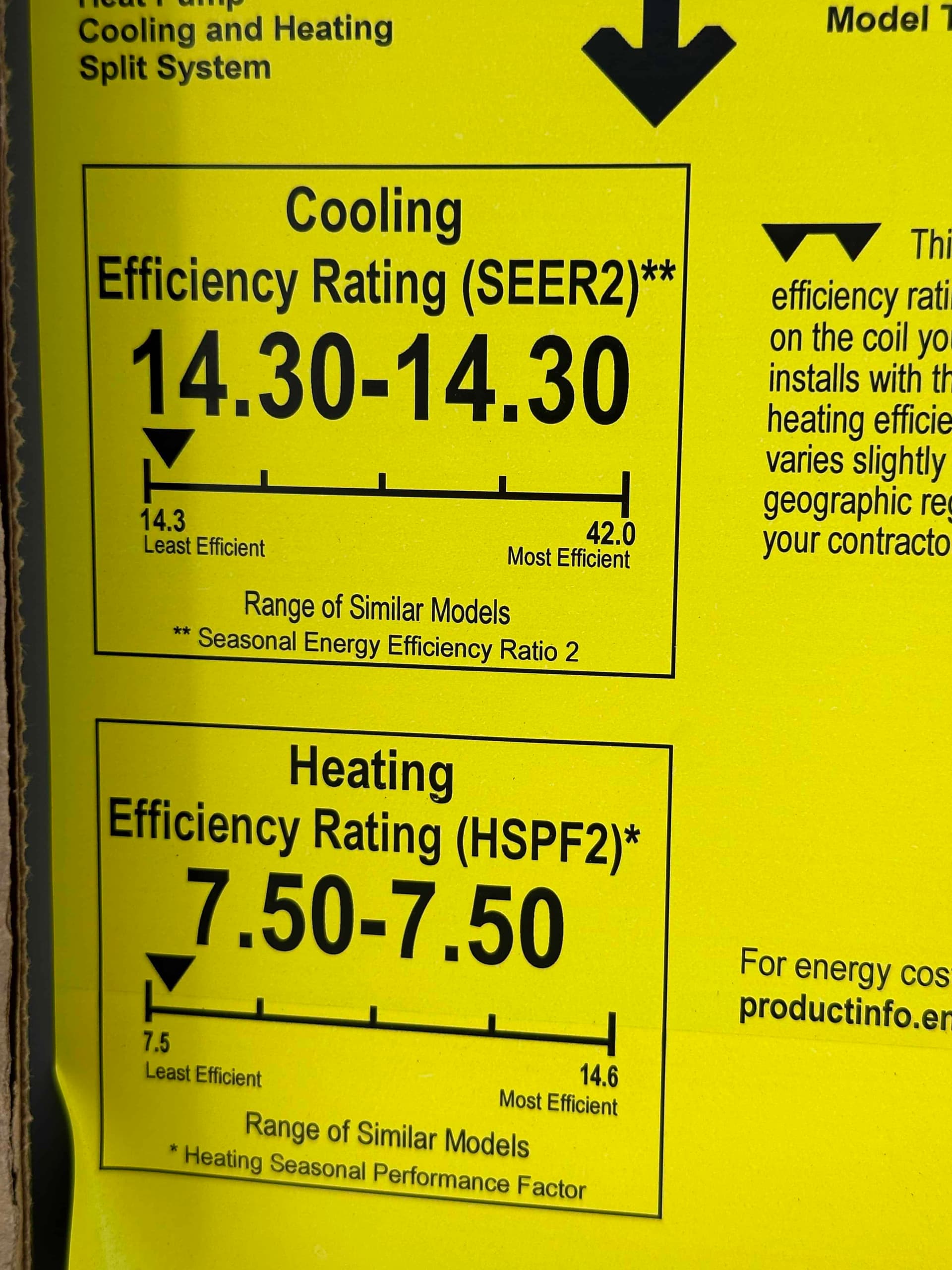
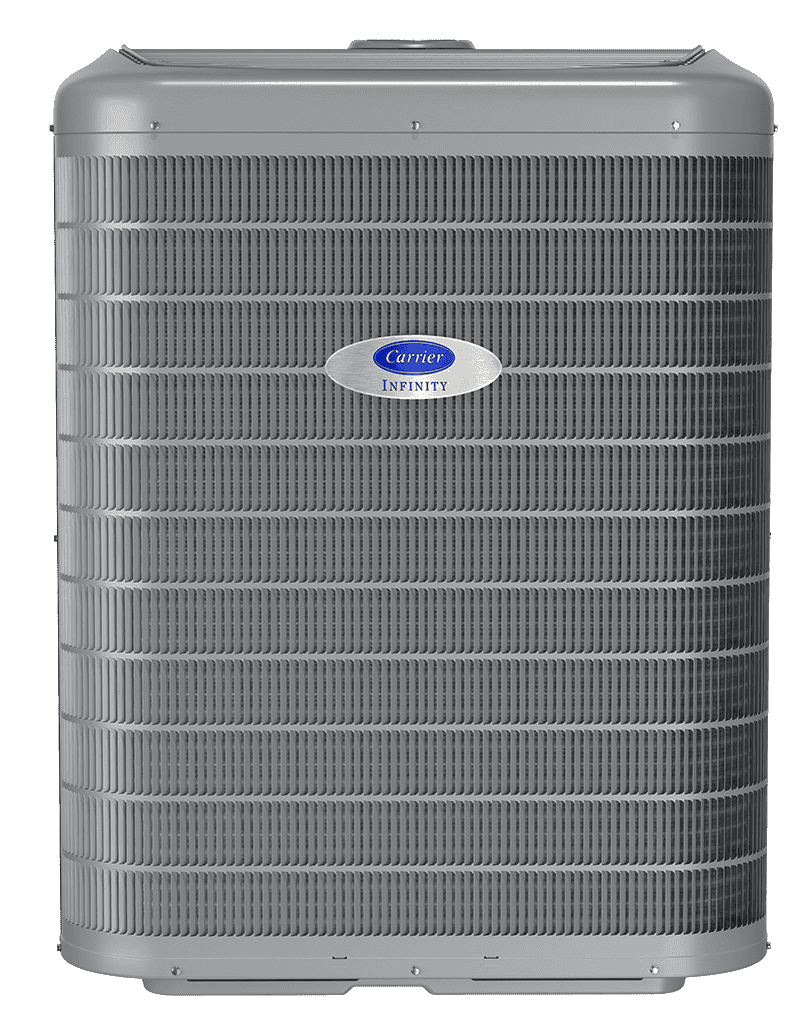
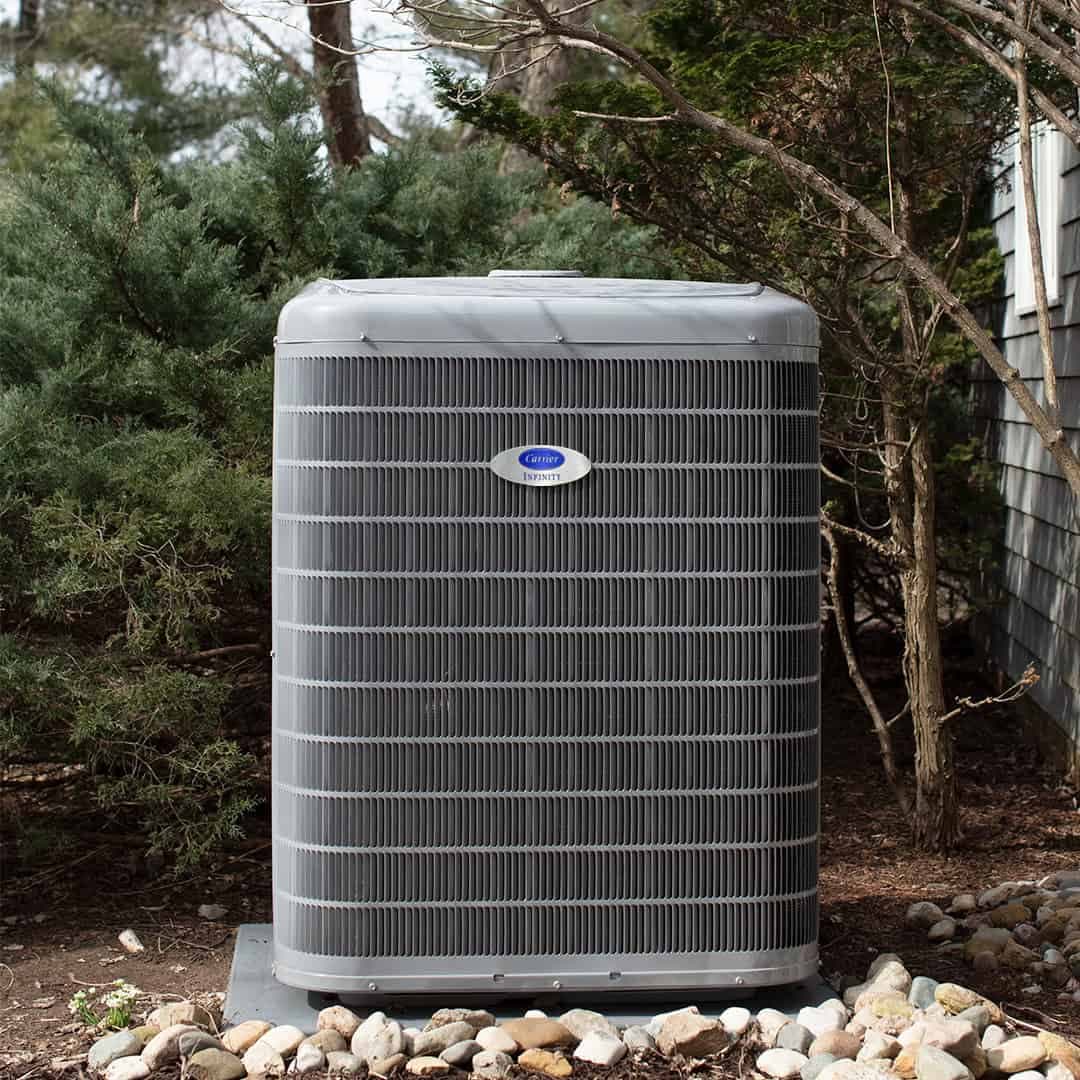
Ducted systems carry a static pressure penalty from the duct run and the coil, and the SEER2 test now charges for it. Ducted whole-home equipment is rated around 15 to 20 SEER2 at its best. Treat every SEER2 number as a lab figure: installed performance usually runs 10 to 30% below the label, ducted or ductless. The top of our own ducted lineup confirms it: the Bosch IDS Ultra rates 19 SEER2 and the Carrier Infinity 27VNA1 rates 21.2 SEER2, and that is the ceiling of what we install in a ducted house.
| System type | Realistic rated SEER2 | Details |
|---|---|---|
| Ducted whole-home (central AC or ducted heat pump) | About 15 to 20 SEER2, rarely above | |
| Uni's top ducted heat pumps | 19 SEER2 (Bosch IDS Ultra), 21.2 SEER2 (Carrier Infinity 27VNA1) | |
| Single-zone ductless mini split | 20s to 30-plus SEER2 |
The mistake to avoid is comparing a wall unit's 30 to a central system's 17 and concluding the central system is bad. They are different machines rated on different loads. If you are choosing between the two for a whole house, read central AC vs mini split first; the SEER number is the last thing that should decide it.
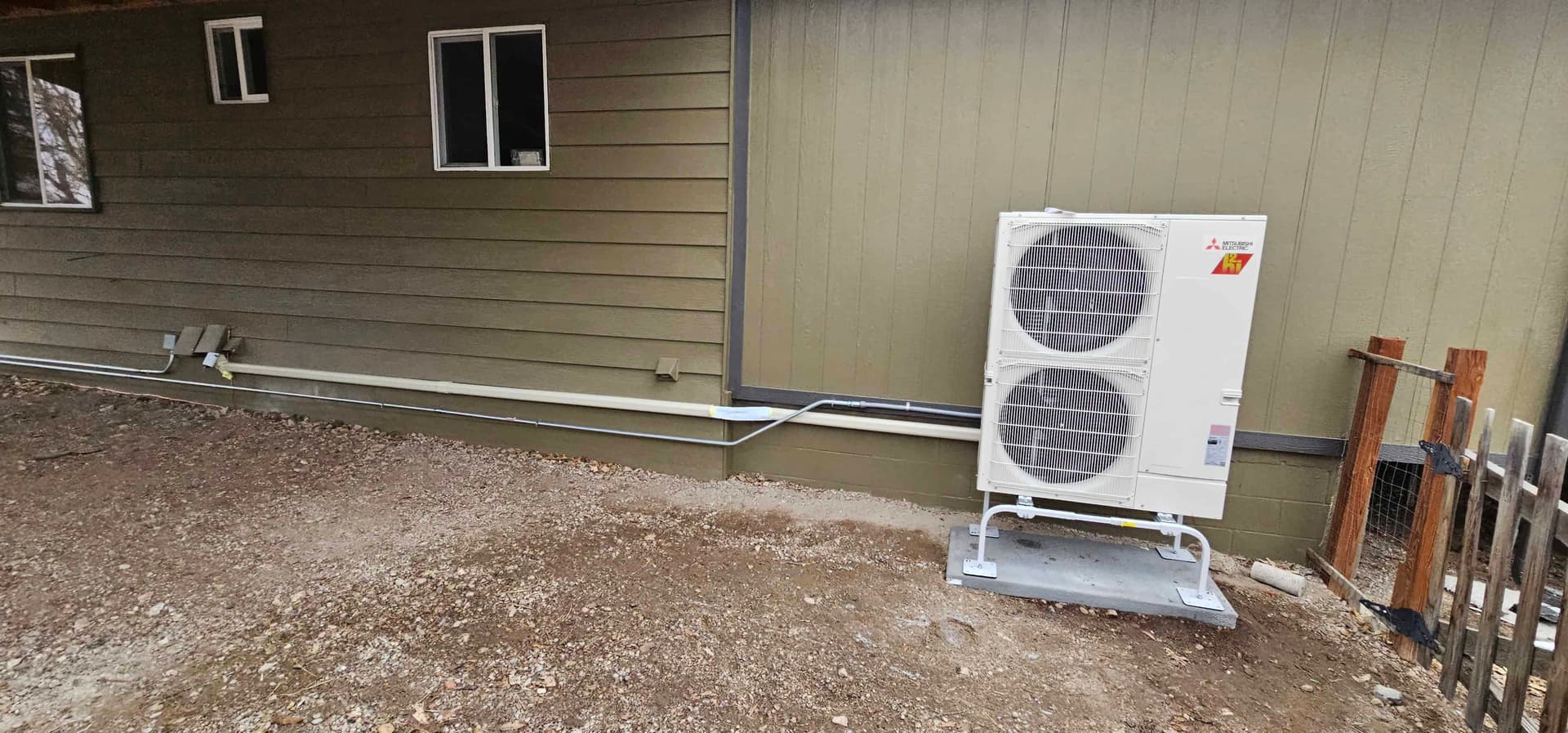
14 vs 16 vs 18: where the money should go instead
Going from 14 to 16 SEER2 is worth it when you are already buying a system, because the 16 tier is where you start getting better equipment. Going from 16 to 18 or 21 is where you should stop and ask what else the money buys. In Denver, the answer is usually not more efficiency.
Variable speed. A two-stage or variable-speed compressor runs long, low cycles instead of slamming on and off. That is what delivers even temperatures and lower humidity, and it is the same hardware that produces a higher SEER2 rating. You are buying the comfort; the rating comes along with it. The Carrier 27VNA1 modulates from 30 to 100 percent of capacity, and that modulation is what the premium buys.
Sound. The same inverter hardware runs quieter. The 27VNA1 is rated at 54 dB and the Bosch IDS Ultra at 60 dB. If the outdoor unit sits under a bedroom window or next to a neighbor's patio, this matters more than any bill difference.
Sizing. A correctly sized 16 SEER2 system outperforms an oversized 18. Oversized AC short-cycles, never dehumidifies, and wears out sooner. We size from a load calculation, not from the nameplate on the unit being removed, and for heat pumps we size to the heating load under Xcel's Quality Install rule.
Reliability. Premium tiers often bundle communicating controls and proprietary thermostats. Some of that is useful; some of it is a future service headache. Ask what in the 18-plus package is hardware and what is software before paying for it. Current installed prices for straight AC are on our AC installation cost page.
Should you replace a 20-year-old AC?
Replace it. The reasons are age, refrigerant, and the rebates; a SEER payback is not one of them. A 20-year-old condenser was installed around 2006, which makes it almost certainly R-22 and roughly 10 to 13 SEER under the old rating. Any repair that needs refrigerant is expensive on borrowed time, and the unit is already past Denver's 12 to 18 year typical lifespan.
The rebates are what change the decision. A heat pump condenser and coil on your existing furnace runs $17,500 to $24,000 gross and $10,500 to $14,000 out of pocket after rebates. A straight AC replacement runs $7,400 to $10,450 with no rebates. The out-of-pocket ranges nearly overlap, and one of them also heats for most of the winter. The Xcel cold climate rebate dropped 33% on October 1, 2026, and we are keeping most installs close to what summer customers paid.
This is an example. Costs vary by house, system size, and brand. If the furnace is also near the end of its life, the comparison shifts to a combination system; if you have a reason to stay with straight AC, we cover that in AC instead of a heat pump. For a unit that is 12 to 15 years old rather than 20, the repair math still applies: AC repair vs replace.
Can a 38 SEER rating be real?
Yes, as a lab rating for a small single-zone ductless unit under the SEER2 test. A tiny inverter compressor feeding one indoor head, with no ductwork and a light load, can post that number legitimately. No whole-home ducted system gets there, and none is close. The rating is real; what it describes is a wall unit cooling one room under test conditions. Do not compare it to a central system's number, because the two machines are not rated on the same job.

Want a quote sized for your house, not for the label?
We install 16-plus SEER2 equipment, size it from a load calculation, and take every rebate off the top of the contract.