









What is R22?
R22 (also called HCFC-22 or by the brand name Freon) is a chlorodifluoromethane refrigerant that was the industry standard for residential air conditioning from the 1960s through the early 2000s. If your home was built or had AC installed before 2010, there is a strong chance your system uses R22.
R22 was popular because it worked well across a wide temperature range and was relatively inexpensive to produce. However, its chemical composition includes chlorine, which breaks down the ozone layer when released into the atmosphere. This environmental concern led to international agreements to phase it out entirely.
Why is R22 phased out?
R22 has a high ozone depletion potential (ODP). The ozone layer hole that became a global concern in the 1980s was primarily caused by chlorine-containing compounds like HCFCs (including R22) and CFCs. The Montreal Protocol, signed in 1987, established a global timeline to eliminate these substances.
Beyond ozone depletion, R22 also has a global warming potential (GWP) of 1,810, meaning one pound of R22 released into the atmosphere has the same warming effect as 1,810 pounds of CO2. Both the environmental damage and the international regulatory framework made the phase-out unavoidable.
When was R22 phased out?
R22 was phased out in two steps under the Montreal Protocol, and the final step took effect January 1, 2020. The dates below are from the EPA's HCFC phaseout schedule:
- January 1, 2010: No new air conditioners or heat pumps could be manufactured or imported with R22. Production continued only to service equipment already installed.
- January 1, 2020: Production and import of R22 ended in the United States. Nothing new has been made since.
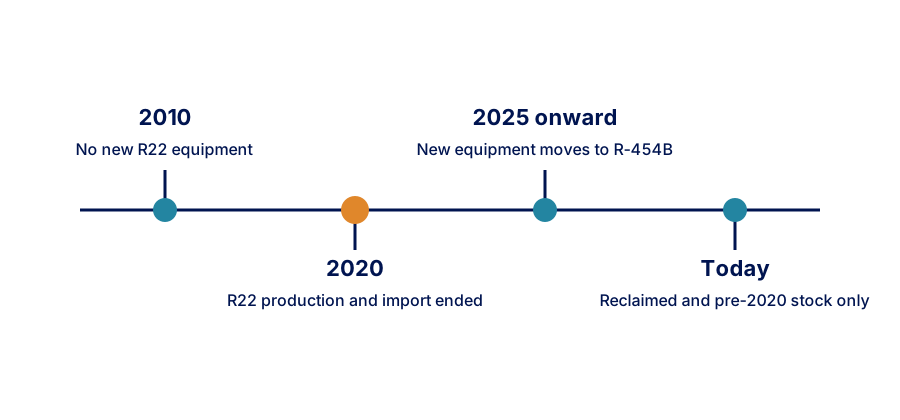
The 2020 date is the one most people mean when they ask when R22 was banned. Strictly, it was never banned from use: the EPA does not require anyone to replace an R22 system, and servicing one is still legal. What ended is the supply of new refrigerant.
Is R22 still available?
Yes. R22 is still sold and still legal to put into an existing system. The EPA's homeowner FAQ states that recovered and reclaimed R22, along with R22 produced before 2020, will supply owners of existing systems well beyond the phaseout date. Reclaimed R22 is cleaned to the same specification as new refrigerant.
What changed is the price. With no new production, R22 runs $150-$300 a pound in 2026 against $20-$30 a pound for R410A, and a system that needs refrigerant needs it because of a leak. A licensed technician can still buy it and charge your system with it. Nobody is required to replace a working R22 unit.
One thing to know about UniColorado: we do not do repair or recharge visits, on R22 or anything else. We install. This page exists because the question behind “is R22 still available” is usually “should I keep paying to service this unit,” and the rest of the page is about answering that.
What replaced R22 (and what is replacing R410A)?
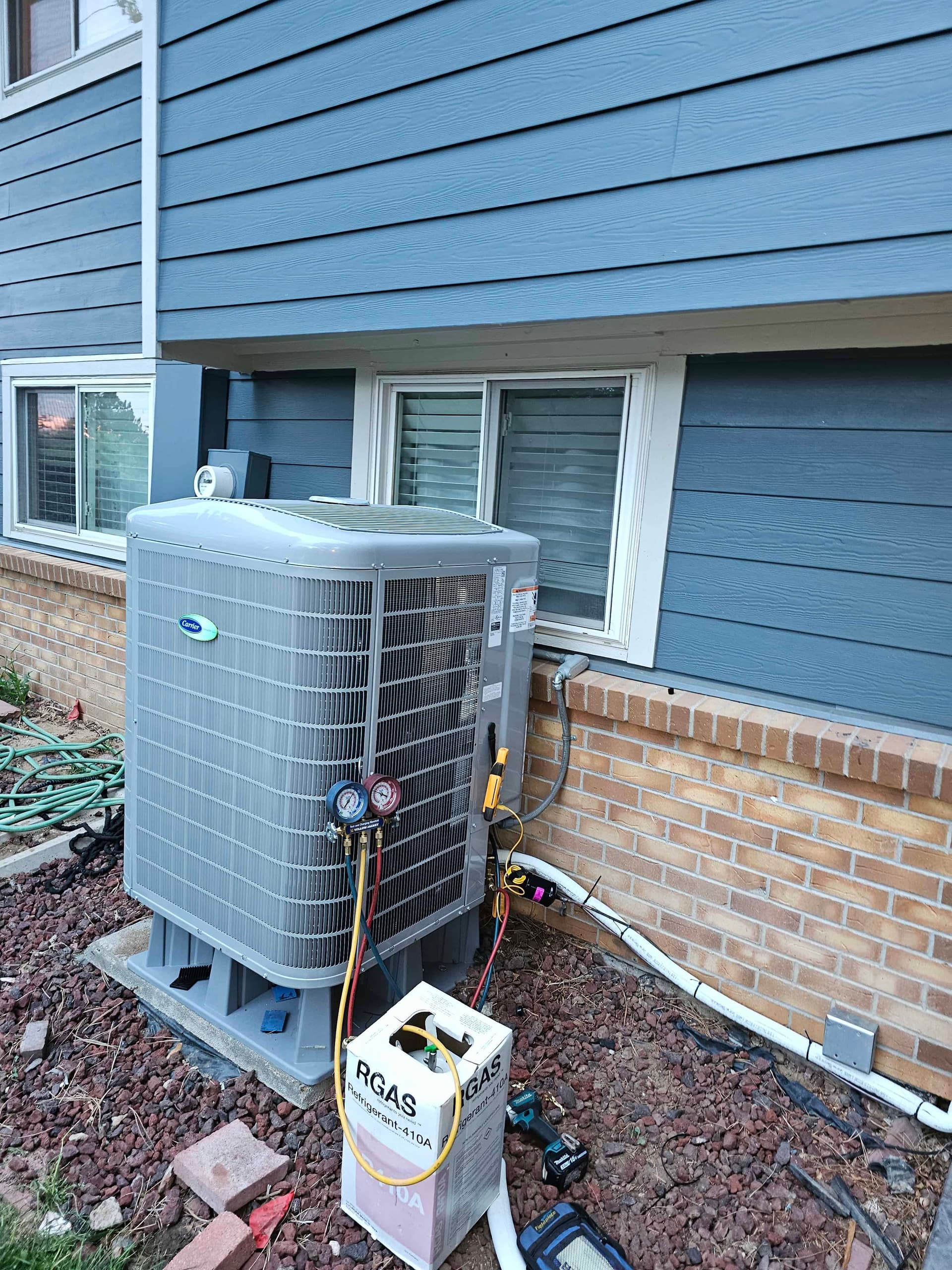
R410A has been the primary R22 replacement since the early 2000s. R410A is a hydrofluorocarbon (HFC) that does not deplete the ozone layer and has a lower (though still significant) global warming potential compared to R22. R410A operates at roughly 50% higher pressure than R22, which means R22 systems cannot simply be refilled with R410A. The compressor, metering devices, and often the copper linesets are not rated for the higher operating pressures.
R454B (sold commercially as Opteon XL41) is the next generation, now shipping in new equipment from Carrier, Trane, and Lennox as of 2025. Daikin and its Goodman brand went with R-32, a different low-GWP refrigerant. R454B has a GWP of 466, which is 78% lower than R410A's GWP of 2,088. If you are replacing an R22 system in 2025 or 2026, your new system will most likely use R454B or R-32. So the answer to “what replaced Freon” has two parts: R410A replaced R22 in new equipment starting in 2010, and R454B is replacing R410A now. A separate guide on R454B is in the works.
- Refrigerant
- R22 (Freon/HCFC-22)
- GWP
- 1,810
- ODP
- High
- Status
- Production ended 2020
- Refrigerant
- R410A
- GWP
- 2,088
- ODP
- Zero
- Status
- Phasing out 2025+
- Refrigerant
- R454B (Opteon XL41)
- GWP
- 466
- ODP
- Zero
- Status
- Current standard
Other alternatives include R407C (a drop-in substitute used in some commercial systems), R32 (used primarily in ductless mini-splits), and R134A (more common in automotive and commercial refrigeration).
For the replacement decision itself, two pages cover the ground this one does not: AC repair vs. replace walks through the age and repair-cost thresholds, and AC installation cost in Denver has the current installed prices for a straight AC swap versus a heat pump condenser.
How to tell if your system uses R22
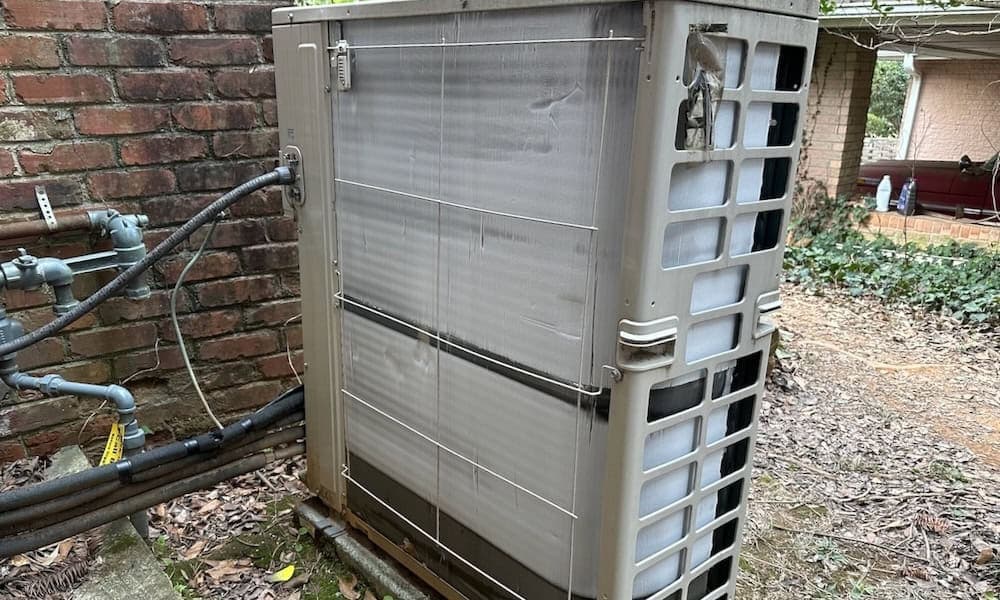
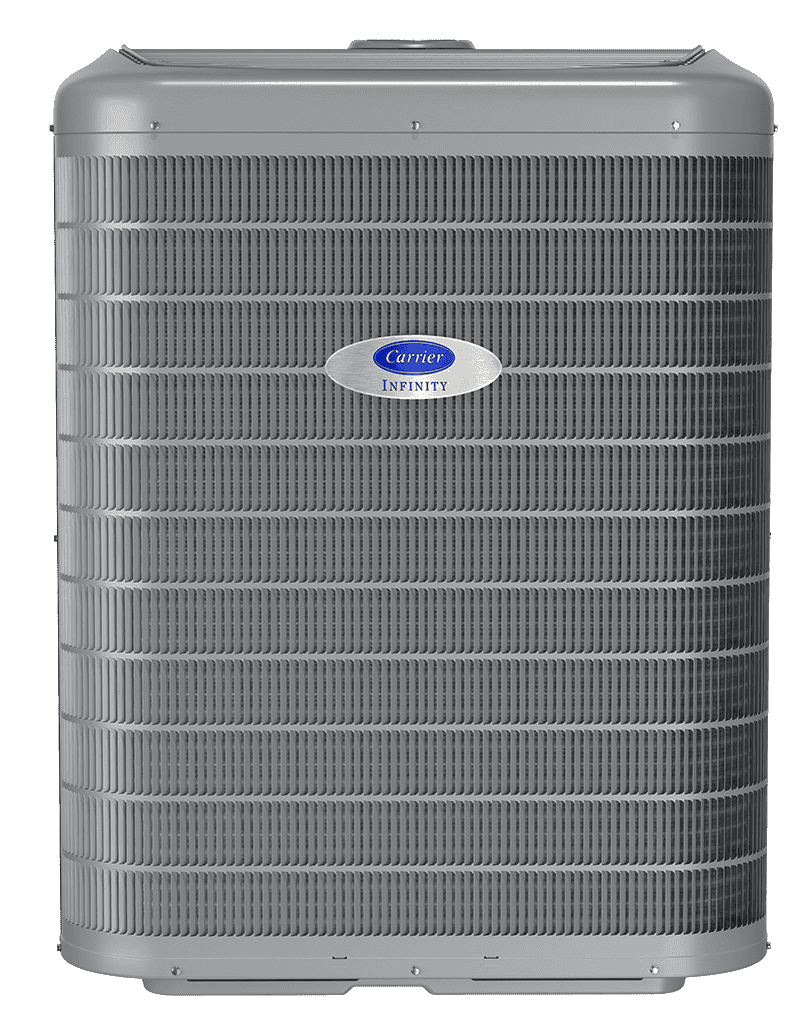
Check the data plate on your outdoor condenser unit, usually a metal sticker on the side panel. It will list the refrigerant type as R22, HCFC-22, or Chlorodifluoromethane.
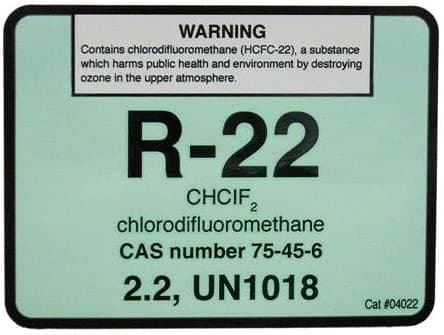
R22 Age Guide
Install date is the fastest indicator
- Installed before 2010 -- almost certainly R22
- Installed 2010-2015 -- could be R22 or R410A, check the data plate
- Installed after 2015 -- R410A or a newer refrigerant
If the data plate is unreadable or missing, an HVAC technician can identify the refrigerant type by checking the system's operating pressures. R22 and R410A operate at noticeably different pressure levels.
R22 recharge vs. system replacement
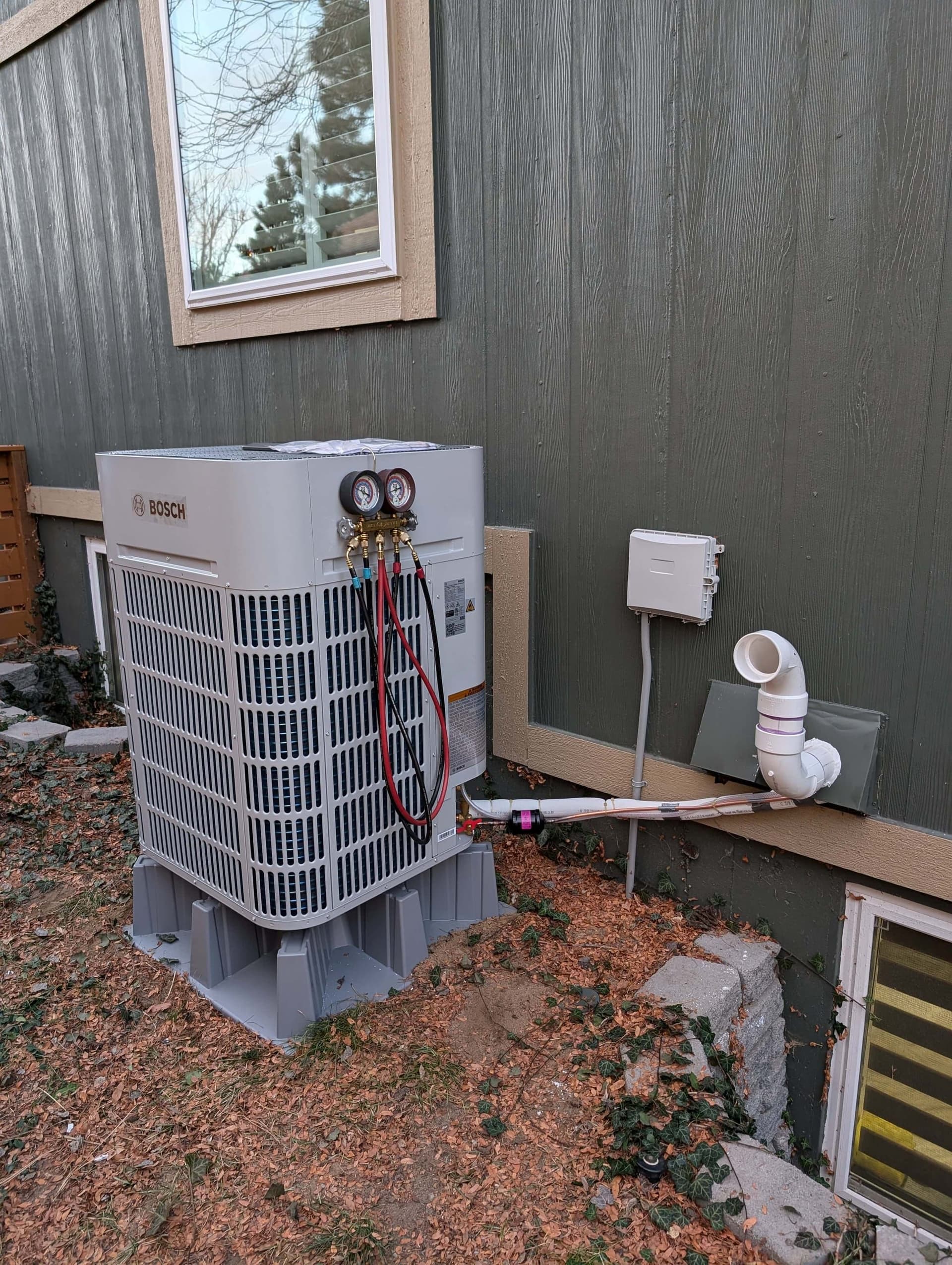
The math on R22 recharges gets worse every year. A realistic comparison for 2026:
- R22 recharge: $150-$300 per pound, with a typical residential system needing 5-15 pounds. A full recharge costs $800-$4,800, and you will likely need to recharge again within 1-2 years as the leak worsens.
- New heat pump system: $13,800-$19,100 before incentives. After Xcel Energy rebates, net cost can drop to $7,800-$13,100 depending on the system and available programs. Note: The federal 25C tax credit ended December 2025.
An R22 system is at minimum 15 years old, running at roughly 10 to 13 SEER. A new 16 SEER2 heat pump uses 30-40% less energy and provides both heating and cooling. Over a 15-year lifespan, the energy savings alone typically exceed $5,000-$8,000 in Colorado, where both heating and cooling seasons are extended.
Recharging R22 AC in 2026
Unlicensed contractors may offer to recharge a leaky R22 system with more refrigerant, but it’s very likely that the R22 will leak out within weeks or months. Sealants, chemicals, and promises do not fix a deteriorating coil or corroded connection. In 2026, you should not be recharging a leaky R22 system and expecting to save money. Leaks get bigger over time, and R22 gets more expensive every year as the reclaimed supply shrinks. Don’t pay for air.
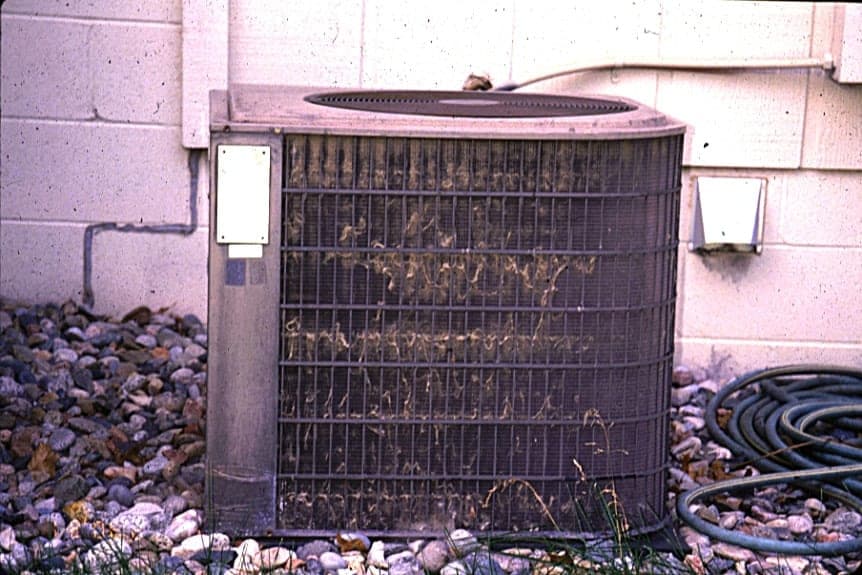
If your system still holds a charge and runs without issues, you can continue operating it. There is no legal requirement to replace a working R22 system. But once it starts leaking or needs a major repair (compressor, coil), replacement is almost always the better financial decision.
System holds charge, runs fine
→Keep running it
No legal requirement to replace. Monitor for leaks. Budget for replacement within 2-5 years.
System is leaking refrigerant
→Replace the system
Recharging a leaky system wastes money. R22 costs $150-$300/lb and the leak will return.
Compressor or coil has failed
→Replace the system
Major R22 system repairs cost nearly as much as replacement. Rebates make a new system the clear choice.
System is 15+ years old
→Plan replacement now
Xcel rebates ($4,500+) and Colorado state credit ($1,000) are available now. Waiting costs efficiency savings.
Colorado-specific concerns
Colorado's dry climate and altitude create specific challenges for aging R22 systems. At Denver's elevation (5,280 feet), air conditioning systems work under lower atmospheric pressure, which affects refrigerant charge calculations and system performance. Older R22 systems that were not properly sized or charged for altitude may have been underperforming for years.
Replacing an R22 system in Colorado comes with significant incentive stacking. Xcel Energy's Clean Heat Plan rebates (up to $7,500 for qualifying heat pumps) and Colorado state tax credits still apply. Note that the federal 25C tax credit ended December 2025. Combined, these incentives can cover 30-45% of a new heat pump system's cost.

Replace Your R22 System
We'll apply your Xcel rebates at purchase. No paperwork hassle.