








Quick Answer: When the Math Tips
The classic rule is the 50% rule: if a single repair quote is more than half of what a new system would cost, replace. It's a fine starting point and we still use it as the primary filter. But in 2026 the rule has two new wrinkles that push the replace-versus-repair line earlier than it used to be. R-410A refrigerant getting expensive, and Xcel rebates that meaningfully change the cost of replacement.
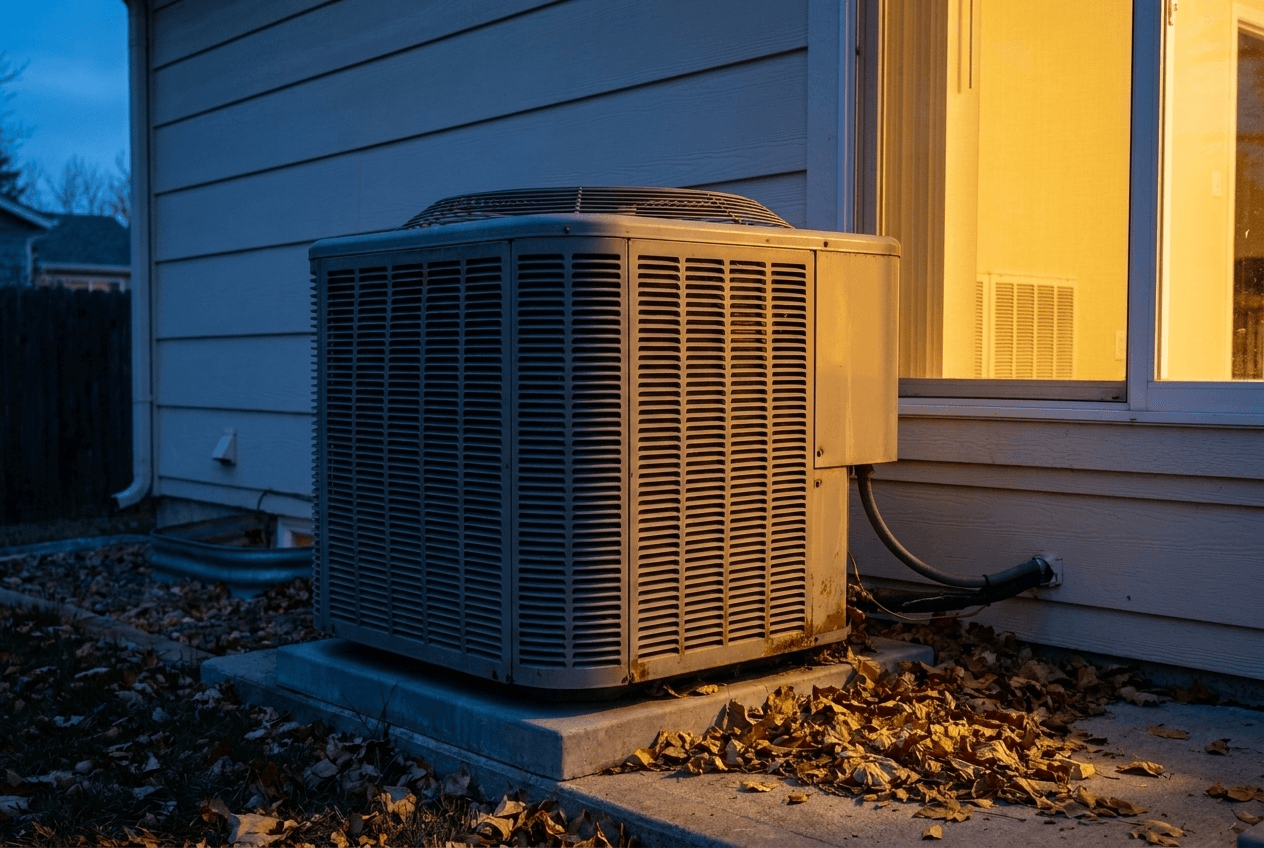
Here's the practical version of how we work through this decision on a service call:
- Single repair under 30% of replacement? Repair, unless the system is over 15 years old.
- Single repair 30-50% of replacement? Look at age, history, and refrigerant. If the unit is 8-12 years old with no other issues, repair. If it's 12+ with R-410A and a compressor or coil issue, replace.
- Single repair over 50% of replacement? Replace.
- Multiple repairs in 24 months? Replace, regardless of individual repair cost. You're chasing a failing system one part at a time.
The math has also shifted because Xcel offers meaningful rebates on heat pump replacements, see Xcel HVAC rebates for current amounts. If your AC dies and your furnace is also aging, replacing both with a single heat pump system can come out cheaper than two separate replacements within five years.
The Six Replacement Triggers
Any single one of these means we recommend replacement in most cases. Two or more in combination and the decision is clear.
1. A single repair exceeds 50% of replacement cost
The standard rule, and it still holds. A $2,700 repair on a $5,300 replacement is almost never worth it. You're paying half the cost of new equipment for an old system that's probably weeks or months from the next failure. Exception: if the system is under 5 years old, repair is usually still right because remaining life is still long.
2. Compressor failure on a 10+ year old unit
The compressor is the most expensive component to replace ($2,100-$4,800 installed). On a unit over 10 years old, replacing just the compressor usually doesn't make sense, the rest of the system (indoor coil, refrigerant lines, fan motor, capacitor) is also aging and likely to fail within 2-4 years. You're putting a new engine in a tired car. Replacement is almost always the better call here.
3. Indoor evaporator coil leak on an older system
Indoor coil replacement runs $1,600-$3,000 on most central systems. On units over 10 years old, a coil leak is a strong signal that the rest of the refrigerant circuit is also leaking slowly, formicary corrosion, which causes most coil leaks, doesn't happen in just one place. Replacing the coil buys you time but often not much.
4. Three or more service calls in 24 months
One repair is a fix. Two is a coincidence. Three is a pattern. If you've had a capacitor, a contactor, and a refrigerant recharge in the last two summers, the system is deteriorating broadly and you're paying $400-$800 per service call to delay the inevitable. Add up the next three years of expected repairs and the math almost always favors replacement.
5. Energy bills creeping up at the same usage
Compare your July electric bill from three or four years ago to last summer's bill, normalized for Xcel rate changes. If your usage is the same but your bill is up $40-$80/month in cooling season, the AC has lost efficiency through worn compressor valves, refrigerant loss, and fouled internal coils. This is not a fixable problem. It's the normal aging curve, and replacement with modern equipment often pays back the rebate-adjusted purchase price in 6-9 years of energy savings alone.
6. R-410A repair on a 12+ year old system
This is the new trigger that wasn't in older guides. R-410A refrigerant is being phased out in favor of R-454B (and other A2L refrigerants) and supply is tightening. Recharges that ran $400 in 2022 run $600-$800 in 2026 and will continue climbing. If your AC needs more than a small top-off, R-410A repair on an old system is throwing money at a sinking asset.
Why R-410A Changes the Math in 2026
Most national repair-versus-replace guides were written when R-410A was the current standard and cheap. That's no longer true. As of 2025, new residential AC and heat pump equipment uses R-454B (an A2L mildly-flammable refrigerant) under federal AIM Act rules. R-410A production is being phased down, and the price has roughly tripled from its 2022 baseline.
| Year | Typical R-410A price per lb | Details |
|---|---|---|
| 2022 | ~$80/lb | |
| 2024 | ~$120/lb | |
| 2026 | $150-$250/lb | |
| 2028 (projected) | $300+/lb |
What this means practically: a slow refrigerant leak on a 13-year-old AC isn't a $400 problem anymore. It's a $1,000-$1,500 problem this summer, and another $1,000-$1,500 next summer if you don't fix the underlying leak (which itself runs $800-$2,500 on a unit that age). You can quickly spend the cost of a new system on refrigerant alone.
New R-454B systems aren't affected by this, supply is healthy and pricing is stable. The R-410A economics only matter if you're trying to keep an existing system on the road.
Xcel Rebates Shift the Decision
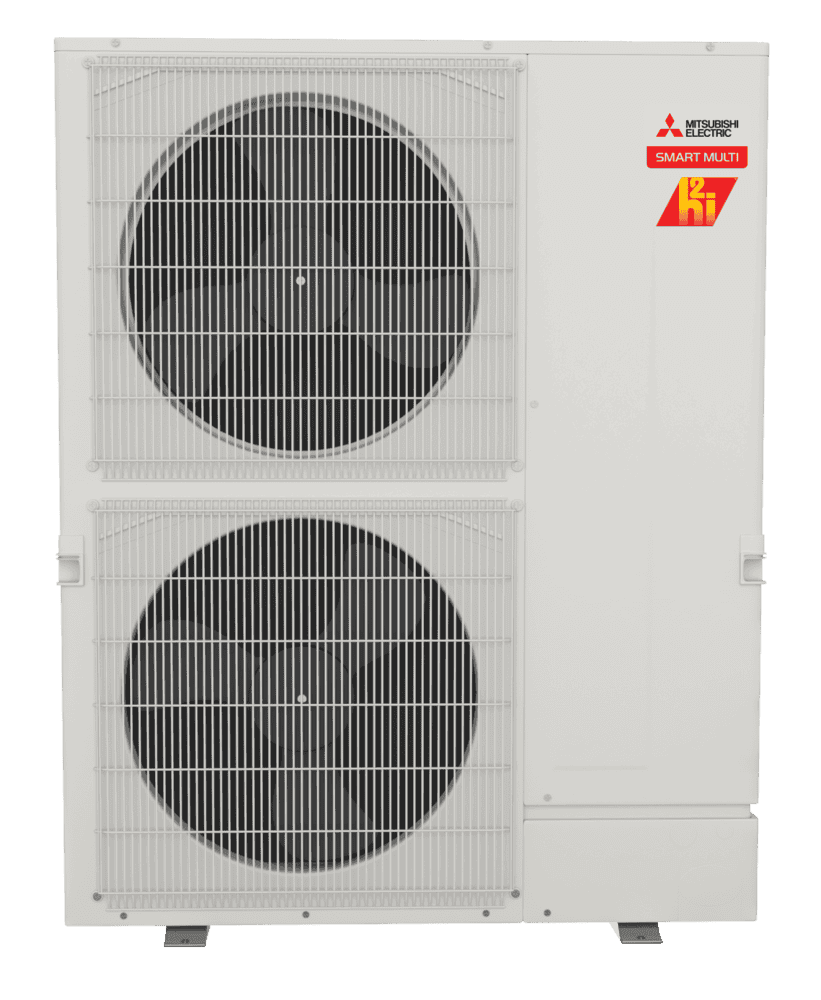
Xcel Energy offers meaningful rebates on qualifying heat pumps for Colorado homeowners, see our current Xcel HVAC rebate amounts for the specific numbers. Straight AC replacements get modest rebates ($150-$500 depending on efficiency tier). Heat pump replacements qualify for substantially more.
This matters at the repair-vs-replace decision in two ways:
1. Replacement net cost is lower than the sticker price suggests. An $8,000 heat pump replacement with $2,500 in Xcel rebates costs the homeowner $5,500 net. That's in the same range as a $4,800 AC repair on an old system, and you get a new system with a 12-year warranty instead of a patched 14-year-old unit.
2. Combined AC + furnace replacement becomes very competitive. If your AC needs a major repair and your furnace is also 12+ years old, a single heat pump can replace both. You skip the future furnace replacement project, often qualify for higher rebates, and end up with one unified system instead of two aging ones.
For the year-round picture of what your replacement project actually costs after rebates, see heat pump installation cost in Denver or AC installation cost.
Repair Costs vs. Replacement Costs
Concrete numbers, current to mid-2026 in the Denver metro. Use these to sanity-check the 50% rule against your specific quote.
| Repair | Typical cost (Denver) | Details |
|---|---|---|
| Capacitor replacement | $297-$500 | |
| Contactor replacement | $191-$339 | |
| Condenser fan motor | $500-$800 | |
| Refrigerant leak repair + recharge | $800-$2,500 | |
| Evaporator coil replacement | $1,600-$3,000 | |
| Compressor replacement | $2,100-$4,800 | |
| Full outdoor unit replacement (keep indoor) | $3,400-$5,800 |
Typical Denver AC replacement ranges (2026, before rebates):
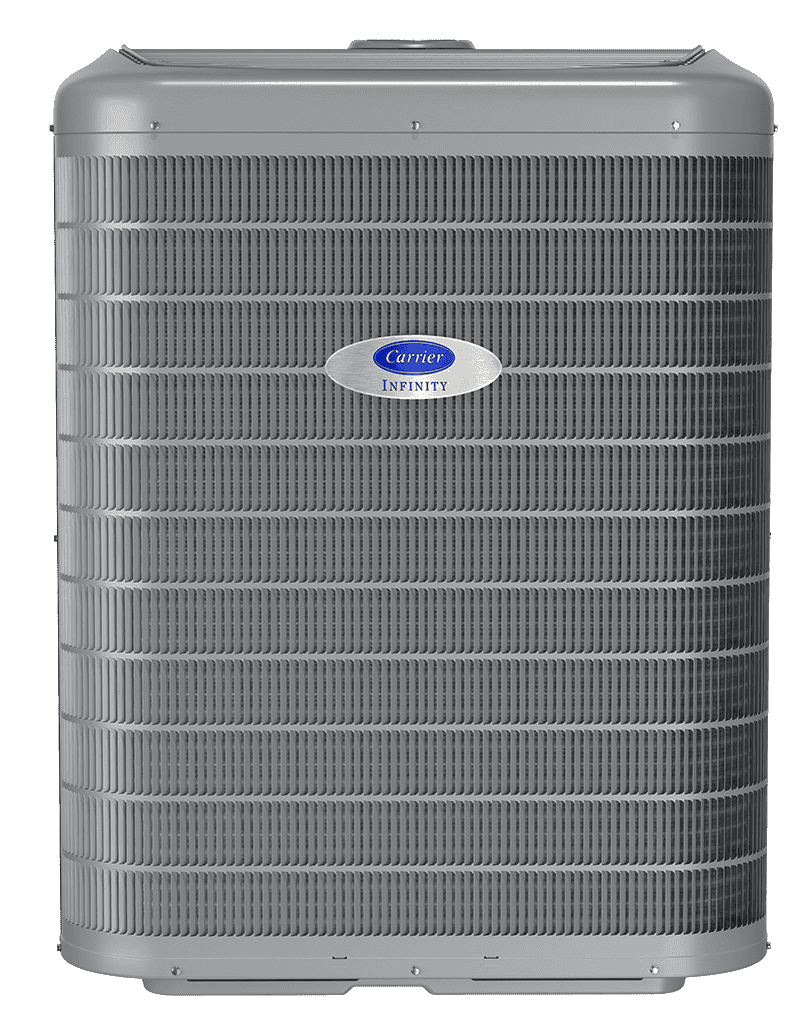
- Baseline 2-3 ton central AC (SEER2 14.3): $5,800-$8,000 installed
- Mid-tier 2-3 ton central AC (SEER2 16-17): $8,000-$10,100 installed
- Premium variable-speed 3 ton AC (SEER2 18+): $10,100-$13,300 installed
- Cold climate heat pump (replaces AC and supplements furnace): $9,500-$15,900 installed before Xcel rebates
For full detail on each tier and what the install actually includes, see AC installation cost in Denver and full HVAC system replacement cost.
When Repair Is Genuinely the Right Call
Not every AC problem needs replacement. We turn down replacement projects regularly because the customer's system is genuinely worth fixing. Here's when repair is the right call:
- The unit is under 8 years old and the failure is isolated. A failed capacitor on a 5-year-old AC is a $350 fix, not a $7,400 decision. Same for a fan motor, a contactor, or a blower wheel.
- The system is between 8-12 years old and the rest tests clean. If a tech measures good refrigerant pressures, normal amp draw, no oil staining at refrigerant joints, and clean condenser/evaporator coils, the system has years left. One mid-range repair is usually still worth it.
- You're planning to sell within 1-2 years. A $1,600 repair that gets the unit through the next two cooling seasons is cheaper than a $7,400 replacement that the next owner doesn't pay you back for. Disclose the repair and age in the listing.
- The failure is from external damage (hail, fallen branch, vehicle strike). These are usually insurance claims and the math runs differently, your homeowners policy may cover repair or replacement depending on damage extent.
- The system is on R-454B already. If you're looking at a 2-year-old AC with a service issue, the R-410A factor doesn't apply. Repair almost always wins on recent equipment.
One thing we want to be clear about: UniColorado is currently focused on AC and heat pump installations and replacements, not standalone repair service. If your AC needs a repair on a relatively new system, you'll be better served by a repair-focused shop. If you're weighing a replacement project (straight AC swap, heat pump conversion, or full system upgrade), we can run the Manual J, price the options, and walk through the rebate math with you. See AC installation or heat pump installation for what those projects look like.
Related Guides
Lifespan factors that affect when replacement makes sense
Diagnose capacity loss before assuming you need a new system
If you're replacing anyway, the heat pump option matters
Current rebate amounts that change the replacement math