









Quick Answer: Why Your AC Can't Keep Up
When an AC runs constantly but never reaches setpoint, the cause is almost always one of three failures in this order of frequency: restricted airflow (dirty filter, blocked return, choked outdoor coil), low refrigerant from a slow leak, or a system that's undersized for Denver's altitude. The first two are fixable. The third is a sizing problem that no amount of service will solve.
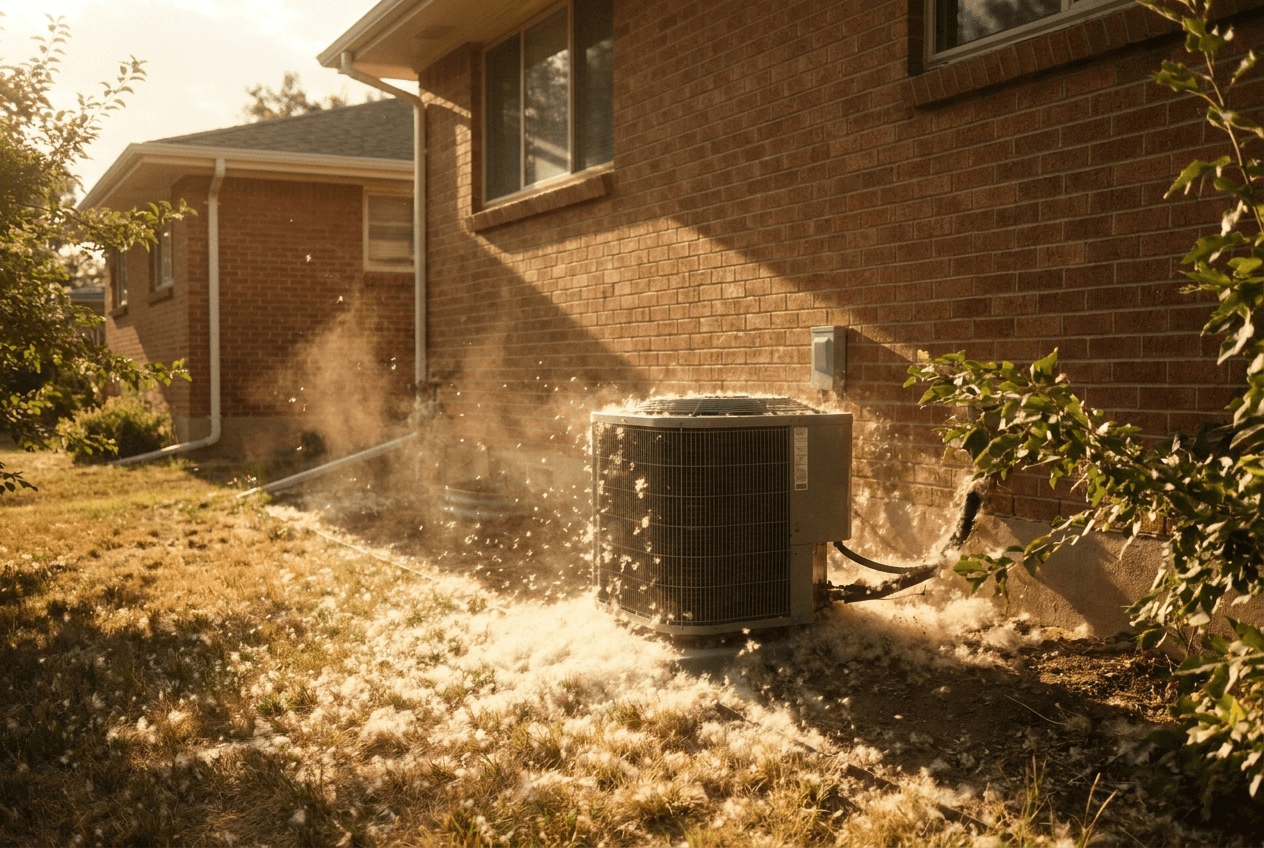
On a 95°F Denver afternoon, a properly sized and maintained AC should bring an average home down to 72-75°F within 30-45 minutes. If yours runs for two hours and the thermostat reads 80°F, something is wrong, but the fix is rarely complicated. Here's the short version:
- Check the filter first. If it's gray or you can't see light through it, that's your answer. Denver dust clogs filters in 4-6 weeks, not 90 days.
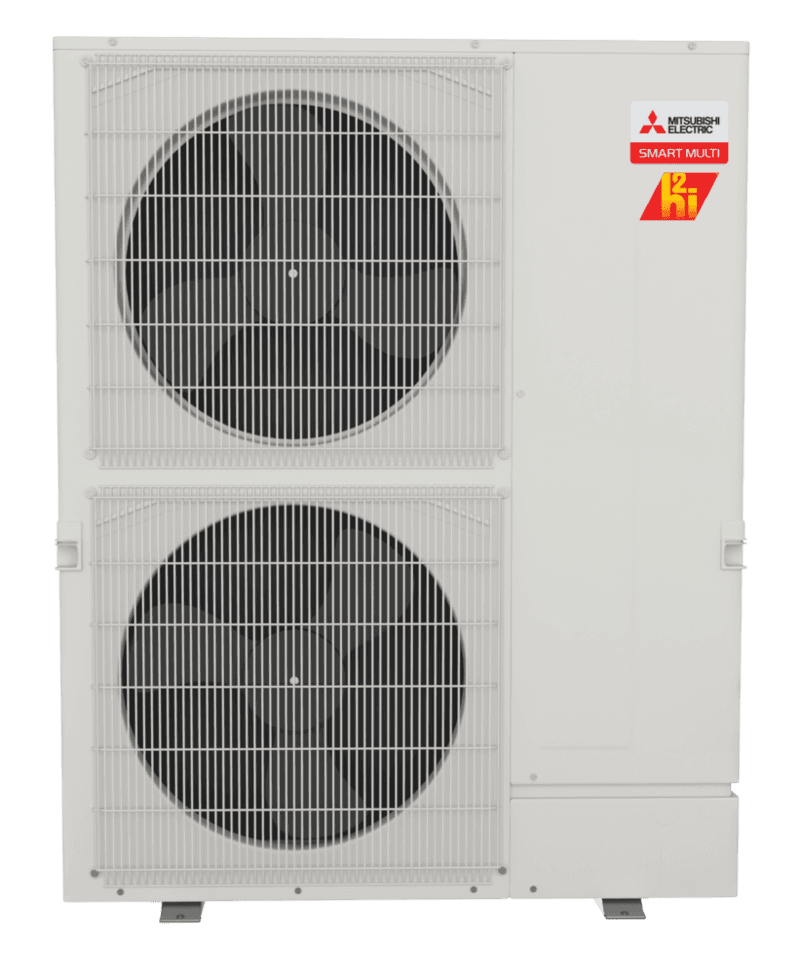
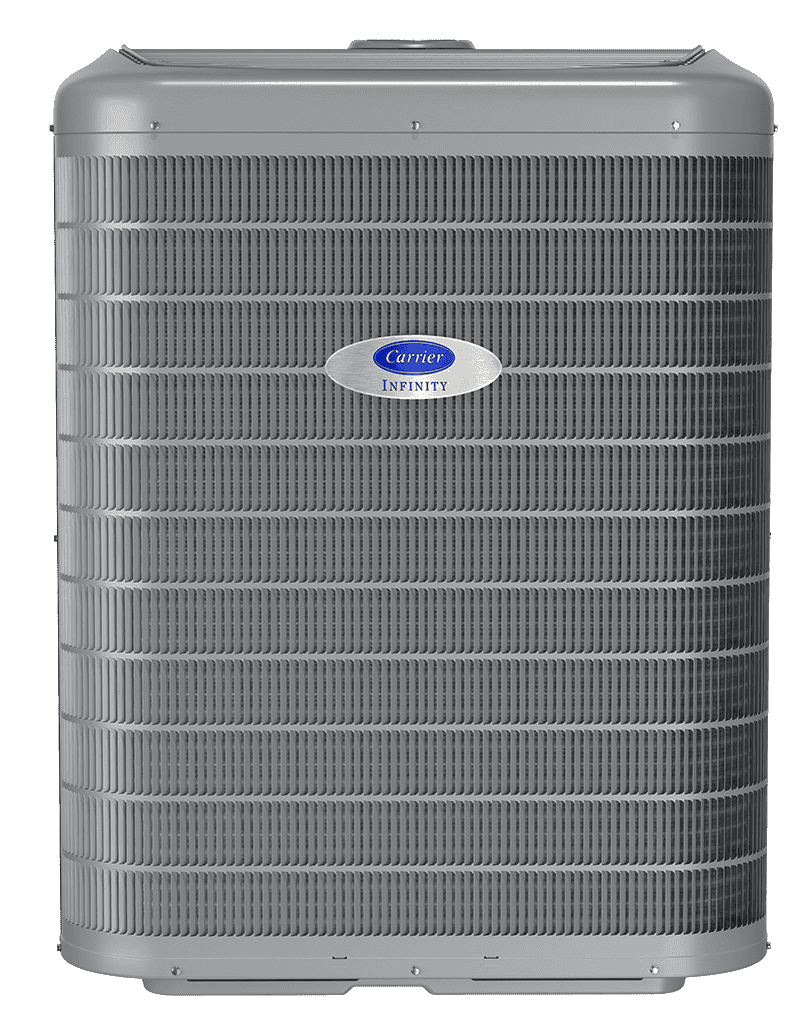
- Walk to your outdoor unit. Cottonwood seeds, dust, grass clippings, and a leaning bush can drop cooling output by 20-30% in a single week during May and June.
- Look at the date. The hotter it is outside, the less capacity your AC has. A unit that just barely kept up at 90°F will lose ground at 98°F. That's physics, not a fault.
- Note the age. If your system is over 15 years old, you're likely also losing capacity from gradual refrigerant loss, fouled coils, and worn compressor valves. The math may already favor replacement over repair.
The 7 Causes (Ranked by How Often We See Them)
This is the order a tech actually works through a no-cooling or weak-cooling call, weighted by what we find on Denver service visits. The first four account for roughly 80% of calls; the last three are less common but more expensive.
| Cause | Fix | Details |
|---|---|---|
| 1. Dirty air filter | Replace filter (DIY) | |
| 2. Clogged outdoor coil | Rinse fins gently with garden hose (DIY) | |
| 3. Low refrigerant (slow leak) | Find leak, repair, recharge (pro) | |
| 4. Blocked return air or closed vents | Open vents, clear returns (DIY) | |
| 5. Ductwork leaks or undersized returns | Seal joints, add return capacity (pro) | |
| 6. Undersized or altitude-derated system | Manual J recalc, often a sizing-correct replacement | |
| 7. Failing compressor or capacitor | Capacitor replace (pro), or compressor/condenser replace |
One thing missing from most online lists: thermostat placement. A thermostat installed on a wall that catches direct afternoon sun reads 8-12°F higher than the actual room. The AC will run forever trying to reach a setpoint that the rest of the house already hit. We see this most often in 1960s-1980s Denver ranches where someone moved the stat during a remodel.
What to Check Before You Call Anyone
Work these in order. Don't skip ahead; the cheap fixes are also the most common. If steps 1-4 don't solve it within 24 hours, you have a refrigerant or component problem that needs a tech.
Action: Find the filter (return air grille or air handler cabinet). If you can't see light through it, replace it. Match the dimensions on the side of the existing filter, common Denver residential sizes are 16x25x1, 20x25x1, and 16x20x1.
Denver reality: Our dry, dusty climate clogs filters in 30-45 days, not the 90-day default printed on the package. If you only change yours twice a year, you're running with a restricted filter for most of the cooling season.
What to avoid: If you recently upgraded to a MERV 13 or higher filter, the tighter weave restricts airflow more than your old MERV 8. On older systems, this alone can cause weak cooling. Drop back to MERV 11 and see if it recovers.
Why Denver Is Harder on AC Systems
A lot of online troubleshooting is written from a Midwest or Southeast perspective. Denver's climate does three things that change how AC systems fail, and how they should be sized in the first place.
Altitude derates every AC by about 3% per 1,000 feet
At 5,280 ft, air density is roughly 17% lower than at sea level. Your AC compressor pumps the same refrigerant, but the blower moves fewer air molecules across the coil per cubic foot of fan output. The net effect is that a 3-ton AC nameplate-rated at sea level delivers closer to 2.7 tons of effective cooling at Denver elevation.
This matters most for systems installed before manufacturers built altitude compensation into their factory settings, roughly pre-2015. If your AC is older than that and barely kept up when it was new, it's undersized. No amount of service will buy you another 0.3 tons. The fix is a Manual J load calculation and a correctly sized replacement.
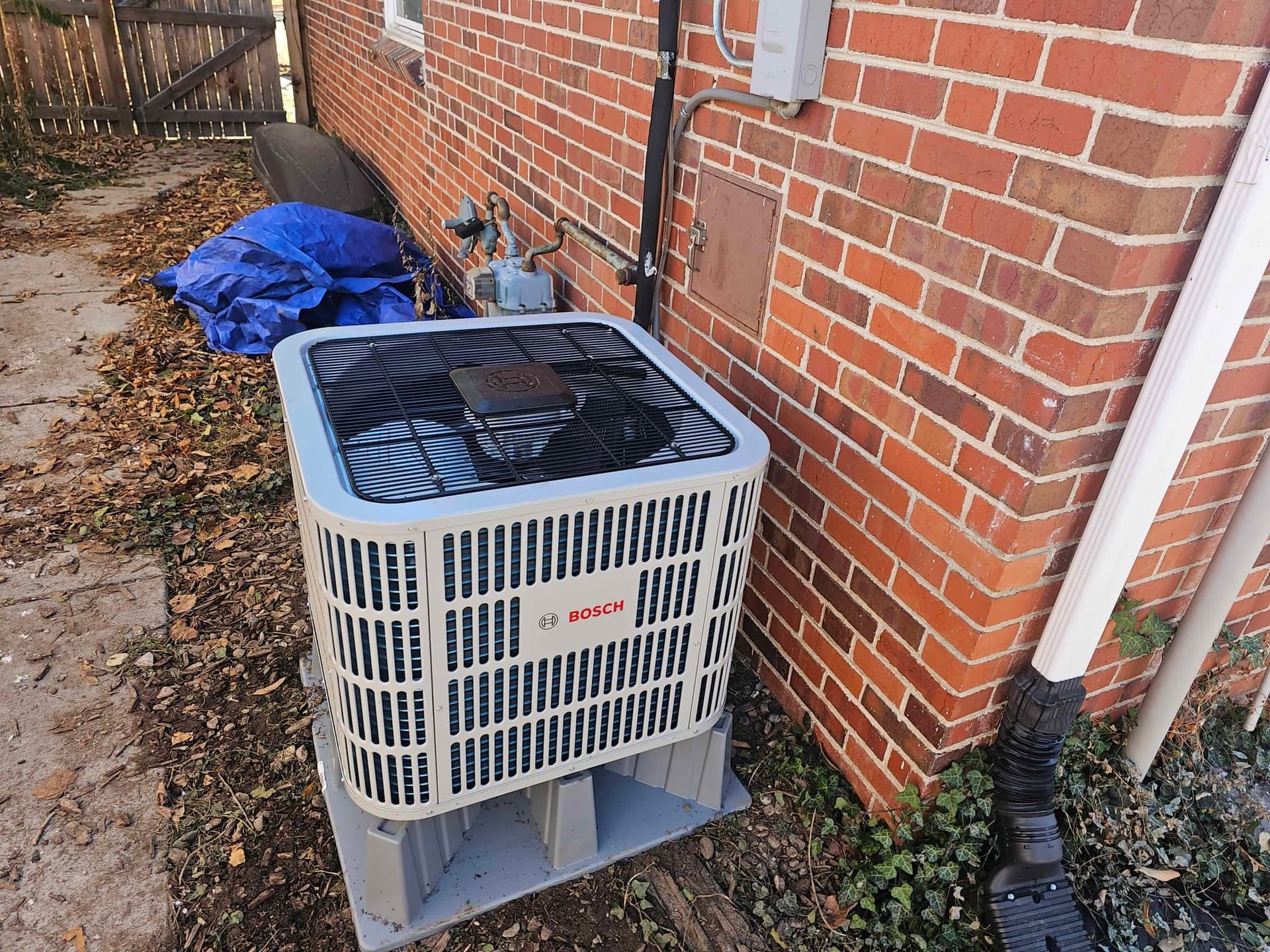
Cottonwood and dust foul outdoor coils faster than humid climates
Cottonwood season runs mid-May through late June across the Front Range. The seeds carry a sticky resin that clings to aluminum fins and bonds with dust. A coil that's only 20-30% blocked can drop measured cooling capacity by 15%, and we routinely find coils 60-80% blocked on June service calls. Add the year-round dust load from Colorado's arid climate and weekly hose-offs become preventative maintenance, not optional.
Big daily temperature swings cause sizing illusions
Denver routinely swings 40-50°F between afternoon highs and overnight lows in summer. A system that barely keeps up at 4 PM may catch back up overnight, leaving homeowners thinking the AC is "mostly fine." What's actually happening is that your house is cooling down passively at night, masking the daytime undercapacity. Heat waves expose this, when overnight lows stay above 65°F for three days running, an undersized system never recovers.
Hail damage you can't always see
The Front Range is in the highest hail-risk zone in the U.S. Bent fins on the outdoor coil from a single hailstorm reduce airflow across the condenser, dropping heat rejection capacity. Hail guards help but can't prevent all damage. If your AC underperforms after a major hailstorm, walk outside and look at the fin pattern, straight rows of bent fins are a giveaway. A tech can comb them straight, or your homeowners insurance may cover unit replacement depending on severity.
When the Real Fix Is Replacement
Not every weak-cooling problem deserves a repair. There's a point where the math tips toward replacement, and in Denver it usually arrives earlier than national guides suggest because of altitude sizing issues and the R-410A phase-out.
Three signals that point to replacement:
- Age plus capacity loss: if your AC is 12+ years old and underperforms every July, you're not one repair away from a fixed system. You're losing capacity to compressor wear, gradual leaks, and fouled internal coils that can't be cleaned without disassembly.
- R-410A repairs: R-410A is being phased out and replaced by R-454B in new systems. R-410A is still serviceable, but supply is tightening and recharge costs are climbing. A $1,300 refrigerant repair on a 15-year-old unit is rarely worth it.
- Repair cost crosses 50% of replacement. The standard rule of thumb still holds. If a tech quotes you $2,700 to repair a $5,300 system, you're better off applying that money toward new equipment that will last 15+ years.
If your AC is also tied to an older furnace that's due for replacement, a dual-fuel or all-electric heat pump can replace both at once and qualifies for Xcel rebates that a straight AC swap doesn't. A modern cold climate heat pump delivers both cooling in summer and heating year-round, see our breakdown on whether heat pumps actually make sense for Colorado homes.
For straight AC replacement, see our Denver AC installation cost breakdown. For the repair-versus-replace math, see AC repair vs replacement costs.
Related Guides
If you see ice on your refrigerant lines, your AC is doing something specific, and you should stop running it
Troubleshooting guide for when the condenser won't start at all
Six things that actually reduce AC costs in Denver
When the math stops favoring another repair