









Quick Answer: A Heat Pump Is an AC That Can Reverse
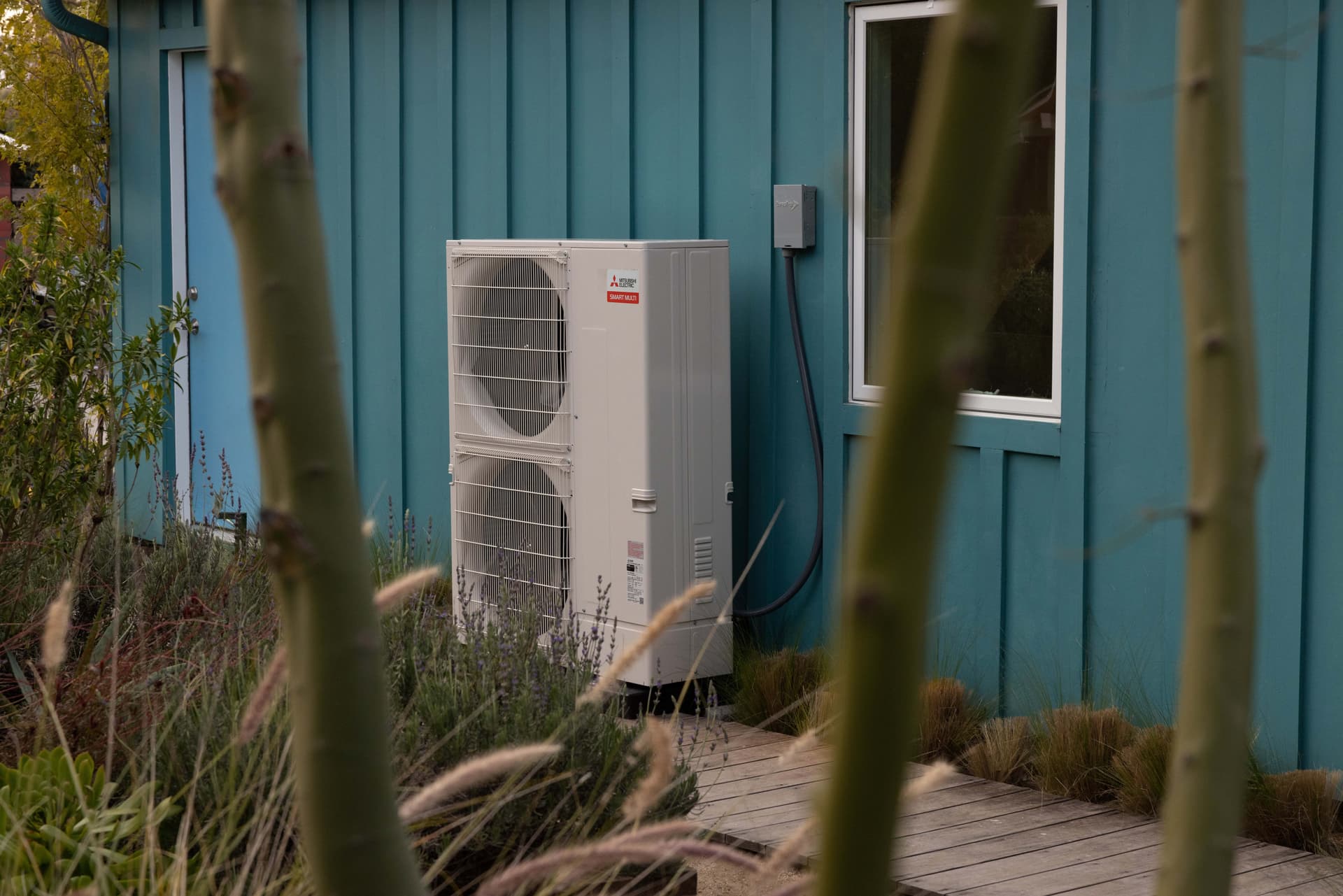
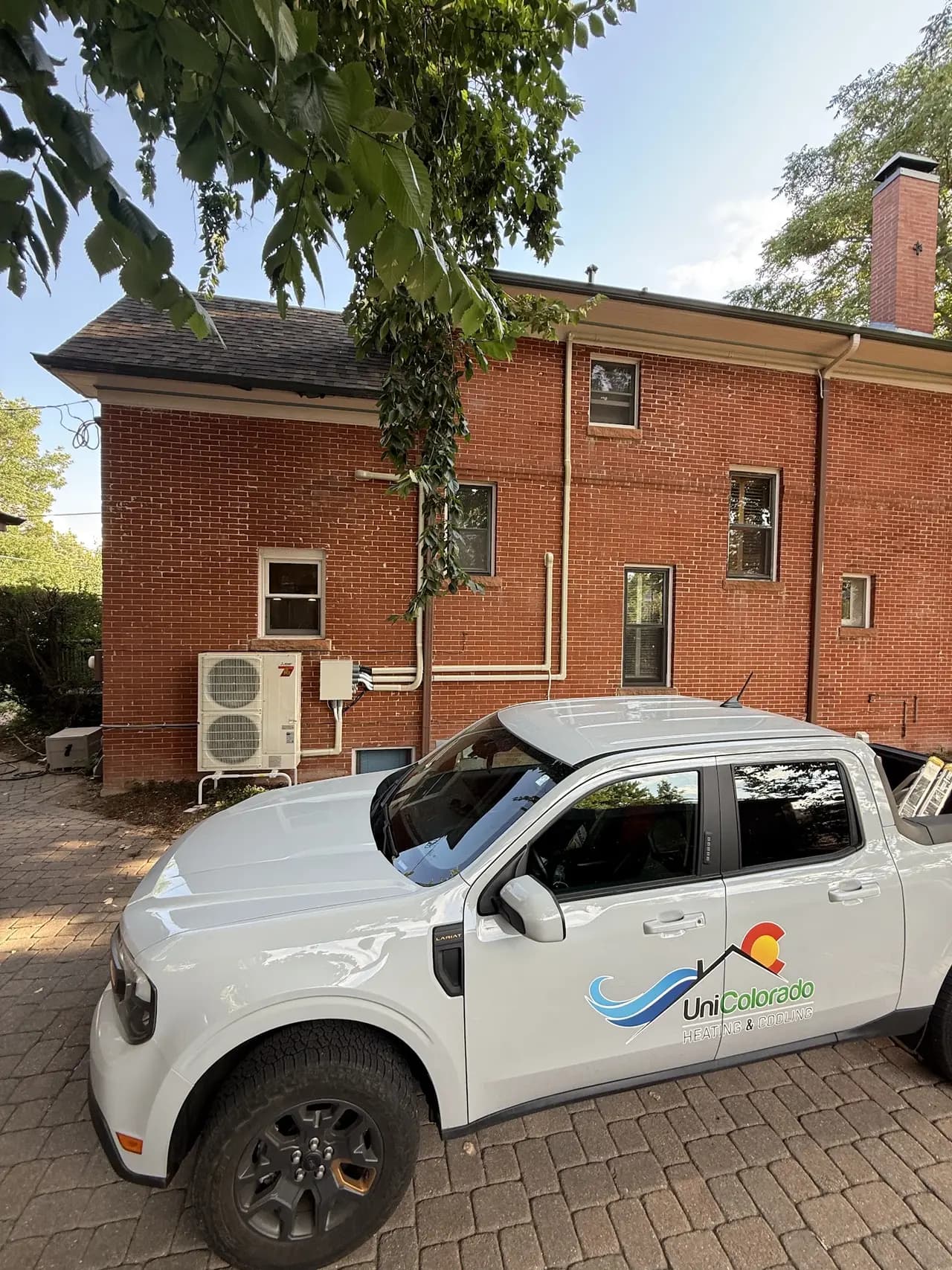
A heat pump and a central air conditioner are 95% the same machine. Same compressor. Same refrigerant. Same indoor coil. Same outdoor condenser. The difference is one component, a four-way reversing valve that flips the direction refrigerant flows. In summer, a heat pump moves heat from your house to the outside, exactly the way an AC does. In winter, it moves heat from outside air into your house.
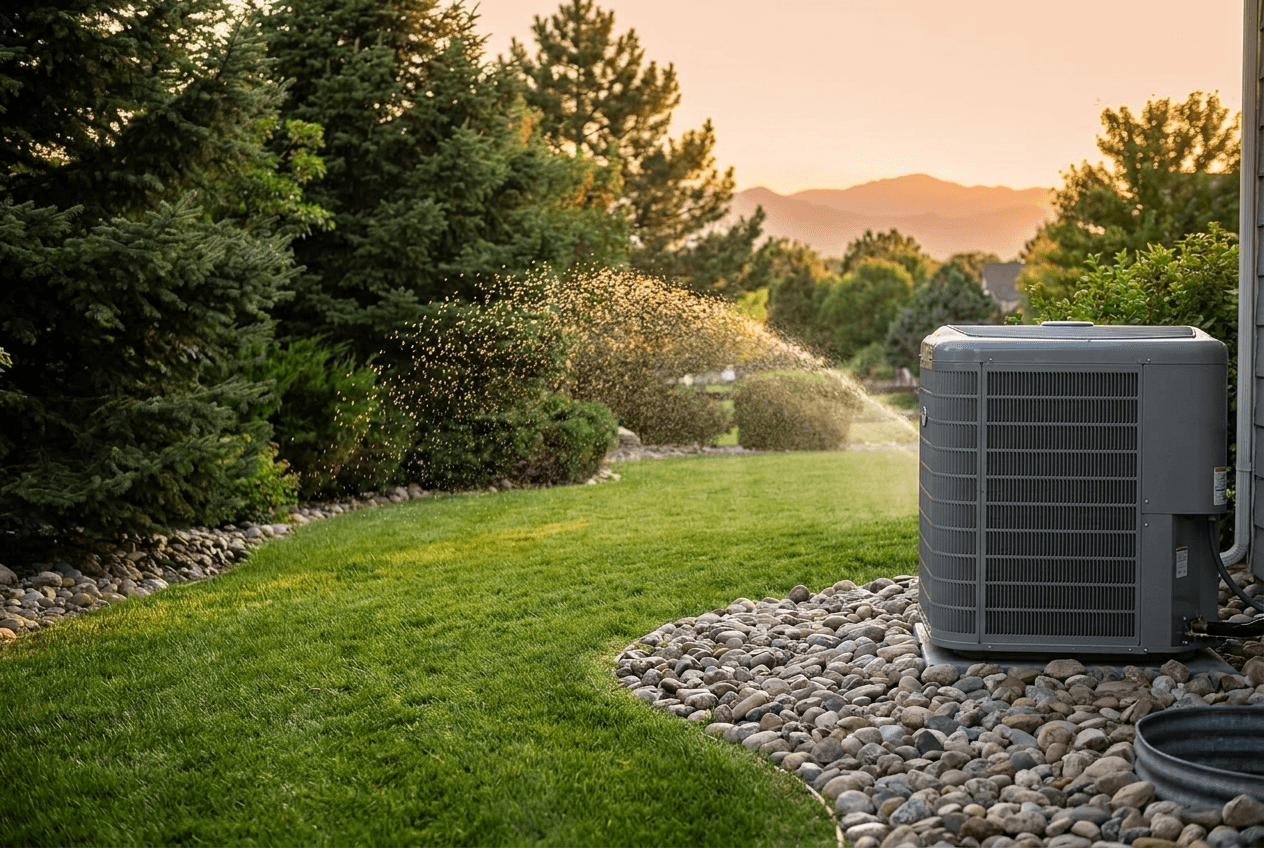
We've installed cold climate heat pumps in Colorado since 2014, well before they became mainstream , and the same question still comes up on almost every estimate: but will it actually cool? Yes. And in most cases, better than the central AC you have now. Here's the short version:
- Mechanically identical to AC in summer mode. If a central AC will cool your home, a comparably sized heat pump will too.
- Equal or better cooling efficiency. A modern cold climate heat pump typically rates SEER2 17-23. A baseline new central AC is SEER2 14.3. You're not giving anything up in cooling.
- Denver summers are the easy half of the design. Our cooling loads are small compared to heating loads, a heat pump sized for a Colorado winter has more than enough capacity for July.
- Variable-speed cooling is quieter and more even. Most cold climate heat pumps are inverter-driven, meaning they modulate output instead of cycling on and off like a single-stage AC.
How the Cooling Cycle Actually Works
To understand why a heat pump cools, you need to understand what an air conditioner actually does. Despite the name, an AC doesn't make cold, it moves heat. Refrigerant absorbs heat from your indoor air at the evaporator coil (where it boils into a gas), travels to the outdoor unit, gets compressed and condensed back into a liquid (releasing that heat outside), and returns to repeat the cycle. The indoor air that passes over the cold coil loses its heat and gets blown back into your house.
A heat pump runs the exact same cycle in cooling mode. The reversing valve sits idle. The refrigerant absorbs heat indoors, releases it outdoors, and the cycle repeats. Same compressor, same indoor coil, same blower, same ducts.
In winter, the reversing valve flips. Now the outdoor coil becomes the evaporator (absorbing heat from cold outside air, even at -13°F there's heat to extract) and the indoor coil becomes the condenser (releasing that heat into your home). The compressor doesn't care which direction it's pumping. The valve handles the rest.
This matters for two reasons. First, it means there's nothing inherently "experimental" about heat pump cooling, the cooling technology is older and more mature than the heating technology. Second, it means most of the troubleshooting and maintenance you already know about your AC applies. Dirty filter symptoms, frozen coil causes, condensate drain issues, hail damage, all the same on a heat pump in summer.
Cooling Efficiency vs. Central AC
Cooling efficiency is measured by SEER2 (Seasonal Energy Efficiency Ratio, 2023+ standard). Higher numbers mean more cooling output per watt of electricity. The minimum federal SEER2 rating for new AC and heat pump equipment in the northern U.S. is 14.3. Premium equipment runs much higher.
| Equipment class | SEER2 range | Details |
|---|---|---|
| Baseline central AC (new) | 14.3-15.2 | |
| Mid-tier central AC | 16-17 | |
| Premium central AC | 18-21 | |
| Standard cold climate heat pump | 17-19 | |
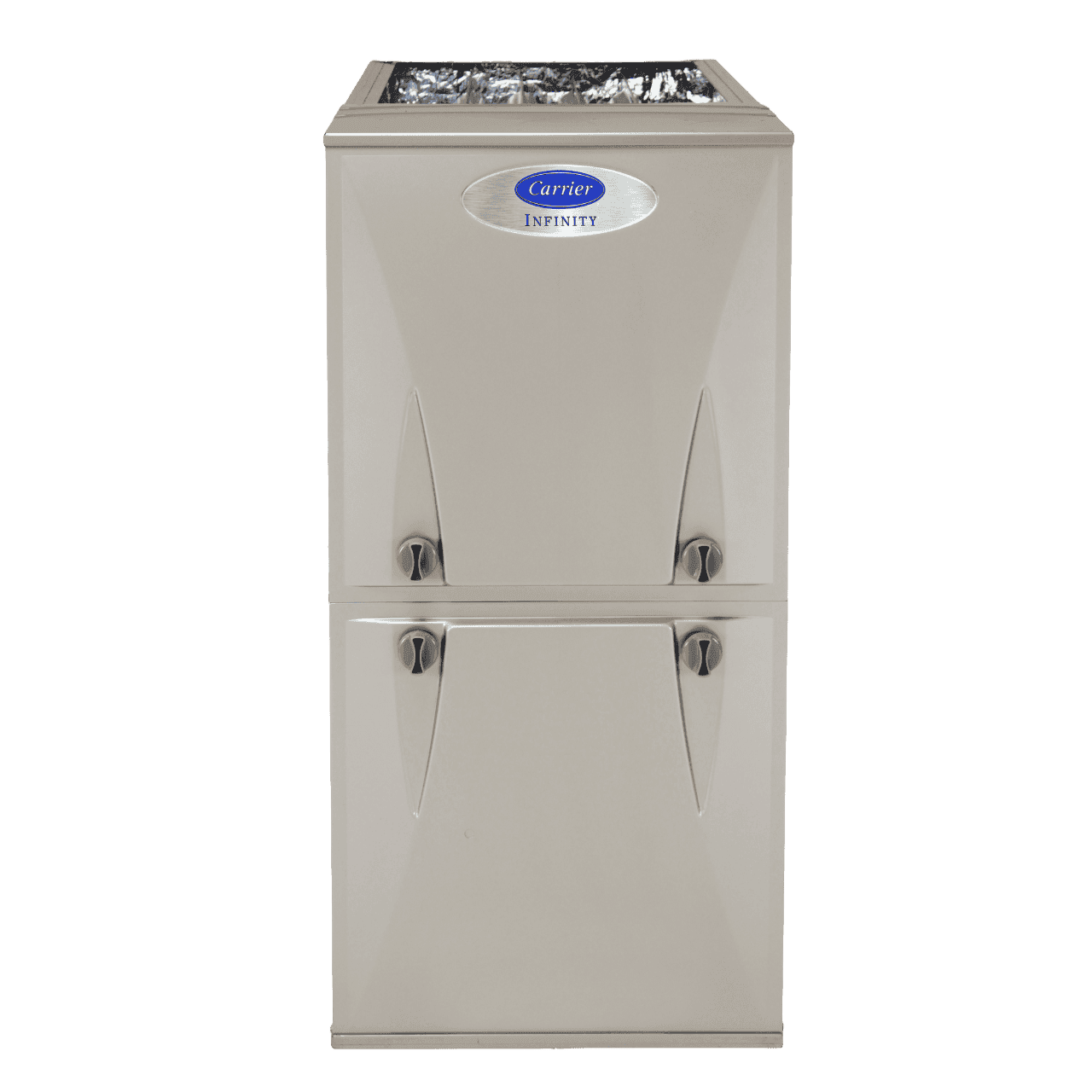
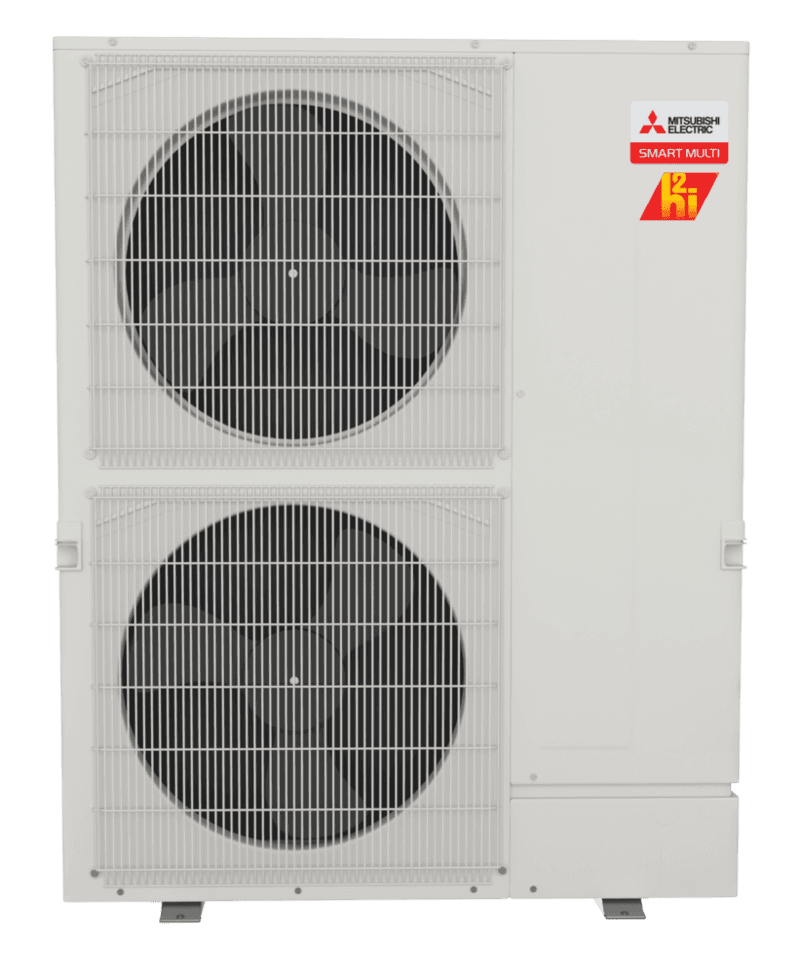
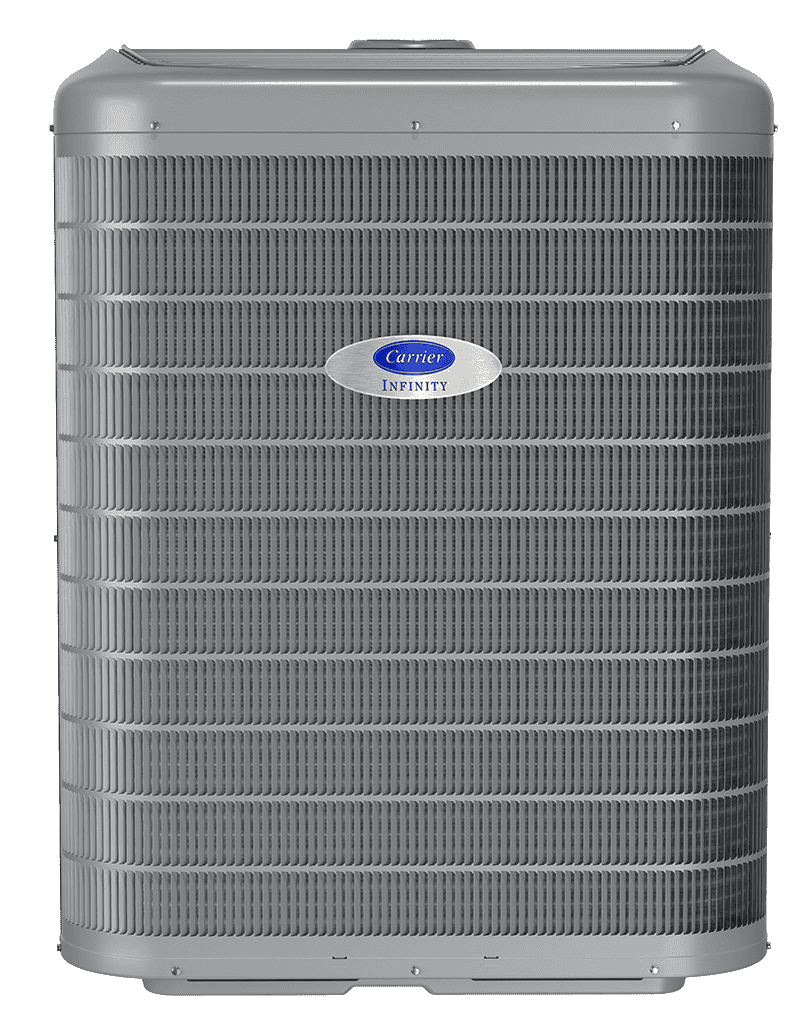
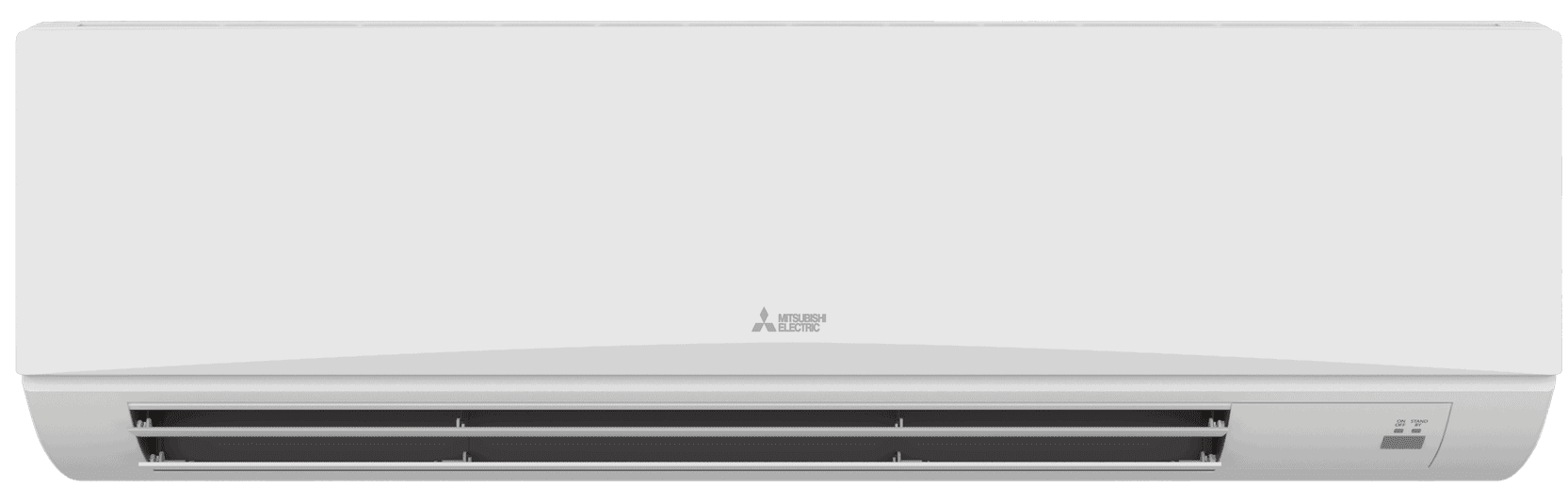
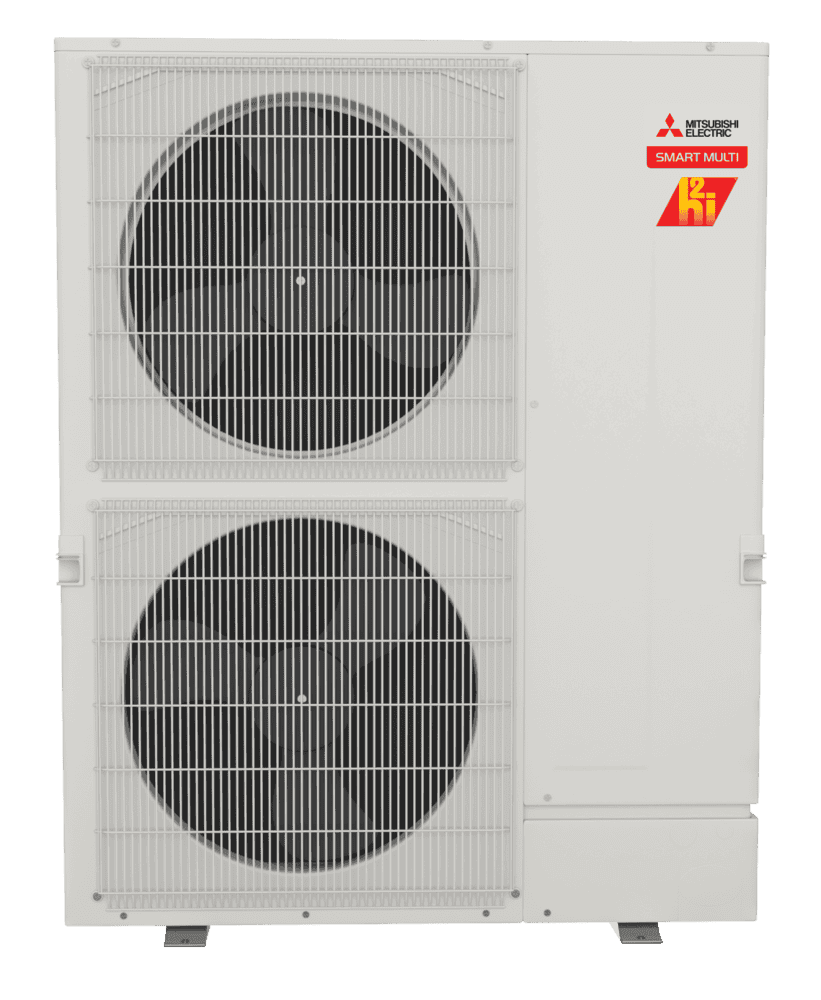
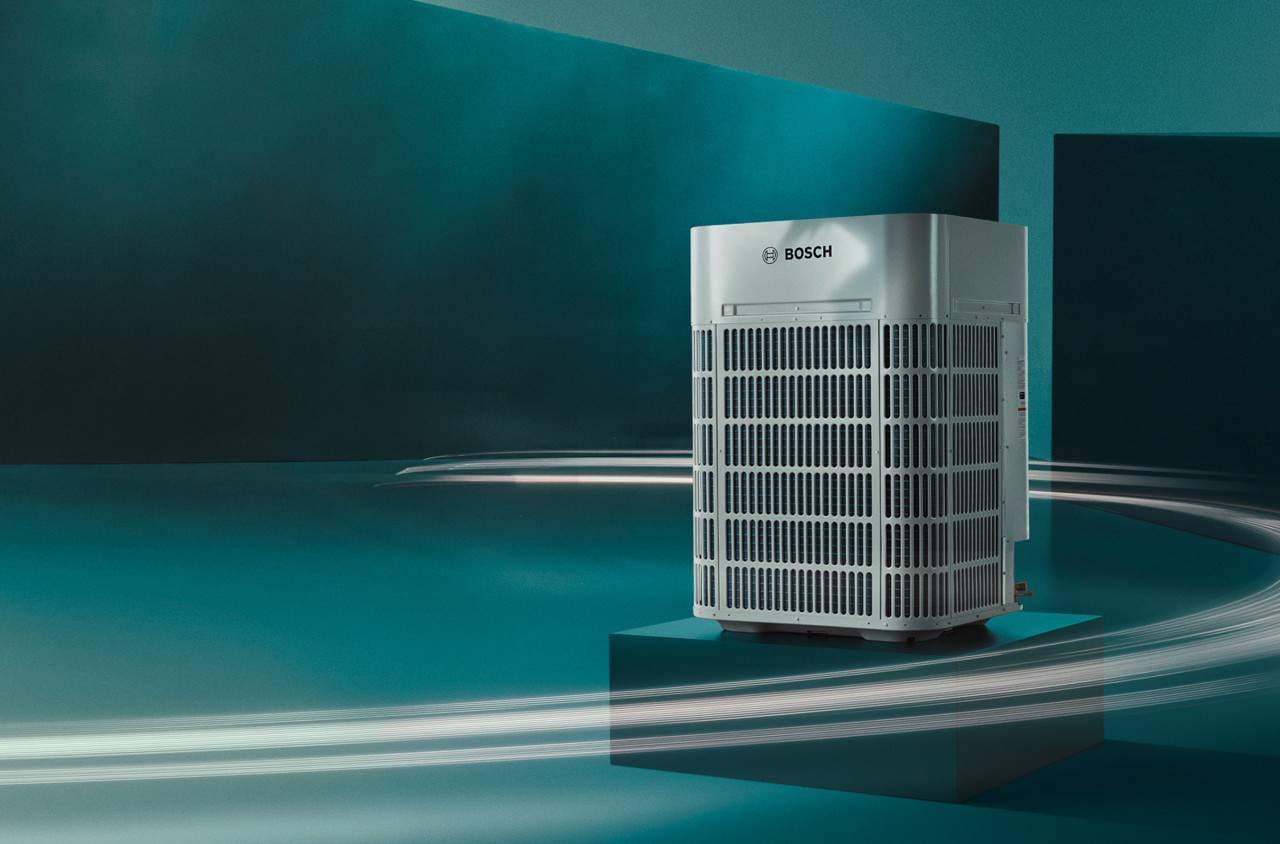
| Premium cold climate heat pump (Bosch IDS Ultra, Mitsubishi H2i, Carrier Infinity) | 20-23 |
The takeaway: a baseline new central AC at SEER2 14.3 is meaningfully less efficient in cooling than a standard cold climate heat pump at SEER2 17-19. If you're replacing a 12-year-old AC running at an effective SEER2 of 10-11 (after years of capacity loss), even a baseline heat pump is a significant cooling efficiency upgrade, never mind a premium one.
See our breakdown of SEER2, HSPF2, and AFUE ratings explained for the deeper dive on what these numbers mean in real-world energy savings.
How Heat Pumps Hold Up in a Denver Summer
Denver's climate makes cooling the easier half of the HVAC design problem. We have hot afternoons but mild overnight lows, low humidity, and a relatively short cooling season (mid-May through mid-September). A heat pump sized for the harder problem (keeping a house warm at 5°F in February) has plenty of spare capacity for a 95°F July afternoon.
Cooling load is the smaller load in Denver
On a Manual J load calculation for a typical 2,000 sq ft Denver home, summer cooling load lands around 24,000-30,000 BTU/hr (2-2.5 tons). Winter heating load on the same house is 45,000-55,000 BTU/hr. A 3-ton cold climate heat pump sized to handle the winter has more than enough cooling headroom for any real Denver heat wave.
Inverter modulation handles temperature swings better
Denver swings 40-50°F between afternoon highs and overnight lows in summer. A single-stage AC runs at 100% or 0%, it can't adjust to lighter cooling loads in the morning or evening, so it short-cycles. A variable-speed heat pump modulates between roughly 25% and 100% of capacity. Once the house is cool, it ramps down and runs at low speed continuously, holding temperature within ±1°F instead of the ±3°F you'll see from a single-stage system.
Altitude derate is identical to AC
Some homeowners worry that heat pumps lose more capacity at altitude than central AC does. They don't, the derate is roughly equal because the compressor and air-handling physics are the same. At 5,280 ft, both lose about 17% of nameplate capacity from sea level ratings, and modern equipment from Bosch, Mitsubishi, and Carrier compensates in factory settings.
What we've measured on Denver installs
Across the heat pumps we've installed since 2014, the most common summer feedback is "why is it so much quieter?" followed by "the upstairs is finally even with the downstairs." The cooling capacity is rarely the surprise. It's the comfort difference from variable-speed operation. A few honest caveats:
- On the hottest week of the year (105°F+, which we get a handful of days per year), a marginally sized system will run close to 100% in mid-afternoon. The same is true of a central AC.
- Heat pumps benefit from clean outdoor coils more than central ACs do because the outdoor unit works year-round. Cottonwood season hits both, but the maintenance habit matters more for a heat pump.
- If your existing ductwork is undersized or leaky, switching to a heat pump won't fix room-to-room comfort problems. Duct issues stay duct issues regardless of equipment.
Why You've Been Told Otherwise
If a sales rep at another company told you heat pumps don't cool well at altitude, can't handle Denver summers, or are a winter-only solution, there are usually three things going on.
1. They install more central AC than heat pumps, and that's what they know. Heat pump installs require Manual J load calculations done right, electrical service that may need an upgrade, and sizing experience that single-stage AC installers haven't built up. A company that mostly sells AC is incentivized to recommend AC.
2. They're thinking of 1990s-era heat pumps. Cold climate technology took a leap forward around 2015 with inverter-driven cold-climate units from Mitsubishi, Carrier, and Bosch. Anything you read or heard about heat pumps before 2018 is probably outdated. Modern units cool as well as any comparable AC and heat far better than what was available a decade ago.
3. They're confusing "won't heat in cold climates" with "won't cool either." The old criticism of heat pumps was that they lost too much heating capacity at low outdoor temperatures. That criticism doesn't apply to cold climate models, and it was never about cooling in the first place. Cooling has always been easier than heating for any heat pump.
If you're weighing a new central AC against a heat pump, the better question isn't whether the heat pump cools. It's whether you want to make this decision once for both heating and cooling or twice over the next decade. See our heat pump installation page for what an install actually looks like, or heat pump installation cost in Denver for current pricing including Xcel rebates.
Related Guides
How they handle Colorado winters down to -13°F
The two main configurations and when each makes sense
When ductless cooling is the right call
The complete Colorado homeowner's guide