








What changed, and why
The federal AIM Act phases down hydrofluorocarbon refrigerants, the class R-410A belongs to, because they trap hundreds to thousands of times more heat than carbon dioxide. EPA cuts the supply in steps: 60 percent of baseline from 2024, 30 percent from 2029, 15 percent from 2036.
For new residential AC and heat pump systems, EPA capped refrigerant GWP at 700 for equipment built from January 1, 2025. R-410A is 2,088. R-454B, at 466, is what the major brands chose.
One date moved in 2026. The rule had banned installing a new R-410A system after January 1, 2026; EPA removed that deadline effective July 27, 2026. Pre-2025 R-410A equipment can be installed until stock runs out, and no more is being built.
What R-454B is
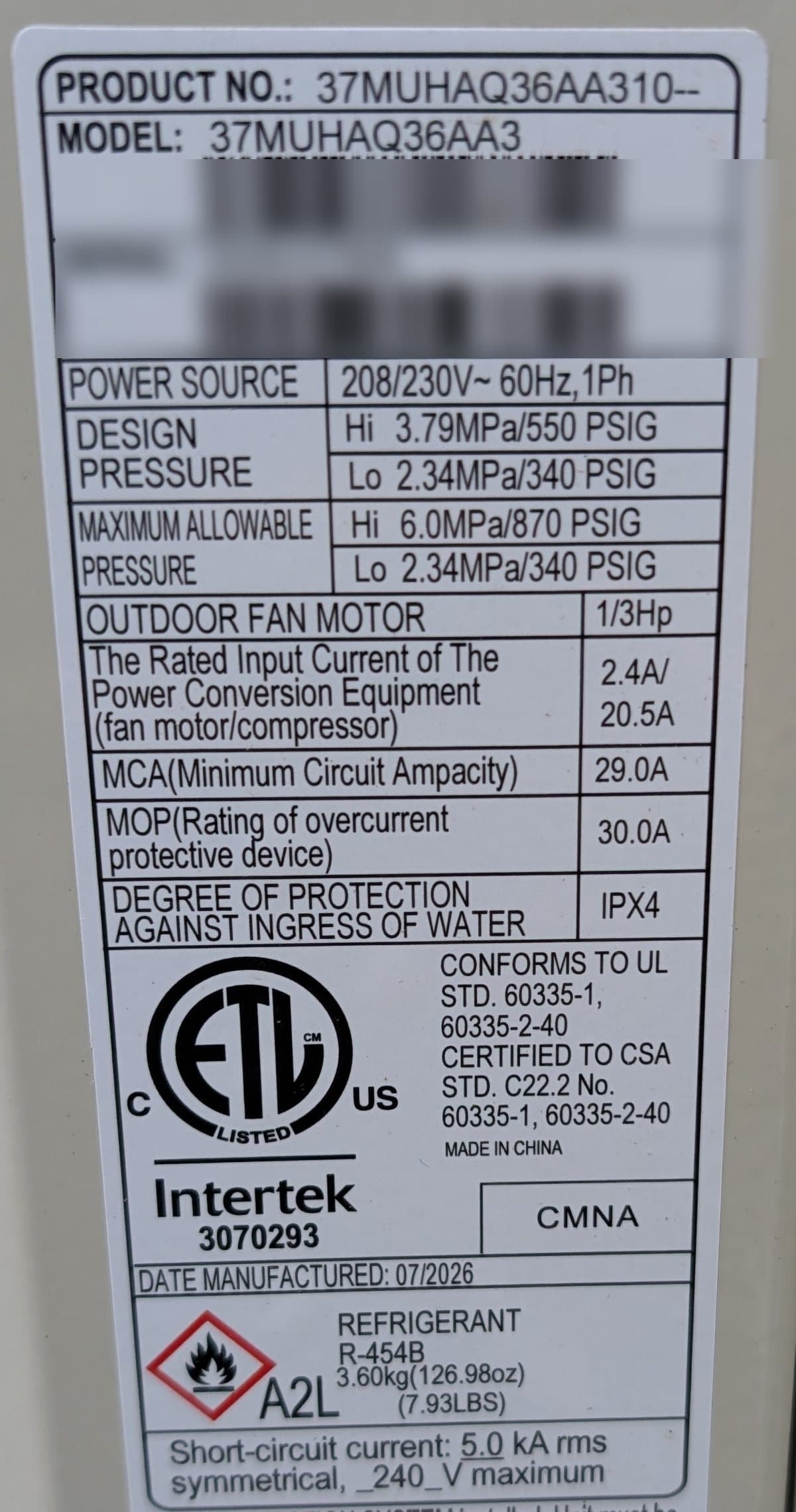
A blend of about 69 percent R-32 and 31 percent R-1234yf, sold as Opteon XL41, Solstice 454B and Puron Advance. Pressures are close to R-410A, so the equipment looks and installs much the same.
It is not a drop-in. Compressors, metering devices and coils are built for one refrigerant or the other; an R-410A coil cannot pair with an R-454B outdoor unit.
- GWP
- R-410A
- 2,088
- R-454B
- 466
- Safety class (ASHRAE 34)
- R-410A
- A1, not flammable
- R-454B
- A2L, mildly flammable
- Drop-in for the other?
- R-410A
- No
- R-454B
- No
- In new residential systems
- R-410A
- Built through 2024
- R-454B
- Built from 2025
- Available for servicing
- R-410A
- Yes, supply shrinking
- R-454B
- Yes
What "mildly flammable" means for your install
A2L is the lowest flammability class above zero: it needs a large ignition source and a high concentration, and the flame spreads at under half a mile per hour. A2L systems have shipped across the United States since 2025.
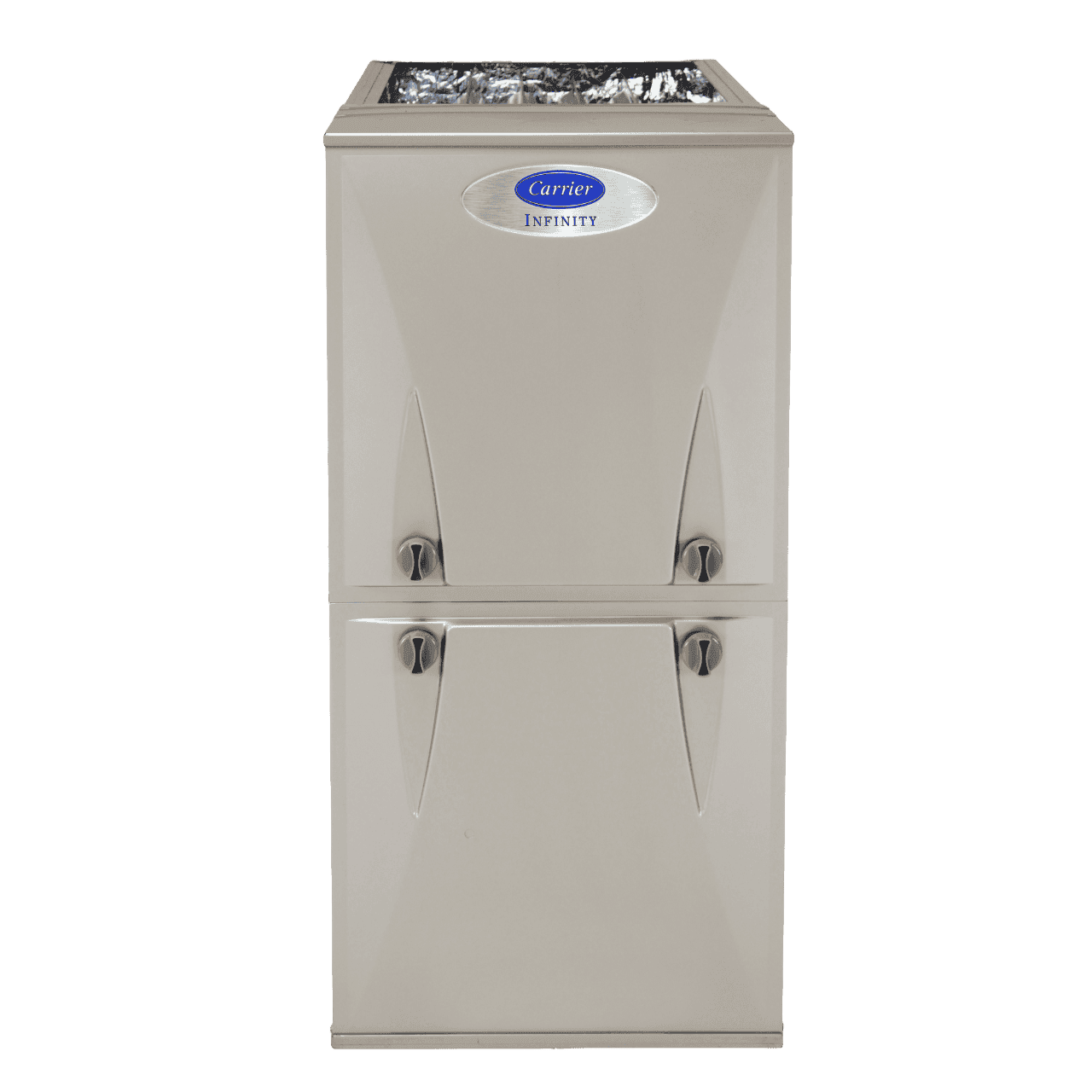
The safety design is built into the equipment. Indoor coils and air handlers carry a leak sensor and a dissipation control that runs the blower if refrigerant is detected. Your existing furnace does not need replacing for it to work.
Denver reviews A2L installs under its 2025 Building Code (ASHRAE 15-2024 and 34-2024 for projects submitted after December 31, 2025). For you it shows up as the permit and inspection on the job.
What happens to your R-410A system
Nothing, by rule. EPA requires no one to stop using existing equipment, and R-410A parts are still made for maintenance. A recharge in Denver runs $300 to $700 today.
What changes is the price of the refrigerant as supply drops to 30 percent of baseline in 2029 and 15 percent in 2036. Service stays legal and each pound costs more, the same path R-22 took; see our R-22 guide.
Repair or replace: the by-situation rule
Keep a working R-410A system that needs minor service: a capacitor, a contactor, a fan motor, a recharge after a repaired leak.
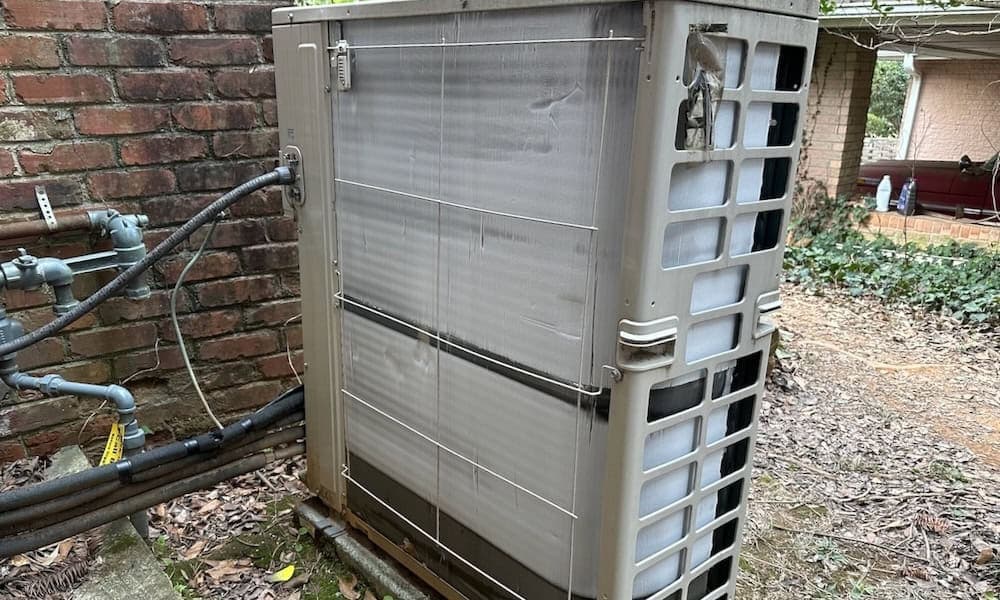
Replace when the compressor or a coil fails. A compressor runs $1,600 to $4,800, an evaporator coil $2,100 to $4,800, and a failed condenser coil means a new outdoor unit at $3,200 to $6,400 or more, on equipment that is now service-only inventory.
Those numbers sit close to a new system: a standard AC installs for $7,400 to $10,450, and a cold climate heat pump runs $10,562 to $15,504 out of pocket after Xcel and state incentives a repair never gets. Example figures; costs vary by home and tonnage.

Compressor or coil gone on an R-410A system?
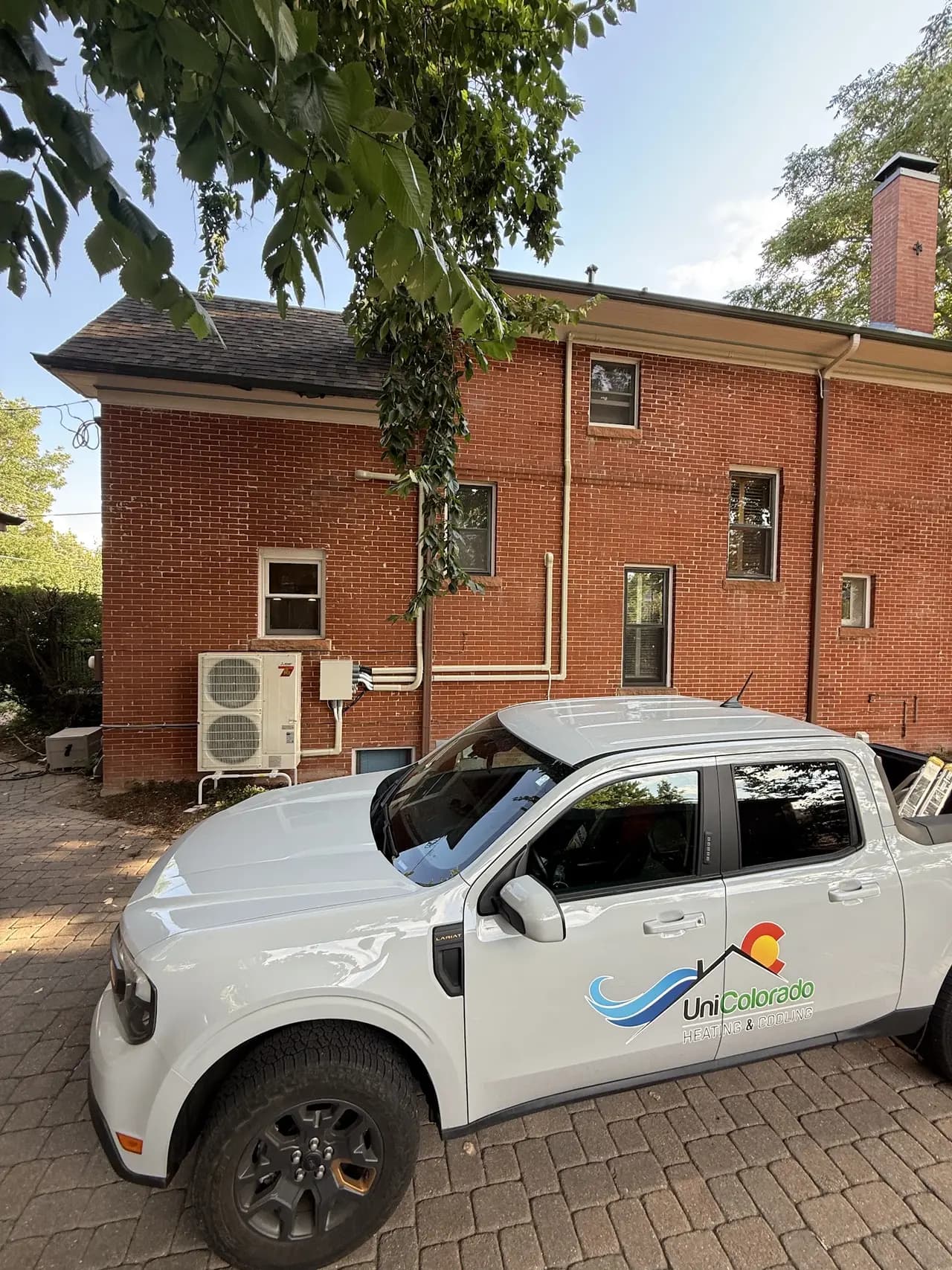
We quote the R-454B replacement with every program you qualify for already deducted, and we file the paperwork. Mitsubishi, Carrier and Bosch.
The 2025 shortage
In spring 2025 contractors could not get R-454B service cylinders. New equipment ships pre-charged, so installs went ahead; the gap was top-offs and long linesets, and suppliers added filling capacity through the summer. The blend still costs more per pound than R-410A did at the same age, but a new install needs little beyond the factory charge.
What we install on R-454B
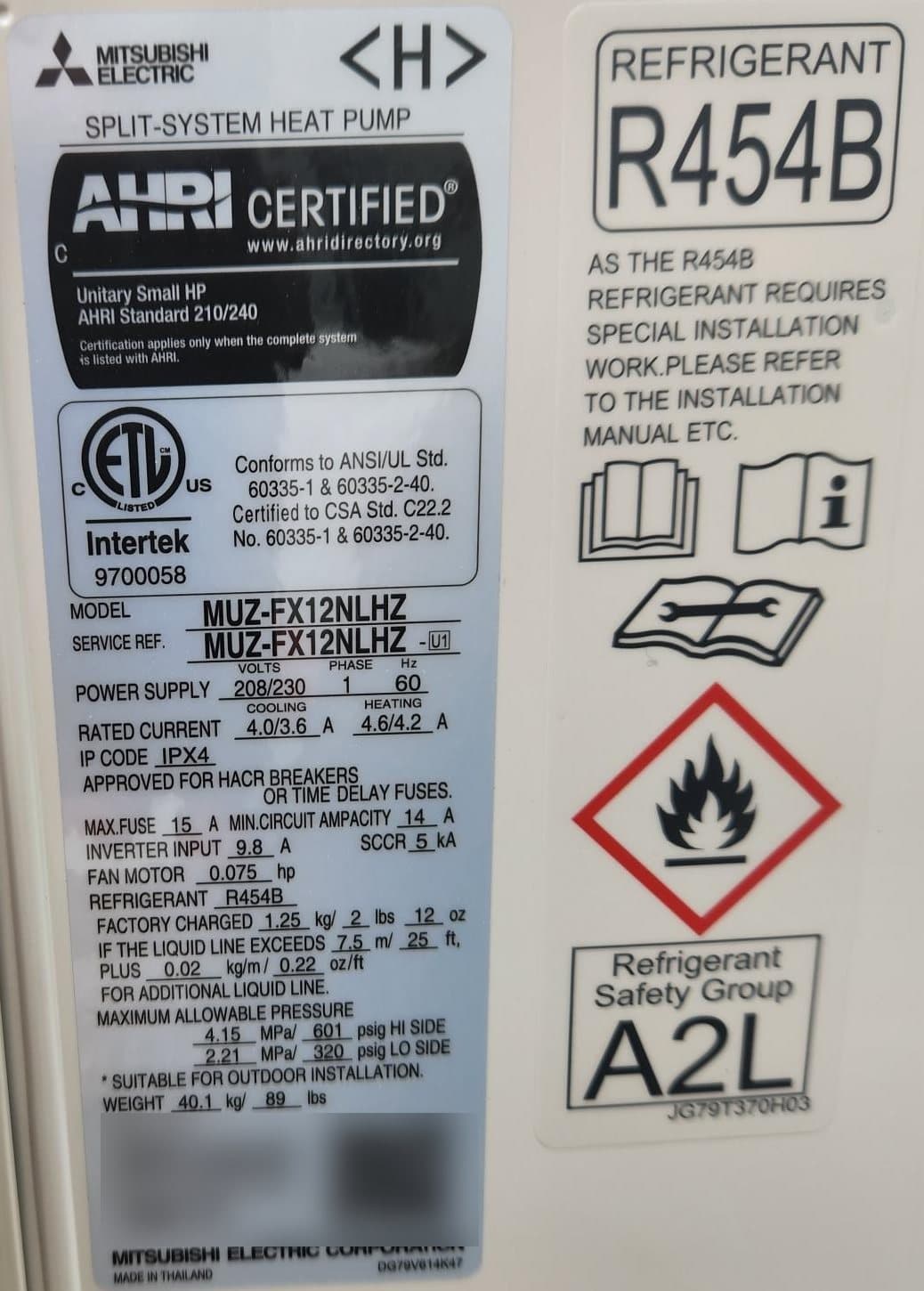
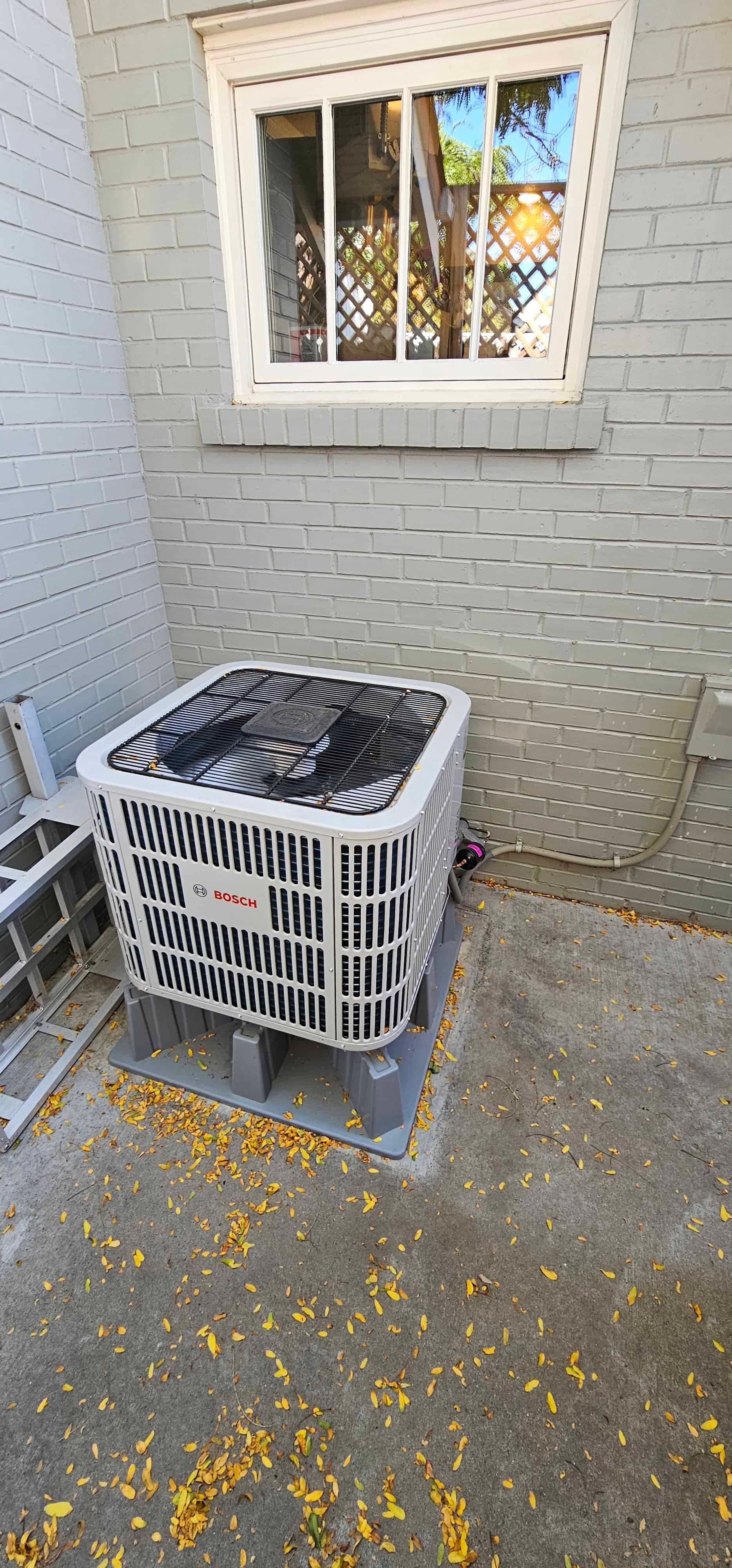
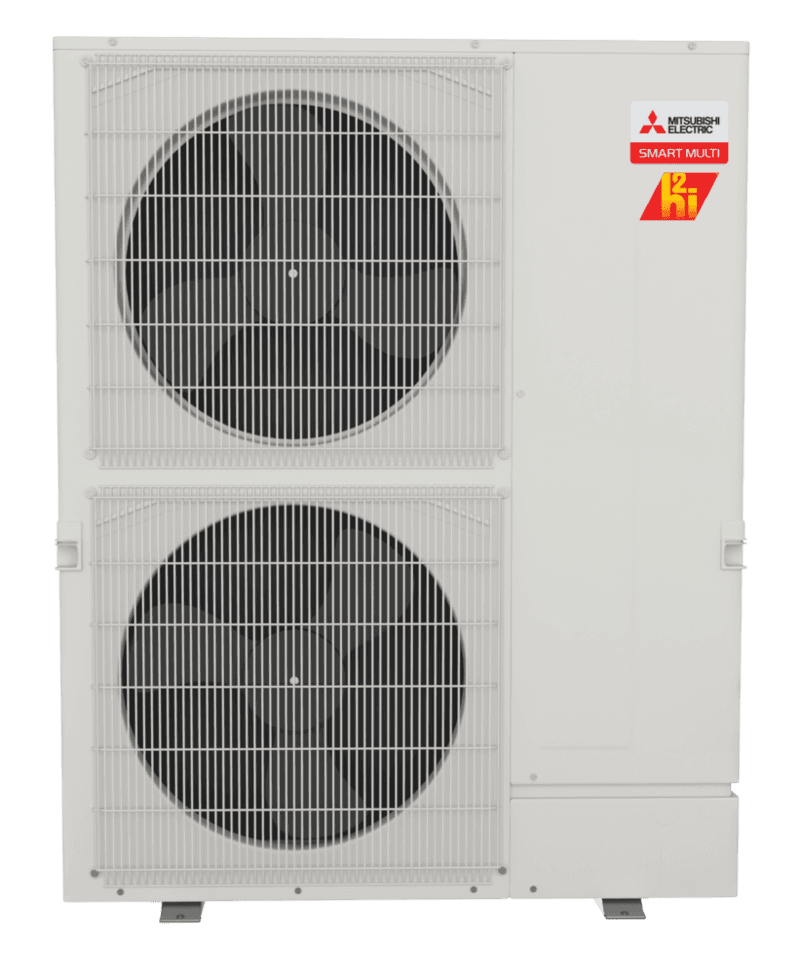
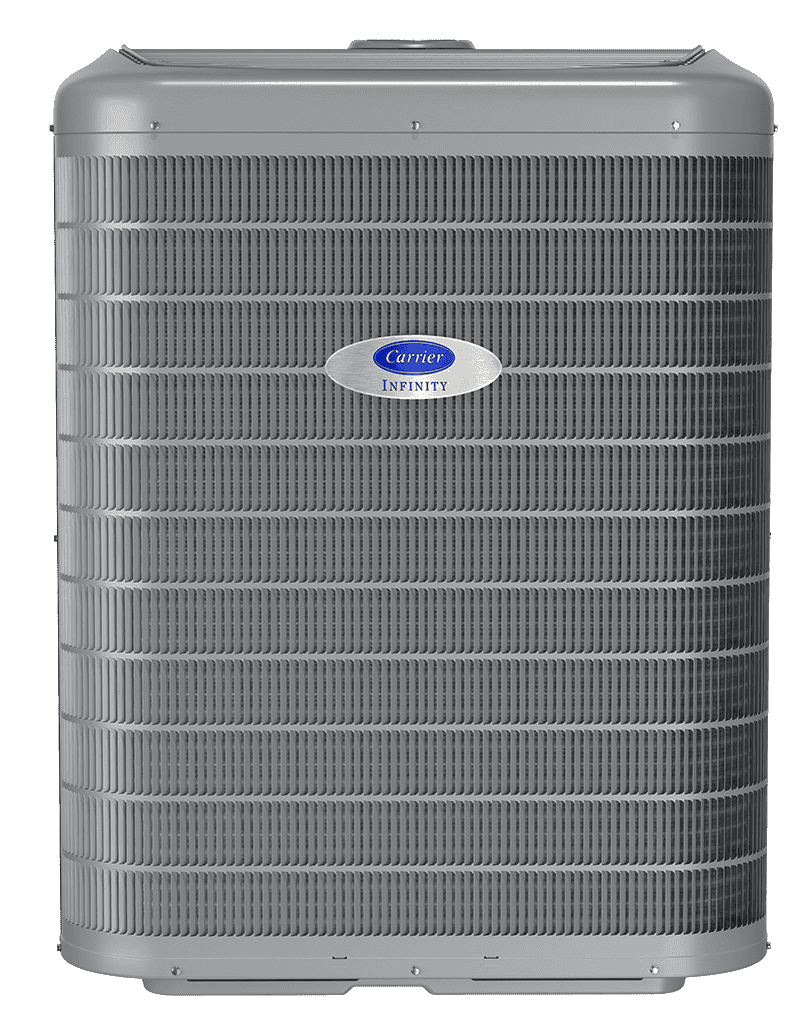
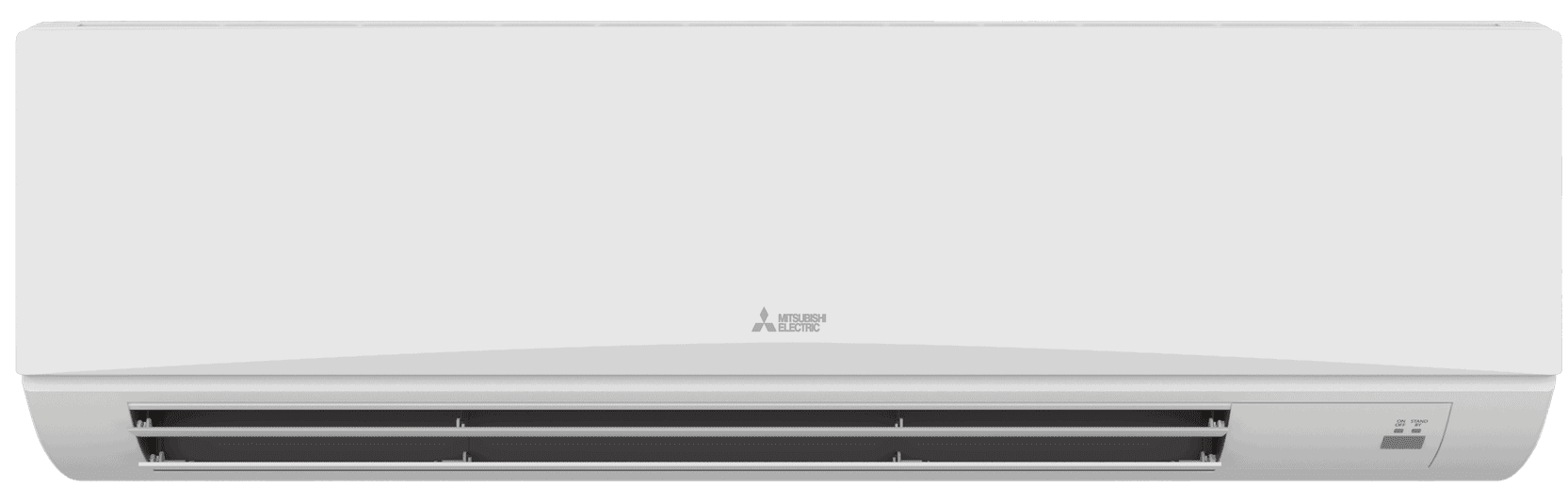
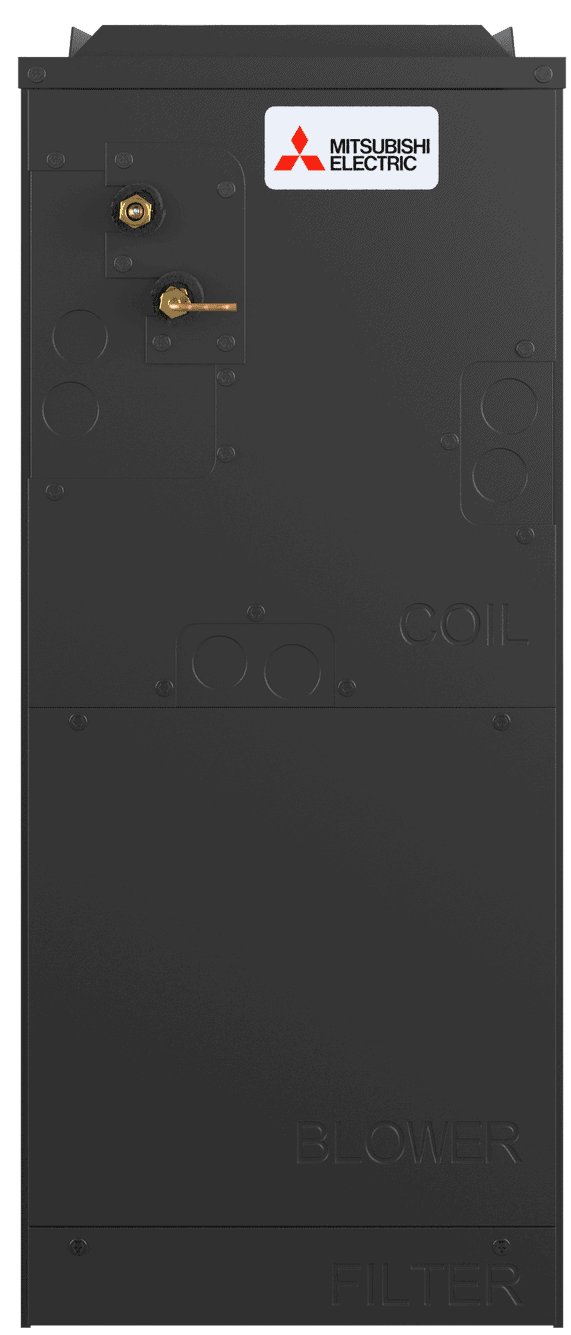
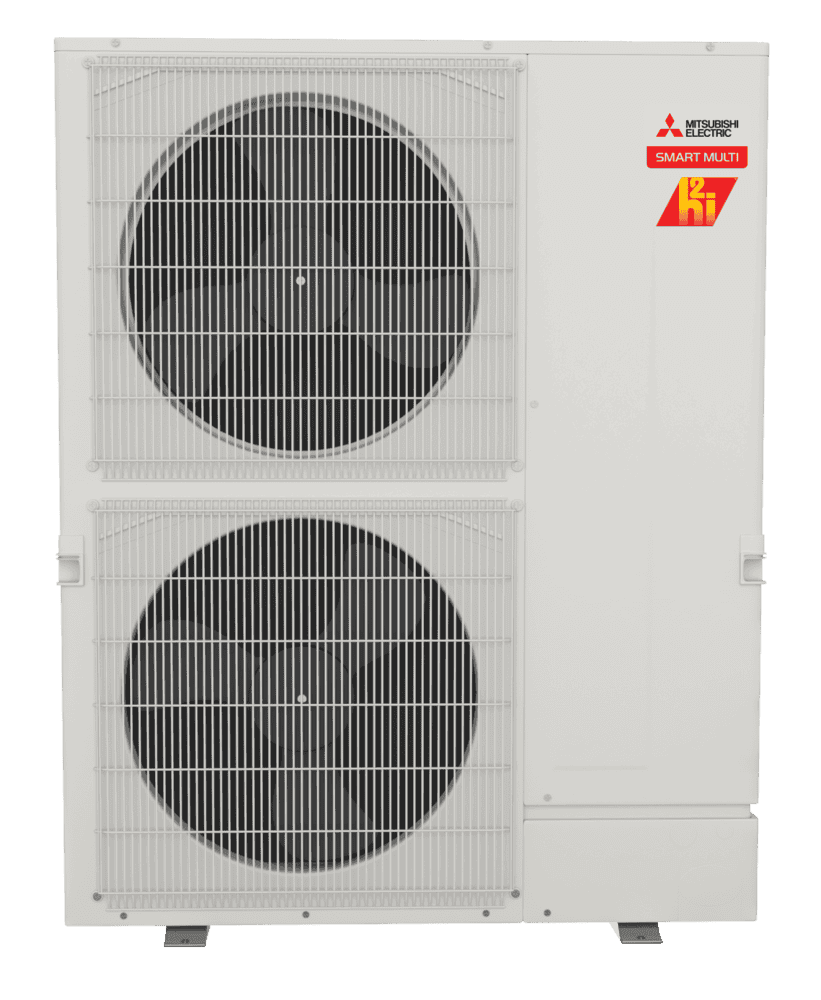
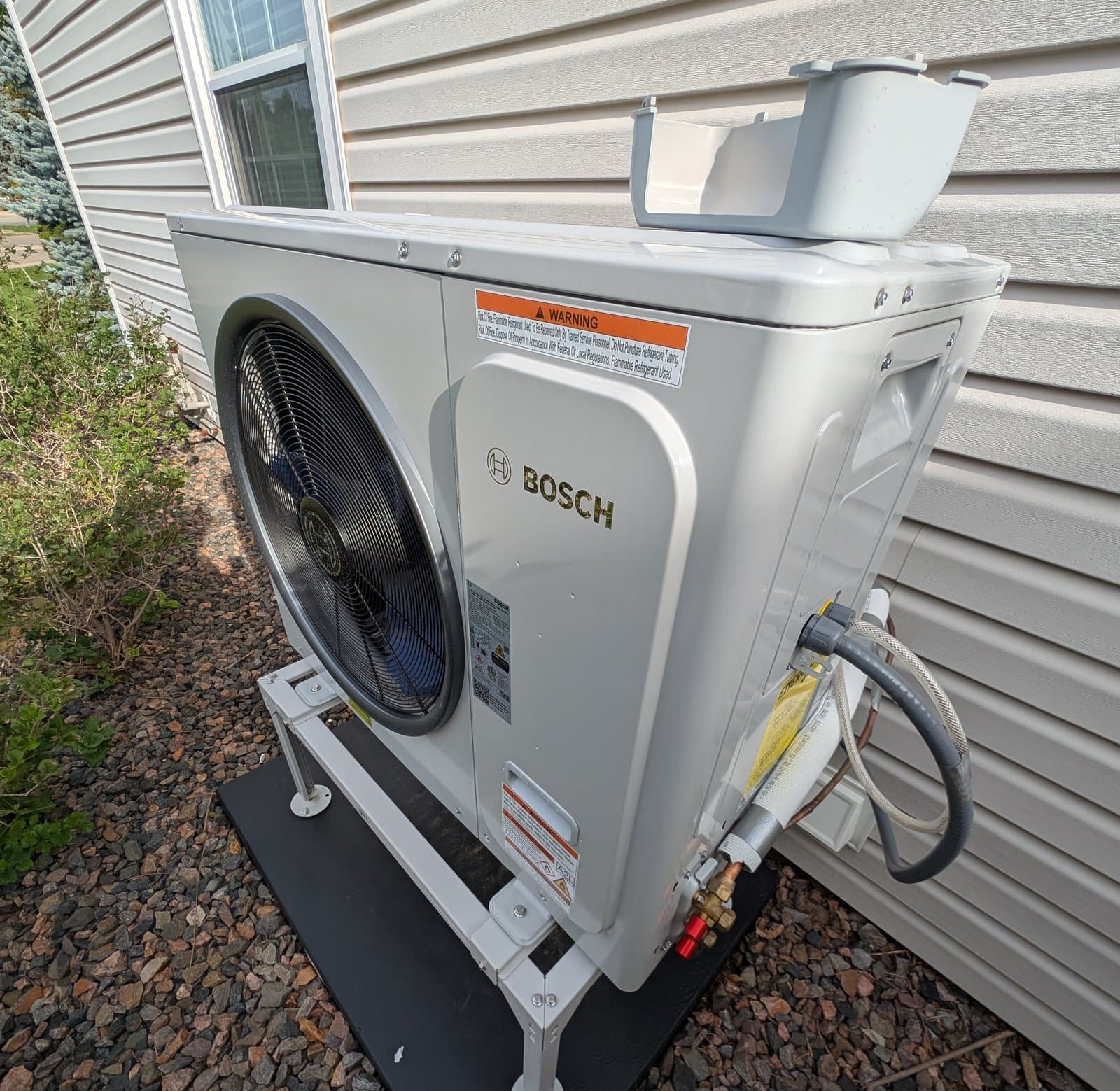
All three brands we carry moved to R-454B in 2025: Carrier as Puron Advance, Mitsubishi Electric in the FX and GX series and SMART MULTI, and Bosch across the IDS Light, Plus, Premium and Ultra line with matching coils.
A new Denver system in 2026 is R-454B whether it is an AC swap or a heat pump conversion. The decision that still matters is AC or heat pump, and that one is about rebates and operating cost.