










Who ends up with the high bill
Most homeowners writing this search went all-electric without the prep that makes all-electric cheap. No solar, no batteries, no air sealing, and often a house that is leaky or too big to heat on electricity at Colorado rates. They bought on marketing, did not do enough research, and found out on the first January bill.
The heat pump itself is rarely the problem. At $0.155 per kWh, a cold-climate unit at a mild-winter COP of 3 delivers heat for about 64% more than a 95% furnace burning gas at $0.88 per therm (table below). That gap is small and predictable. What breaks the bill is where the heat comes from on the coldest days. In an all-electric air handler, that is often the resistance strips, which cost more per unit of heat than anything else on the table.
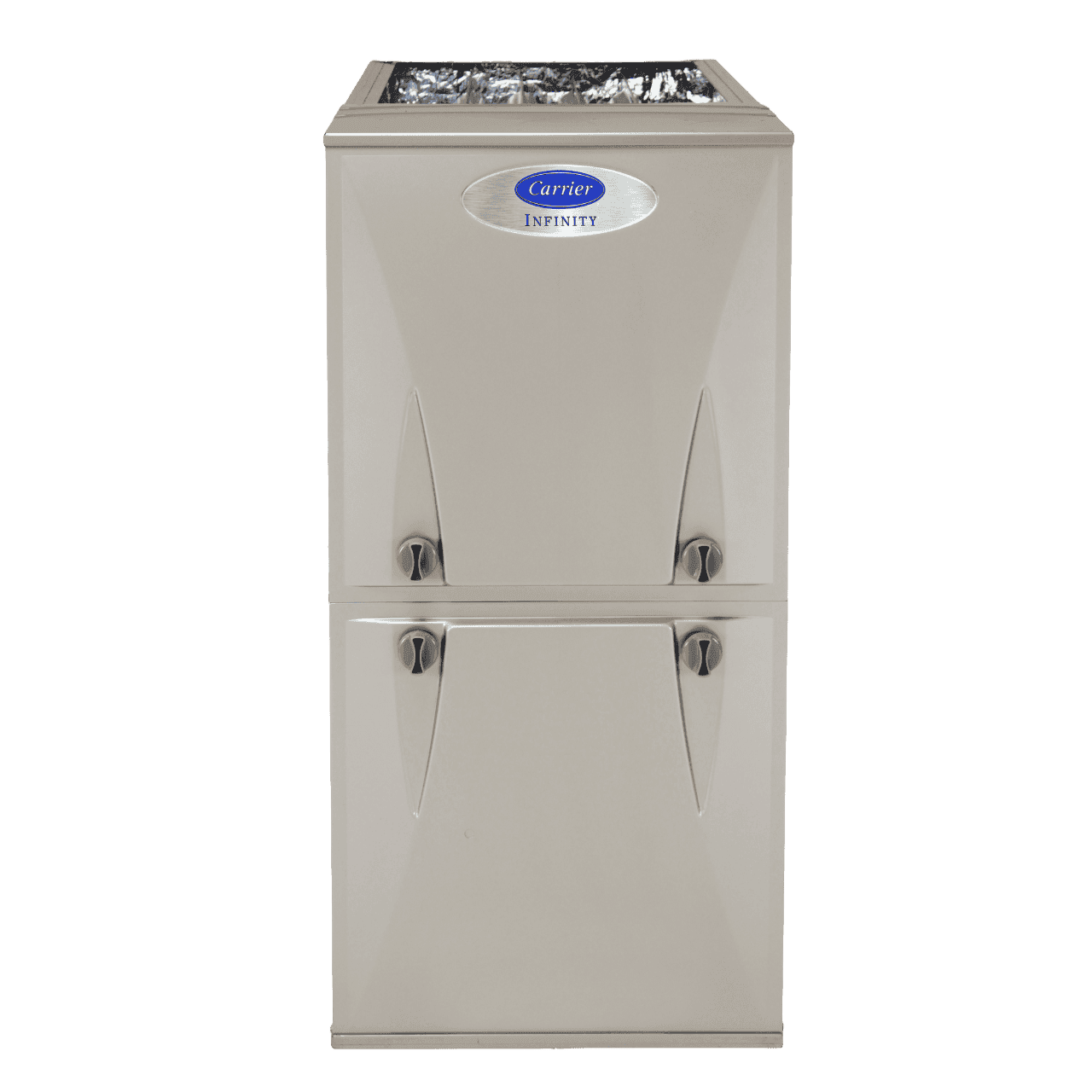
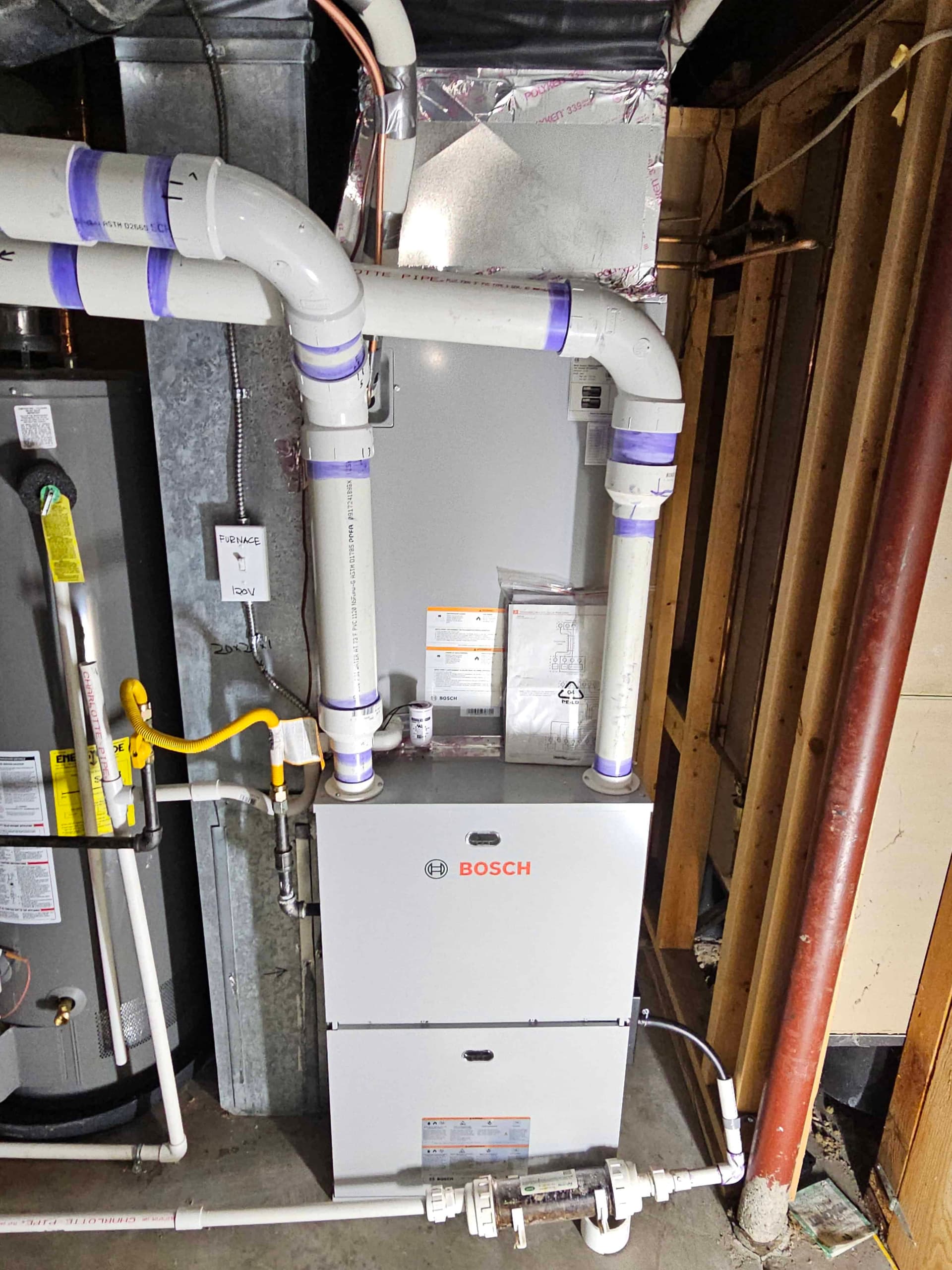
Dual fuel keeps the bill in check. The gas furnace takes over below a changeover point you choose, and at Xcel's October 2026 rates gas is the same price or cheaper per unit of heat, so a higher changeover keeps more of the heating on gas. The rest of this page turns each cause into a question you can ask before you sign. For the wider list of tradeoffs, see heat pump downsides in Denver.
What a dual-fuel bill looks like in Denver
On a dual-fuel install the electric bill rises and the gas bill falls. At Xcel's October 2026 rates, don't expect the two added together to come in below the old furnace and AC; gas heat costs the same or less than heat pump heat at every outdoor temperature. Your house and your changeover setting decide how close it lands.
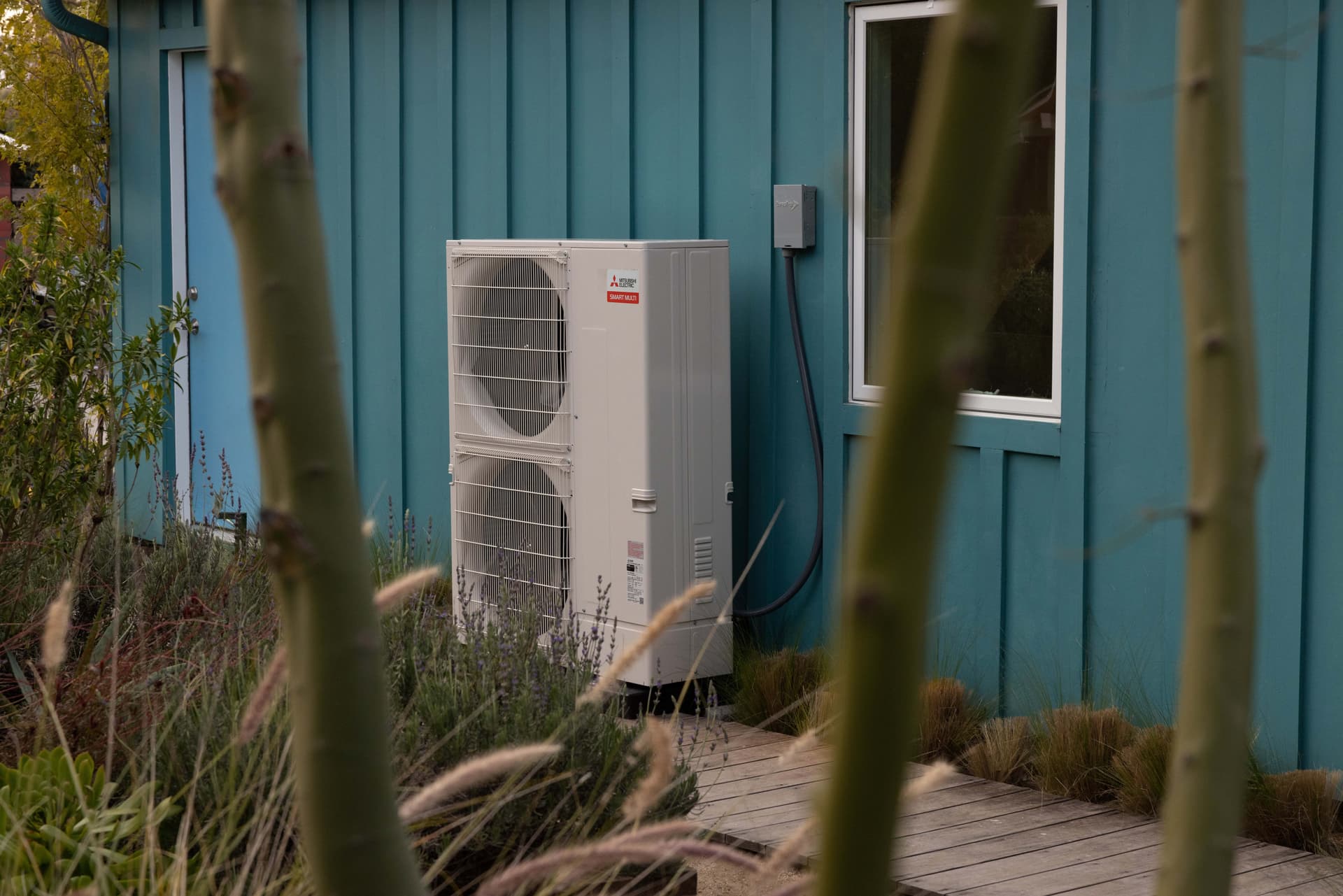
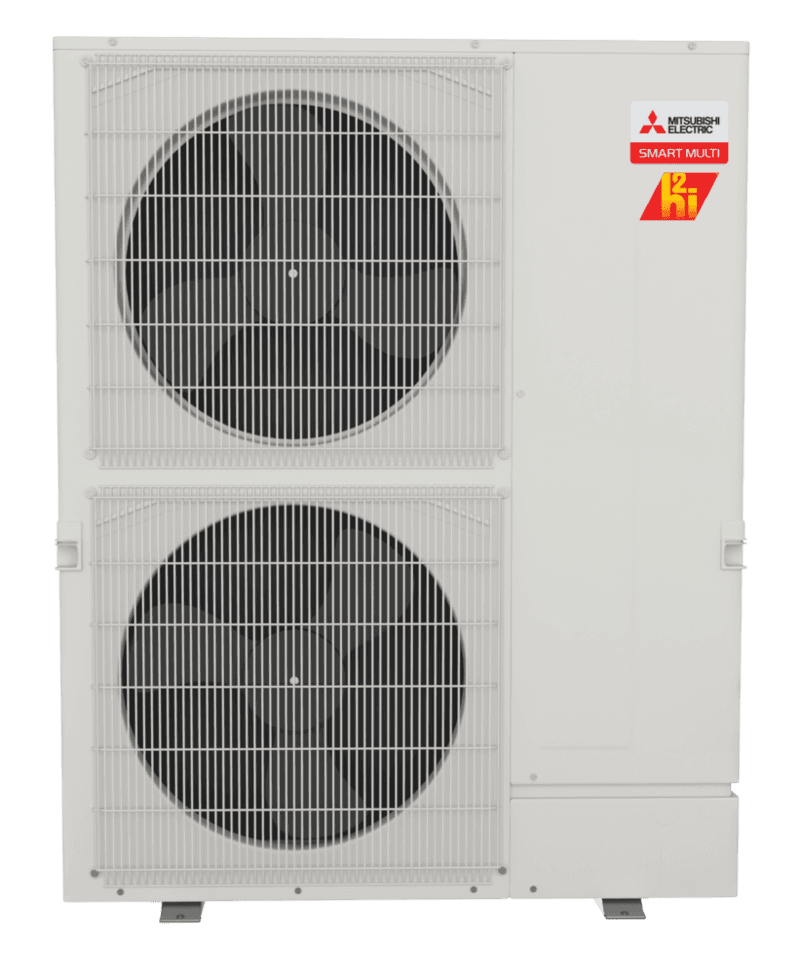
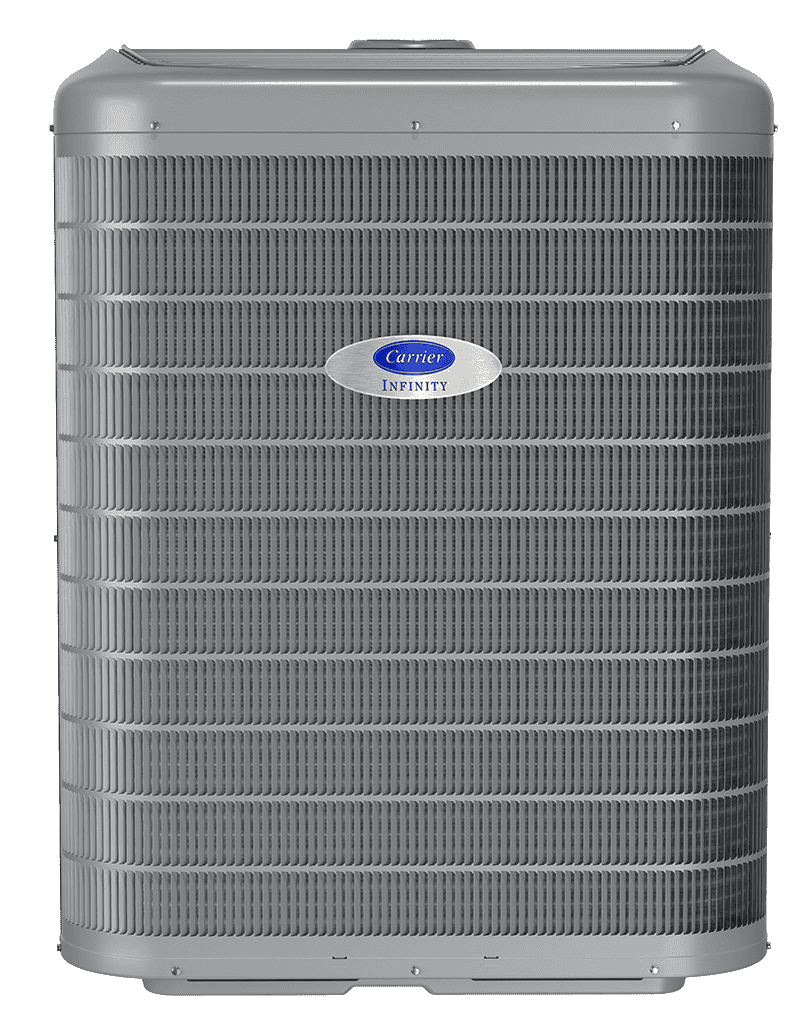
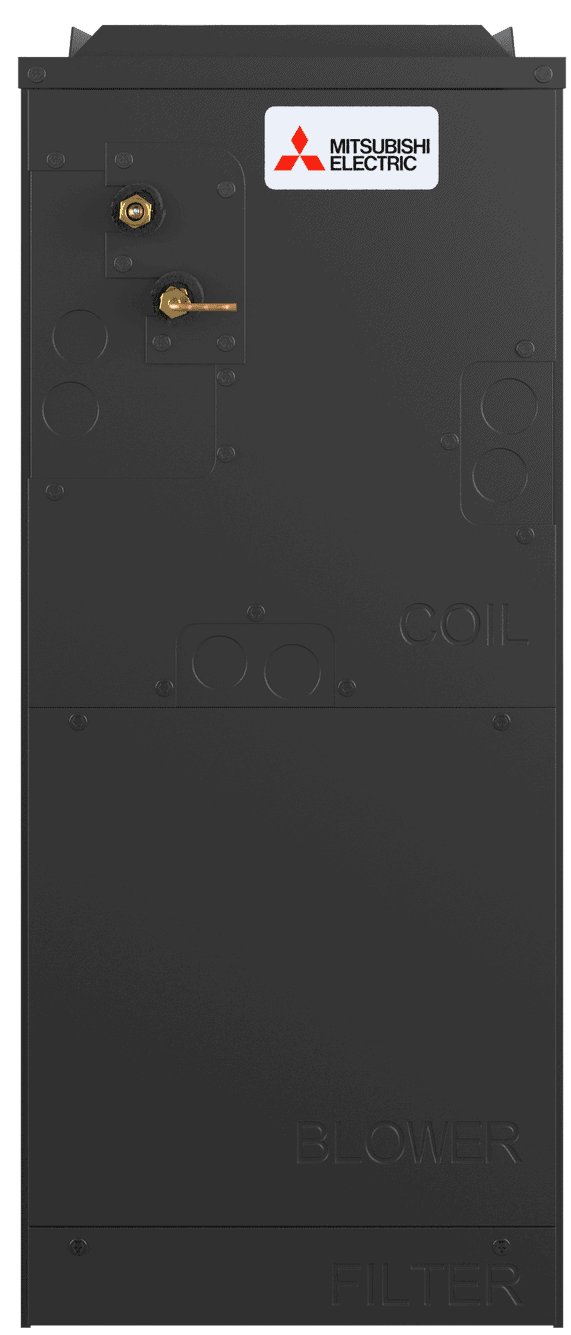
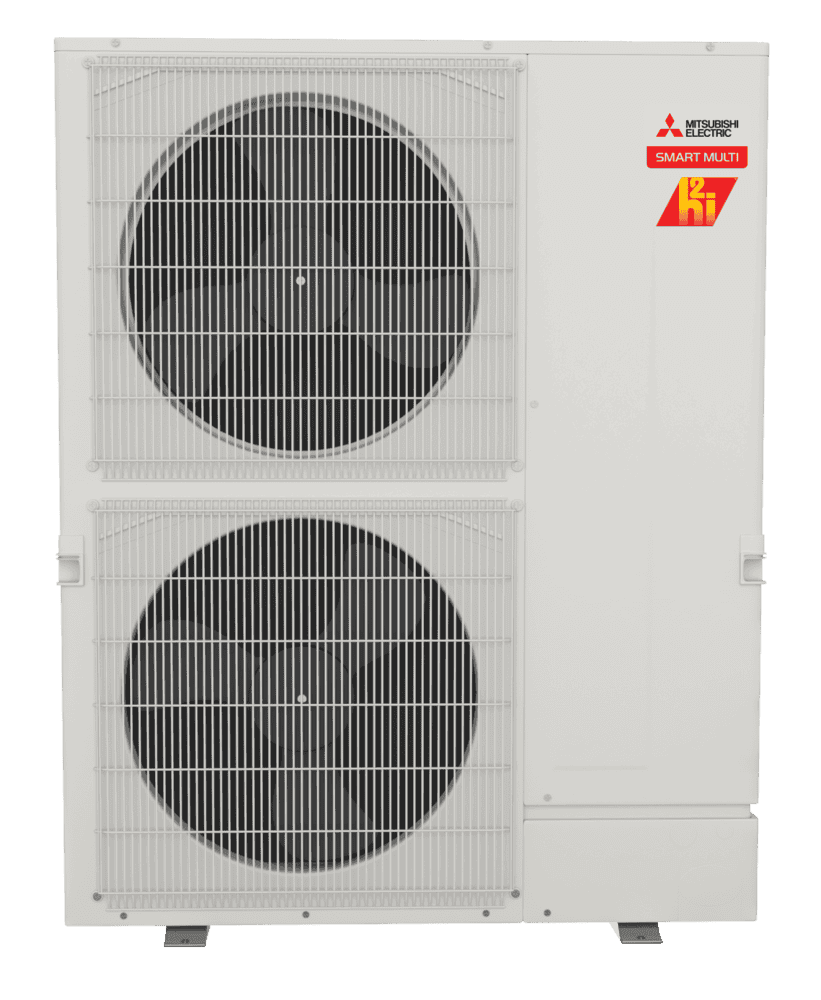
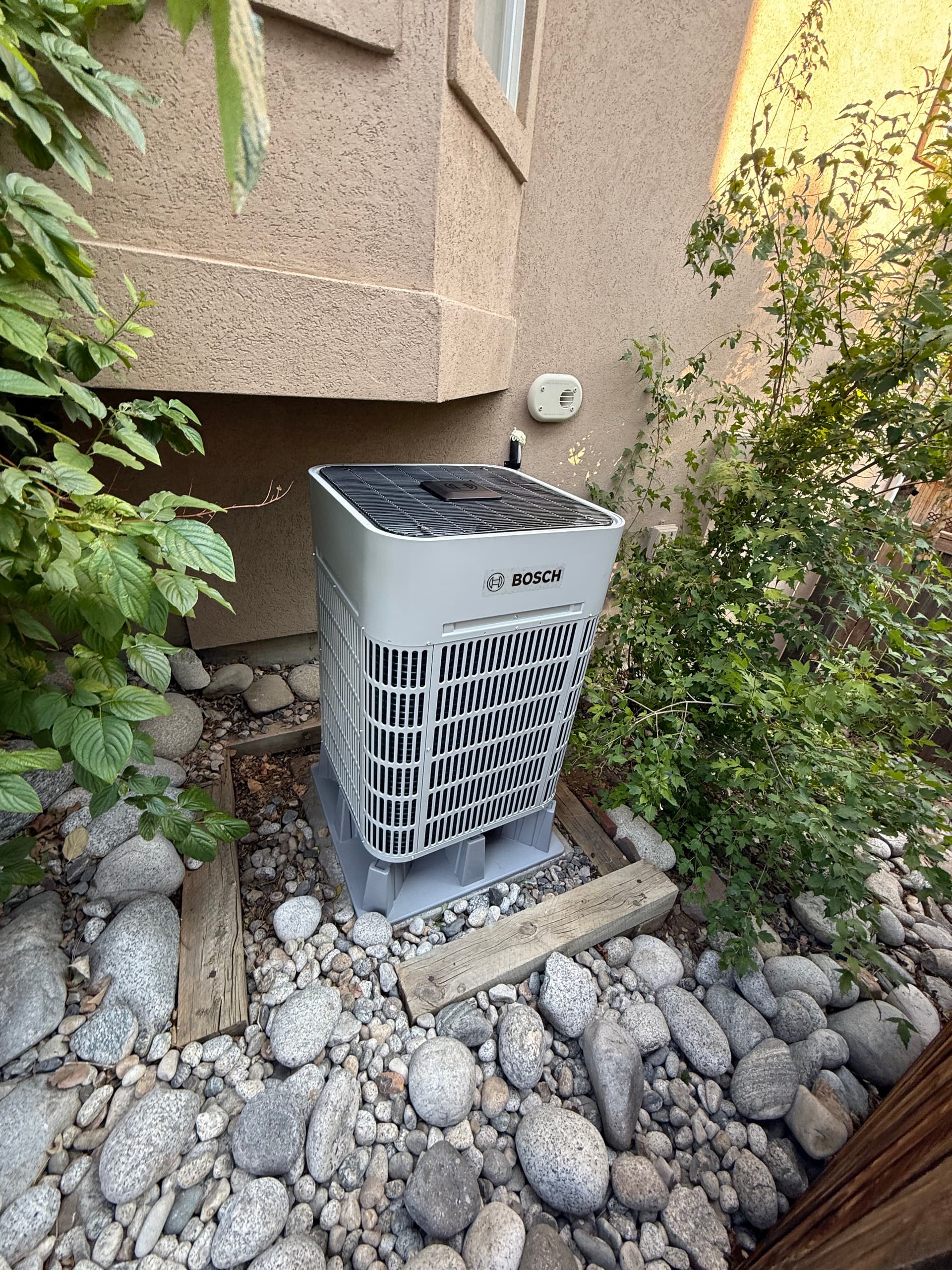
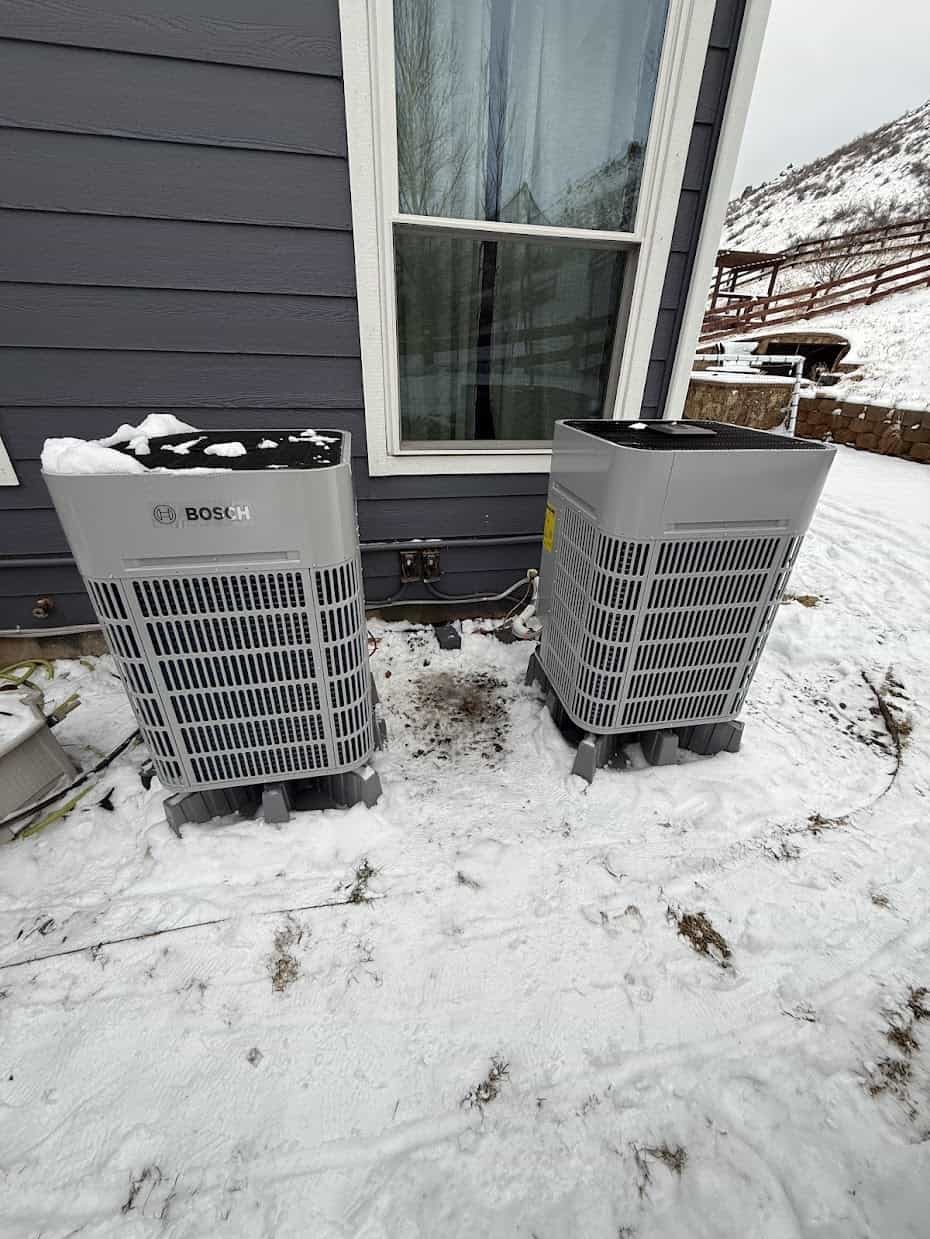
We start the changeover at about 25°F, the starting point Xcel recommends, and below that the furnace carries the load. Homeowners can change it any time. At current rates, moving the changeover higher (so the furnace runs more) is usually the lower-cost setting, not the heat pump running more. That setpoint is an operating-cost decision, because gas is cheap in Colorado right now. It is not a limit of the equipment. The cold-climate units we install (Carrier Infinity 27VNA1 rated to -23°F, Bosch IDS Ultra at 100% capacity at 5°F, Mitsubishi Hyper-Heat) could heat the whole house on their own; most homeowners run them that far down only for comfort, solar offset, or future-proofing, not because it's cheaper today.
The summer number is simpler. The heat pump replaces an older AC, and the jump in SEER2 is where the cooling savings come from.
Dual fuel can be re-tuned any time. If gas rates climb, the changeover moves down and the heat pump carries more of the winter. If electric rates climb, it moves up. That flexibility is why we recommend dual fuel over all-electric for most Denver homes.
The math: gas vs heat pump per 100,000 BTU
This is an example. Costs vary by house, system size, and brand. One therm of gas is about 100,000 BTU, so the table compares what it costs to deliver that much heat into the house. Rates are the ones in our heat pump vs gas furnace operating-cost comparison, roughly $0.88 per therm and $0.155 per kWh.
- System
- Gas furnace
- Efficiency
- 95% AFUE
- Energy for 100,000 BTU
- 1.05 therms
- Cost
- $0.92
- System
- Heat pump, mild day
- Efficiency
- COP 3.0
- Energy for 100,000 BTU
- 9.8 kWh
- Cost
- $1.51
- System
- Heat pump, single digits
- Efficiency
- COP 2.0
- Energy for 100,000 BTU
- 14.7 kWh
- Cost
- $2.27
Read the last two rows together. The same heat costs half again as much once outdoor temperature drops the COP from 3 to 2. Gas beats the heat pump in both rows at $0.155 per kWh; on the flat rate the heat pump would need a COP above 4.9to beat a 95% furnace, which cold-climate heat pumps don't reach at any Denver winter temperature. Gas wins the flat rate across the board. On Xcel time-of-use, with the heat pump running mostly off-peak, the all-in rate averaged over heating hours is about $0.128 per kWh including riders, which lowers the break-even to about COP 4.1: still above what these heat pumps deliver except on the mildest days, and still more expensive over a full winter than the furnace. Where the break-even lands in outdoor temperature depends on the furnace's efficiency, the heat pump's efficiency, and how tight the house is, which is why 25°F is a starting point and not a fixed rule. That gap is the entire reason the changeover exists, and it is why an all-electric house with no gas fallback and strips running on cold nights sees a bill nobody warned them about. Per-model wattage by temperature is in do heat pumps use a lot of electricity.
Five questions to ask before you sign
1. All-electric or dual fuel, and why for my house? A good answer names your gas service, your roof, and your envelope before naming a product. If the default is all-electric with no mention of solar, batteries, or air sealing, that is the marketing path, and it is how most of the bills above happened. What the house needs first is in preparing a home for a heat pump conversion from gas.
2. What changeover temperature will you set, and can I change it?We start at about 25°F, which is what Xcel recommends, and you can change it any time. At Xcel's October 2026 rates gas heat costs the same or less, so a higher changeover lowers the combined bill; a lower one leans more on the heat pump. Ask for the setting in writing.
3. Is it sized for the heating load or the cooling load? Most installers size to the cooling load, which leaves the unit short on heat and leaning on backup at exactly the temperatures where backup is expensive. We size for the heating load under the Xcel Quality Install rule, heating size factor of at least 1.0 at about a 5°F design temperature. Why two quotes land on different tonnage is in why heat pump quotes differ in size.
4. Is there electric strip heat, and when does it run? Every all-electric air handler has resistance strips. Ask when they are allowed to run and at what outdoor temperature they lock out. If the installer cannot tell you, the strips will run whenever the thermostat calls for more heat than the heat pump is giving, which is the expensive case.
5. What does my house need before all-electric works? The real answer usually includes air sealing, solar, batteries, and a look at the panel (see electrical upgrades for home electrification). If the answer is "nothing," the bill in this article is the one you will get.
Get the answers on the quote
All five answers should be on the paper before you sign: system type, changeover setting, sizing basis, backup heat behavior, and what the house needs first. If a quote is missing them, ask. Our list of what belongs in an HVAC quote covers the rest.

Want a design that is honest about the bill?
Cold-climate equipment sized for the heating load, a changeover you can adjust, and every rebate filed by us. We'll answer all five questions on estimate day.