










The two real reasons: paperwork and faster money
A contractor who steers you away from a heat pump is usually protecting their own process. We hear the same two reasons behind it, and neither is about the equipment.
Paperwork. Xcel's rebate requires a Quality Install: sizing to the heating load instead of the cooling load, documented calculations, program forms, and inspections. The state heat pump credit is filed by the contractor, and at least a third of it has to appear as a labeled line on your invoice. A shop that has not built that process once would rather sell what it already knows.
Faster money. A furnace and AC is a familiar install, needs no new training, and is done in a day. A heat pump job that goes through the programs means the contractor fronts the rebates as an upfront discount and waits weeks to be reimbursed (we explain the float in who files the paperwork). Same crew, same day, and one of the two jobs pays the shop sooner. Most of the time that is the whole argument.
The four lines you will hear, answered
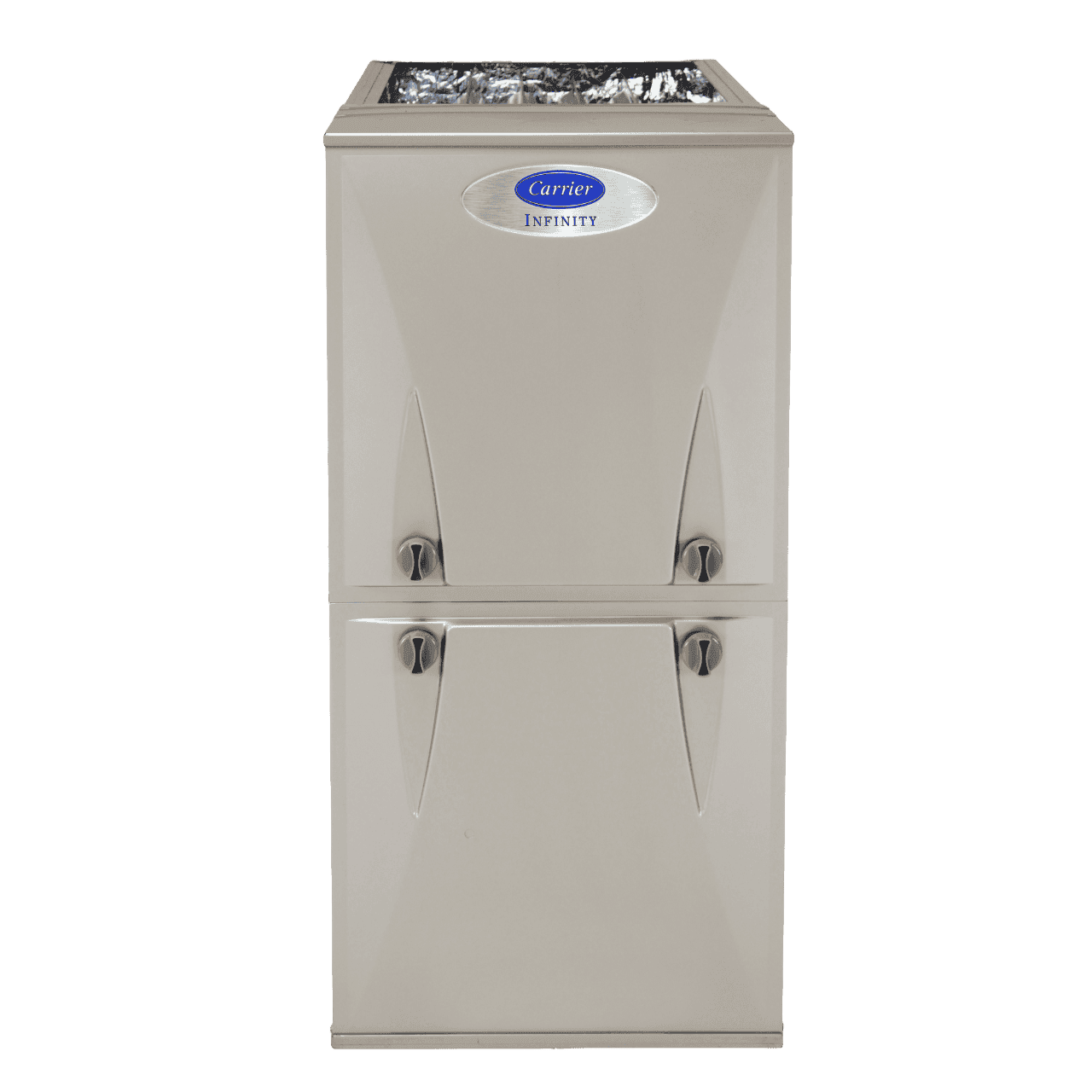
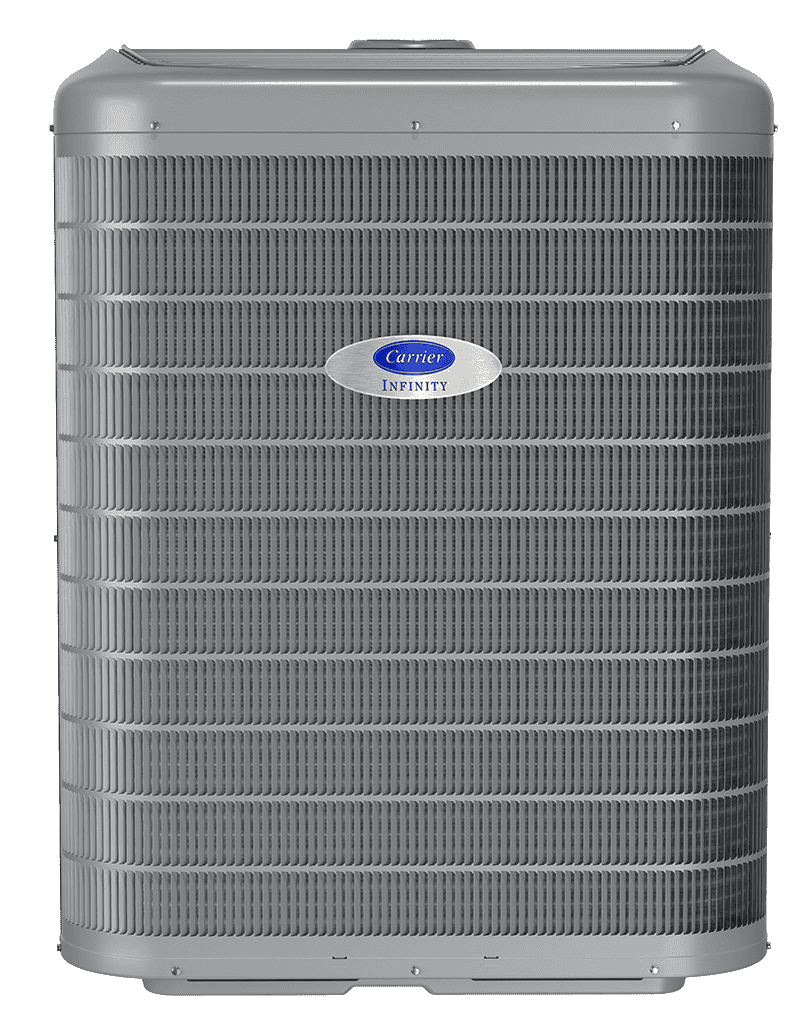
"Heat pumps don't work in Colorado." We have installed more than 12,000 of them, most of them along the Front Range. The cold climate units we sell carry published ratings for our winters: Carrier's Infinity 27VNA1 is rated to -23°F, and the Bosch IDS Ultra holds 100% of its heating capacity at 5°F, which is roughly Denver's heating design temperature. What does not work here is a standard heat pump sized to the cooling load, and that is an installer problem. The equipment side is covered in cold climate heat pumps.
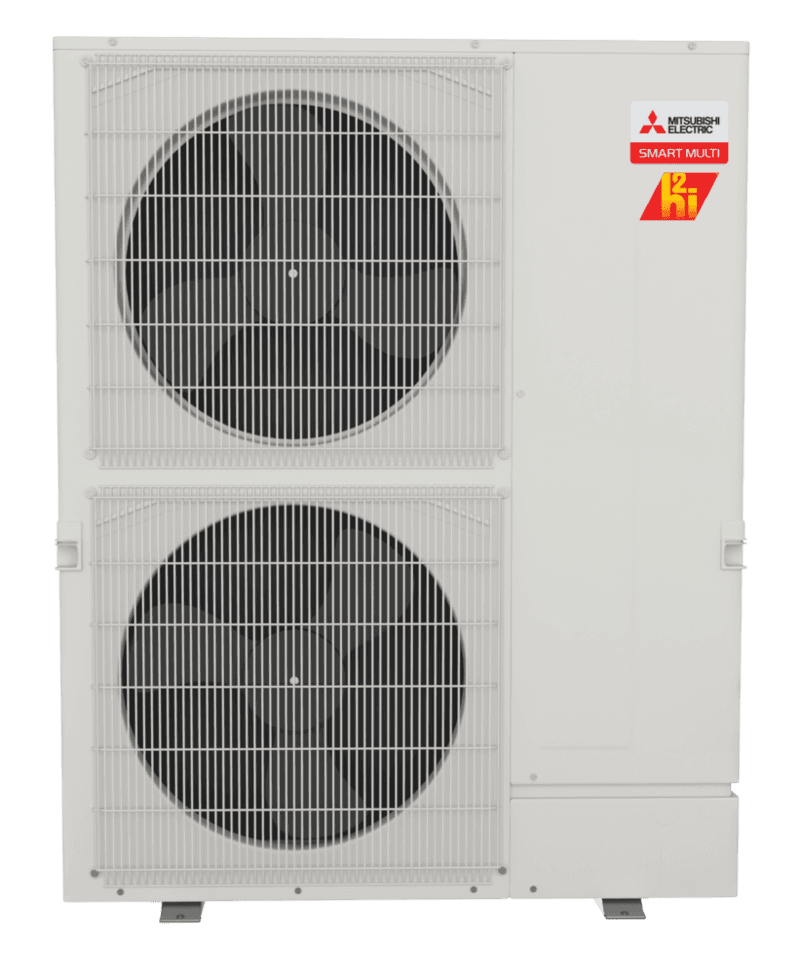
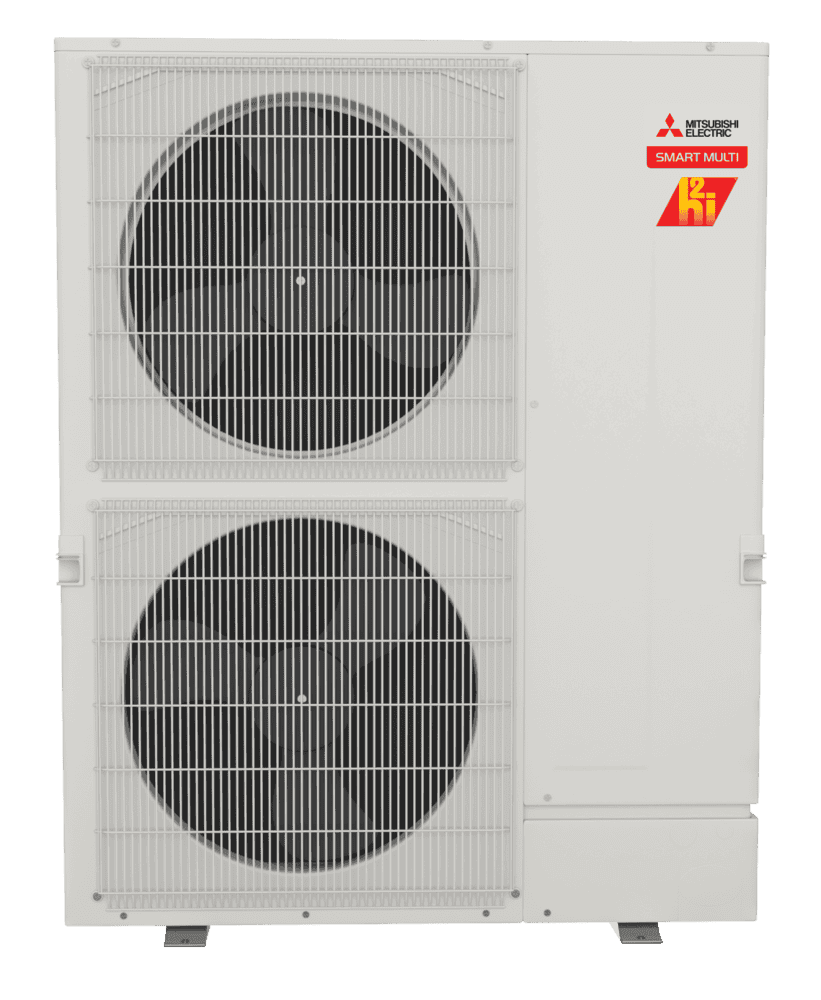
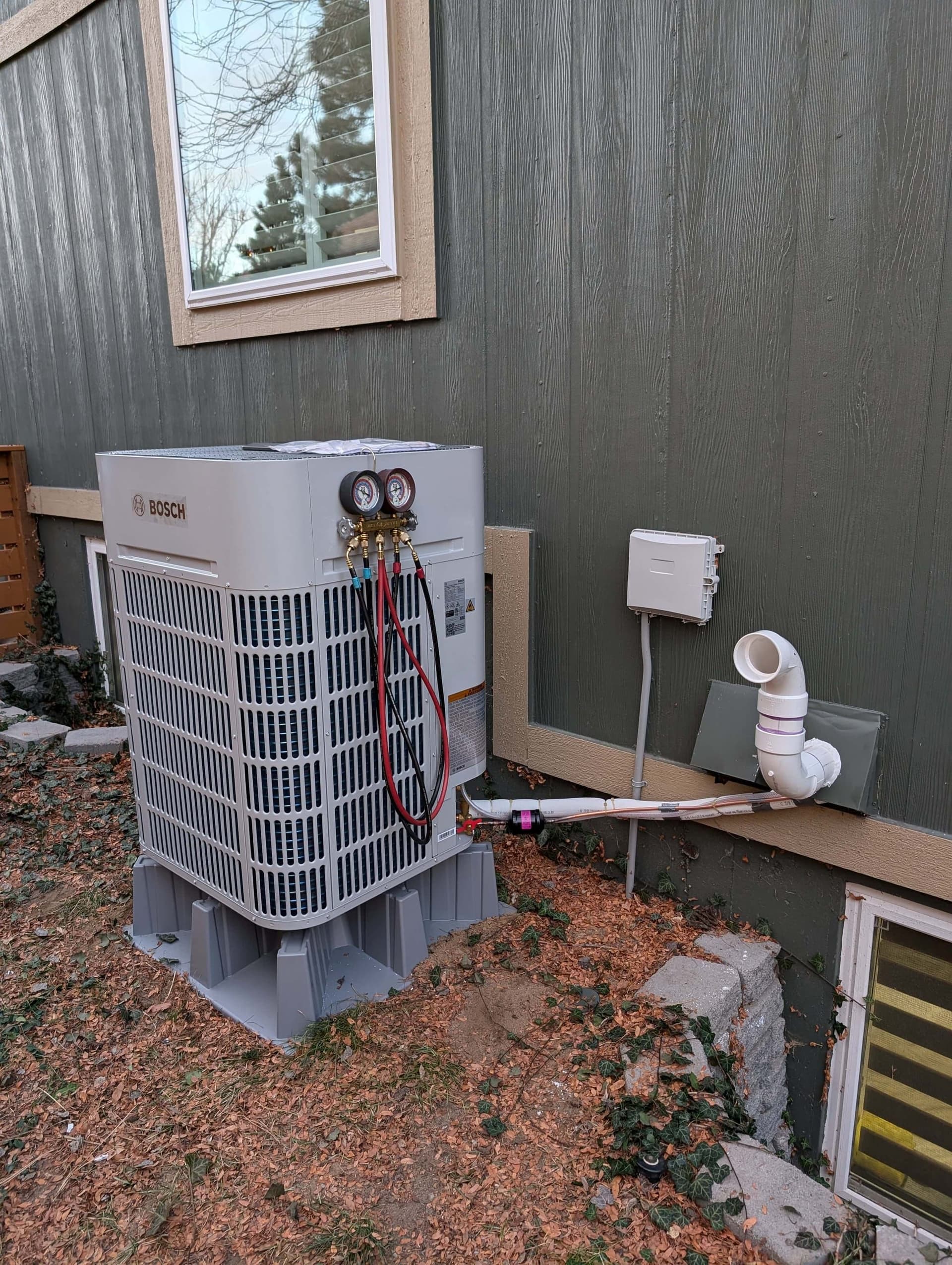
"Bosch is cheap junk." We are certified dealers for Mitsubishi, Carrier, and Bosch, and we pick per line on reliability, cost to value, and fit for the house. The IDS Ultra is a 19 SEER2, 10 HSPF2 cold climate unit in 3 to 5 ton sizes. A shop that carries one brand will call the other two junk; a shop that carries three has to defend each on its record. How we choose is in best heat pump brands for Colorado.
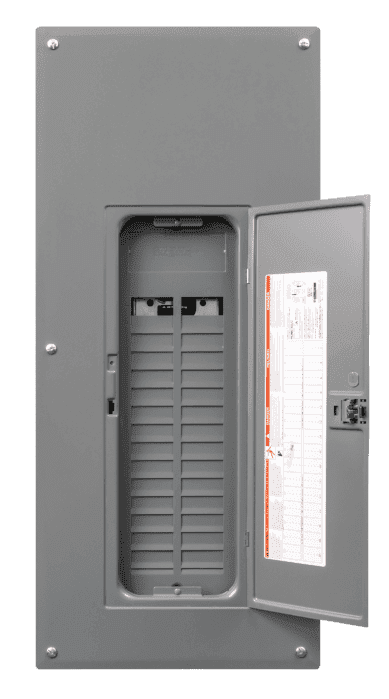
"You'll need a $10k panel upgrade." Dual fuel usually does not need one. The gas furnace stays, so the new electrical load is the outdoor unit, and most homes on 200A service absorb that without a new panel. All-electric sometimes does need one. A full 200A upgrade ran our customers $5,350 to $7,800 in 2026, and 200 amps is enough for nearly every house; the expensive line is going past it. Details in electrical upgrades for home electrification.
"The rebates are going away, or aren't real." Half right. Xcel's cold climate rebate dropped 33% on October 1, 2026, to $1,500 per heating ton, and it is still real money. The state discount and Power Ahead's $1,500 are current. We take all of them off the invoice before you sign, so if a program rejects a claim we qualified, the loss is ours. A contractor who calls the rebates "not real" is usually describing their own ability to collect them.
Why we like them: the price math first, the product second
We like heat pumps because they sell without a speech. After rebates, a heat pump added to your existing furnace runs $10,500 to $14,000 out of pocket. An AC-only replacement runs $7,400 to $10,450, with no rebates. Same money, and one of them also heats the house.
The gross price shows why the paperwork matters. That same heat pump job is $17,500 to $24,000 before rebates. A contractor who does not file the programs has to sell it at that number against a $7,400 AC, and loses. A contractor who does can quote it against the AC and win. This is an example. Costs vary by house, system size, and brand.
The product argument comes second. Variable speed compressors hold temperature instead of cycling on and off. Dual fuel gives you two heating modes: the heat pump runs down to a changeover setpoint, and the gas furnace takes over below a setpoint we usually program near 25°F, which is roughly where the heat pump stops being the cheaper fuel for a home on Xcel time-of-use (on the flat rate the break-even sits higher, closer to 40°F). That is an operating cost setting, not a limit of the equipment, and it can be retuned any time. The Carrier 27VNA1 runs at 54 dB. And if gas prices climb, you lower the changeover and run more hours on electricity, which a furnace and AC cannot do.
When a contractor is right to say no
A contractor with no heat pump process should say no, and you should let them. A heat pump sized to the cooling load, with no changeover logic and the rebates left on the table, is a worse outcome than a well-installed furnace and AC. It will run short on cold nights, lean on backup heat, and confirm every line above.
The problem is when the no comes with a reason about Colorado instead of a reason about the shop. "We don't do heat pumps" is honest. "Heat pumps don't work here" is not. And the crew on the truck matters as much as the name on the quote: see who is actually installing your heat pump.
What to ask the next contractor
Four questions separate a shop with a heat pump process from a shop with an opinion.
- Ask
- What heating design temperature did you size to?
- What a prepared shop says
- About 5°F, heating size factor at least 1.0, per Xcel Quality Install. A shop that sized to cooling will not have an answer.
- Ask
- Are the rebates deducted on the contract?
- What a prepared shop says
- Net price on the signature line, with Xcel, the state discount, and Power Ahead itemized. Not "eligible for up to."
- Ask
- What changeover temperature will you program, and why?
- What a prepared shop says
- A number and a fuel-cost reason. Ours is usually near 25°F.
- Ask
- How many heat pumps did your crew install last year?
- What a prepared shop says
- A number, not a story.

Want the quote that says yes, with the rebates already off the top?
We size to the heating load, file Xcel, the state discount, and Power Ahead, and put the net price on the contract.