









Where this comes from
Our own booking and invoice records for install jobs since early 2024, matched against daily Denver temperatures. One company's slice of the market, and we install more heat pumps than most, so our winter demand likely runs stronger than an AC-only shop's. Medians throughout, so outliers don't steer the numbers.
The fall discount doesn't exist
"Is it cheaper to install in early fall?" No. Our median install ticket ran around $13,600 in summer and around $14,200 in October through December, slightly higher, mostly because winter jobs more often bundle a furnace with the heat pump. Equipment costs the same wholesale in October as in July, and it's the same crew either way.
The shoulder-season "specials" you see elsewhere are overstock promotions on specific units, usually single-stage equipment. They clear a warehouse; they don't signal a seasonal price drop.
Between years is a different story: equipment prices move up, not down. Manufacturers issue new price lists every January, the metals tariffs that survived this year's Supreme Court ruling were extended in April to the full value of imported equipment, and the R-454B refrigerant transition added its own premium. "Wait until spring for a deal" has meant paying more every year since 2020.
Demand tracks the thermometer
- Weekly average high
- 50s
- Install bookings per week
- 11
- Weekly average high
- 60s
- Install bookings per week
- 18
- Weekly average high
- 70s
- Install bookings per week
- 22
- Weekly average high
- 80s
- Install bookings per week
- 23
- Weekly average high
- 90s
- Install bookings per week
- 32
Bookings roughly triple from 50-degree weeks to 90-degree weeks, and days over 95°F run about double the booking rate of cooler weekdays. Nearly half our annual install demand lands in June through August; December through February carries a tenth.
This summer proved the pattern. The July 2026 heat wave gave us the busiest booking month in the dataset, four of our five biggest weeks ever, and waits past three weeks; we watched callers with dead systems walk away from the queue because they couldn't wait in a 95-degree house. Everyone shops at the same time, so the cost of peak season shows up as waiting.
The off-season gets you speed, not savings
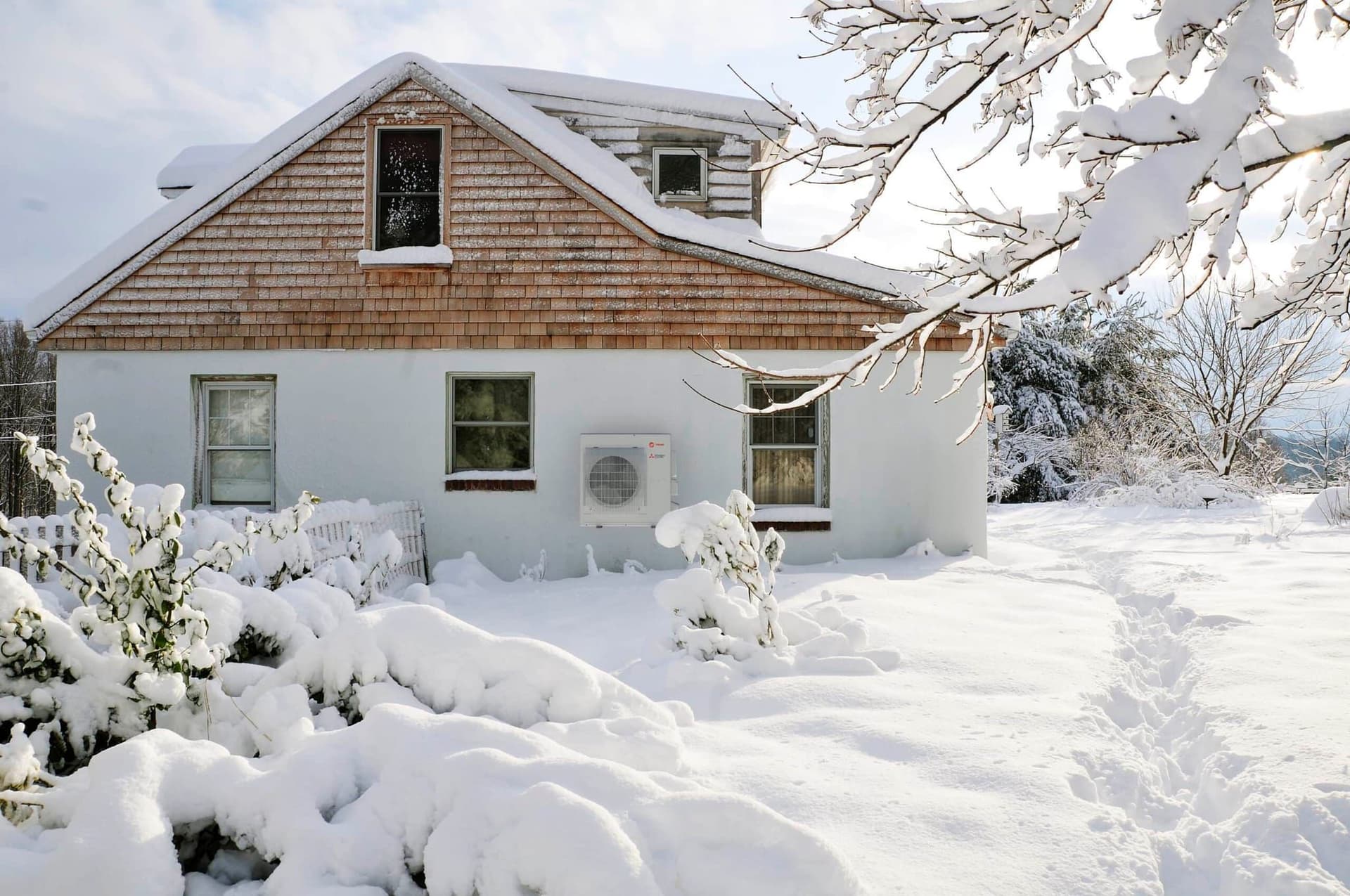
In winter, about 4 in 10 of our customers were installed within a week of booking. In summer, about 2 in 10. December's median wait was around 9 days; July's ran two and a half weeks, longer in the busiest stretches. If your system is 20+ years old and you're planning ahead rather than reacting to a breakdown, late fall through winter means shorter waits and first pick of install dates.
Deadlines move people harder than weather
The busiest booking week in the whole dataset wasn't a July scorcher. It was a mild April 2026 week, when new metro rebates were in the news and buyers rushed to stack incentives. Our waits that month were the longest we measured. Deadlines concentrate demand harder than heat does, because heat arrives gradually and deadlines arrive all at once.
September 2026 repeated the pattern ahead of Xcel's October 1 heat pump bonus step-down, which cut about $2,250 from a 3-ton cold climate rebate. Our install calendar for the month filled by mid-September.
So when should you replace?
Prices are flat across seasons, so optimize for speed and choose late fall through winter. After Xcel's October 2026 step-down, we are keeping most installs close to what summer customers paid. And don't let a 25-year-old system pick the date for you in July; nobody comparison-shops from a 94°F house, and the wait is longest exactly when waiting hurts most. A quote in hand before the season turns costs nothing.

Want the numbers for your house?
Photo-based estimate, usually within 24-48 hours, with every current rebate applied.