









The short version
The Supreme Court struck down Trump’s IEEPA tariffs on February 20, 2026. If you’re hoping HVAC prices are about to drop, they aren’t. Here’s why.
In a 6-3 decision in Learning Resources, Inc. v. Trump, the Court ruled that the International Emergency Economic Powers Act does not authorize a president to impose tariffs unilaterally. Chief Justice Roberts wrote for the majority, joined by Justices Sotomayor, Kagan, Gorsuch, Barrett, and Jackson. That ruling terminated the April 2, 2025 “Liberation Day” tariffs - the 10% baseline, 145% on China, 25% on Mexico, 24% on Japan, 46% on Vietnam, and 36% on Thailand - which were the headline tariffs everyone was tracking.
The catch: those weren’t the tariffs doing the most damage to HVAC pricing. The real price drivers for our industry are Section 232 tariffs on steel, aluminum, and copper, and those were not affected by the ruling. They remain fully in effect. On April 6, 2026, the administration restructured Section 232 so that tariffs now apply to the full customs value of imported derivative products (previously only the metal content value was tariffed). HVAC equipment is extremely metal-intensive, so the effective rate on compressors, coils, cabinets, heat exchangers, and line sets went up, not down.
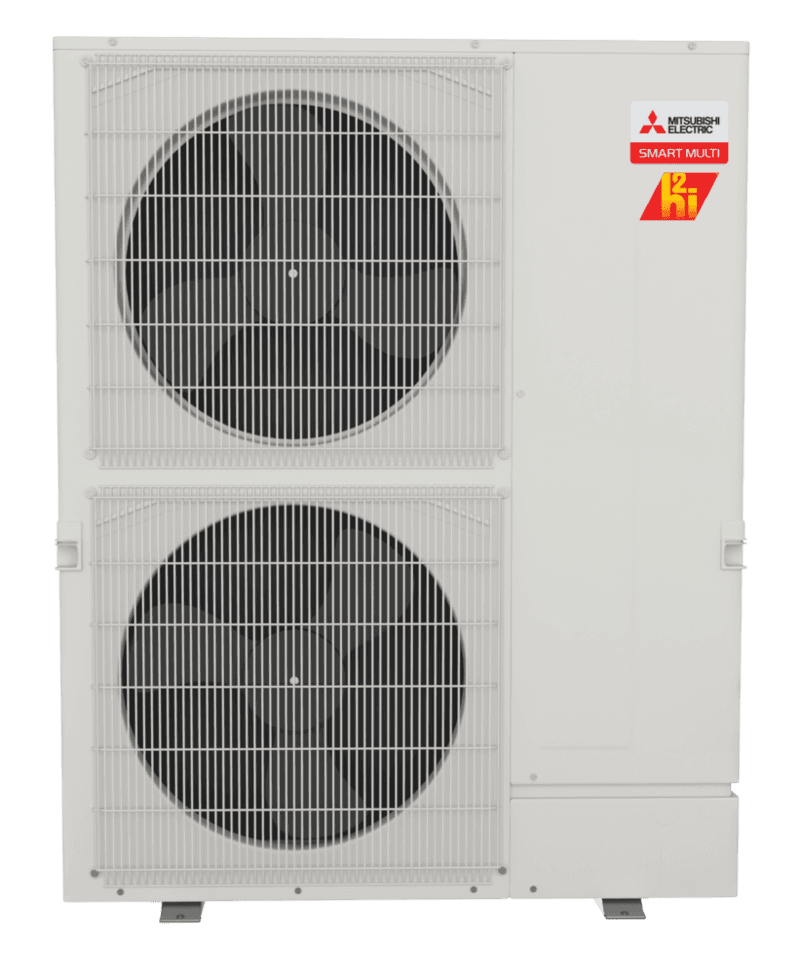
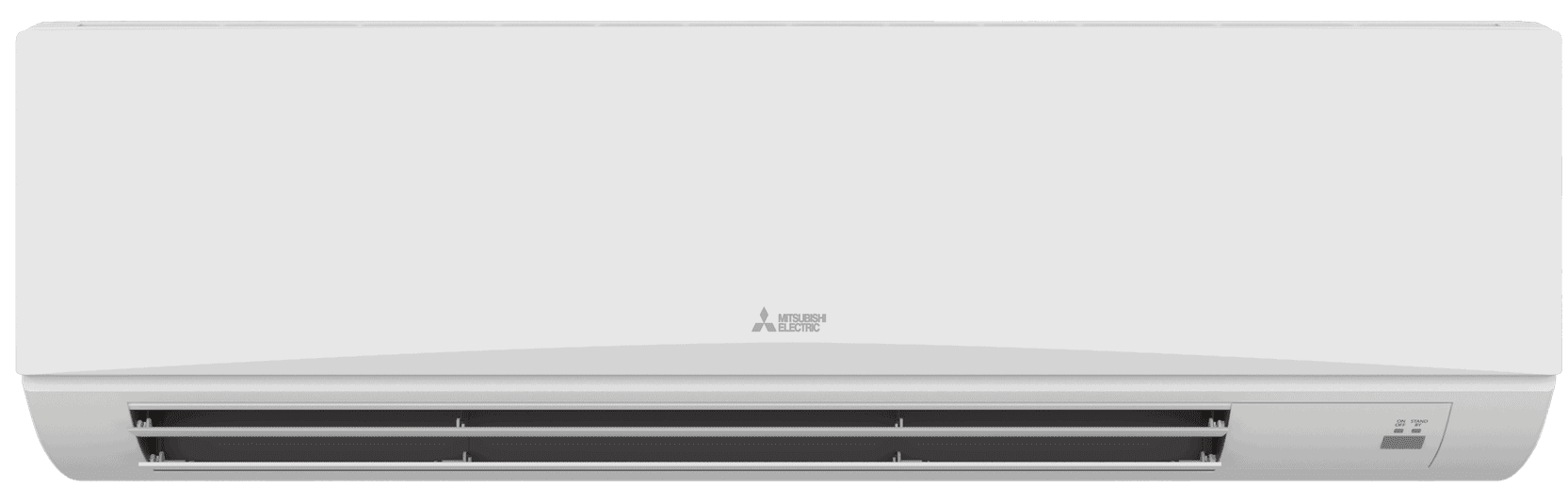
On top of that, the administration imposed Section 122 tariffs as a legal bridge after the IEEPA ruling. Those expire July 23, 2026 (150-day sunset), creating a second uncertainty window for manufacturers and distributors. Japan-specific tariffs on HVAC imports (around 15%) remain in effect, which directly affects Mitsubishi Electric Trane products that we install as a Diamond Contractor.
At UniColorado, pre-tariff inventory at our supply house was depleted in mid-2025. Trane already implemented a 10% residential price increase effective February 1, 2025, and those increases are baked into the equipment we install today. The Supreme Court ruling did not reverse any of that. Contact us for current installed pricing in Denver.
Updated 9/9/2026 (title, summary, and a contractor FAQ). Tariff rates and status below are as of 4/15/2026, reflecting the February 20, 2026 Supreme Court ruling in Learning Resources v. Trump and the April 6, 2026 restructuring of Section 232 tariffs on steel, aluminum, and copper.
What the Supreme Court Ruling Actually Changed
The 6-3 decision in Learning Resources, Inc. v. Trump struck down every tariff imposed under the International Emergency Economic Powers Act (IEEPA). That included the Liberation Day rates everyone was watching: the 10% baseline, 145% on China, 25% on Mexico, 24% on Japan, 46% on Vietnam, and 36% on Thailand. More than $160 billion that had been collected under those tariffs is potentially refundable through the Court of International Trade.
What the ruling did not touch: Section 232 tariffs on steel, aluminum, and copper, which operate under a different legal authority (national security, not emergency powers). Those remain fully in effect. Separately, the administration imposed new Section 122 tariffs as a short-term legal workaround after the ruling. Here’s the current picture:
| Tariff Authority | Status (April 15, 2026) | Details |
|---|---|---|
| IEEPA (Liberation Day) | STRUCK DOWN Feb 20, 2026 | |
| Section 232 - Steel | Active, restructured Apr 6, 2026 | |
| Section 232 - Aluminum | Active, restructured Apr 6, 2026 | |
| Section 232 - Copper | Active, restructured Apr 6, 2026 | |
| Section 232 - Metal-intensive equipment | Active through Dec 31, 2027 | |
| Section 122 (replacement for IEEPA) | Expires July 23, 2026 (150-day sunset) | |
| Japan-specific HVAC | Active |
What this means for HVAC equipment in 2026
- The Supreme Court ruling brought no meaningful price relief to HVAC - industry consensus is that the narrow slice tied to IEEPA was overshadowed by Section 232.
- Section 232 now applies to the full customs value of imported derivative products (previously only metal content value). The effective tariff on metal-intensive HVAC equipment went up April 6, 2026, not down.
- Japan-specific 15% HVAC tariff still applies to Mitsubishi Electric Trane products and components.
- Trane's 10% residential price increase (Feb 1, 2025) is baked in and not reversing. Pre-tariff inventory was exhausted industry-wide by mid-2025.
- Wholesale equipment prices are still running 15-30% above 2024 levels, translating to roughly 6-10% higher out-of-pocket cost for homeowners.
Why HVAC prices are still rising despite the ruling
The question a lot of Denver homeowners are asking us right now is: “If the Supreme Court struck down the tariffs, why are HVAC prices still going up?” The honest answer is that several things are happening at once, and only one of them was affected by the ruling.
First, the tariffs that got struck down were not the main price drivers for HVAC. The Liberation Day IEEPA tariffs applied to finished imported goods, but they were stacked on top of Section 232 tariffs on the underlying metals. Industry analysts at Contracting Business and ACHR News have been blunt about this: the Supreme Court ruling “offers no relief” for the HVACR industry, because the tariffs doing the most damage to our cost structure were never under IEEPA in the first place.
Second, Section 232 was restructured the same week. On April 6, 2026, the administration changed how Section 232 tariffs are calculated on derivative products. Previously, tariffs on derivative products (think: a condenser unit that contains copper refrigerant lines and an aluminum coil) were calculated based only on the metal content value. Starting April 6, they apply to the full customs value of the whole imported product. For metal-intensive HVAC equipment, that’s effectively a rate increase, not a decrease.
Third, the price increases that already happened are not reversing. Trane announced a 10% residential price increase effective February 1, 2025, with additional increases on commercial products in January 2025. Carrier, Lennox, and other major manufacturers pushed through similar rounds in spring 2025. Those price moves are baked into wholesale costs now. Nobody in the distribution chain is going to roll prices back because IEEPA got struck down - the cost basis for 2026 equipment was set months ago.
Fourth, Section 122 creates a new uncertainty window. The administration imposed Section 122 tariffs as a legal bridge after the IEEPA ruling. Those expire July 23, 2026 (a 150-day statutory sunset). Whatever replaces them, whether it’s new legislation, a different executive authority, or nothing at all, is the next thing for HVAC distributors to price in.
Finally, there’s a separate lawsuit worth mentioning. Major HVAC manufacturers including Carrier, Trane Technologies, Mitsubishi Electric Trane HVAC US, Bosch, Daikin, Lennox, Rheem, Johnson Controls, Viessmann, and AAON are defendants in an ongoing antitrust suit alleging coordinated price increases dating back to January 2020. We’re not taking a position on the litigation - it’s a separate matter from tariff policy - but it’s part of the backdrop when homeowners ask us why every brand seems to raise prices at the same time.
How Major HVAC Manufacturers Are Responding To Tariffs
Virtually every major HVAC manufacturer, both U.S.-based and international, will be affected by these tariffs. Even brands that build units in the USA rely on imported parts, and no HVAC brand is 100% made in America. Below is a breakdown of how top manufacturers are handling the situation and what price changes you can expect.
Carrier Global
Sub-brands: Carrier, Bryant, Payne, Heil, Tempstar, Comfortmaker

Manufacturing Locations & Tariffs:
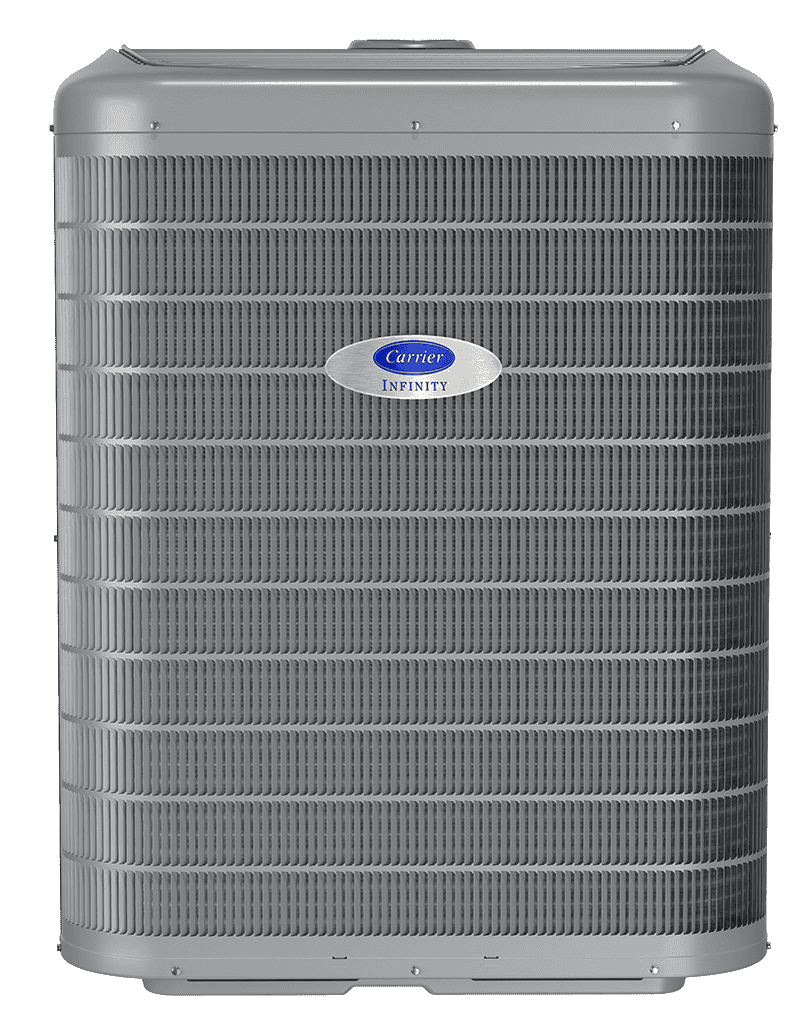
- 🇺🇸Middle & High-end units (Performance & Infinity series) assembled in U.S. plants, but components still incur(10% tariff)
- 🇨🇳Component exposure to Chinese tariffs(145% tariff)
- 🇨🇳Ductless mini-splits from China via Midea partnership(145% tariff)
- 🇲🇽Builder & Mid residential units largely from Monterrey, Mexico(25% tariff)
Announcements
- In March, Carrier announced price increases (~6%)
- In April, Carrier announced new price increases (~10%)
Trane Technologies
Sub-brands: Trane, American Standard, RunTru, Oxbox

Manufacturing Locations & Tariffs:
- 🇺🇸Higher-end Trane/American Standard systems predominantly assembled in U.S. plants, but components still incur(10% tariff)
- 🇨🇳Component exposure to Chinese tariffs(145% tariff)
- 🇨🇳Budget lines (RunTru, Oxbox) mainly from China(145% tariff)
- 🇲🇽Some units from Monterrey, Mexico(25% tariff)
Announcements
- In March, Trane announced price increases (~6%)
- In April, Trane announced new price increases (~8%)
Mitsubishi Electric
Sub-brands: Mitsubishi Trane

Manufacturing Locations & Tariffs:
- 🇹🇭M & P-series units made in Thailand(10% tariff)
- 🇲🇽M & P-series units made in Mexico(25% tariff)
- 🇯🇵SM-Series made in Japan(24% tariff)
Announcements
- In April, None as of April 2025. 6-12% expected initially.
Lennox International
Sub-brands: Lennox, Armstrong, Allied Air

Manufacturing Locations & Tariffs:
- 🇺🇸Signature, Elite, and MiniSplit series assembled in the US but components still incur(10% tariff)
- 🇨🇳Component exposure to Chinese tariffs(145% tariff)
- 🇲🇽Merit series made in Mexico(25% tariff)
Announcements
- In January, Lennox announced price increases (~10%)
- In April, Lennox announced new price increases (~6%)
Daikin Group
Sub-brands: Goodman, Amana, Daikin

Manufacturing Locations & Tariffs:
- 🇺🇸Core residential units (Goodman, Amana) assembled in Houston, Texas but highly exposed to component tariffs(10% tariff)
- 🇨🇳Component exposure to Chinese tariffs(145% tariff)
- 🇹🇭Some units made in Thailand(34% tariff)
- 🇯🇵Few high-end Daikin models made in Japan(24% tariff)
Announcements
- In January, Daikin group announced price increases (~10%)
- In April, Daikin announced price increases (~8%)
Paloma Industries
Sub-brands: Rheem, RUUD, Fujitsu

Manufacturing Locations & Tariffs:
- 🇺🇸Unitary assembled in Arkansas, Georgia but exposed to component tariffs(10% tariff)
- 🇨🇳Ductless (Fujitsu) made in China(145% tariff)
- 🇨🇳Component exposure to Chinese tariffs(145% tariff)
- 🇲🇽Budget models made in Mexico(25% tariff)
Announcements
- In April, Rheem announced price increases (~6%)
Fujitsu General
Sub-brands: Rheem

Manufacturing Locations & Tariffs:
- 🇨🇳Most units made in China(145% tariff)
- 🇹🇭Some models made in Thailand(34% tariff)
Announcements
- In April, Rheem announced price increases (~12%)
Bosch Thermotechnology

Manufacturing Locations & Tariffs:
- 🇨🇳Most units made in China(145% tariff)
- 🇹🇭Some models made in Thailand(34% tariff)
Announcements
- In March, Bosch announced price increases (~12%)
Midea Group (including MrCool)

Manufacturing Locations & Tariffs:
- 🇨🇳Most units made in China(145% tariff)
- 🇹🇭Some models made in Thailand(34% tariff)
Announcements
- In N/A, not distributed through professional channels
Johnson Controls
Sub-brands: York, Luxaire, Coleman

Manufacturing Locations & Tariffs:
- 🇺🇸Unitary assembled in Arkansas but highly exposed to component tariffs(10% tariff)
- 🇨🇳Component exposure to Chinese tariffs(145% tariff)
- 🇲🇽Budget models made in Mexico(25% tariff)
- 🇯🇵Ductless via Hitachi from Japan(24% tariff)
Announcements
- In April, None as of April 2025.
Tariff Impact on HVAC Parts & Components
Tariffs in 2025 and 2026 apply to whole HVAC units and to every imported component inside them. Even American-assembled systems rely on parts manufactured worldwide, and each component carries its own tariff, which stacks costs on both new equipment and repairs.
Compressors
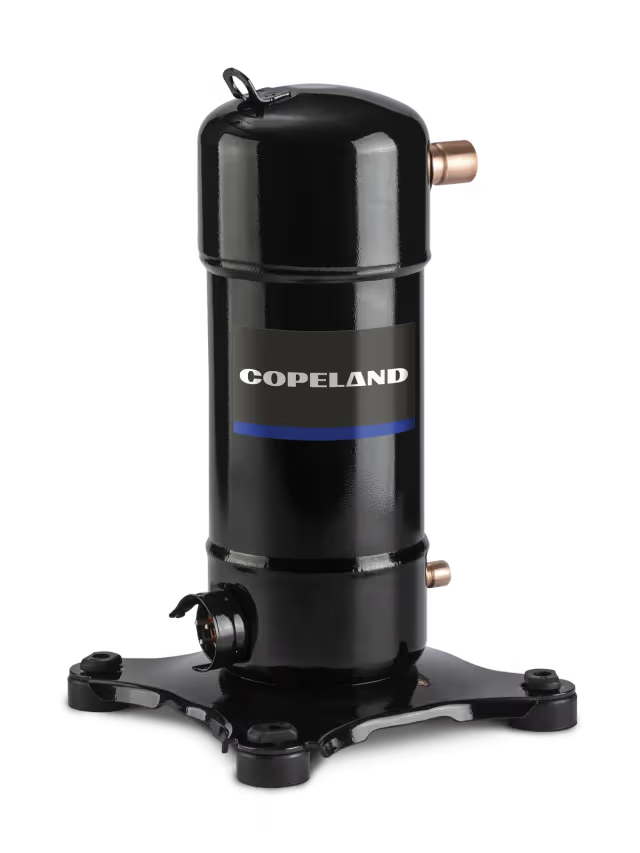
Expected Price Impact: 40%+Many U.S. manufacturers use Copeland (Emerson) scroll compressors. Those made in the USA avoid tariffs, but models from their Mexican plant face a 25% duty. Other compressors, like small rotary units from Chinese companies (e.g. GMCC or Highly), are hit with a 145% tariff. Even Panasonic and Hitachi compressors from Japan incur a 24% tariff. Copeland’s recent price increase of 17–40% reflects these rising costs.
Inducer and Blower Motors
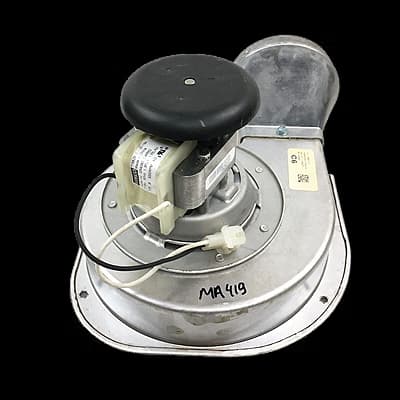
Expected Price Impact: 40%+Electric motors used in HVAC systems, including indoor blowers and outdoor fans, are often sourced from China or Mexico. For example, motors from Chinese manufacturers like Zhongshan Broad-Ocean are now subject to a 145% tariff, while Mexican-made ones face a 25% tariff. Even motors from Vietnam see a 46% tariff. This shift in production may eventually push manufacturers to source motors from countries with lower tariffs or bring production to the U.S., but for now, rising costs are inevitable.
Circuit Boards and Controls
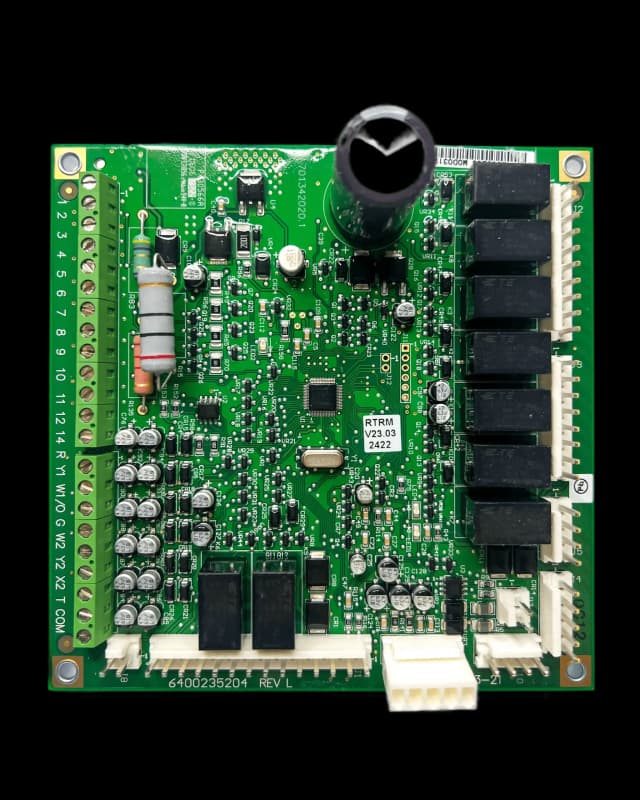
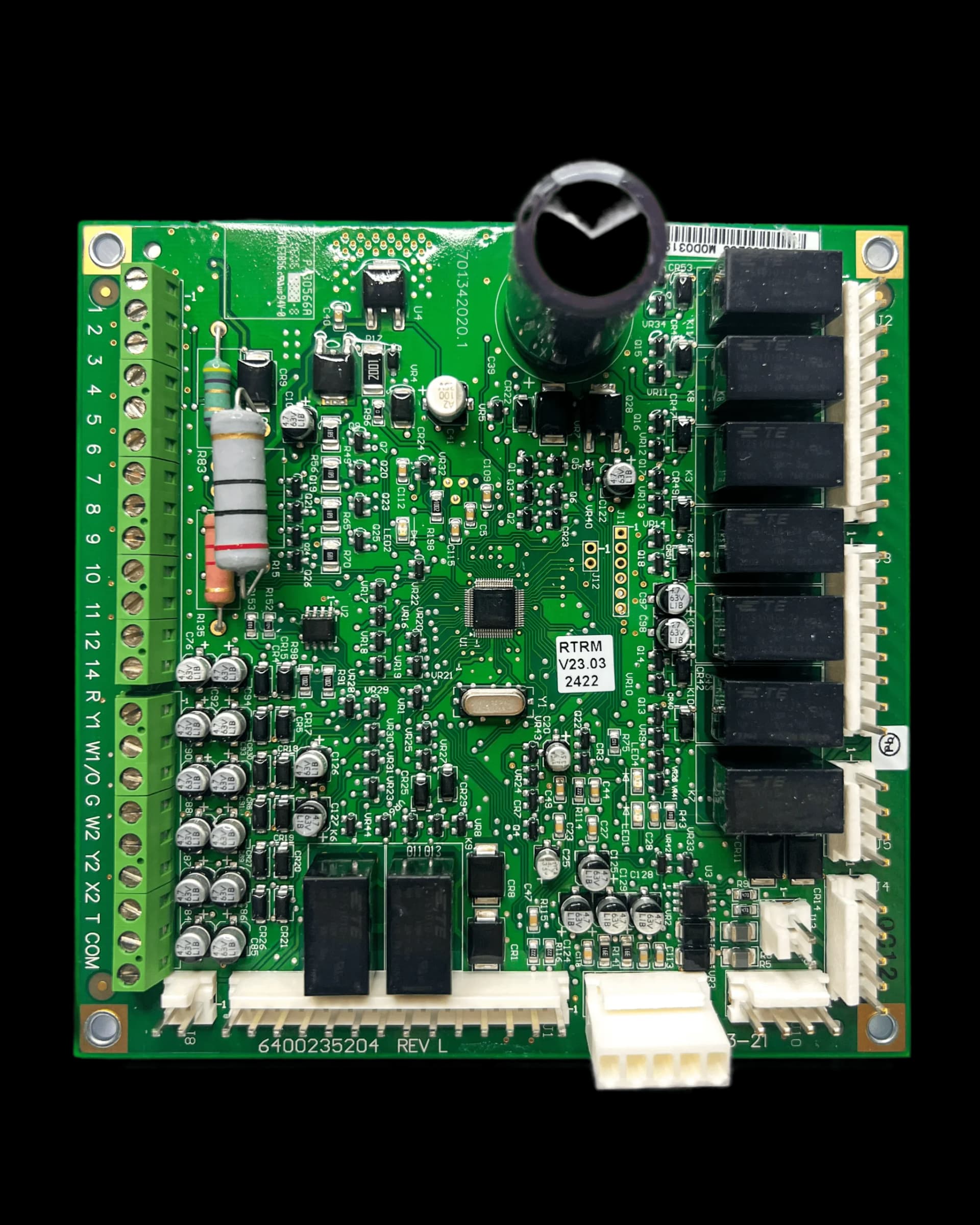
Expected Price Impact: 30%+Modern HVAC units incorporate various electronic control boards, many of which are made in China, Southeast Asia, or Mexico. With tariffs of 145% (from China) and 25% (from Mexico), components like smart thermostats or Wi-Fi modules are getting pricier. Manufacturers might try to offset these costs by redesigning boards or sourcing alternative parts, but consumers can expect higher repair costs as these changes take time.
Copper Tubing and Aluminum Coils
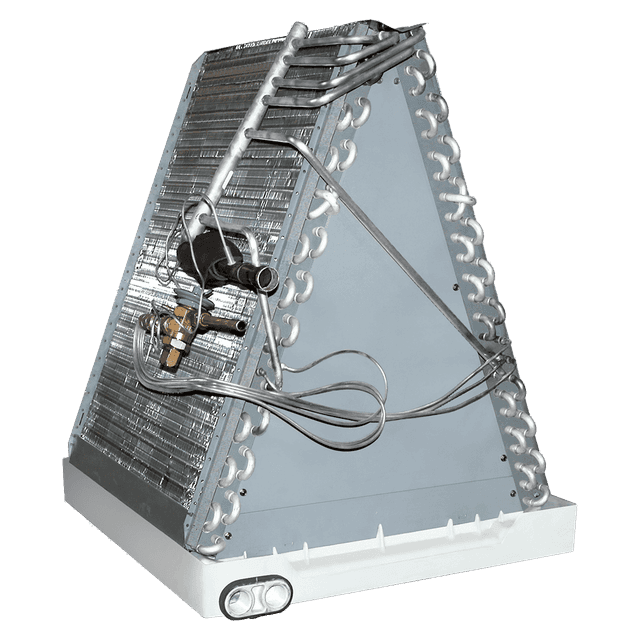
Expected Price Impact: 25%+Copper and aluminum are essential for refrigerant coils and lines. Many copper products are imported from Mexico or Vietnam, incurring at least a 10% tariff, and aluminum parts face their own metal tariffs or the existing 25% duty on steel and aluminum. This means manufacturers face higher costs for coil subassemblies, and products like Lennox coils made in Mexico will now be 25% more expensive when imported to the U.S.
Section 122 and what expires July 23, 2026
After the February 20, 2026 Supreme Court ruling, the administration moved quickly to preserve some of the revenue from the struck-down IEEPA tariffs by invoking Section 122 of the Trade Act of 1974. Section 122 allows the president to impose tariffs of up to 15% to address balance-of-payments issues, but only for 150 days. That clock started running on February 24, 2026. The Section 122 tariffs expire July 23, 2026.
What that means for HVAC distributors and installers: there’s a second uncertainty window between mid-July and whenever Congress acts (or doesn’t act) on replacement legislation. Most manufacturers are pricing equipment conservatively through Q3 2026 on the assumption that Section 232 remains in effect indefinitely, and that whatever replaces Section 122 will not be materially cheaper. The planning uncertainty itself contributes to higher wholesale prices because distributors are hedging their forward buys.
Component-level Section 232 impact
Section 232 tariffs are calculated on the full customs value of imported derivative products as of April 6, 2026. For HVAC equipment, the metals that matter most are copper (compressors, refrigerant lines, motor windings, wiring), aluminum (coils, fins, condenser assemblies), and steel (cabinets, heat exchangers, structural components). Even equipment assembled in the United States uses imported components that fall under these tariffs. No HVAC brand is 100% insulated from Section 232.
Switching supply sources takes time. Replacing a copper-intensive component source with a domestic alternative typically requires six to twelve months of testing, certification, and production integration. Many manufacturers started that work in 2025 but most of those changes will not show up in 2026 equipment.
Practical Advice for Consumers
The 2025 tariff-driven price increases are fully baked into current equipment costs and they are not coming down. The Supreme Court ruling terminated the IEEPA tariffs but Section 232 remains, Section 122 is running through July 2026, the Japan-specific HVAC tariff is still in effect, and manufacturers have already absorbed their side of the cost increases through their 2025 price moves. Pre-tariff inventory was exhausted across the industry in mid-2025. There is no pre-tariff stock left to find.
If you were already planning an HVAC replacement, the honest answer we give homeowners right now is: there is no pricing reason to wait. Current prices reflect 2026 equipment costs. The Section 122 July 23 expiration is the next uncertainty event, and it could push prices either direction depending on what replaces it. Section 232 is the floor and Section 232 is not moving. You can see current installed pricing for heat pump installation and AC installation directly on our pricing pages.
Colorado homeowners can offset a meaningful portion of the increase through available Xcel Energy heat pump rebates and the Colorado state tax credit for heat pumps. Those programs are independent of federal tariff policy and continue to operate normally. Contact us for current installed pricing - our install volume as a Mitsubishi Diamond Contractor and Carrier/Bosch certified dealer gives us better equipment costs than most contractors in the state.

Get Current 2026 Pricing
Equipment prices reflect Section 232 tariffs and 2025 manufacturer increases. See what Denver homeowners actually pay today.