







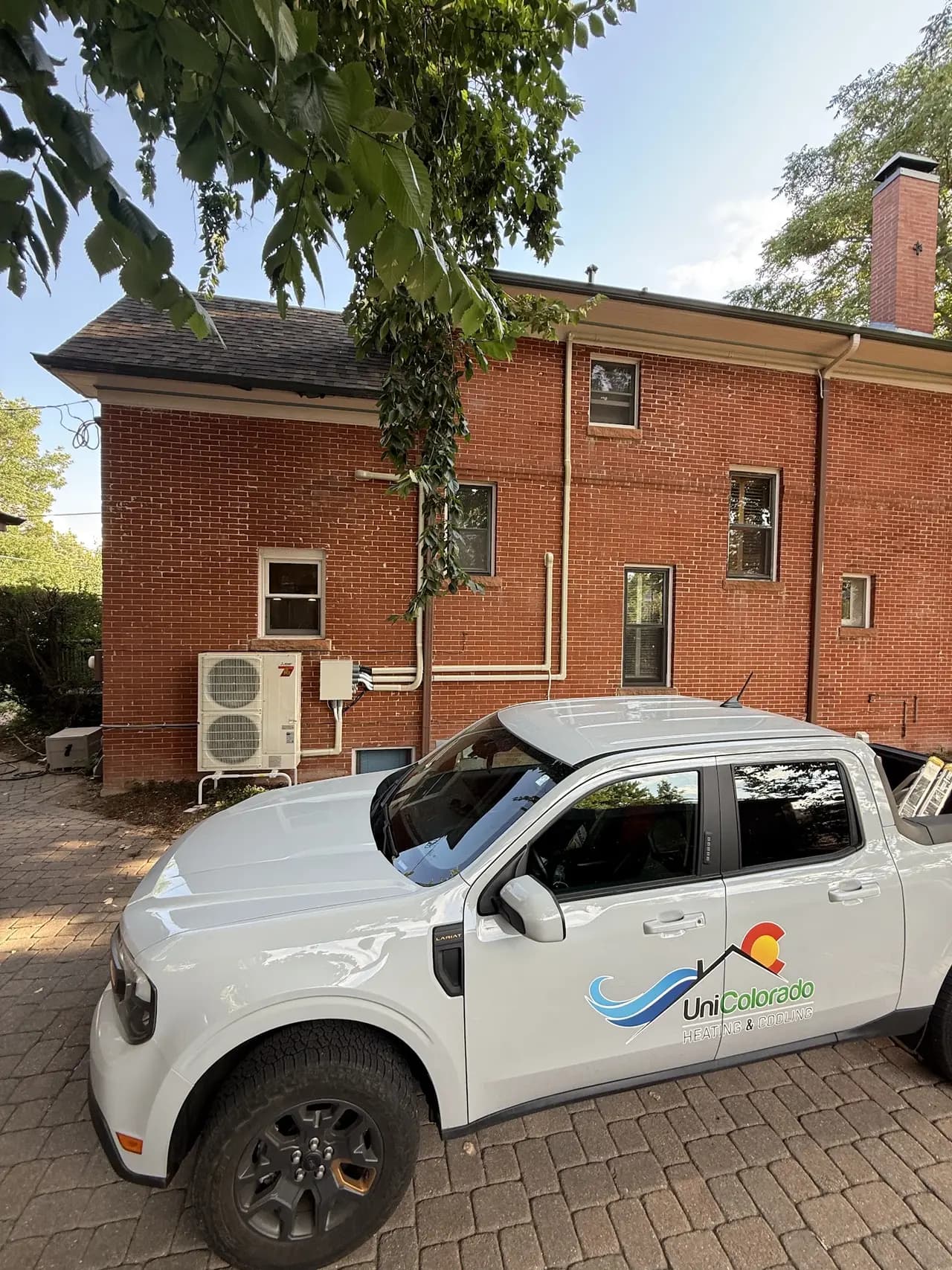


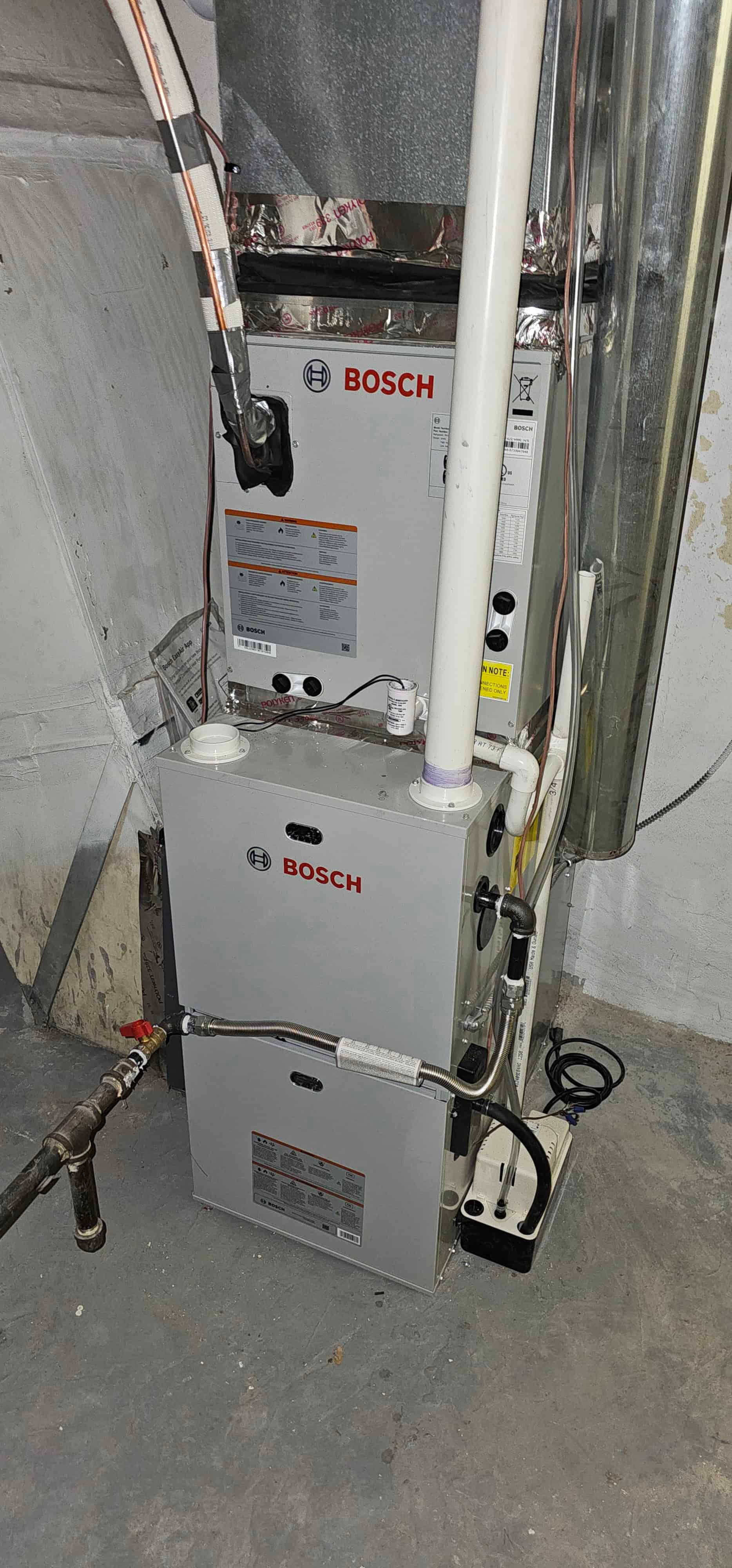
What aux heat is
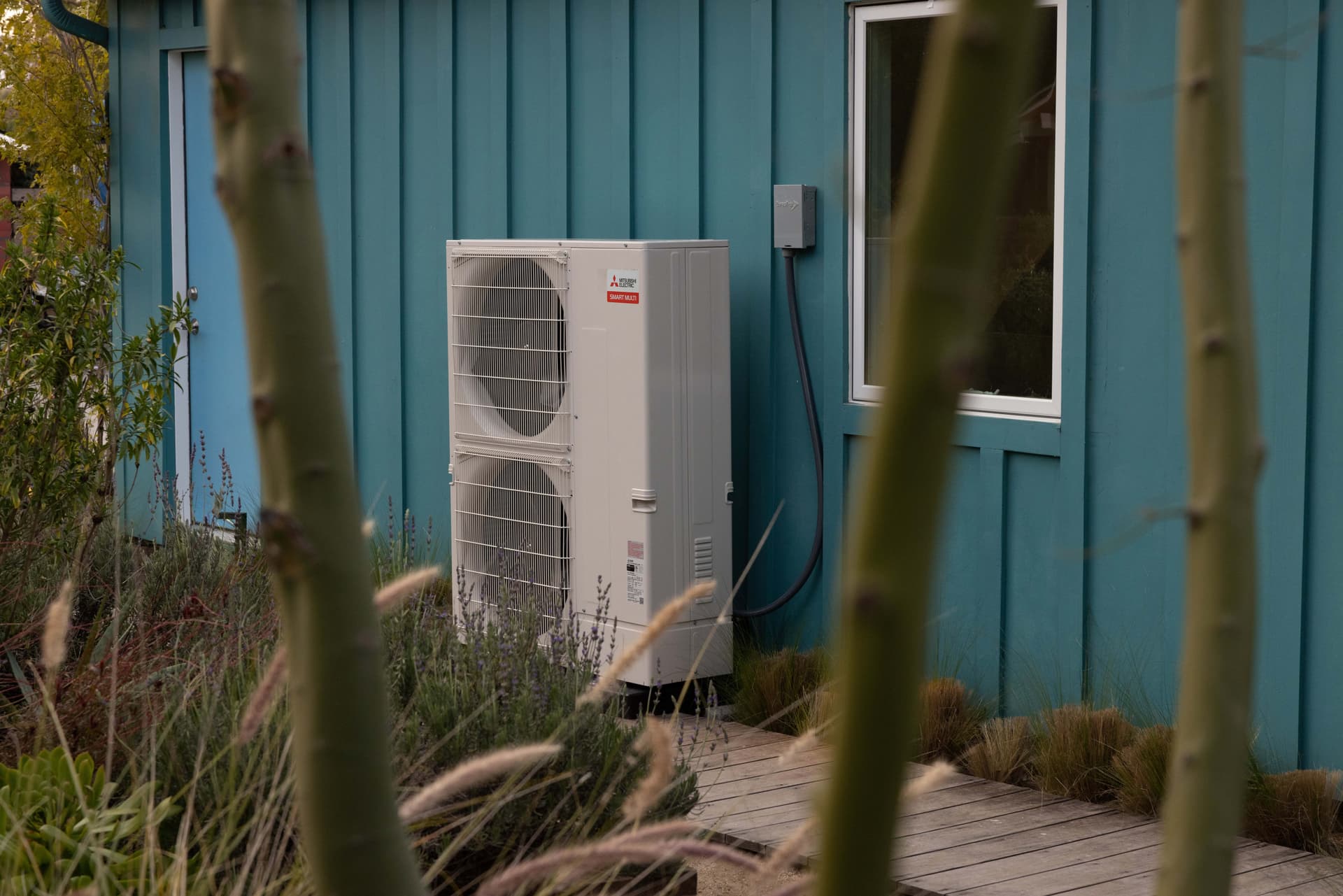
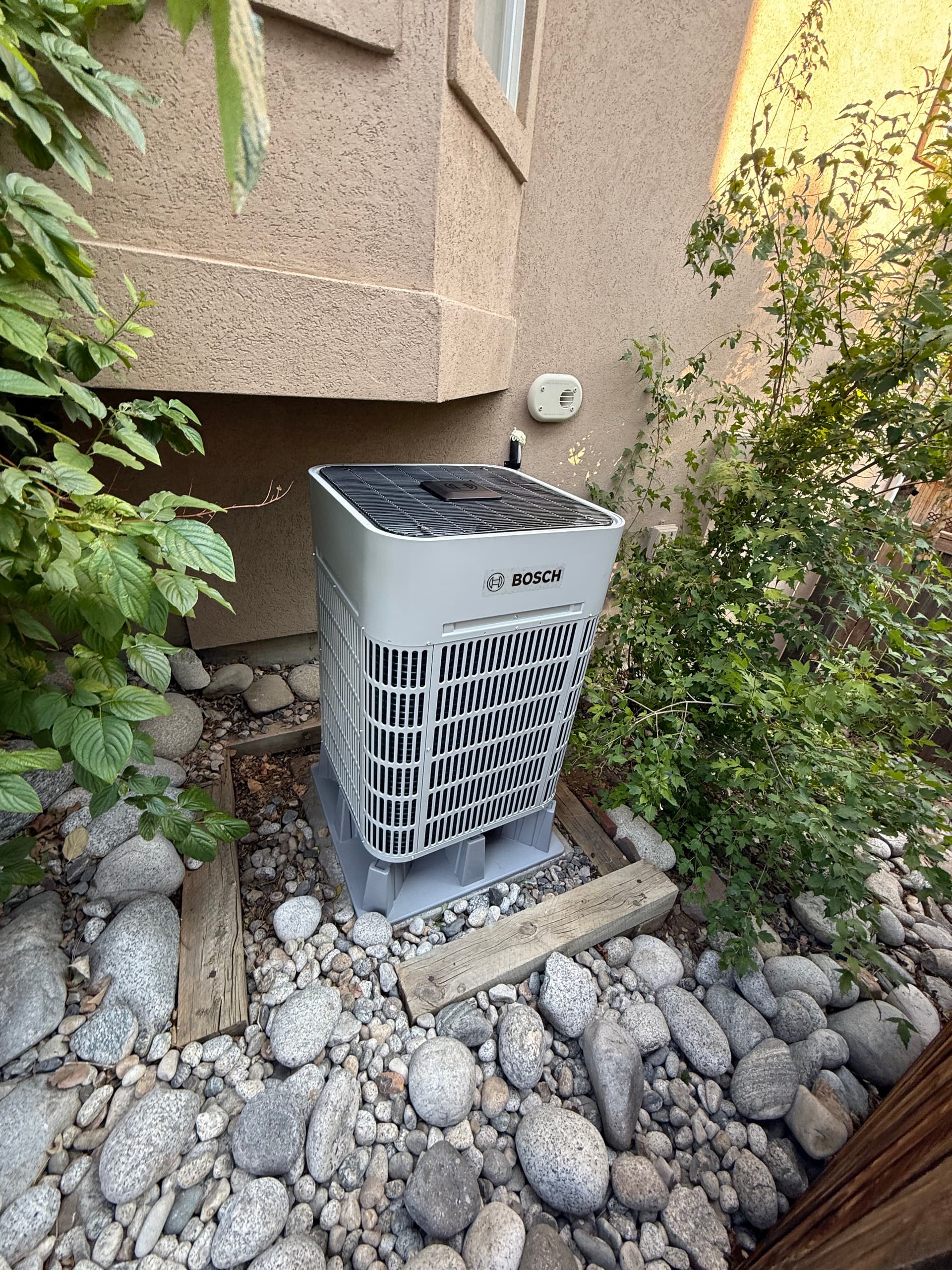
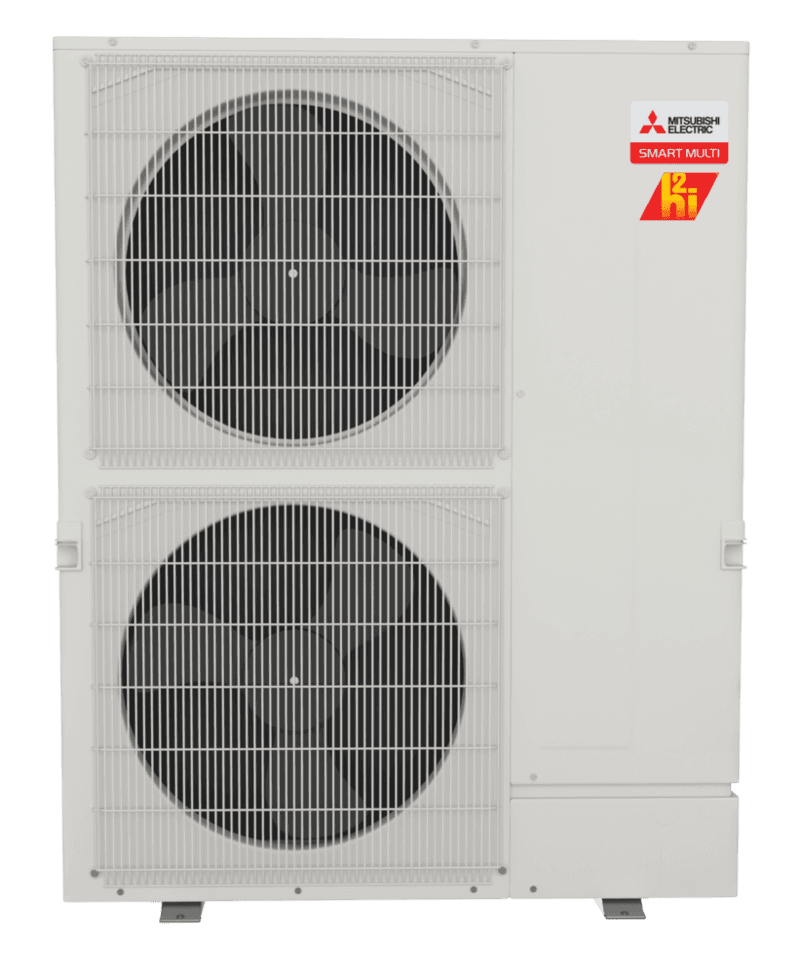
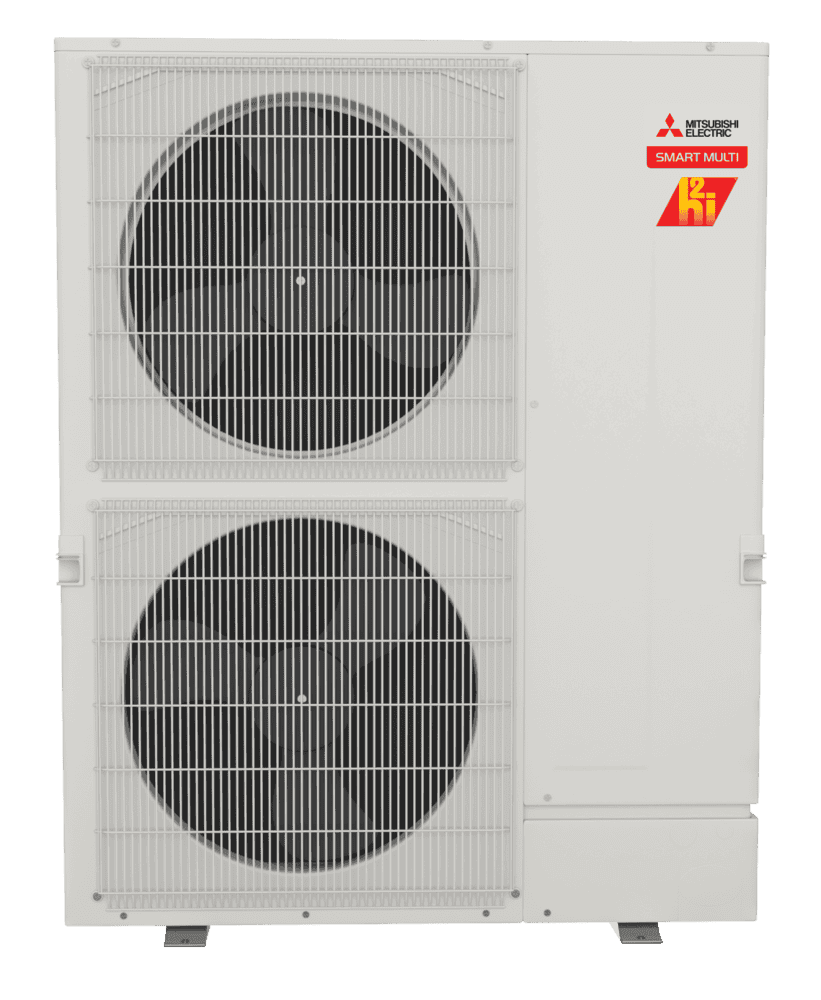
A heat pump moves heat from outside air into your house. Auxiliary heat is the second heat source that helps it. Which one you have depends on the system:
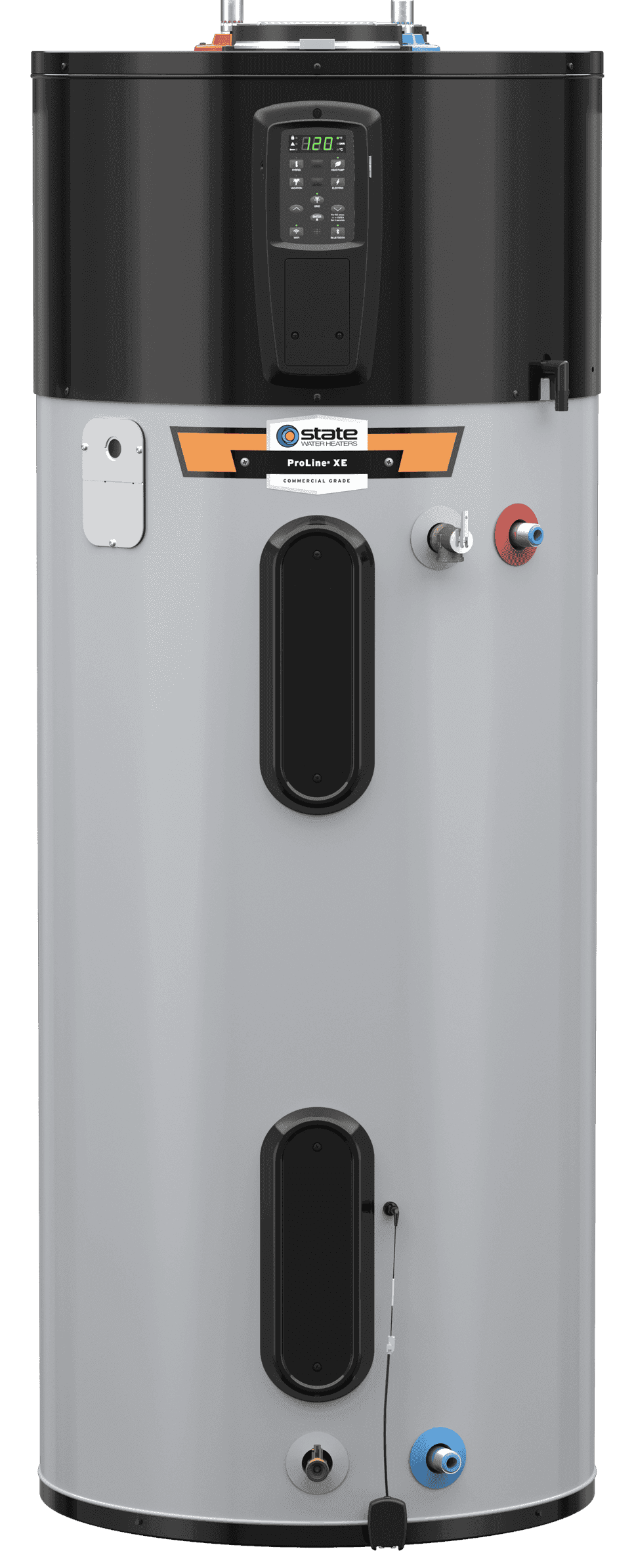
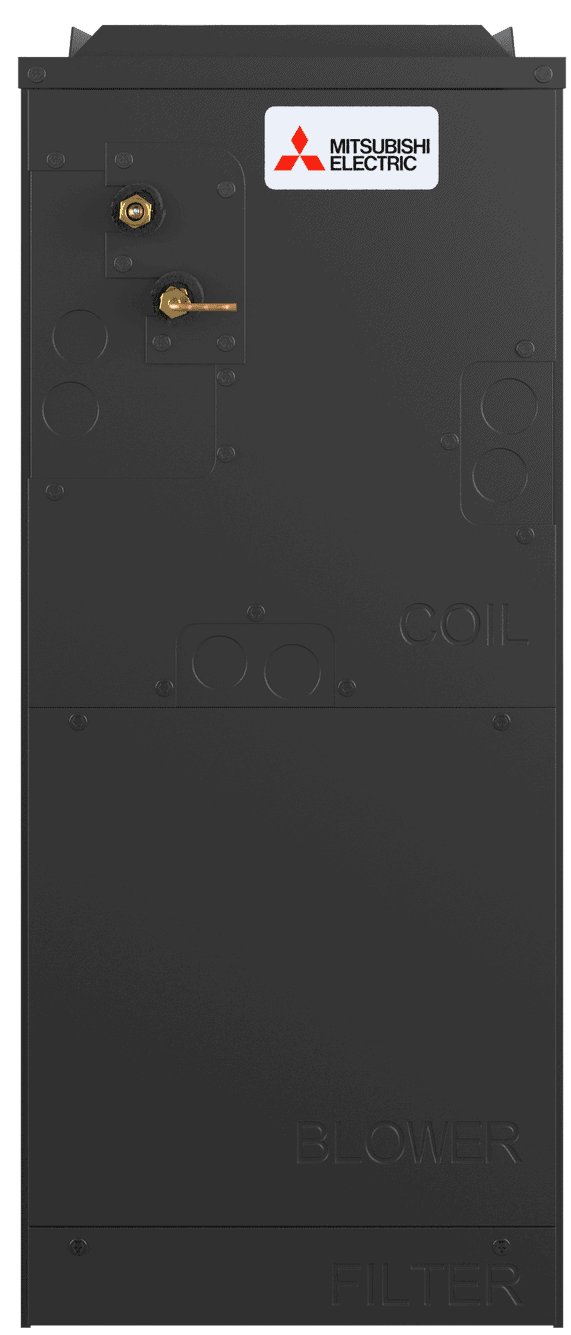
- All-electric heat pump: electric heat strips inside the air handler. They work like the coils in a toaster. We put them in when the house needs them.
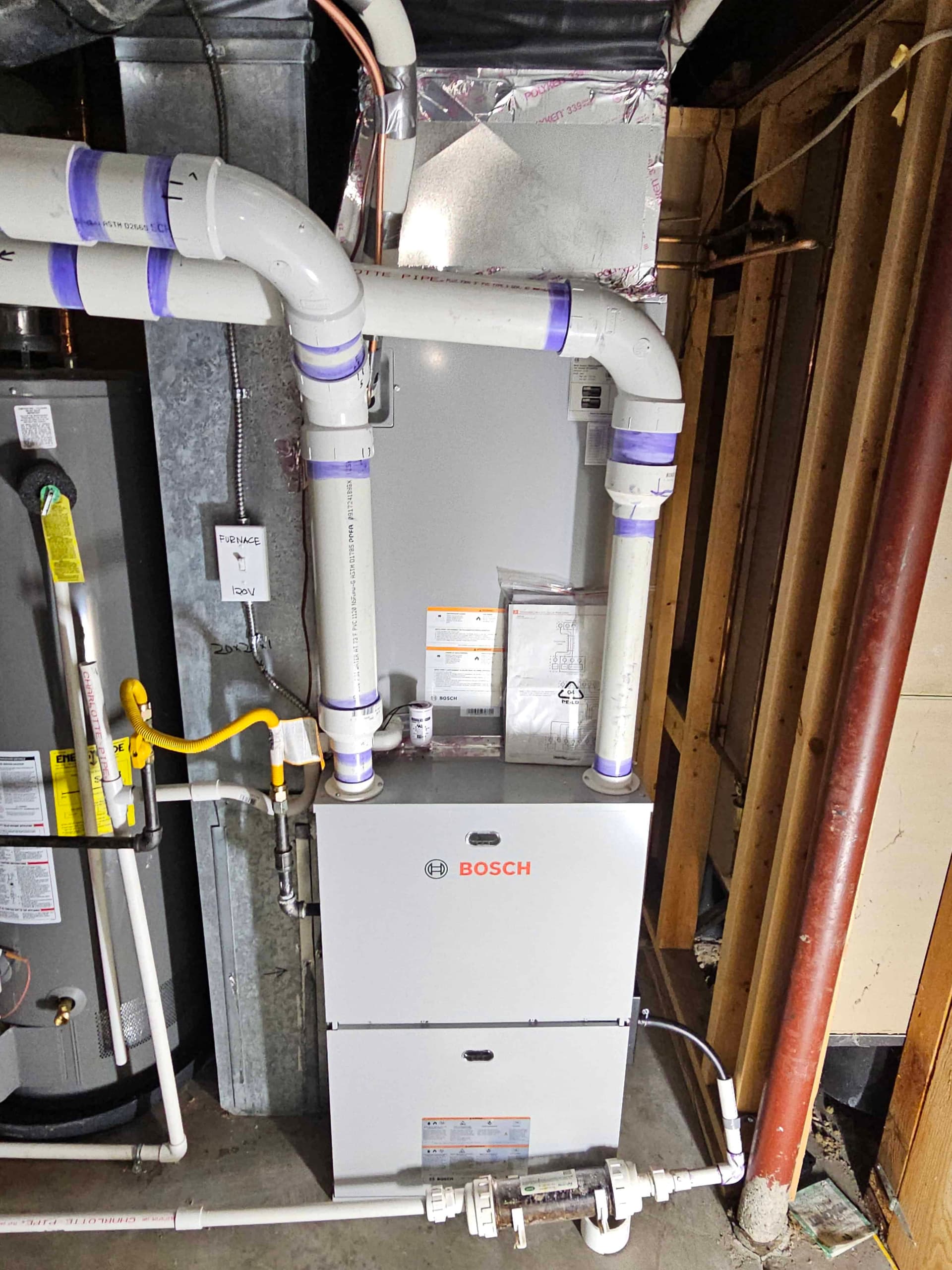
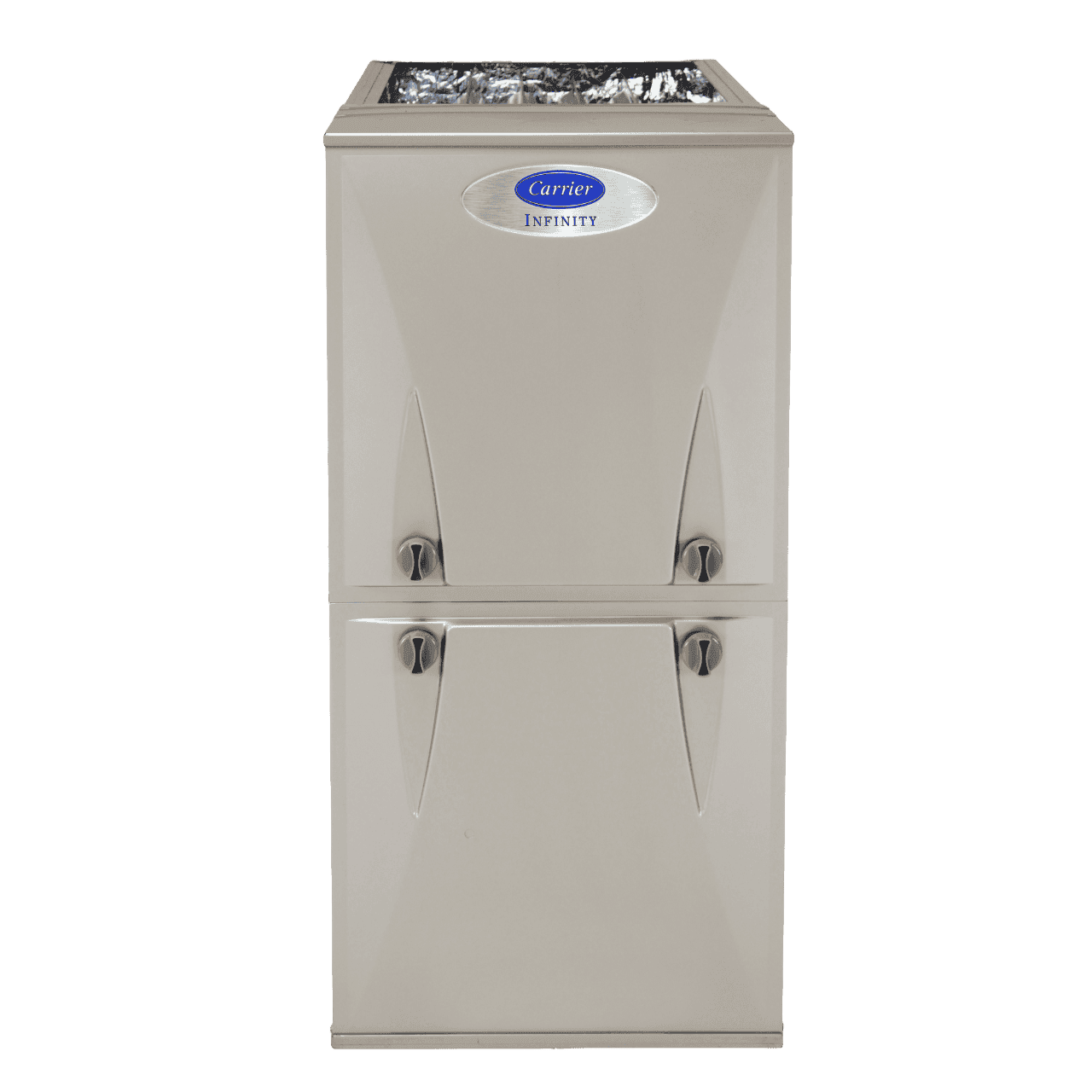
- Dual fuel: the gas furnace. Your thermostat may still call it "aux." See dual fuel vs all-electric.
Either way, the thermostat turns it on. You don't have to do anything.
When it comes on
During defrost. In winter, frost builds on the outdoor unit. To clear it, the heat pump runs backward for a few minutes, pulling heat from the house to melt the ice. Aux heat warms the air during those minutes so your vents don't blow cold. It happens more around freezing, when the air is damp, than on dry, bitter days.
When demand outruns the heat pump. If the house falls behind the thermostat setting, for example after a big overnight setback or on the coldest hours of the year, aux heat adds heat until the house catches up.
On a dual fuel system the thermostat also hands heating to the furnace below a set outdoor temperature. That's a setting, not a sign the heat pump gave out. We usually start it around 25°F and set it with you. Our heat pump vs furnace guide covers what each fuel costs.
Aux heat vs emergency heat
Aux heat is automatic. It helps the heat pump, then shuts off.
Emergency heat is a setting you choose. It shuts the heat pump off and runs only the backup. Use it if the outdoor unit is broken or buried in snow, and switch back once it's fixed. Left on by accident, it makes for a very expensive month.
What it costs to run
Heat strips turn one kWh into one kWh of heat. A heat pump at COP 3 turns one kWh into three. On Xcel's October 2026 rates the difference is easy to see:
- Heat source
- Gas furnace, 95% AFUE
- Cost for 100,000 BTU of heat
- $0.92
- Heat source
- Heat pump at COP 3, off-peak
- Cost for 100,000 BTU of heat
- $1.23
- Heat source
- Electric heat strips, off-peak
- Cost for 100,000 BTU of heat
- $3.69
A few defrost minutes a day barely show up on the bill. Strips running for hours do.
When aux heat is a problem
- It runs for long stretches on mild days. Above freezing, a working cold climate heat pump should carry the house alone outside of defrost.
- The thermostat is on emergency heat. Check this first if a bill jumps.
- Big setbacks. Dropping the thermostat 8 degrees overnight can make aux heat run every morning to catch up. A smaller setback usually costs less.
- The system is undersized. If the heat pump can't carry your house on ordinary winter days, aux heat fills the gap all season. That's a sizing problem, and a repair won't fix it.