

Yes, but there's a lot of nuance
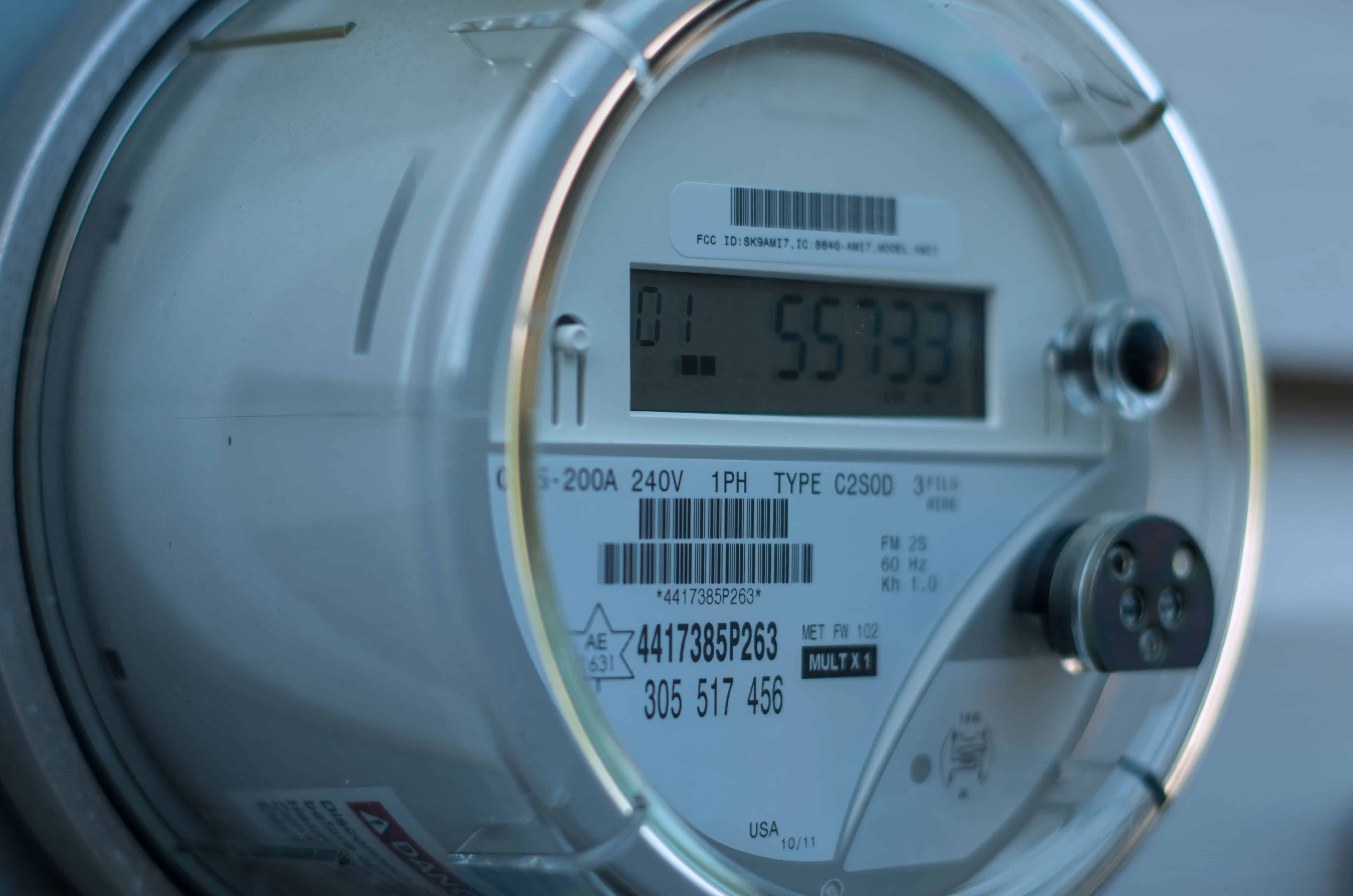
Yes, a heat pump uses a lot of electricity by household standards, because it moves the heating load that used to sit on your gas line onto your electric meter. On a dual fuel system with the furnace taking over below about 25°F, our working expectation is that combined winter gas plus electric spend lands roughly 5 to 10% below the old furnace and AC, and summer cooling roughly 15 to 20% below an old AC.
So the electric bill goes up, the gas bill goes down, and the number that matters is the two added together. The rest of this page is the wattage, the daily cost at Denver rates, and where the bill math goes wrong.
How many watts does a heat pump use?
A typical residential heat pump uses between 1,500 and 6,000 watts during operation. Use the calculator below to see real wattage data for specific models:
Heat Pump Wattage by Model
Compare real power consumption across temperatures
Power Consumption by Temperature
How many watts does this heat pump use?
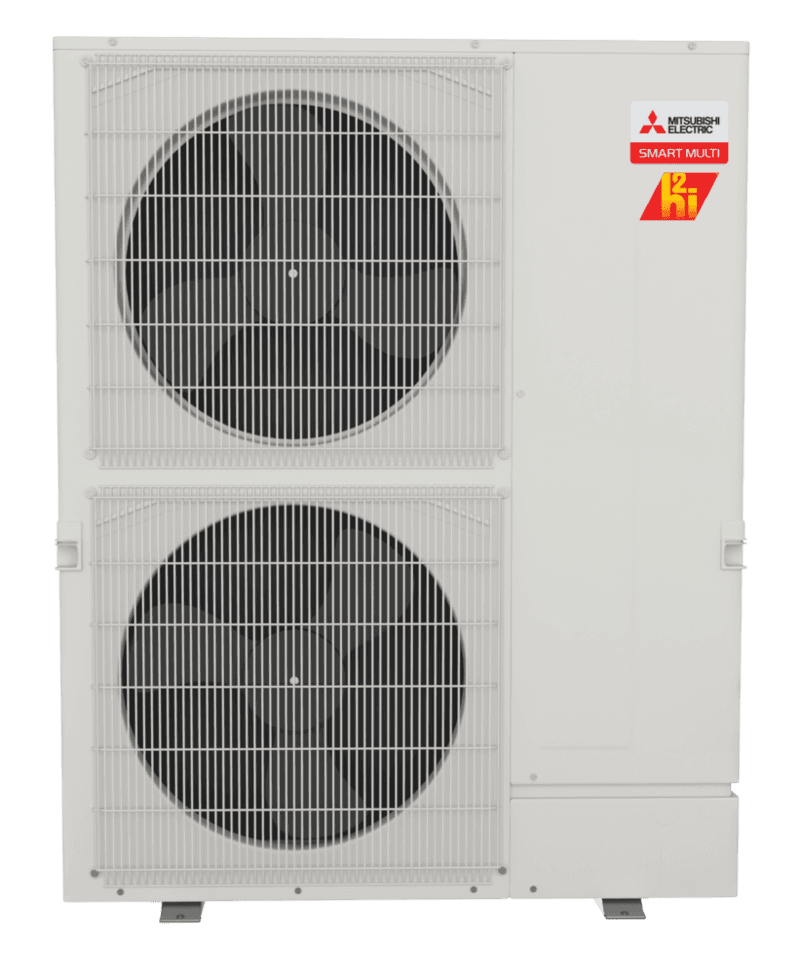
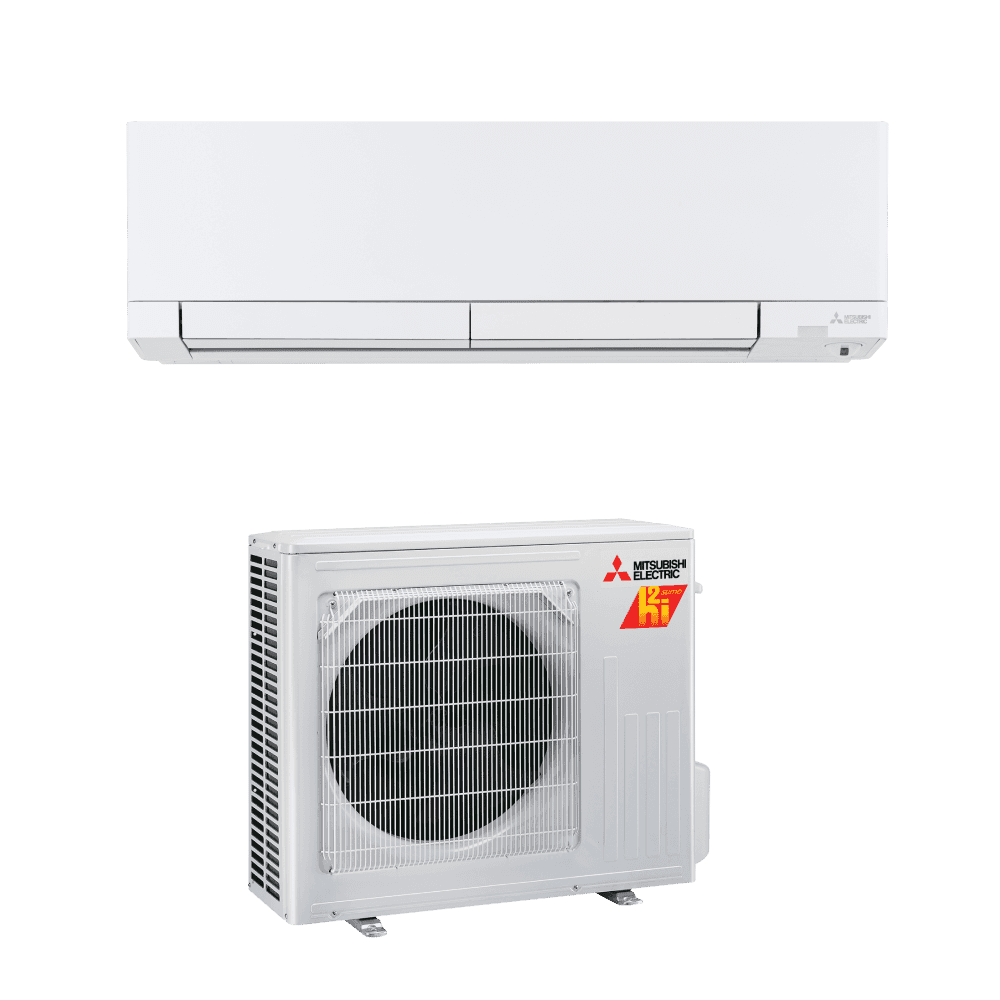
The MITSUBISHI MUZ-FX24NLHZ*** uses approximately 1,257 watts at 47°F (rated conditions), increasing to 3,803 watts at 5°F (extreme cold). For a typical Denver winter, expect average consumption around 821 watts during heating operation.
Actual consumption varies based on insulation, thermostat settings, and runtime.
But is 3,500 watts a lot? It depends on what you’re comparing it to. The chart below puts heat pump wattage in context against appliances you already run every day:
At 35°F (Cool), a 3-ton ducted heat pump uses about 3,517 watts, roughly the same as a central ac (3,500W).
Wattage by brand and model
Real power consumption from manufacturer AHRI-certified performance data for cold-climate models we install. Wattage at 47°F represents mild weather operation; 5°F shows peak draw during Colorado’s coldest nights.
| Brand & Model | Watts @ 5°F | Details |
|---|---|---|
| Mitsubishi MUZ-FX18NLHZ | 3,358W | |
| Mitsubishi MXZ-SM36NLHZ | 6,155W | |
| Mitsubishi MXZ-SM60NLHZ | 9,086W | |
| Bosch BOVB-36MTB-M19E | 4,470W | |
| Bosch BOVB-60MTB-M19E | 7,676W | |
| Carrier 37MPRAQ18AA3 | 2,831W | |
| Carrier 37MGHAQ48FA3 | 6,961W | |
| Lennox VPC036H5M | 4,982W | |
| Rheem RD18AY36AJVC | 3,566W | |
| MrCool O-ES-24-HP-C | 3,031W |
Why a heat pump needs less energy than it delivers
Unlike a conventional gas furnace that burns fuel to produce heat, a heat pump uses a refrigeration cycle to pull heat from outdoor air (air-source) or the ground (geothermal) and move it indoors. Because it only needs electricity to run the compressor and fans rather than produce heat from scratch, it often consumes fewer total resources. If you want the basics first, start with what a heat pump is and whether it runs on gas or electric.
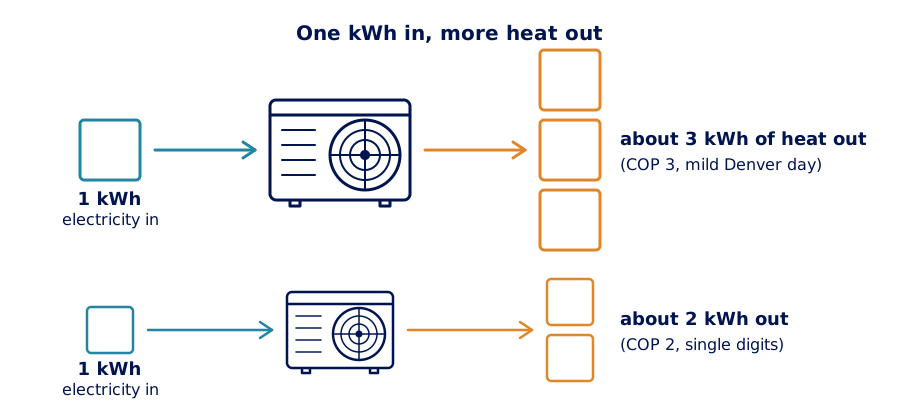
The key metric is the Coefficient of Performance (COP). When a heat pump has a COP of 3.0, it delivers 3 units of heat for every 1 unit of electricity consumed. In moderate temperatures, cold-climate heat pumps routinely achieve COP values of 3.5 to 4.5, meaning they produce 3.5 to 4.5 times more heat energy than the electrical energy they consume. This efficiency multiplier is why they can heat a home while using less total energy than a gas furnace.
What affects a heat pump's energy use?
- Efficiency Ratings: A heat pump’s SEER2 and HSPF2 ratings are key indicators. Higher ratings mean lower energy use.
- Climate: Colorado’s cold winters demand cold-climate heat pumps with variable-speed compressors to maintain efficiency.
- Home Insulation: Poorly insulated homes increase heat pump workload.
- Size of the System: Oversized or undersized systems waste energy.
- Usage Patterns: Frequent adjustments to thermostat settings can spike energy use.
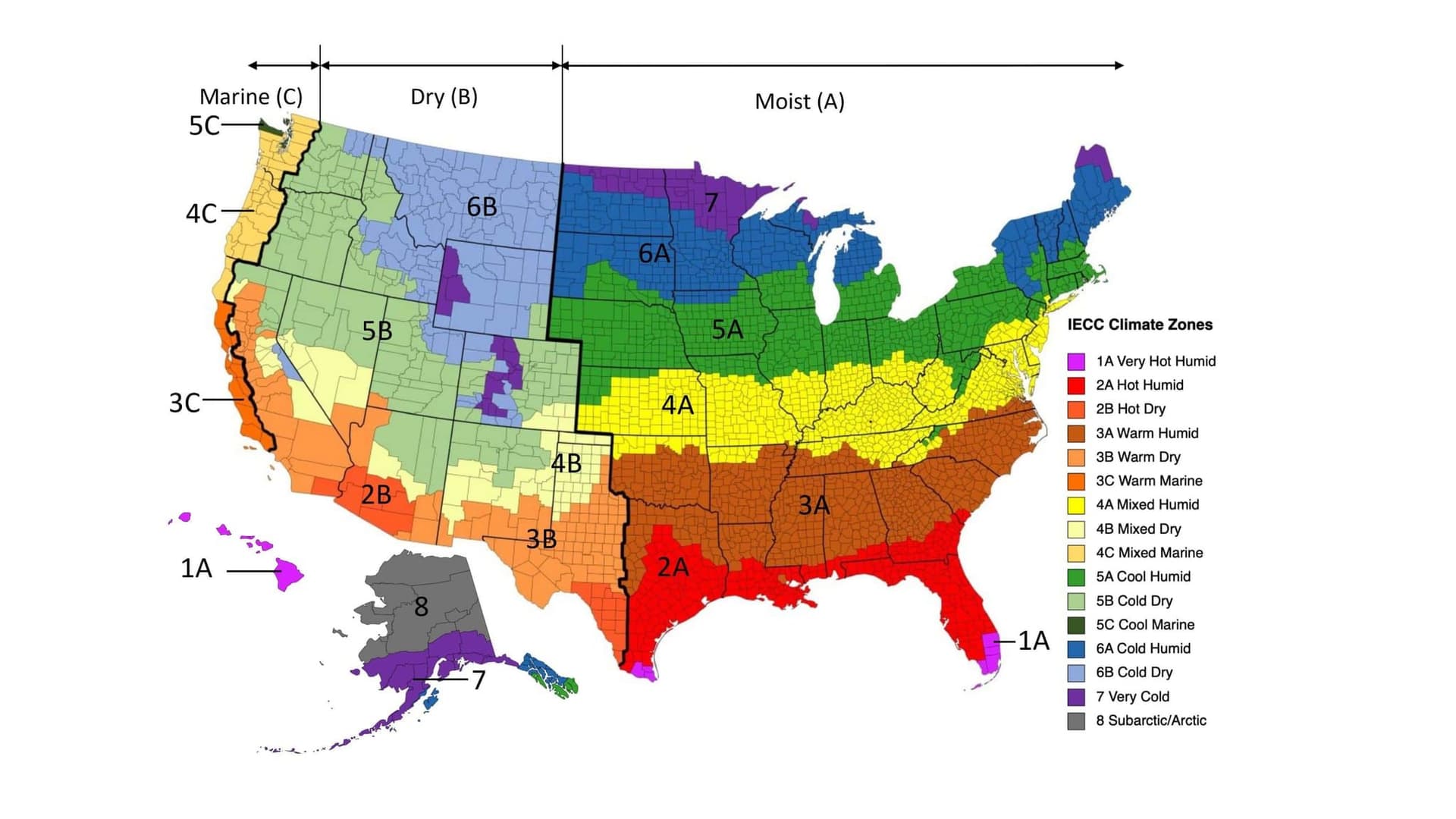
According to the 2021 International Energy Conservation Code (IECC), proper insulation, airtight construction, and efficient systems can dramatically reduce heat pump energy consumption.
Heat pump electricity usage
Heat pumps are often compared to conventional heating and cooling systems such as gas furnaces, electric resistance heaters, and air conditioners. Below is a comparison of their energy use for both heating and cooling modes.
What do these metrics mean?
- HSPF (Heating Seasonal Performance Factor): Measures heating efficiency for heat pumps. Higher HSPF means less electricity used for the same heat output.
- sCOP (Seasonal Coefficient of Performance): Ratio of heat output to electricity input over a season. Similar to HSPF but used internationally.
- AFUE (Annual Fuel Utilization Efficiency): Efficiency of gas furnaces. 0.95 AFUE means 95% of energy in natural gas is converted to heat.
- SEER (Seasonal Energy Efficiency Ratio): Measures cooling efficiency for air conditioners and heat pumps. Higher SEER means more cooling per kWh of electricity.
Heating mode comparison
| System | Typical Wattage | Details |
|---|---|---|
| Cold-climate heat pump | 2,500–5,300W | |
| Standard heat pump | 3,500–7,000W | |
| Gas furnace (95% AFUE) | 400–600W (fan only) | |
| Electric resistance | 5,000–15,000W |
Wattage by system size and temperature
The same heat pump draws very different wattage depending on the outdoor temperature. As it gets colder, the compressor works harder and COP drops, both of which increase electricity consumption.
| System Size | 47°F | Details |
|---|---|---|
| 1.5-ton mini-split | 1,319W | |
| 2-ton ducted | 1,758W | |
| 3-ton ducted | 2,638W | |
| 4-ton ducted | 3,517W | |
| 5-ton ducted | 4,396W |
Energy use per square foot:
Heat pump electricity use varies by home size and system efficiency. Compared to gas furnaces and boilers, heat pumps excel in efficiency but may cost more to operate if electricity prices are high.
Heat pumps generally consume less total energy but may cost more due to electricity’s price compared to natural gas.
How much will it cost to run a heat pump?
Cost depends on electricity rates, system efficiency, and usage patterns. Heat pumps with higher COP or HSPF ratings use significantly less total energy but may cost more to operate due to the difference in energy density. Here is an example for a 2,000 square foot home in Colorado across different temperature bands.
| Outdoor Temp | Daily Cost | Details |
|---|---|---|
| 47°F (Mild) | $2.95 | |
| 35°F (Cool) | $3.94 | |
| 17°F (Cold) | $5.37 | |
| 5°F (Extreme) | $6.57 |
With most cold climate heat pumps, at temperatures above 50°F, COP often exceeds 4.0, which significantly reduces operating costs. Use our energy cost calculator to estimate what a heat pump would cost to run in your specific home.
How to calculate wattage
If you have your heat pump’s spec sheet handy, you can calculate the exact wattage at any operating condition. Enter the BTU output and COP below to see live results:
Calculate your heat pump wattage
Enter your system’s BTU and COP from the spec sheet
Don’t know your BTU or COP? Use the model-specific calculator above
How much will a heat pump raise my electric bill?
For a 2,000 sq ft Denver home on a 3-ton system, the tables above put heating electricity at roughly $3 to $6.60 a day depending on outdoor temperature, or about $90 to $200 a month in December through February at $0.14/kWh. That electricity replaces gas you would otherwise burn at about $1.10 per therm, so the electric line goes up and the gas line goes down in the same months.
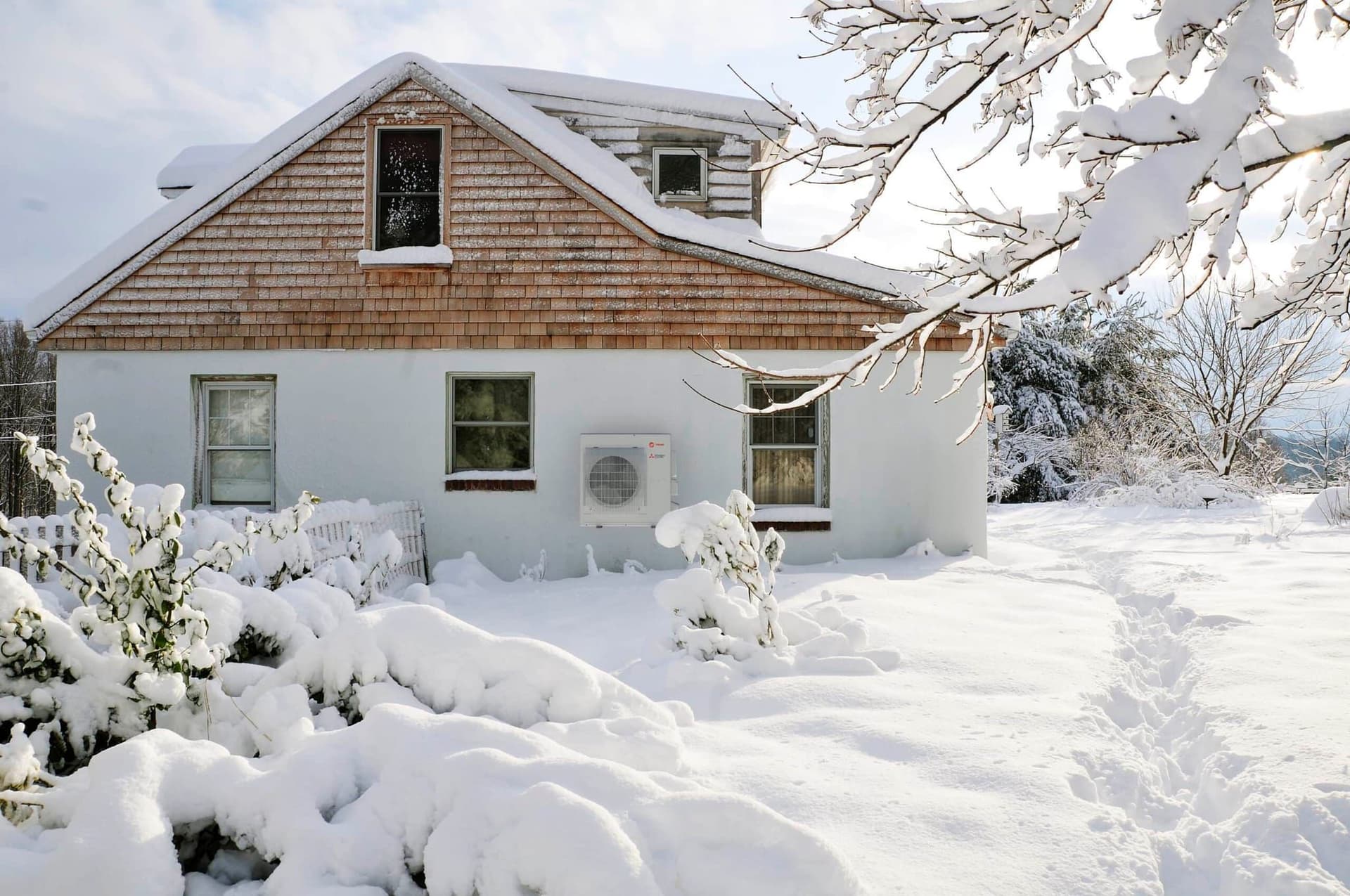
On a dual fuel system, which is how we design most Denver installs, the furnace takes over below about 25°F and the heat pump handles everything warmer. Our working expectation is combined winter gas plus electric spend roughly 5 to 10% below the old furnace and AC, and summer cooling roughly 15 to 20% below an old AC, because the heat pump is also a newer variable-speed air conditioner.
That 25°F changeover assumes Xcel time-of-use. Xcel's residential time-of-use rate charges a base $0.068 per kWh off-peak and $0.183 on-peak in winter, before the $7.10 service charge, riders, fees, and taxes, and 20 of 24 weekday hours plus weekends and holidays are off-peak. At the $0.14 flat rate used in the tables above, a 95% furnace is cheaper below about COP 3.5 (roughly 40°F); at any effective off-peak rate under about $0.10 per kWh the break-even is COP 2.5 or lower, which is where the 25°F setpoint comes from.
Where the bill goes wrong is a fully electric system leaning on backup heat strips through single-digit nights, or a unit sized for cooling and left to short cycle. If you are still deciding, the questions to ask before you buy cover the changeover temperature, backup heat, and rate plan. For the tradeoffs beyond the bill, see the real downsides of a heat pump in Denver.
Heat pumps do not typically increase your bills overall, but they convert natural gas heating costs to electricity costs. This shift can be advantageous or costly depending on electricity prices, usage patterns or solar offset. For example:
- In Colorado’s moderate winter temperatures, a heat pump operating at COP 3.0 can reduce energy use by 30% compared to a gas furnace.
- In extremely cold temperatures, all heat pumps will have high run-times at high ampacity, which tends to increase costs, as a unit of electricity is much less energy dense compared to a unit of natural gas.
- Dual fuel cold climate heat pumps are a great fit for homeowners who want the best of both worlds; dual fuel systems combine a gas furnace and a heat pump to allow the homeowner to choose how much of the heating is taken on by the heat pump. If your gas bill keeps climbing, a dual fuel setup can shift most of your heating to electric while keeping gas as a backup.
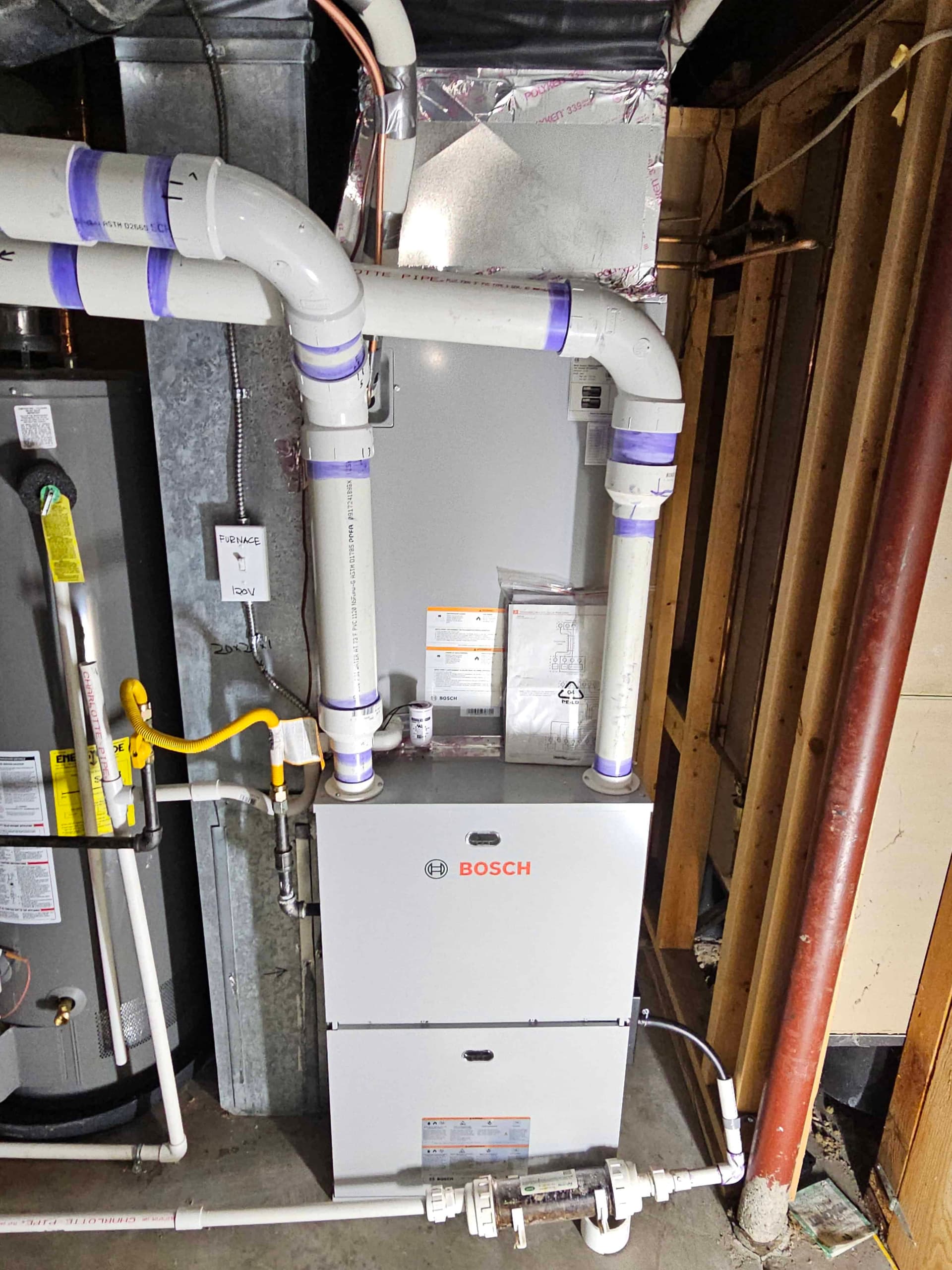
For a detailed side-by-side cost analysis, see our heat pump vs gas furnace operating costs comparison. For what a new heat pump system costs to purchase and install, see our heat pump installation cost guide.


Uni handles the programs, sizes for heating, dual fuel by default
Cold-climate equipment sized for the heating load, gas backup below about 25°F, and the rebate paperwork filed by us. Ask for the bill math on estimate day.
Conclusion
Heat pumps offer a significant net benefit for homeowners. They can lower energy costs, reduce reliance on fossil fuels, and provide efficient heating and cooling year-round. For added flexibility, they can be paired with dual fuel setups to optimize performance in extreme cold.
Residents of Denver, Littleton, Centennial, and surrounding areas can take advantage of significant rebates and incentives to make installation more affordable.
If you’re considering a heat pump for your home, contact UniColorado for expert advice and professional installation. We’re here to help you find the best solution for your comfort and budget.