

Not All Cold Climate Labels Are Equal
Look for ENERGY STAR Cold Climate certification as a baseline, but don't stop there. Certification means the unit was tested at 5 degrees F. Not that it'll keep your house warm when Denver hits -10 degrees F.
After installing over 12,000 heat pumps in Colorado, we've learned which units actually perform and which ones just have the right sticker.
TL;DR
What you need to know
- ENERGY STAR Cold Climate = tested at 5 degrees F, must maintain 70% capacity. Good baseline, not a guarantee.
- NEEP ccASHP list is more rigorous: 35,000+ products with COP requirements. Search at ashp.neep.org.
- What actually matters: does the unit maintain capacity below -5 degrees F? Most "cold climate" units don't.
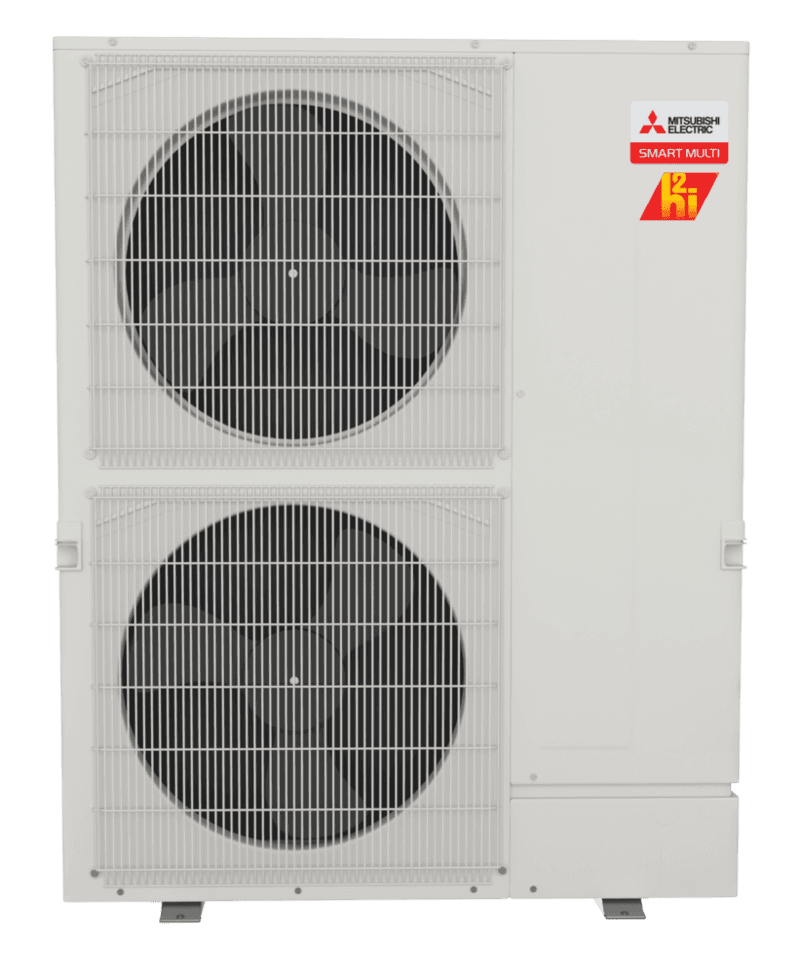
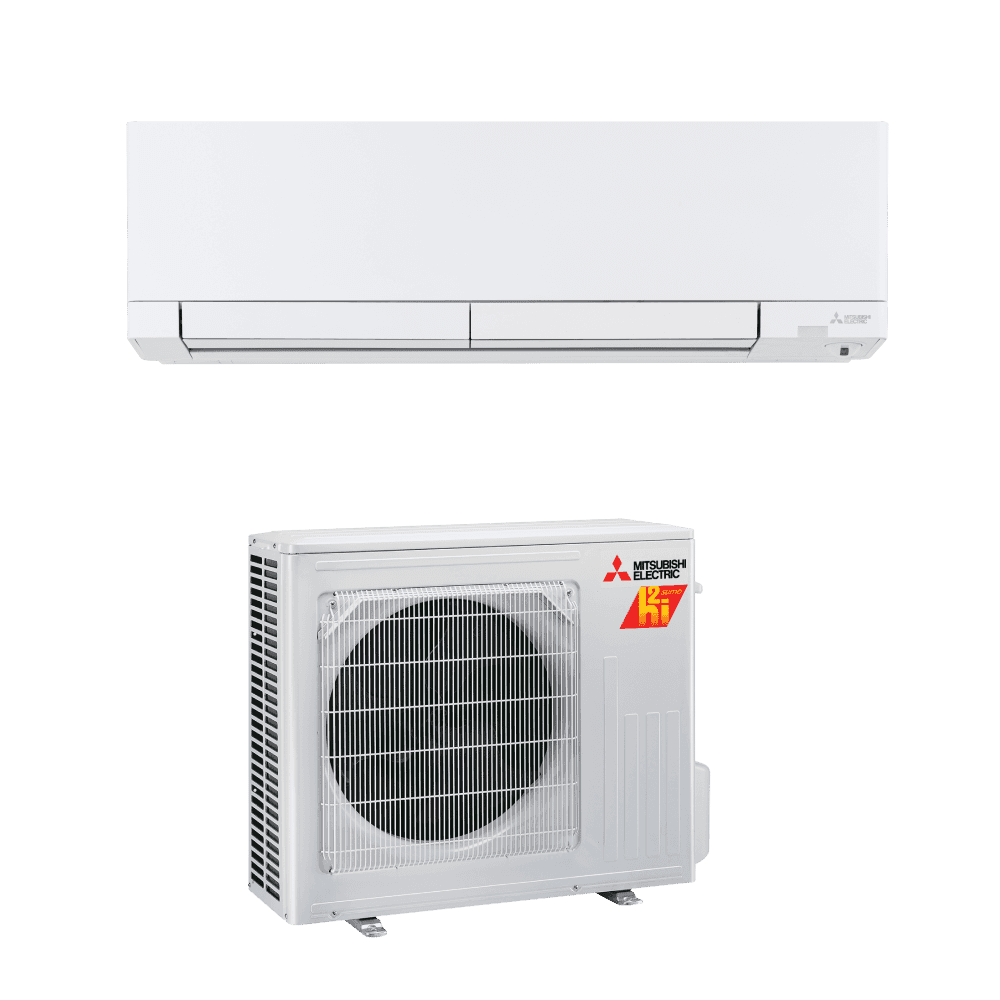
- Proven models: Mitsubishi H2i (4,000+ installed), Bosch IDS Ultra (600+), Carrier 27VNA1 & 37MUH (90+).
- Skip: Daikin, Lennox, new R454B Tranes, MrCool, Rheem, Fujitsu multi-zones.
The Cold Climate Label Problem
Three different organizations define "cold climate" differently:
- Certification
- Standard AHRI
- Test Temp
- 17 degrees F
- Capacity Requirement
- None specified
- What It Means
- Basically useless for Colorado
- Certification
- ENERGY STAR Cold Climate
- Test Temp
- 5 degrees F
- Capacity Requirement
- 70% or more of rated capacity
- What It Means
- Baseline, passes if it works at 5 degrees F
- Certification
- NEEP ccASHP
- Test Temp
- 5 degrees F
- Capacity Requirement
- COP 1.75 or higher + capacity data
- What It Means
- Better, includes efficiency requirements
- Certification
- DOE Challenge
- Test Temp
- -15 degrees F to -23 degrees F
- Capacity Requirement
- 100% capacity at low temps
- What It Means
- The real deal (few products qualify)
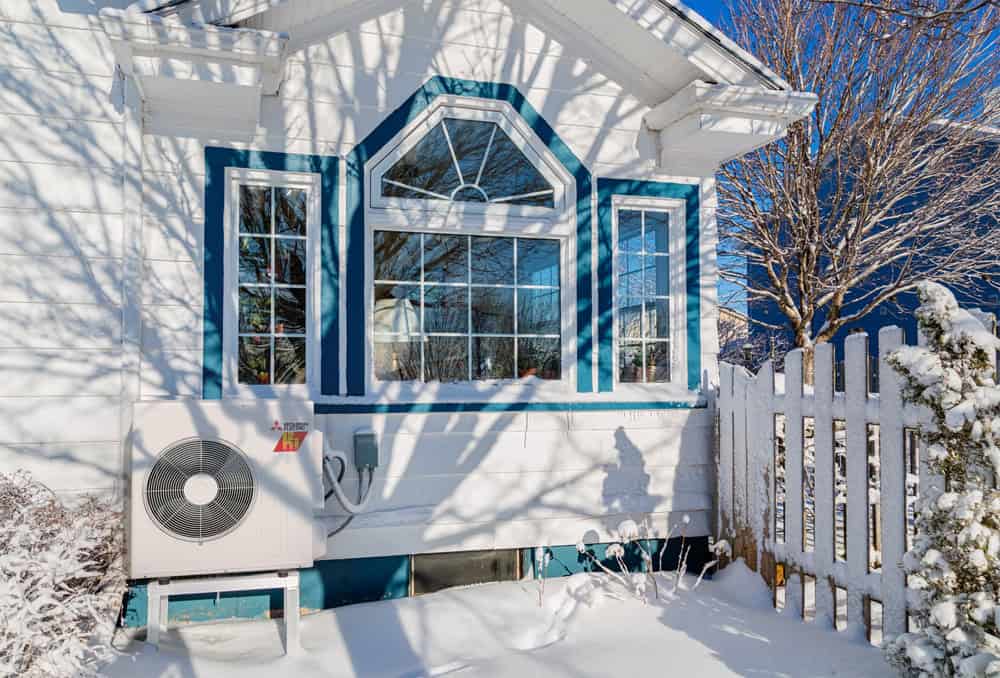
Colorado regularly sees temperatures below 0 degrees F, hitting -10 to -15 degrees F during cold snaps. A unit that "passes" at 5 degrees F can still leave you waiting for defrost to finish when you need heat most.
What Happens When Cold Climate Units Fail
We've seen three failure modes when temperatures drop below what a unit can handle:
Cold-weather failure patterns
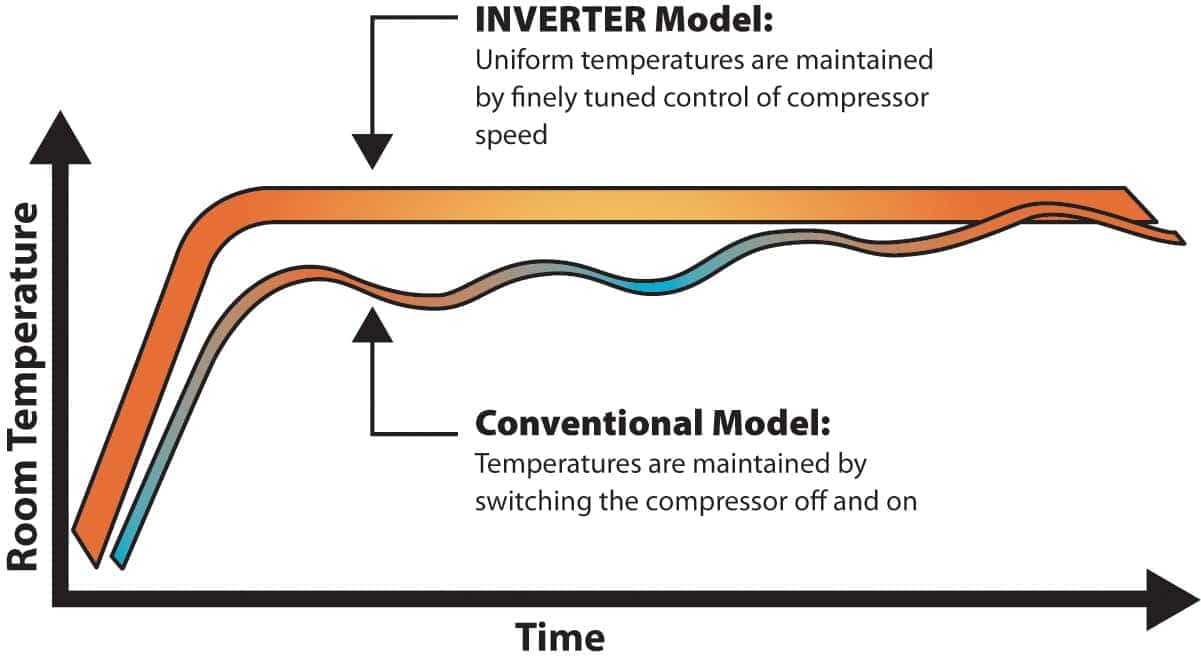
- Capacity drops dramatically. The unit runs constantly but can't keep up. Your house slowly gets colder.
- Constant defrost cycles. The unit spends more time defrosting the outdoor coil than heating. You get bursts of cold air from vents.
- Compressor shuts down. The unit hits its low-temperature limit and stops entirely. You're on backup heat, or nothing.
These aren't rare edge cases. We see this every winter with units that technically have "cold climate" certification but weren't designed for real cold-climate performance.
What We've Seen Work in Colorado
After thousands of cold-climate heat pump installations across the Front Range, here's what actually performs:
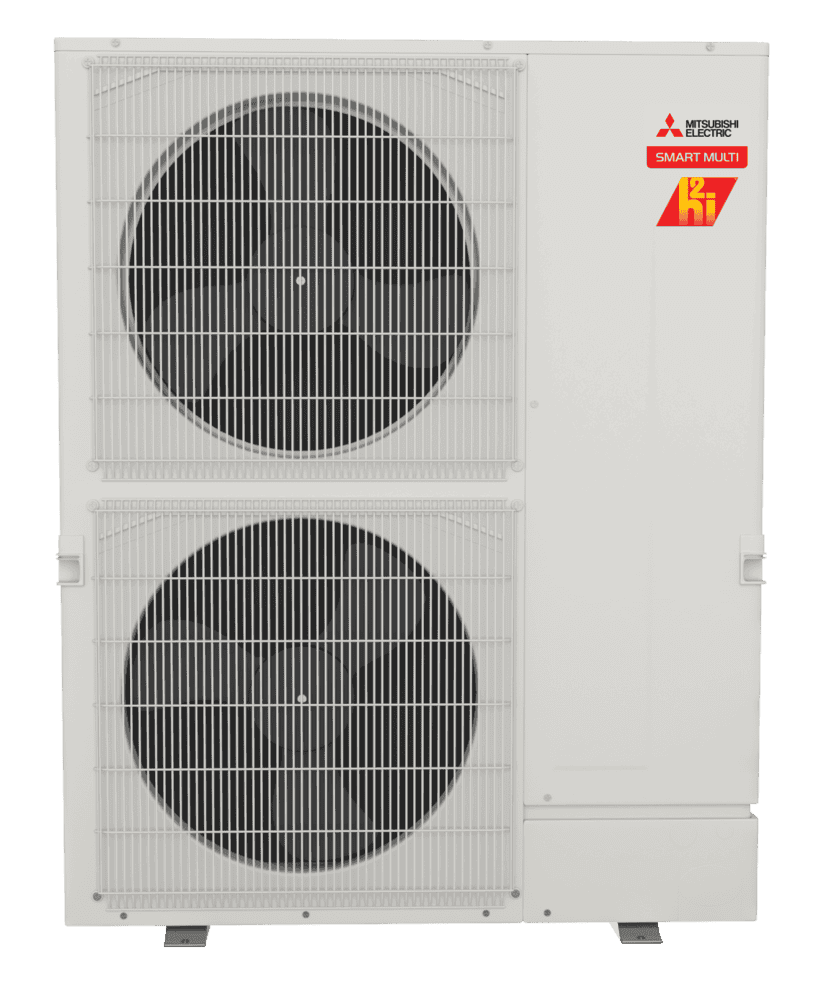
Mitsubishi Hyper-Heating (H2i)
Models: PUZ, SUZ, MXZ, MUZ series with H2i designation
Our experience: Over 4,000 units installed in the past 5 years. Lowest callback rate of any equipment we install. These units maintain 100% capacity at 5 degrees F and keep running down to -13 degrees F. H2i Plus models maintain full capacity to -5 degrees F.
Why it works: Mitsubishi pioneered cold-climate technology with their flash injection compressor. The H2i designation isn't marketing. It's a fundamentally different compressor design.
Watch out for: Regular Mitsubishi units (without the H2i designation) are NOT the same. We've seen contractors install standard Mitsubishi mini-splits and tell customers they're "cold climate rated." They're not.
Bosch IDS Ultra
Models: 3-ton (mid-2026) and 5-ton configurations
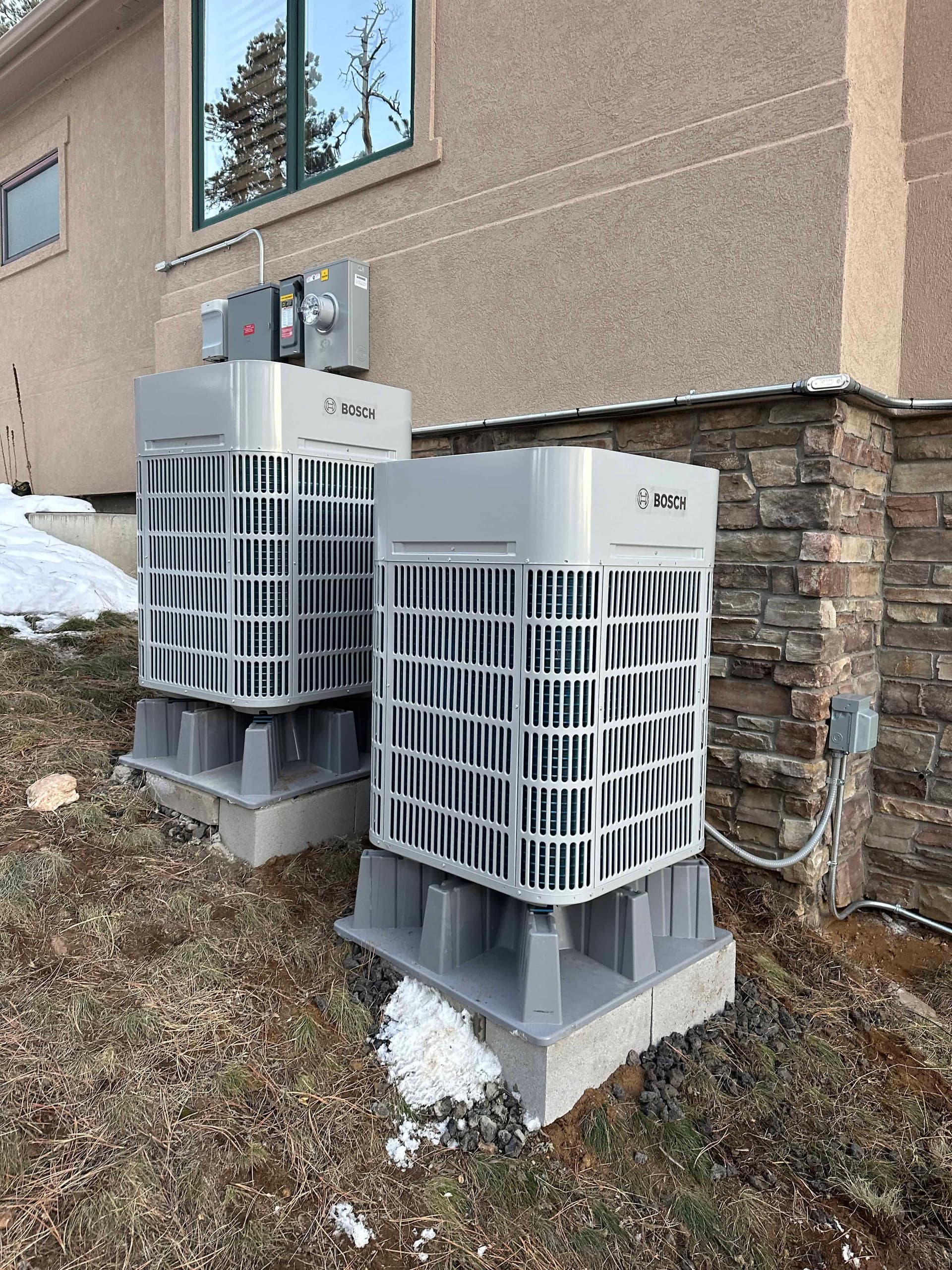
Our experience: Over 800 Bosch units installed with great results. DOE Cold Climate Challenge certified. Operates down to -13 degrees F with 100% capacity at 5 degrees F and 2.1 COP. Uses low-GWP R-454B refrigerant (2026-compliant).
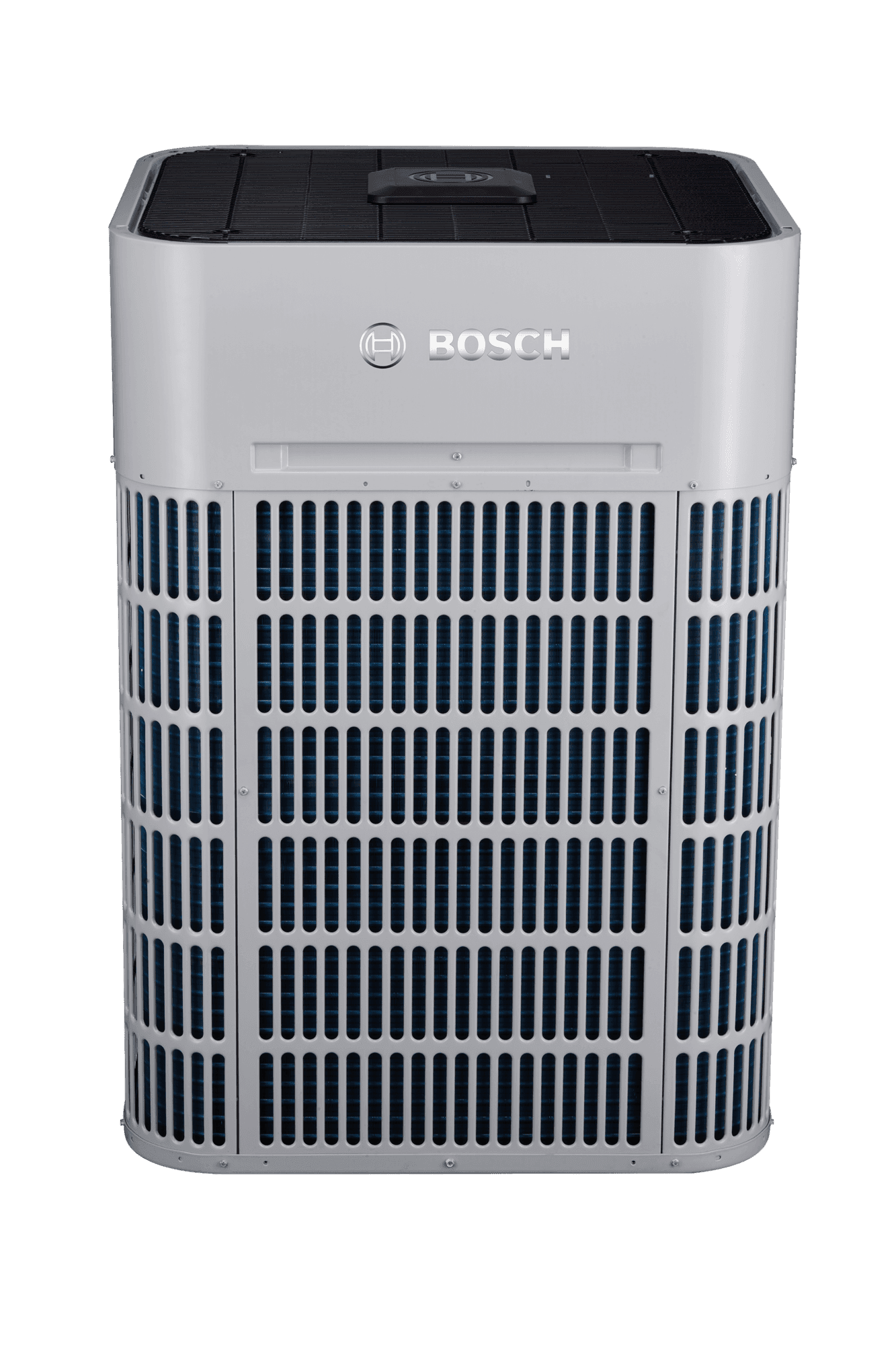
Why it works: First manufacturer to bring a DOE Challenge product to market. Inverter-driven, variable-speed EVI compressor with robust cold-weather engineering. The Ultra designation matters - standard Bosch IDS units have a higher low-temp cutoff.
Carrier Infinity 27VNA1 & 37MUHA
Models: 27VNA1 (ducted), 37MUHA (ductless)
Our experience: 10+ units of the 27VNA1, roughly 80 units of the 37MUHA. Both performing well through Colorado winters.
Why it works: The 27VNA1 is Carrier's DOE Challenge product. Operates to -23 degrees F with 100% capacity at 0 degrees F. The 37MUHA operates to -22 degrees F with 10.8 HSPF2 efficiency.
Ductless or multi-zone install
→Mitsubishi H2i
Lowest callback rate we see. H2i Plus holds 100% capacity to -5 degrees F. Best choice for ductless whole-home or room additions.
Ducted whole-home system
→Bosch IDS Ultra
DOE Challenge certified, 10 HSPF2, R-454B refrigerant. First to market on DOE Challenge. Better fit for ducted installs than the H2i series.
Extreme cold performance (to -23 degrees F)
→Carrier 27VNA1
Carrier's DOE Challenge product. 100% capacity at 0 degrees F, operates to -23 degrees F. Strong choice for mountain-adjacent or exposed properties.
Ductless + efficiency priority
→Carrier 37MUHA
19 SEER2, 10.8 HSPF2, operates to -22 degrees F. Strong efficiency numbers and solid cold-weather performance at a lower price point than H2i.
Compare Cold Climate Heat Pump Brands
Sort, filter, and compare the cold climate heat pumps we recommend. Click column headers to sort, use the dropdown to filter by certification, and check boxes to compare side-by-side.
| Compare | Brand / ModelBrand / Model | Min TempMin | COP @ 5°FCOP | HSPF2HSPF2 | WarrantyWarr. | Our InstallsInstalls | We Install |
|---|---|---|---|---|---|---|---|
Mitsubishi H2i (Hyper-Heating) ES-CCNEEP | -13°F | 2.00 | 9.4 | 12 yr | 4,000+ | ||
Bosch IDS Ultra DOEES-CCNEEP | -13°F | 2.10 | 10.0 | 10 yr | 600+ | ||
Carrier 37MUHA (Ductless) ES-CCNEEP | -22°F | 1.85 | 10.8 | 10 yr | 80+ | ||
Carrier Infinity 27VNA1 DOEES-CCNEEP | -23°F | 2.00 | 12.5 | 10 yr | 10+ | ||
Daikin Fit Aurora (DH9VS) ES-CCNEEP | -13°F | 1.90 | 10.0 | 12 yr | - | ||
Lennox XP25 ES-CC | -15°F | 1.80 | 9.5 | 10 yr | - |
Scroll table horizontally for all columns, or view cards below.
Lowest callback rate. 100% capacity at 5°F, operates to -13°F. H2i plus models: 100% at -5°F.
DOE Challenge certified. 100% capacity at 5°F. R-454B refrigerant. First DOE Challenge product to market.
Budget-friendly ductless cold climate option. 19 SEER2 cooling.
DOE Challenge certified. 100% capacity at 0°F, operates to -23°F. Best-in-class efficiency.
AHRI-Based Equipment Shortlist
Cold-Climate Model Matcher
Find AHRI-listed models that can actually cover your 5°F heating load.
Ducting
Program Filters
Matches
114
Balanced Fit
48
Median 5°F Retention
92%
Priority Brand Matches
21
Best Match Right Now
MITSUBISHI MXZ-SM36NLHZ***
5°F Output: 42k BTU/h
5°F COP: 2.00
Retention: 100%
Fit Band: Balanced
Top AHRI Matches
| Brand | Model | 5°F BTU | Oversize | HSPF2 | COP @ 5°F | Retention | Fit |
|---|---|---|---|---|---|---|---|
| MITSUBISHIPreferred | MXZ-SM36NLHZ*** | 42k BTU/h | +17% | 12.0 | 2.00 | 100% | Balanced |
| MITSUBISHIPreferred | MXZ-SM36NLHZ-** | 42k BTU/h | +17% | 12.0 | 2.00 | 100% | Balanced |
| BOSCHPreferred | BOVB-36MTB-M19E | 37k BTU/h | +2% | 10.0 | 2.40 | 100% | Tight |
| CARRIERPreferred | 37MGHAQ48FA3 | 48k BTU/h | +32% | 11.2 | 2.00 | 98% | Balanced |
| MITSUBISHIPreferred | MXZ-SM42NLHZ*** | 48k BTU/h | +33% | 11.1 | 2.00 | 100% | Balanced |
| MITSUBISHIPreferred | MXZ-SM42NLHZ-** | 48k BTU/h | +33% | 11.1 | 2.00 | 100% | Balanced |
| BOSCHPreferred | BMS500-AAM048-1CSXHD | 48k BTU/h | +33% | 11.0 | 2.00 | 100% | Balanced |
| CARRIERPreferred | 37MGHAQ30EA3 | 36k BTU/h | +0% | 10.7 | 2.00 | 116% | Tight |
| BOSCHPreferred | BMS500-AAM036-1CSXHD | 37k BTU/h | +3% | 10.6 | 2.00 | 103% | Tight |
| BOSCHPreferred | BMS500-AAS048-1CSXLD | 41k BTU/h | +13% | 9.9 | 2.11 | 81% | Balanced |
| BOSCHPreferred | BMS500-AAM048-1CSXRD | 38k BTU/h | +6% | 10.6 | 2.10 | 81% | Tight |
| CARRIERPreferred | 37MGRAQ48FA3 | 38k BTU/h | +6% | 10.6 | 2.10 | 81% | Tight |
| CARRIERPreferred | 27VNA154A*030* | 52k BTU/h | +44% | 10.5 | 2.10 | 102% | Safe |
| MITSUBISHIPreferred | MXZ-SM60NL*** | 47k BTU/h | +29% | 10.5 | 2.00 | 72% | Balanced |
What We've Seen Struggle in Colorado
We don't say this to trash competitors' equipment. We say it because we've had to deal with these systems after they failed to meet our high expectations.
Daikin
- Capacity issues and reliability problems in cold weather.
- Aurora series marketed as cold-climate, but our field experience doesn't match the marketing.
Lennox
- Frequent compressor and coil failures after long running winters.
- A class-action regarding coils. Enough replacements to know it's a pattern, not a fluke.
- We do not intend to test their newest DOE Challenge series.
Trane (New R454B Models)
- New R454B models use LG compressors. Early experience has not been good.
- New enough that the jury is still out. Not currently recommending their heat pumps.
- Their furnaces are tanks, however.
MrCool / Rheem / Fujitsu Multi-Zone
- MrCool: DIY units sold at big box stores, not designed for cold-climate performance. 2025 models are Midea rebrands.
- Rheem: Non-Fujitsu models do not keep up in our coldest weeks.
- Fujitsu multi-zone: decent single-zone results, but multi-zone systems struggle with defrost. Ducted units are rebranded Rheem.
How to Verify Before You Buy
Don't take anyone's word for it, including ours. Here's how to check:
1. Check the NEEP Database
Go to ashp.neep.org and search by model number.
- COP at 5 degrees F: should be 1.75 or higher, preferably 2.0+
- Capacity at 5 degrees F as % of rated: 70% minimum, 85% is better
- Minimum operating temperature: look for -13 degrees F or below
2. Ask for the Spec Sheet
Request engineering specs, not the sales brochure.
- Rated heating capacity at 5 degrees F and below
- Minimum operating temperature listed
- Capacity at 0 degrees F or -5 degrees F -- if not listed, assume it can't do it
3. Ask Your Contractor These Questions
Contractor vetting questions
If they can't answer confidently, that's a red flag.
- "What's the minimum operating temperature for this unit?"
- "What percentage of capacity does it maintain at 5 degrees F? At 0 degrees F?"
- "How many of these specific units have you installed in Colorado?"
- "What's your callback rate on this equipment?"
4. Look for Brand-Specific Cold-Climate Designations
Model-number designations that matter
- Mitsubishi: must say "H2i" or "H2i Plus" or "Hyper-Heating"
- Bosch: must be "IDS Ultra" (not standard IDS)
- Carrier: look for 27VNA1 or 37MUHA model numbers
- Daikin: "Aurora" is their cold-climate marketing line
- Fujitsu: Halcyon or XLTH designation
Colorado Rebate Requirements
Most Colorado rebate programs require cold-climate certification. The unit you choose here matters beyond brand preference - it determines rebate eligibility.
Rebate eligibility by program
- Xcel Energy ($2,250/ton): specific requirements on SEER, capacity, and COP at 5 degrees F. A 3-ton system qualifies for $6,750. See current amounts on our Xcel rebates page.
- HEAR (Home Electrification and Appliance Rebates): requires ENERGY STAR Cold Climate certification. Up to $8,000 for income-qualified households at 150% AMI.
- Federal 25C Tax Credit: ended December 2025. No longer available.
- Colorado State Tax Credit: $1,000 credit on your Colorado return for qualifying heat pump installations. No income limit.
Certification gets you rebate eligibility, not performance. Eligibility just means the unit passed the 5 degrees F test. Our Xcel HVAC rebates page has current amounts and eligibility requirements. The HEAR rebates guide covers income qualification details. For total installed cost before and after rebates, see our heat pump installation cost guide.
Related guides
Income-based rebates up to $8,000 for heat pump upgrades
Head-to-head specs: Mitsubishi, Bosch, and Carrier
The full picture on heat pumps in Colorado's climate
Operating cost breakdown for Colorado homeowners
Total installed cost for heat pumps with and without rebates
The Bottom Line
"Cold climate rated" is a minimum standard, not a recommendation. In Colorado's climate where we regularly see temperatures below 0 degrees F and occasionally hit -14 degrees F, you need equipment that's proven to perform in real cold, not just certified to work at 5 degrees F.
We've installed over 12,000 heat pumps across the Denver metro and Front Range, and helped customers secure over $5 million in rebates in 2025 alone. The brands and models we recommend aren't based on manufacturer relationships or sales incentives. They're based on which equipment keeps working when our customers need heat most.


Get a Cold-Climate Heat Pump Estimate
We'll spec the right unit for your home and handle rebate paperwork.