


Inventor of the AC
Air conditioning is one of those modern conveniences that makes life a whole lot better, and it's worth knowing where it came from. From keeping us cool in the summer to providing a comfortable environment in offices, schools, and hospitals, AC has become an essential part of daily life.
A brief history of air conditioning follows.
Who invented Air Conditioning?
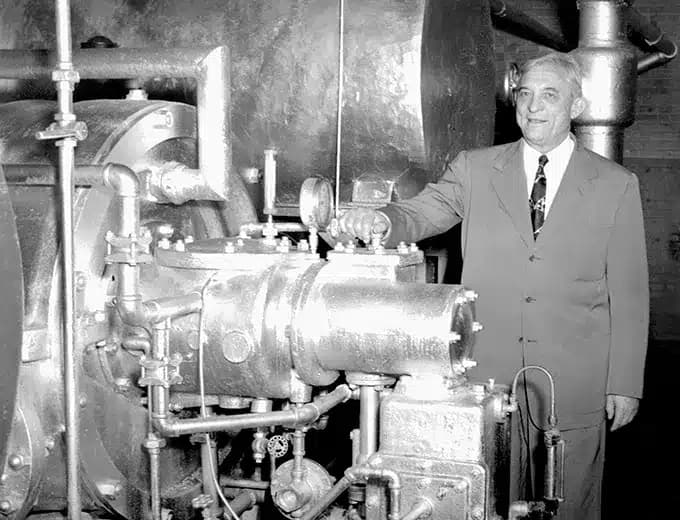
The invention of modern air conditioning is credited to Willis Haviland Carrier, an American engineer who designed the first mechanical air conditioning system in 1902. Carrier was 25 years old and just one year out of Cornell University when he solved a humidity problem at a Brooklyn printing plant, the Sackett-Wilhelms Lithographing and Publishing Company. The printing process required precise humidity control because paper would expand and contract with moisture changes, throwing off color registration on multi-pass print jobs.
Carrier's solution was to pass air over chilled coils, which simultaneously cooled and dehumidified it. He filed his patent, "Apparatus for Treating Air," in 1906 (U.S. Patent 808,897). While he didn't set out to invent comfort cooling, his system laid the technical foundation for everything that followed.
The history of the Air Conditioner
Carrier's 1902 system was built for industrial use, not personal comfort. For the first two decades of air conditioning, the technology stayed in factories, textile mills, and pharmaceutical plants where temperature and humidity control affected product quality.
The first public comfort installations came in the 1920s. In 1922, Carrier installed a system at the Rivoli Theater in New York City, and the public response was enormous. Movie theaters became some of the first air-conditioned spaces most Americans ever experienced, and summer movie attendance surged as a result. Department stores and office buildings followed through the 1930s, with the Milam Building in San Antonio (1928) becoming the first air-conditioned office high-rise.
During World War II, air conditioning played a direct role in manufacturing. Weapons production, electronics assembly, and early computer systems all required controlled environments. The U.S. military's demand for climate-controlled facilities accelerated the technology and built the manufacturing infrastructure that would later bring AC to the consumer market.
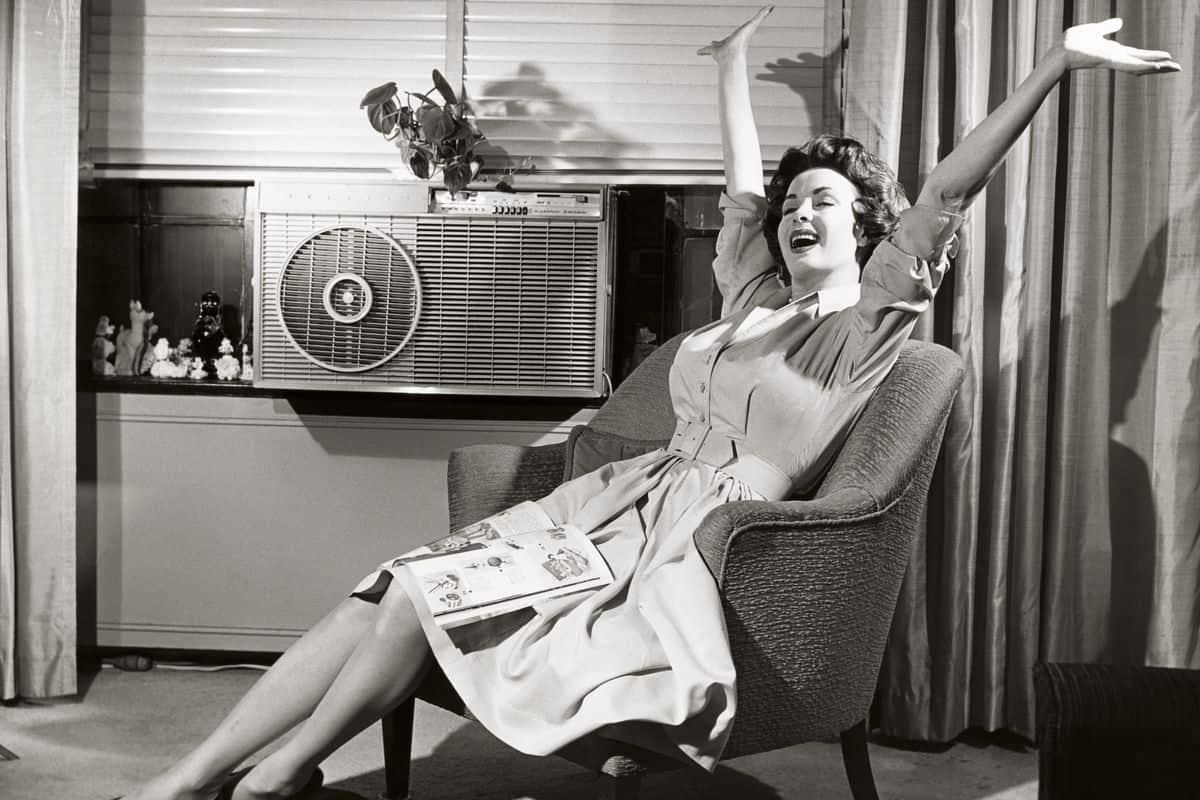
After the war, the window air conditioner made residential AC affordable for the first time. By 1953, over 1 million window units were sold in a single year. Central air conditioning systems for homes became widely available in the 1960s and 1970s, driving a massive population shift to the American Sun Belt states. Cities like Phoenix, Houston, and Atlanta grew rapidly once year-round indoor comfort was possible.
What technology did Willis Carrier Invent?
Carrier's core invention was a mechanical system that used the vapor compression refrigeration cycle to control both temperature and humidity. The basic process works in four steps:
- Compression: A compressor pressurizes a refrigerant gas, raising its temperature.
- Condensation: The hot, high-pressure gas passes through condenser coils where it releases heat to the outside air and turns into a liquid.
- Expansion: The liquid refrigerant passes through an expansion valve, rapidly dropping in pressure and temperature.
- Evaporation: The cold refrigerant flows through evaporator coils inside the building, absorbing heat from indoor air. This cools and dehumidifies the air before it is circulated back into the room.
This same four-step cycle is still the foundation of every air conditioner, heat pump, and refrigerator manufactured today. The refrigerants, compressor designs, and controls have advanced enormously since 1902, but the underlying thermodynamic principle remains the same.
When did homes get air conditioning?
Residential air conditioning started with window units in the late 1940s. Henry Galson developed a compact, affordable window unit around 1947 that sold for about $350 (roughly $4,800 adjusted for inflation). By the mid-1950s, window AC was a mainstream consumer product.
Central air conditioning for homes became common in the 1960s-1970s, driven by suburban construction and falling equipment costs. By 1980, about 55% of new American homes were built with central AC. Today, roughly 90% of U.S. homes have some form of air conditioning, with central systems accounting for about 75% of those installations.
In Colorado, AC adoption was historically lower than Sun Belt states because of cooler nighttime temperatures and low humidity. But as average summer temperatures have increased over the past two decades, AC has gone from a "nice to have" to a practical necessity in the Denver metro area, where summer highs regularly reach the mid-90s.
Is Carrier Corporation Related to Willis Carrier?

Yes. Willis Carrier co-founded the Carrier Engineering Corporation in 1915 with six other engineers, putting up $32,600 in combined capital. The company grew into one of the largest HVAC manufacturers in the world. Carrier served as chairman of the board until his death in 1950.
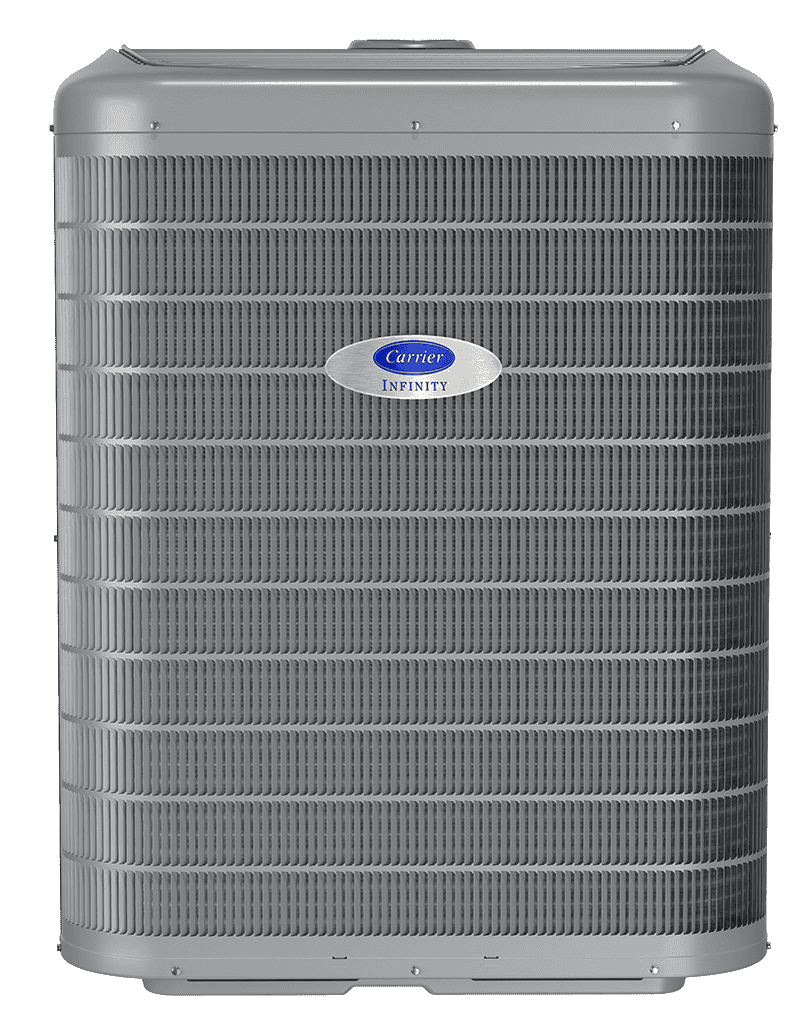
Today, the Carrier Corporation is a publicly traded company (NYSE: CARR) with annual revenues exceeding $20 billion. Its residential HVAC brands include Carrier, Bryant, and Payne. The Carrier Infinity series and the 25VNA4 heat pump remain among the top-performing systems we install at UniColorado.
From Carrier's coils to modern heat pumps
Willis Carrier's 1902 invention could only cool. Modern heat pumps use the same refrigeration cycle but add a reversing valve that allows the system to run in both directions: extracting heat from outdoor air in winter and removing heat from indoor air in summer. This means one system handles both heating and cooling, something Carrier could not have anticipated when he was solving a printing plant's humidity problem 120 years ago.
The efficiency gains are substantial. Carrier's original system had no efficiency rating at all. Today's variable-speed heat pumps achieve SEER2 ratings above 20 and HSPF2 ratings above 10, delivering 2.5 to 4 times more heating or cooling energy than the electricity they consume. For Colorado homeowners still running older systems, upgrading to a modern heat pump is one of the biggest comfort and efficiency improvements available.


Upgrade Your AC System
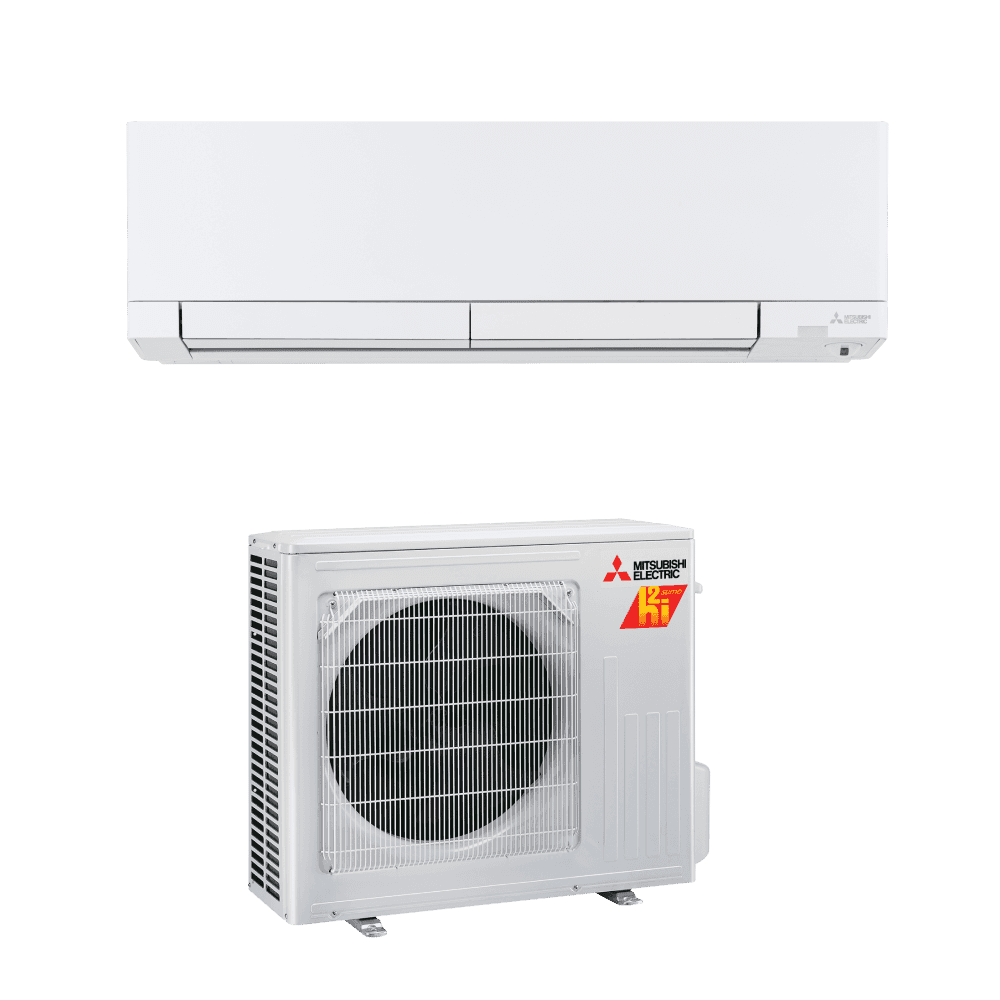
Free estimates. We install Carrier, Mitsubishi, and Bosch.