

The honest answer: very few HVAC brands are fully American-made anymore
If you're looking for an HVAC system manufactured entirely in the United States, your options are extremely limited. The reality is that most brands with American headquarters, including Carrier, Trane, and Lennox, manufacture a significant portion of their equipment in Mexico, China, and other countries.
Here's the breakdown of where major HVAC brands actually manufacture their equipment, why the industry went global, and what matters more than where your furnace or air conditioner was assembled.
Where major HVAC brands actually manufacture equipment
This table shows the headquarters location, manufacturing facilities, and product strengths for the major HVAC brands sold in the United States. Some brands have U.S. assembly plants, but most source components globally.
| Brand | Manufacturing Locations | Details |
|---|---|---|
| Carrier | Indianapolis (IN), Monterrey (Mexico), China, Thailand | |
| Trane / American Standard | Tyler (TX), Clarksville (TN), Monterrey (Mexico), China | |
| Lennox | Saltillo (Mexico), Des Moines (IA), Stuttgart (AR) | |
| Goodman / Daikin | Houston (TX), Waller (TX), Mexico, Thailand | |
| Rheem / Ruud | Fort Smith (AR), Eagan (MN), Monterrey (Mexico), China | |
| Mitsubishi Electric | Japan, Thailand, China | |
| Bosch | Germany, Portugal, Turkey, China | |
| York / Johnson Controls | Norman (OK), Monterrey (Mexico), China | |
| Bryant | Same as Carrier (Indianapolis, Monterrey, China, Thailand) |
How the HVAC industry went global
Starting in the 1990s and accelerating through the 2000s, HVAC manufacturers moved production offshore to reduce costs. Mexico became the primary destination for North American HVAC manufacturing due to NAFTA (now USMCA) trade agreements, lower labor costs, and proximity to the U.S. market.
By the 2010s, most "American" brands were sourcing components globally (heat exchangers from China, compressors from Japan or Thailand, control boards from Taiwan), even if final assembly happened in the U.S. or Mexico.
Today, very few HVAC manufacturers maintain full vertical integration in a single country. The exceptions are mostly commercial/industrial brands that operate at higher price points.
What actually matters when choosing an HVAC brand
After 12,000+ installations across the Denver metro, here's what we've learned matters more than where a unit was assembled:
What Actually Determines Long-Term Value
- Local service and parts availability - brands with strong regional distributor networks stock common parts locally. Budget brands often require 3-5 day shipping, leaving you without heat.
- Warranty backing and manufacturer support - premium brands process warranty claims in 3-5 business days. Budget brands with 'lifetime warranties' often make them nearly impossible to claim.
- Technician training and expertise - heat pumps from Mitsubishi and Bosch require specialized training. Undertrained technicians mean higher service costs and longer waits.
- Performance in your specific climate - Colorado swings from -10°F to 100°F. Mitsubishi Hyper-Heat delivers 100% rated capacity at -13°F; some U.S.-assembled brands drop to 40-50% below 5°F.
At UniColorado, we install Carrier, Mitsubishi, and Bosch, not because of where they're made, but because they deliver verifiable performance in Colorado winters, have responsive warranty support, and maintain local parts inventory in Denver.
What UniColorado installs and why
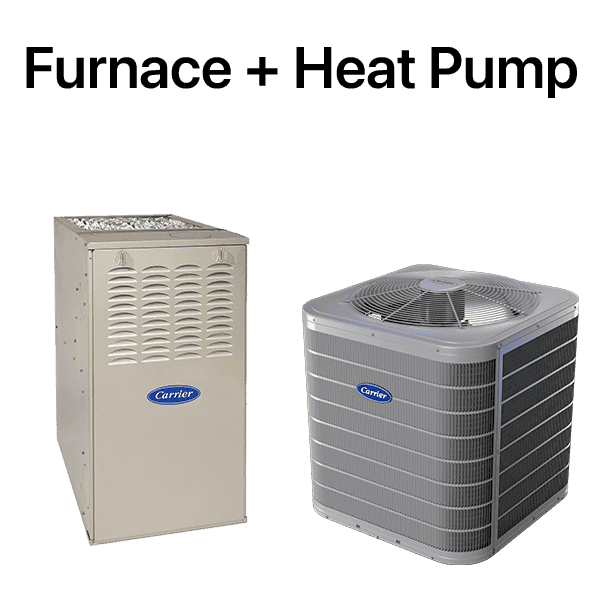
We specialize in three brands for their performance, reliability, and service support, not headquarters location.
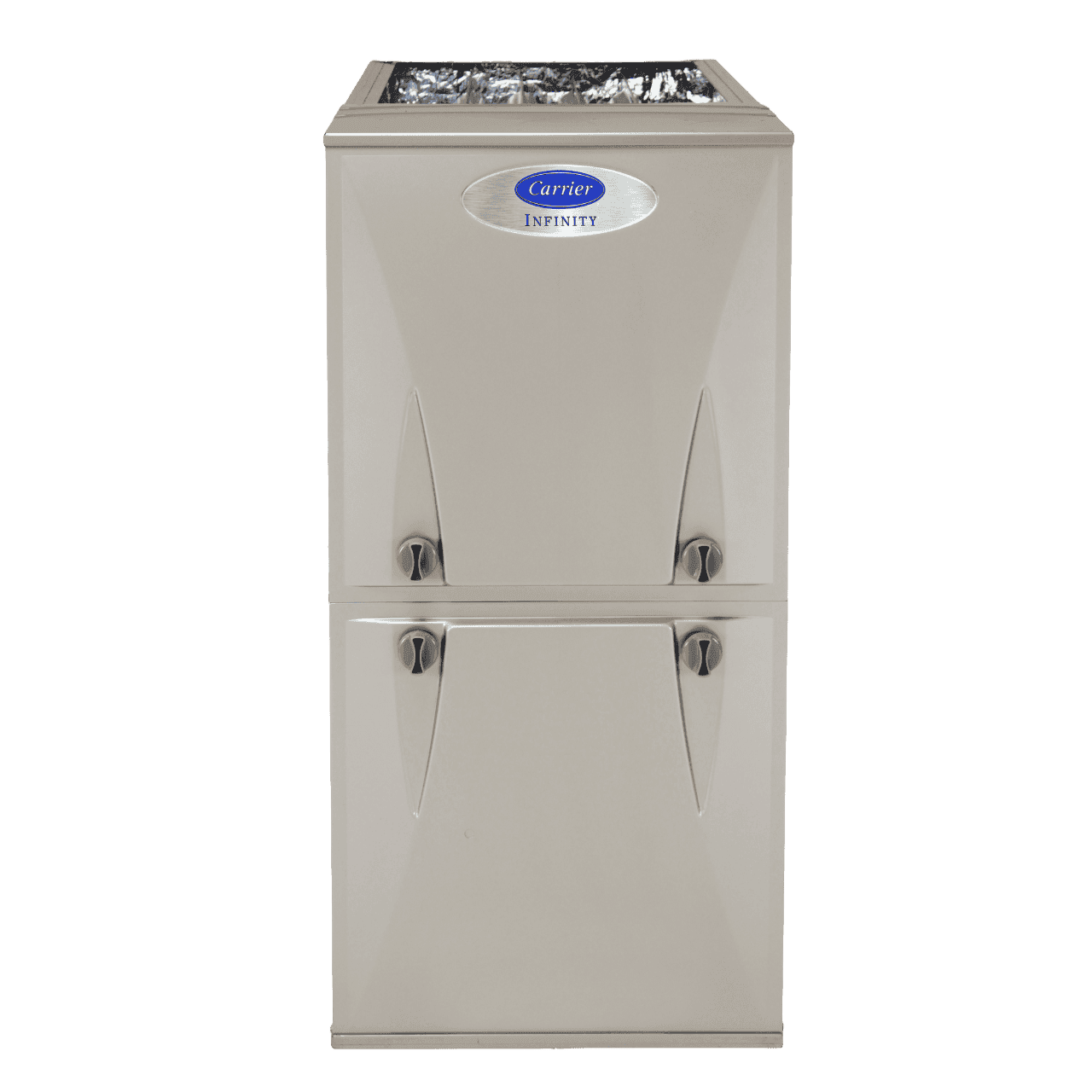
Carrier
Headquarters: United States
Assembly: Indianapolis, Monterrey
Strong dealer network in Colorado. Infinity series heat pumps deliver excellent performance in cold climates. Reliable warranty support and parts availability.
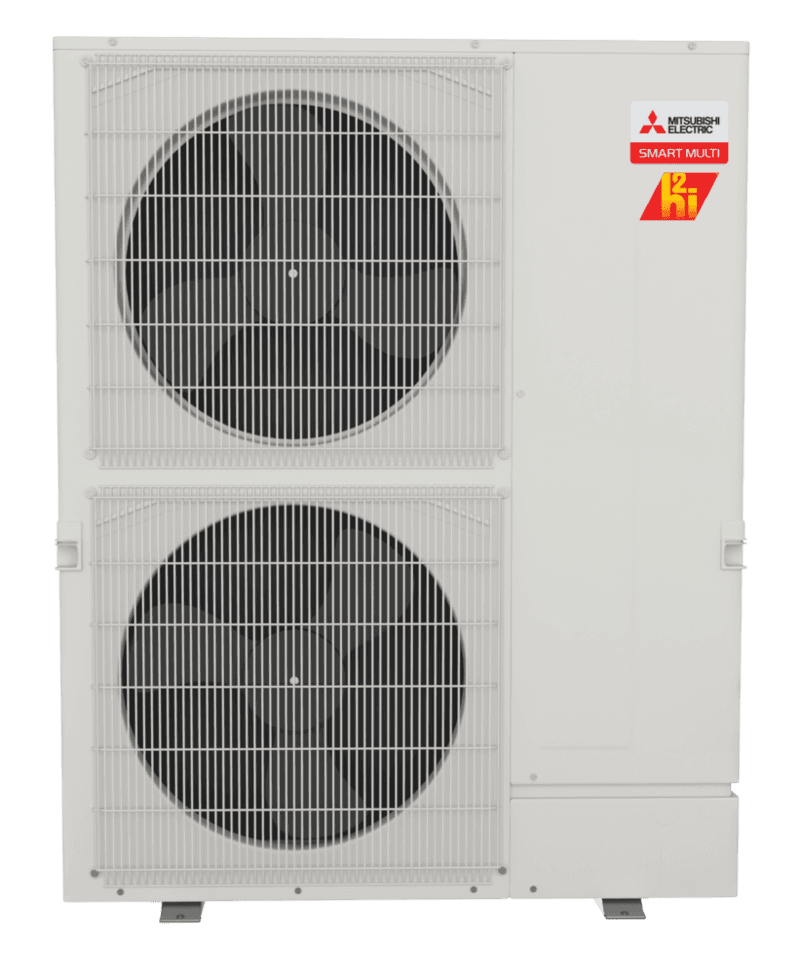
Mitsubishi Electric
Headquarters: Japan
Manufacturing: Japan, Thailand
Best-in-class cold climate heat pumps. Hyper-Heat technology works down to -13°F. UniColorado is a Mitsubishi Diamond Contractor (the highest level of certification).
Bosch
Headquarters: Germany
Manufacturing: Germany, Portugal
Excellent integrated HVAC/water heating systems. IDS Ultra line designed for North American cold climates. Strong engineering and build quality.
We do not install Lennox. While Lennox is headquartered in Texas, we've chosen to focus on the brands above based on over a decade of experience with equipment performance, warranty support, and customer satisfaction.
See our full brand comparison and recommendations at our HVAC brands page.
How tariffs affect HVAC equipment pricing
Trade policy has a significant impact on HVAC equipment pricing, regardless of where equipment is assembled. Here's how tariffs affect the major brands:
Current tariff situation (February 2026)
- China-made components: 10% baseline tariff (implemented April 2025). Affects compressors, control boards, and heat exchangers from Chinese suppliers. Nearly all HVAC brands source at least some components from China.
- Mexico-assembled equipment: Currently 0% tariff under USMCA trade agreement, but subject to political changes. Carrier, Trane, Lennox, and Rheem all assemble residential equipment in Monterrey.
- Japan/Thailand imports: 0-2.5% tariff rates. Affects Mitsubishi, Daikin, and component suppliers. Most heat pump compressors come from Japan or Thailand.
How tariffs affect homeowners
When tariffs increase on imported components or finished equipment, manufacturers pass costs to distributors, who pass costs to contractors, who ultimately pass costs to homeowners. A 10% tariff on Chinese-made control boards translates to roughly 6-10% higher equipment prices after typical distributor and contractor markup (40-50% total).
In 2025, we saw HVAC equipment prices increase 15-30% in Denver due to combined tariffs (10% on China), supply chain disruptions, and copper/steel raw material costs. Where equipment is assembled matters less than where components are sourced; nearly all brands source compressors, control boards, and heat exchangers globally.
Read our detailed breakdown in How Tariffs Will Affect HVAC Prices in 2025.
Related Guides
What 95% AFUE actually means for your Denver heating bills.
Side-by-side cost comparison with real Denver gas and electric rates.
Which brands hold capacity at sub-zero Colorado temperatures.


Get an Estimate on the Right System for Your Home
We install Carrier, Mitsubishi, and Bosch - we'll recommend the right brand for your home and budget.