

Three things are driving up Denver gas bills
Your gas bill keeps going up even though you haven't changed your thermostat settings. The house feels the same, but the number on the bill climbs every winter. What's going on?
Three factors are at play, and most Denver homeowners have at least two of them working against their wallet:
- Xcel Energy rate increases: Even an efficient furnace costs more to run when the price per therm goes up.
- Old furnace inefficiency: 80% AFUE furnaces waste 20 cents of every dollar you spend on gas.
- Home envelope issues: Air leaks, poor insulation, and duct losses force your furnace to work harder.
The good news: you can diagnose which factor is hitting you hardest, and there are specific fixes for each one. Here's how to figure out your problem, and what to do about it.
Factor 1: Xcel Energy rate increases
This one is out of your control, but it's real; and it affects every gas customer in the Denver metro area. Xcel Energy has raised natural gas rates significantly over the past several years. Even if your usage stays exactly the same, your bill goes up.
Here's why this matters: if you burned 100 therms last January and burn 100 therms this January, your bill still goes up if Xcel raised rates. The usage line on your bill might look identical; but the dollar amount is higher.
How to diagnose this factor:
- Compare your gas usage (in therms) from last winter to this winter. If usage is flat or slightly down but your bill is up, rates are the culprit.
- Check Xcel's published rate schedules. Look at the "Cost per Therm" line on your bill and compare it to 12 months ago.
- Look at your bill's itemized charges. Xcel breaks out the "Gas Cost Adjustment" (GCA) and "Electric Commodity Adjustment" (ECA) separately. These fluctuate monthly based on wholesale market prices.
What you can do: Not much, directly. You can't negotiate Xcel's rates. But you can reduce your total usage (factors 2 and 3 below) to offset the per-therm price increase. Or, and this is where electrification comes in, you can eliminate gas entirely by switching to a heat pump.
Factor 2: Old furnace inefficiency (AFUE ratings)
AFUE stands for Annual Fuel Utilization Efficiency. It's the percentage of gas that actually gets converted into heat for your home. The rest goes out the exhaust vent.
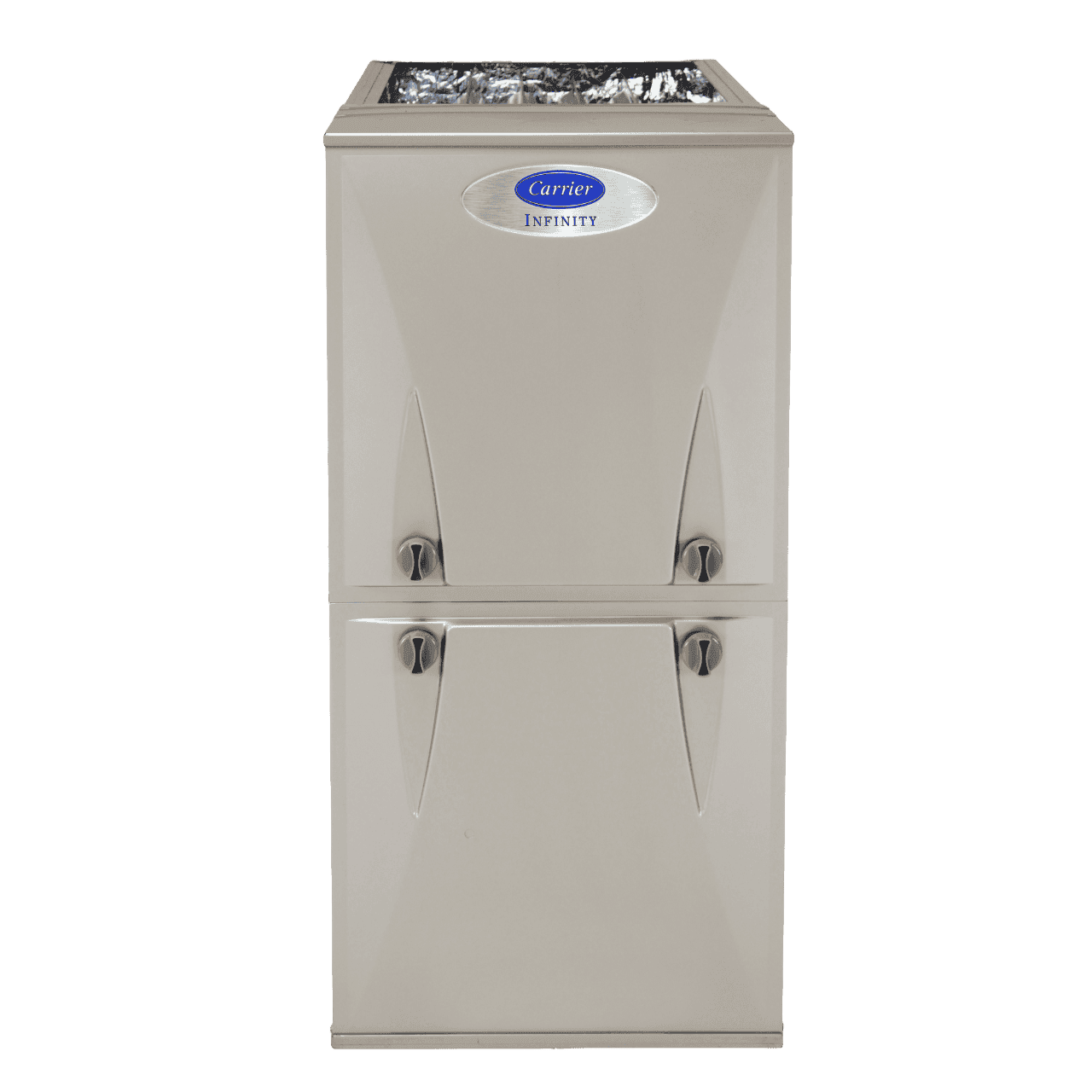
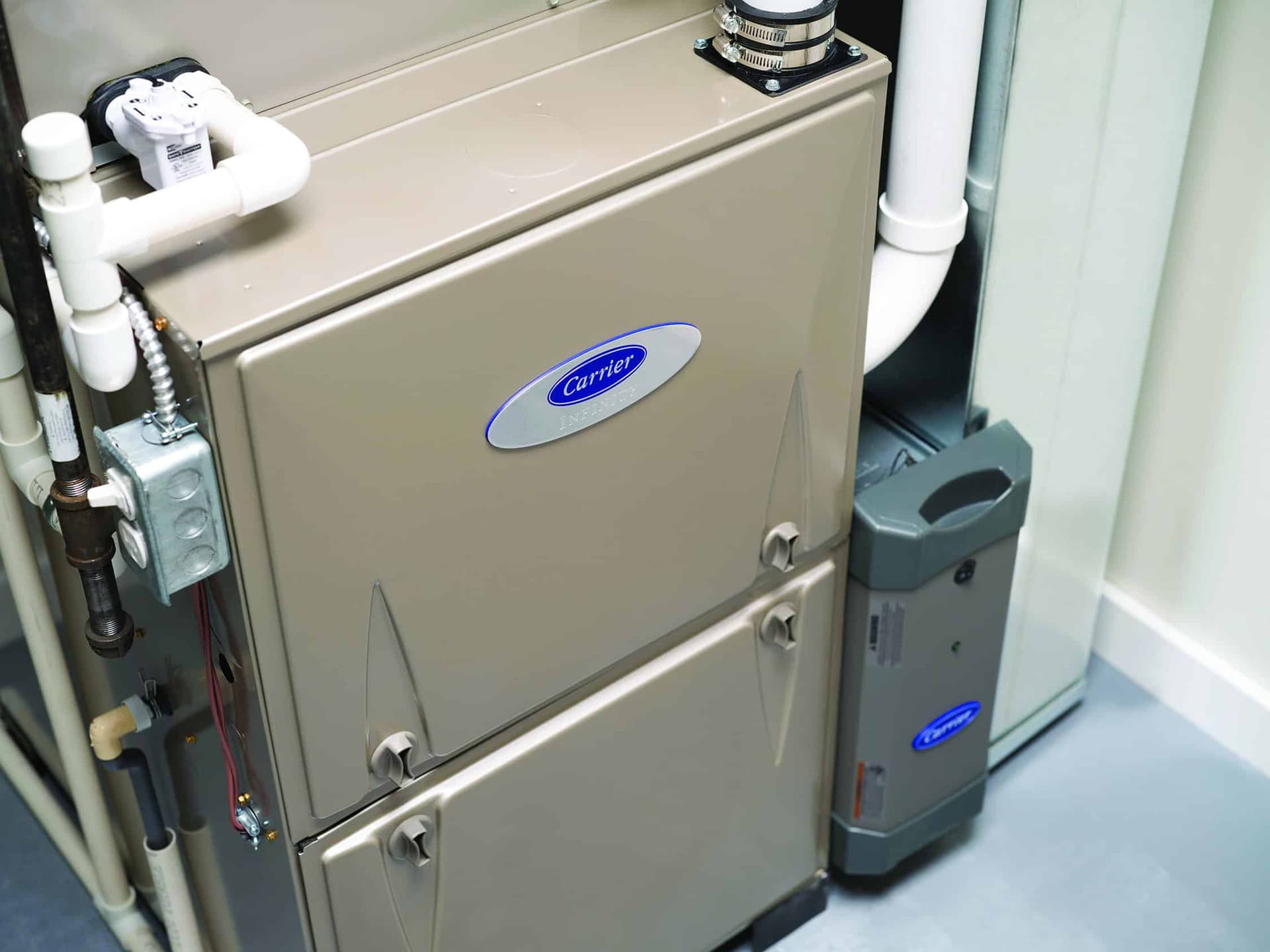
If your furnace is 15+ years old, it's almost certainly an 80% AFUE furnace. That means 20% of every dollar you spend on gas goes straight out the chimney. Modern high-efficiency furnaces are 95% AFUE or higher: meaning only 5% is wasted.
| Furnace Type | Gas Cost (150 Therms) | Details |
|---|---|---|
| Old Standard (15+ years) | $180 | |
| Mid-Efficiency (10–15 years) | $160 | |
| High-Efficiency (New) | $152 | |
| Savings (95% vs 80%) | −$28 |
The math: If you burn 150 therms per month in January and gas costs $1.20/therm, that's $180. With a 95% AFUE furnace, you'd only need 126 therms to get the same heat output, saving you $28 per month, or roughly $170–$200 over a 6-month heating season.
How to diagnose this factor:
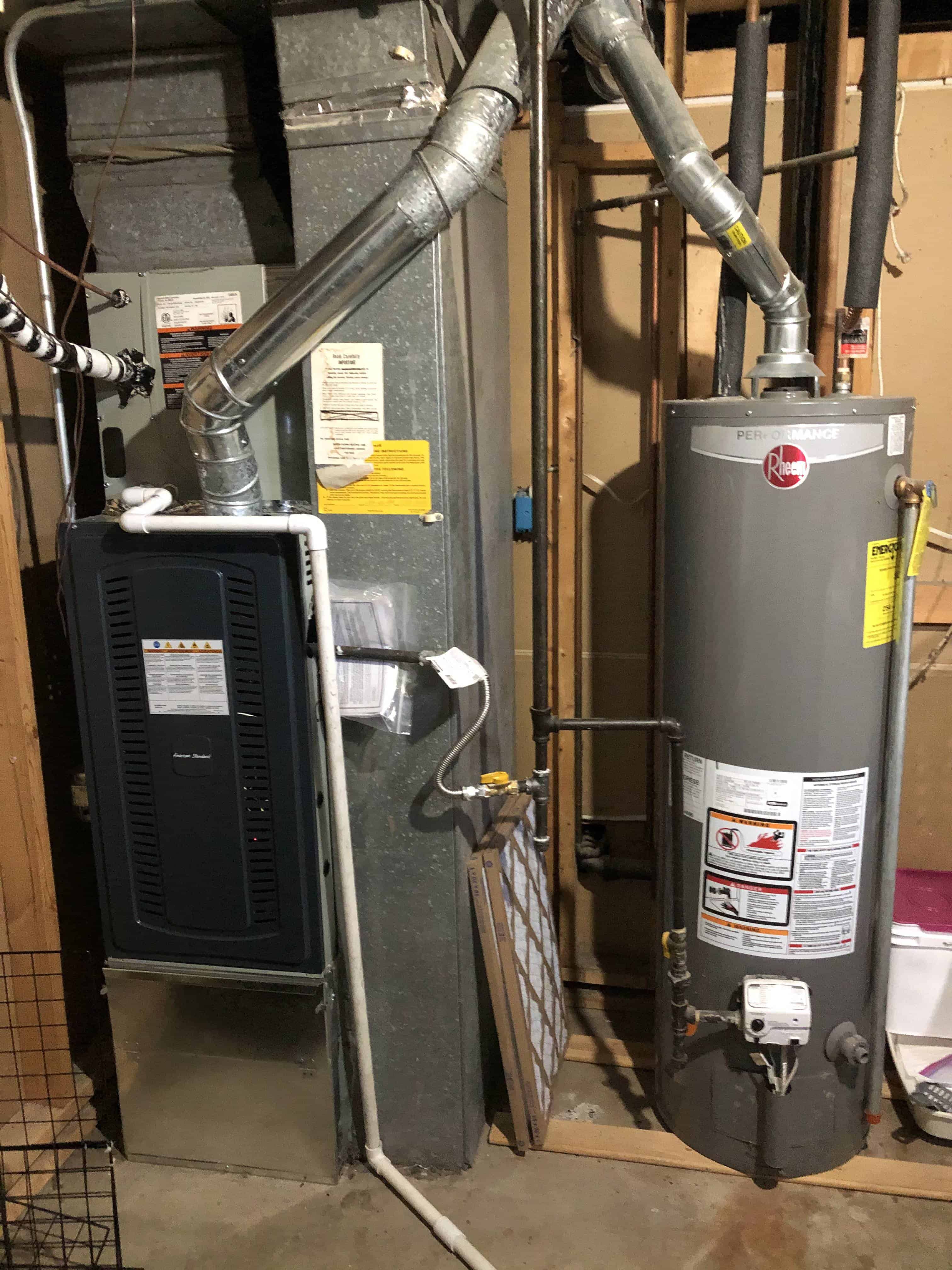
- Check the yellow EnergyGuide sticker on your furnace. It lists the AFUE rating. If it says 80%, you're wasting 20% of your gas spend.
- Look at the install date or model number. Most furnaces installed before 2010 are 80% AFUE. Anything from 2015+ is likely 90–95%.
- Single-pipe exhaust (metal vent pipe going out the roof) = 80% AFUE. Dual-pipe PVC exhaust (two white pipes going out the side of your house) = 90–95% AFUE.
Factor 3: Home air leaks and insulation
Your furnace might be running perfectly; but if your house is leaking heat, the furnace has to work twice as hard to keep up. The biggest culprits:
- Air leaks around windows and doors: Even tiny gaps let cold air in and warm air out.
- Attic insulation: If your attic insulation is thin, compressed, or missing, heat rises straight out of your house.
- Duct leakage: Uninsulated or leaky ducts in crawlspaces, attics, or garages can lose 20–30% of heated air before it even reaches your rooms.
- Basement rim joists: These are often the most under-insulated spots in a home.
- Recessed lighting: Old can lights create direct paths for heat to escape into the attic.
How to diagnose this factor:
- Do a simple hand test: on a cold day, hold your hand near windows, doors, electrical outlets, and baseboards. If you feel a draft, you have air leaks.
- Check your attic insulation depth. Colorado code calls for R-49 (roughly 14–16 inches of fiberglass or cellulose). If you can see the floor joists, you're under-insulated.
- Hire an energy auditor. Xcel Energy offers subsidized home energy audits that include blower door testing (pressurizes your house to find leaks) and infrared imaging (shows where heat is escaping).
- Look for "cold rooms." If one room is always 5–10 degrees colder than the rest, it's probably a duct issue or insulation gap.
What you can do:
- Seal air leaks with caulk (windows, doors) and spray foam (rim joists, recessed lights). This is cheap (often under $200 in materials) and can cut heating costs by 10–15%.
- Add attic insulation. Blown-in cellulose or fiberglass costs $1.50–$3.00 per square foot. A 1,200 sq ft attic runs $1,800–$3,600 and can pay for itself in 3–5 years.
- Seal and insulate ducts. HVAC contractors (like us) can use mastic sealant and foil-backed insulation to stop duct losses. This typically adds $800–$1,500 to a furnace replacement job.
What to do about each factor
Now that you know the three factors, here's how to prioritize your fixes. The accordion below breaks down each factor with specific action steps.
The electrification alternative: heat pumps eliminate gas entirely
Here's the fourth option: one that sidesteps all three factors above: switch to electric heat.
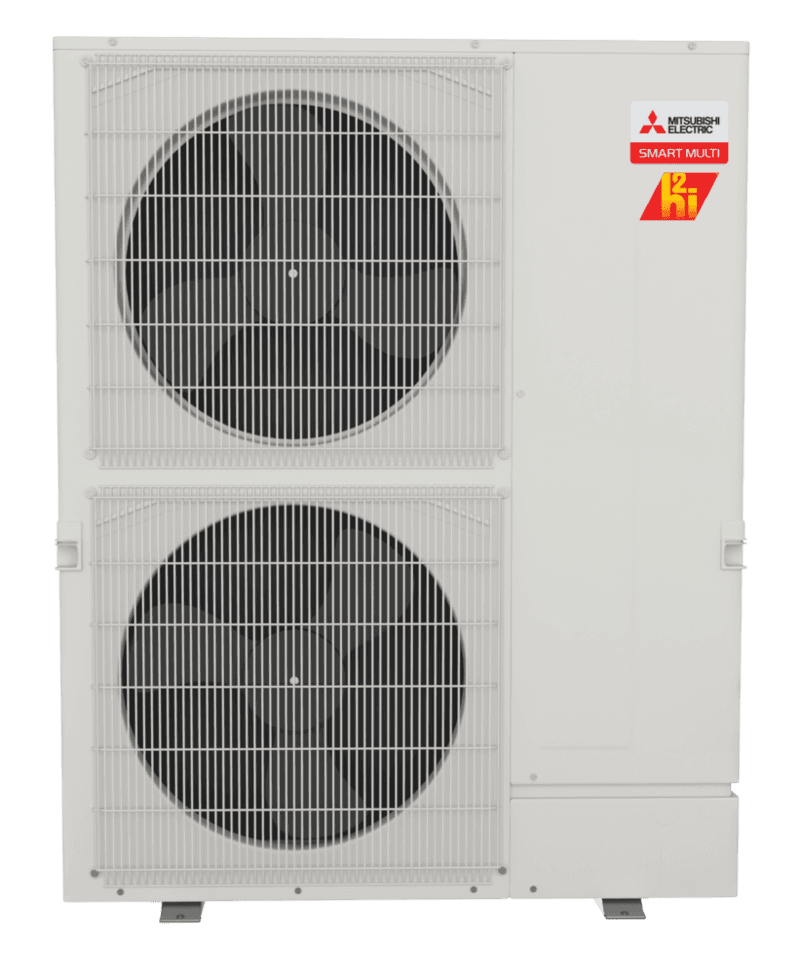
A cold-climate heat pump replaces your gas furnace entirely. Instead of burning gas, it moves heat from outdoor air into your home using electricity. Modern heat pumps work down to -13°F, well below Denver's typical winter lows.
Why this matters for high gas bills:
- No gas usage = no gas bills. You'll still pay for electricity, but heat pumps are 2–3x more efficient than electric resistance heating (like baseboard heaters or heat strips). Your total energy cost often stays flat or drops slightly.
- Rate stability. Electricity rates are more stable than gas rates. Xcel's electric rates have risen less dramatically than gas rates over the past 5 years.
- Rebates and incentives. Xcel Energy offers rebates for heat pumps. IRA rebates (HEAR program) can cover up to $8,000 for income-qualified households. Colorado state tax credits are also available (income limits apply). See our rebates page for details. Note: the federal 25C tax credit ended December 31, 2025.
- Future-proofing. As Colorado moves toward electrification mandates and carbon pricing, gas will likely get more expensive. Electric heat positions you ahead of that curve.
The downside: Heat pumps cost more upfront than furnace replacements. Expect $13,000–$18,000 installed for a whole-home system (after rebates). But if gas rates keep climbing, payback periods shrink.
Want to explore heat pumps? See our guides: Heat Pump Installation, Heat Pump vs Gas Furnace Operating Costs, and Cold Climate Heat Pumps.
Related Guides
What 95% AFUE saves you vs an old 80% furnace
The crossover point and honest math for Colorado
Current pricing for high-efficiency furnace replacement in Denver
$2,250/ton rebate for switching from gas to heat pump
Total installed cost for furnaces and heat pumps in Denver