

TL;DR
Short answer: yes. We’ve installed over 12,000 heat pumps across the Denver metro and Front Range. They work. But “work” comes with caveats - not every heat pump, not every installer, and not every situation.
What you need to know upfront
- Cold-climate heat pumps handle Colorado winters, including polar vortex events. We have the data.
- They use more electricity than a gas furnace uses gas. Operating costs depend on your setup.
- Modern cold-climate units (post-2019) are more reliable than older models that earned heat pumps a bad reputation.
- Dual fuel systems exist for people who want gas backup. Many customers don't need it.
- Not all "cold climate" heat pumps are equal. The label is a minimum standard, not a guarantee.
Myth: Heat pumps don't work in cold weather
This was true in the 1980s. It’s not true now.
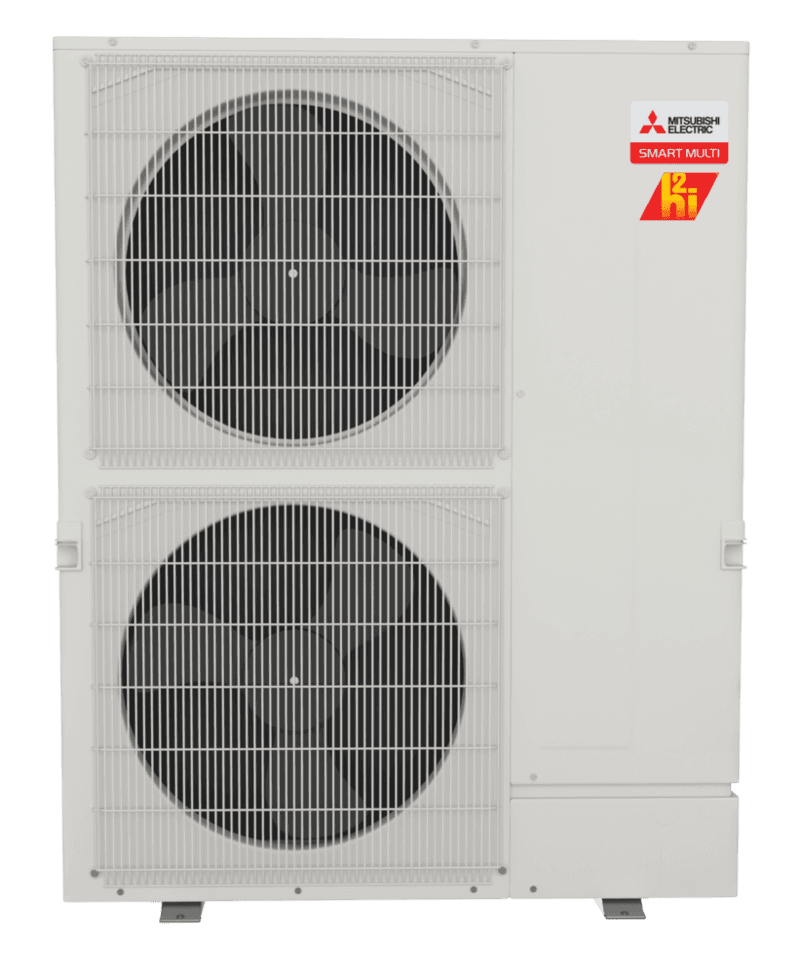
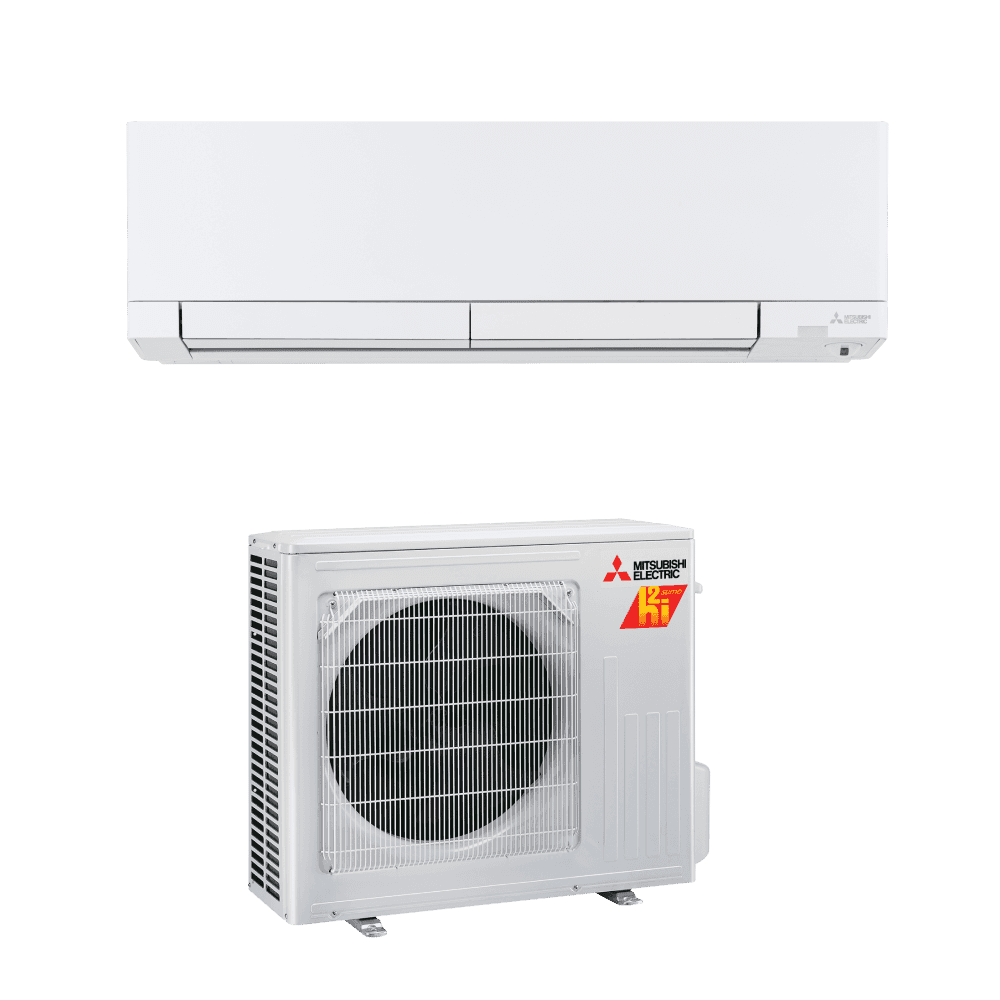
Around 2018-2019, manufacturers figured out cold-climate heat pump technology. Mitsubishi’s Hyper-Heating, Bosch’s IDS Ultra, and similar systems use flash injection compressors and variable-speed inverters that maintain heating capacity at temperatures the old systems couldn’t handle.
The spec sheets say these units operate down to -13°F or -22°F. But specs are just specs. Here’s what actually happened.
Real Data: Colorado’s December 2022 Polar Vortex
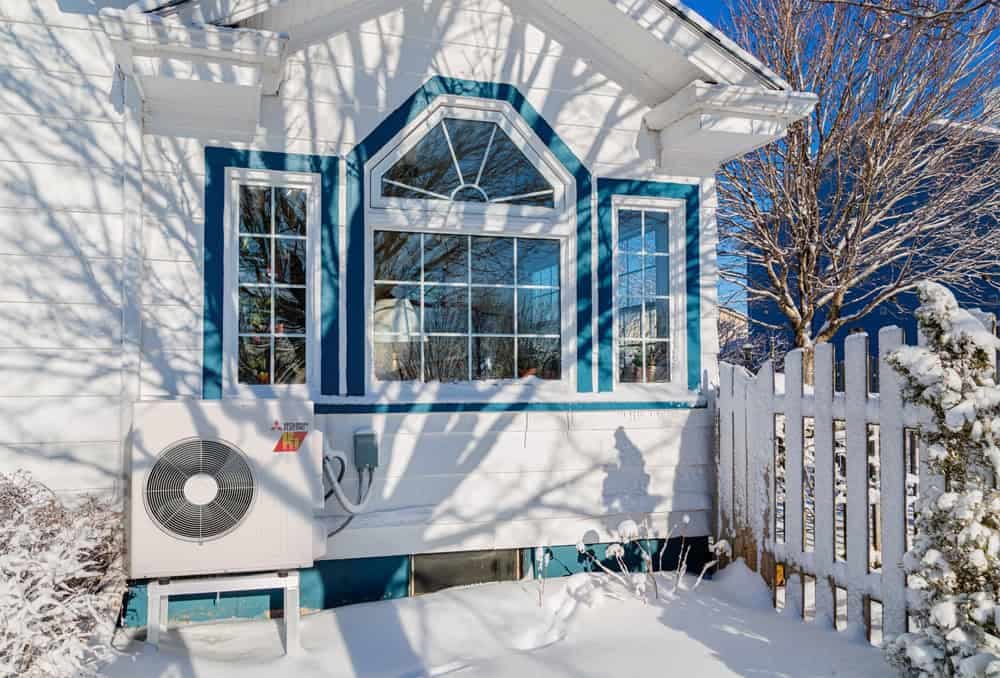
The Front Range hit -15°F - the coldest in 30+ years. We monitored heat pump systems across our service area.
Polar vortex results (-15°F, December 2022)
- Supply air: 88-89°F (gas furnaces deliver 110-120°F)
- Indoor temps: homes held at 68-69°F
- Backup heat activation: most systems didn't need it
- Failures: zero among properly sized cold-climate units
The DOE ran a Cold Climate Heat Pump Technology Challenge across 23 sites in 10 states and 2 Canadian provinces. Systems operated successfully at -15°F. This isn’t marketing. It’s field data.
The -13°F Rating Explained
Most cold-climate heat pumps are “rated” to -13°F. This confuses people. It doesn’t mean the system stops at -13°F. It means:
- Above -13°F: Full rated capacity
- At -13°F: Efficiency drops to about 70-80% of rated output
- Below -13°F: System keeps running, capacity continues to decrease
Mitsubishi Hyper Heat units operate down to -22°F. Output decreases gradually as it gets colder - there’s no hard wall. In Denver, temps below -13°F are rare and usually overnight for a few hours. Your house has thermal mass. A properly sized system handles this.
Myth: Heat pumps use way more energy
This one is partially true. We’re not going to pretend otherwise.
Heat pumps use electricity. Gas furnaces use natural gas. In Colorado, natural gas runs around $1.10/therm. Electricity around $0.14/kWh.
At 40°F, a heat pump with COP 3.5 (3.5 units of heat per unit of electricity) costs about the same per BTU as a 95% efficient gas furnace. At 0°F, COP drops to 1.8-2.2. Gas wins on cost per BTU delivered.
Why the simple comparison misses the point: Denver’s average winter temperature is in the 30s and 40s. The days when gas is cheaper per BTU are a small fraction of total heating hours. A dual fuel system solves this cleanly - heat pump above 30-35°F, gas below that.
When all-electric makes sense
- Building new - no gas line needed
- You have solar panels
- Electrification is a priority (Boulder, Denver programs)
- Eliminating combustion appliances from your home
When dual fuel makes sense
- You have a working gas furnace
- You want gas backup for extended cold snaps
- You want the lowest possible operating costs
- You want flexibility without committing fully to electric
We don’t push one over the other. It depends on your situation.
Myth: Heat pumps are less reliable than furnaces
Our data says the opposite.
Over 12,000 heat pump installations. Our callback rate on Mitsubishi Hyper-Heating systems is lower than our callback rate on gas furnaces. Why? Fewer moving parts in the critical path. The compressor either works or it doesn’t, and modern inverter compressors are remarkably durable.
What Actually Causes Heat Pump Problems
- Wrong equipment. A standard heat pump installed in Colorado will struggle. It needs to be cold-climate rated, and not all “cold climate” labels are equal.
- Bad installation. Incorrect refrigerant charge, improper sizing, poor unit placement. A heat pump installed by someone who treats it like a basic AC swap will underperform.
- Undersizing. A heat pump sized for cooling won’t keep up with heating demand. Proper sizing requires a Manual J calculation based on your home’s actual heat loss.
When heat pumps fail to perform, it’s almost always one of these three. The technology itself is solid.
Brands That Struggle in Colorado
We’ve replaced enough equipment from other installers to have opinions:
- Daikin: Capacity issues in cold weather. Marketing doesn’t match our experience.
- Lennox: Frequent compressor failures. Pattern, not fluke.
- MrCool: DIY units from big box stores. Not designed for cold-climate performance.
- Rheem: Mid-tier equipment that can’t keep up here.
- Fujitsu multi-zone: Single-zone is fine. Multi-zone systems struggle.
Brands that work in Colorado
These are the systems we install and stand behind.
- Mitsubishi Hyper-Heating (H2i) - 4,000+ installed, lowest callback rate
- Bosch IDS Ultra - 600+ installed, solid cold-weather performance
- Carrier Infinity 25VNA4 / 37MUH - newer to our lineup, performing well
Myth: A heat pump will leave you freezing
This fear comes from two places: old technology and bad installations.
Backup Options If You Want Extra Insurance
Electric resistance strips: Built into the air handler. Expensive to run, but only activate during extreme cold. For the 2-5 days per year it’s truly brutal, they work fine.
Dual fuel: Heat pump paired with gas furnace. The heat pump handles 90%+ of heating hours. Gas kicks in when temps drop below a setpoint (usually 30-35°F). Higher upfront cost, lowest operating cost, maximum peace of mind.
Space heaters: Seriously. For a couple of nights per year, a $30 space heater in a bedroom handles it. Some customers prefer this simplicity.
What Heat Pump Air Feels Like
Heat pumps deliver 85-95°F air continuously. Furnaces blast 110-120°F air in short bursts. Both keep your house at 70°F - the heat pump just does it differently. Some people find the constant warm airflow more comfortable. Others miss the “blast of hot air” feel.
What to expect in extreme cold (normal, not malfunctions)
- Continuous operation - the system runs longer to maintain setpoint
- Defrost cycles every 30-90 minutes - whooshing sound, steam from outdoor unit
- Slightly lower supply air temps than in mild weather
None of this means it’s not working.
Myth: All cold-climate heat pumps are the same
Colorado regularly sees temperatures below 0°F. A unit that “passes” at 5°F can still leave you cold when you need heat most.
What to Look For
- Rated heating capacity at 5°F and below. If the spec sheet doesn’t list capacity at 0°F or -5°F, assume it can’t do it.
- Minimum operating temperature. Lower is better. Look for -13°F or below.
- COP at 5°F. Should be at least 1.75, preferably 2.0+.
- Brand-specific cold-climate designations:
- Mitsubishi: Must say “H2i” or “Hyper-Heating”
- Bosch: Must be “IDS Ultra” (not standard IDS)
- Carrier: Look for 25VNA4 or 37MUH model numbers
How to Verify
Check the NEEP Cold Climate Heat Pump Database. Search by model number. Look at capacity retention at 5°F and minimum operating temperature. Don’t take anyone’s word for it, including ours.
The Bottom Line
Heat pumps work in Colorado. The technology caught up around 2019. We’ve installed over 12,000 of them and have the data to prove they handle our winters.
But success depends on:
- The right equipment. Cold-climate rated from a reputable brand - not just any heat pump with the right sticker.
- Proper sizing. Manual J calculation, not rule-of-thumb guessing based on square footage.
- Competent installation. From someone who understands cold-climate heat pumps, not an AC contractor treating it like a standard swap.
- Realistic expectations. The air feels different than a furnace. Operating costs depend on your setup. Dual fuel exists for a reason.
If you’re getting quotes, ask contractors: “How many cold-climate heat pumps have you installed in Colorado? What’s your callback rate?” If they can’t answer confidently, that’s your answer.


Get a Free Estimate
UniColorado has installed 12,000+ cold-climate heat pumps across the Denver metro and Front Range. We'll run a Manual J, walk you through equipment options, and handle Xcel rebate paperwork.