

Colorado's Clean Heat Plan
Colorado passed the first Clean Heat Plan (CHP) of its kind in the U.S. The plan targets emissions from home and building heating systems, requiring gas utilities to cut emissions on a set timeline.

What Is the Clean Heat Plan?
Heating homes and buildings contributes significantly to greenhouse gas emissions since many of these systems rely on natural gas. To address this, Colorado passed Senate Bill 21-264 in 2021, creating a groundbreaking Clean Heat Standard. This law requires gas utilities to cut emissions by 4% by 2025 and 22% by 2030 in comparison to 2015 levels. This standard is also referred to as the Clean Heat Plan or "CHP" in the Colorado energy industry.
As part of the CHP, the Colorado Public Utilities Commission (PUC) works with stakeholders, like utility providers, to plan and provide support for clean technology.
The ultimate goal: reduce the state's reliance on fossil fuels and build a more sustainable energy future.
How Will Colorado Achieve These Goals?
The plan directs gas utilities to use a mix of solutions:
CHP Compliance Pathways
How utilities must cut emissions under the Clean Heat Standard
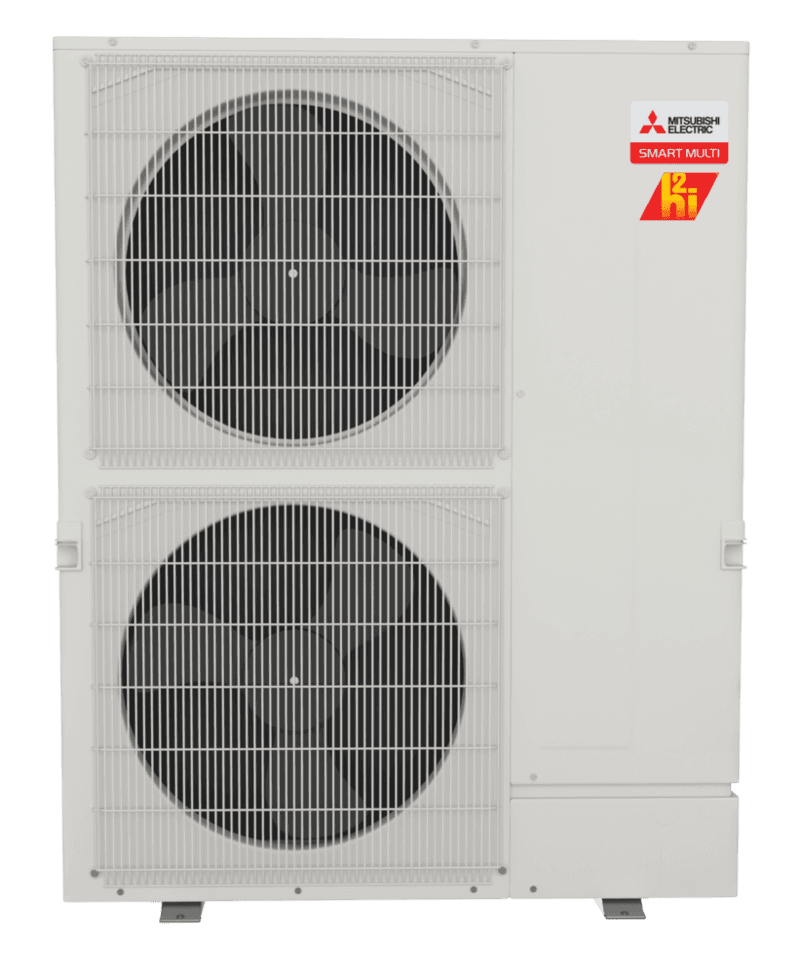
- Beneficial Electrification: transitioning from gas-powered heating to electric alternatives like heat pumps
- Energy Efficiency: improving insulation and upgrading to more efficient appliances to reduce total consumption
- Clean Heat Sources: recovered methane and green hydrogen as substitutes for traditional natural gas
One major utility, Xcel Energy, has already rolled out its Clean Heat Plan, approved in June 2024. This plan dedicates over $440 million over the next three years to electrification, energy efficiency, and targeted incentives.
What Does This Mean for Colorado Residents?
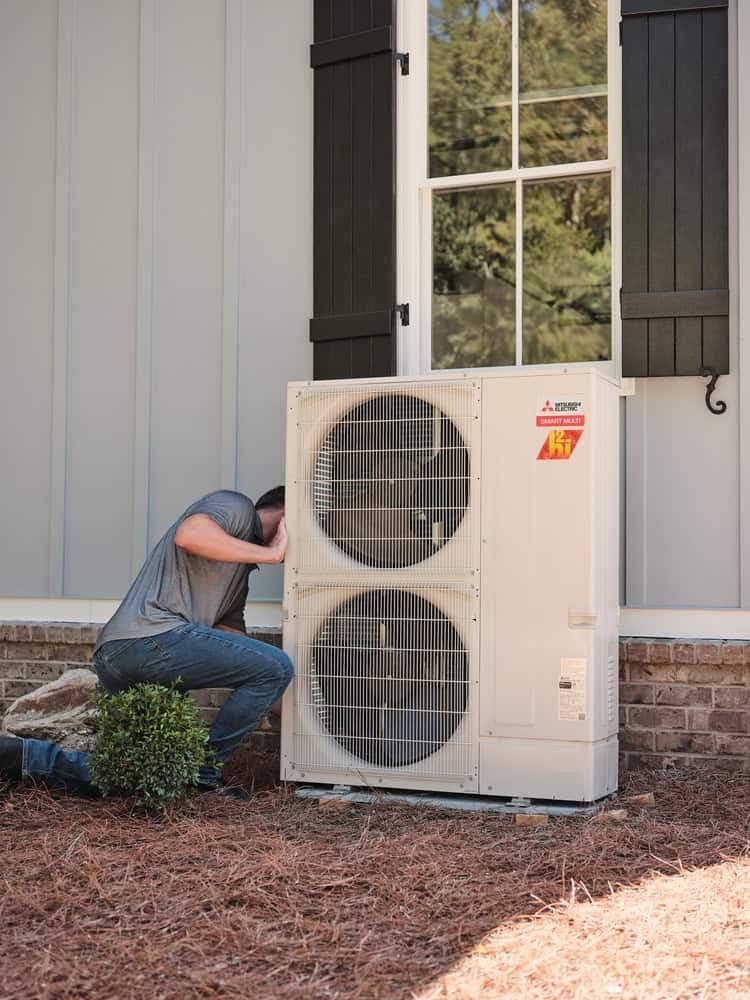
For many homeowners and businesses, the Clean Heat Plan will encourage a switch to electric heat pumps, versatile devices that can heat and cool efficiently. Xcel plans to incentivize nearly 100,000 installations by the end of 2026.
The plan also prioritizes equity. A full 20% of customer incentive funds are set aside for low-income and historically disadvantaged communities, ensuring everyone has access to clean energy solutions.
Why Is This Important?
Heating accounts for a significant portion of energy use, so transitioning to cleaner systems can have a major impact on emissions. The Colorado PUC, which approved Xcel's plan, emphasized that electrification through cold-climate heat pumps and efficiency are the most cost-effective and scalable ways to reduce emissions.
The plan focuses on proven solutions, which is why alternatives like hydrogen blending or biomethane are playing a smaller role.
Setting a National Example
Colorado's leadership is inspiring other states to follow suit. Vermont, Massachusetts, Illinois, and New Jersey have all introduced or passed similar measures to cut emissions from heating. The success of Colorado's Clean Heat Plan could pave the way for nationwide adoption of similar standards.
What's In It For You?
If you're a homeowner in Colorado, 2026 is a great time to take advantage of the Clean Heat Plan's expanded incentives. Xcel has significantly increased its heat pump rebates - and if your household is income-qualified, the HEAR program can stack on top for additional savings. For a broader look at going all-electric, our electrification guide covers the full picture. Take advantage of increased Xcel rebates while funding is available.
Why UniColorado for CHP Rebates
Colorado's most experienced heat pump installer since 2014
- 12,000+ heat pump installs across Colorado
- Mitsubishi, Carrier, and Bosch systems rated to -13°F
- Xcel rebate applied as upfront invoice discount
- 37 years hands-on HVAC experience
Start Saving With Colorado's Most Trusted Heat Pump Experts


Get a Free Heat Pump Estimate
Xcel rebate applied upfront. No waiting, no hassle.
Related Guides
Income-qualified rebates up to $8,000 for cold-climate heat pumps
What the executive order meant for Colorado homeowners
Federal 25C credit ended Dec 2025 - what's still available
How to claim the credit on your 2025 tax return (last year eligible)