

Should you buy central AC or a heat pump in 2026?
If you're replacing central air conditioning in Colorado in 2026, here's the honest answer: you should seriously consider a heat pump instead of traditional AC.
With current rebates (HEAR, Xcel Energy, Colorado state tax credit), a heat pump installation now costs less upfront than a high-quality furnace + AC combo in many cases. And there are no downsides: heat pumps cool your home in summer just like traditional AC, but they also heat in winter down to -13°F or colder.
UniColorado is Colorado's largest heat pump installer. This guide covers both traditional AC selection and why the smart choice in 2026 might not be AC at all.
The honest answer for 2026
Ten years ago, the decision was simple: if you had a gas furnace, you added central AC for cooling. Heat pumps were expensive, unproven in cold climates, and didn't qualify for significant rebates.
That's changed. Modern cold climate heat pumps work reliably in Denver's climate. Federal and state incentives have made them cheaper upfront than traditional systems in many cases. And you get both heating and cooling from a single system.
Here's what that looks like in 2026:
- Traditional route: High-efficiency gas furnace ($8,000–$12,000) + central AC ($5,000–$8,000) = $13,000–$20,000 total
- Heat pump route: Cold climate heat pump system ($18,000–$24,000) minus rebates ($6,000–$14,000) = $10,000–$15,000 out-of-pocket
The heat pump costs less upfront, uses less energy to operate, and replaces both your furnace and AC. For detailed pricing, see our AC installation cost guide.
Traditional AC vs Heat Pump: What's the Difference?
Both traditional AC and heat pumps cool your home the same way: they move heat from inside to outside using a refrigerant cycle. The difference is that heat pumps can reverse the process to heat your home in winter.
| Factor | Winner | Details |
|---|---|---|
| Cooling performance | Tie | |
| Heating capability | Heat Pump | |
| Upfront cost (2026) | Heat Pump | |
| Operating cost | Heat Pump | |
| Rebate eligibility | Heat Pump | |
| Equipment lifespan | Tie | |
| Noise level | Tie | |
| Best for | Depends |
Key takeaway: If you're replacing both your furnace and AC, or building new, a heat pump makes financial sense in 2026. If you installed a new high-efficiency gas furnace in the last 5 years, traditional AC might make more sense.
If You Still Want Traditional AC: How to Choose
If you decide traditional central AC is right for your situation, here's how to choose the right system. These same factors apply to heat pump selection as well.
1. Sizing: Get a Manual J Load Calculation
The most critical factor is proper sizing. An oversized AC cycles on and off frequently, wasting energy and failing to dehumidify properly. An undersized AC runs constantly and can't cool your home on hot days.
Demand a Manual J load calculation. This is the industry-standard method for determining the correct AC size for your home based on square footage, insulation, windows, orientation, and local climate. Contractors who size systems based on "tons per square foot" rules of thumb are guessing.
For a typical Denver-area home (2,000–2,500 sq ft, average insulation), the correct AC size is usually 2.5–3.5 tons. Older "bigger is better" mentality led to 4–5 ton systems that performed poorly.
2. Efficiency: SEER2 Rating
SEER2 (Seasonal Energy Efficiency Ratio 2) measures cooling efficiency. Higher SEER2 = lower operating costs. As of 2023, the federal minimum is 13.4 SEER2 for northern states like Colorado.
- 13.4–15 SEER2: Entry-level. Meets code but costs more to operate.
- 16–18 SEER2: Mid-range. Good balance of upfront cost and efficiency for most Denver homes.
- 19+ SEER2: High-efficiency. Lower operating costs but higher upfront cost. Best for homes with high cooling loads or solar arrays.
Our take: 16–17 SEER2 hits the sweet spot for Denver. You'll recover the upfront cost in 3–5 years through lower electric bills. For a full explanation of SEER2, HSPF2, and AFUE, see our efficiency ratings guide.
3. Noise Level
Outdoor AC units generate 50–80 decibels (dB). For reference, normal conversation is 60 dB. If your AC unit is near a bedroom window, patio, or neighbor's property line, noise matters.
Look for units rated at 60 dB or lower. Variable-speed compressors (found in higher-efficiency models) run quieter than single-stage units because they operate at lower speeds most of the time.
4. Warranty
Most AC manufacturers offer:
- 10-year parts warranty (standard, requires registration within 90 days of installation)
- 5-year parts warranty (if not registered)
- 1-year labor warranty (from installer, not manufacturer)
Watch out for: Compressor failures are the most expensive repair. Make sure the compressor is covered under warranty. Some manufacturers offer extended compressor warranties (up to 12 years).
Brand Comparison: Carrier, Mitsubishi, Bosch
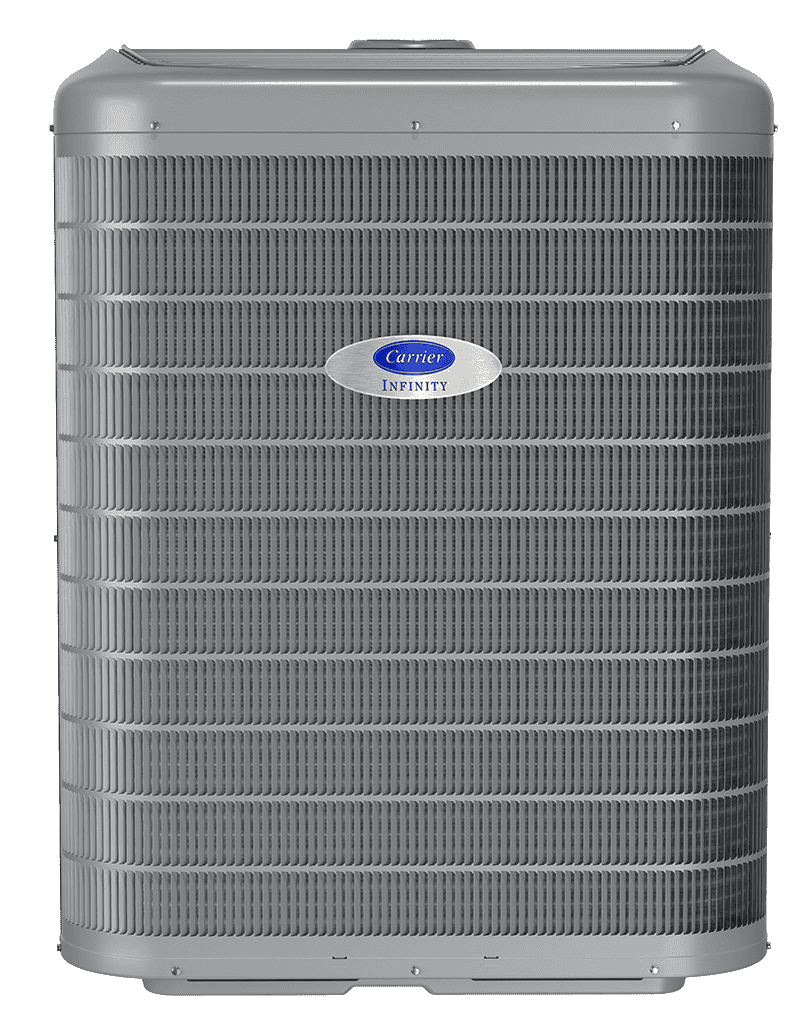
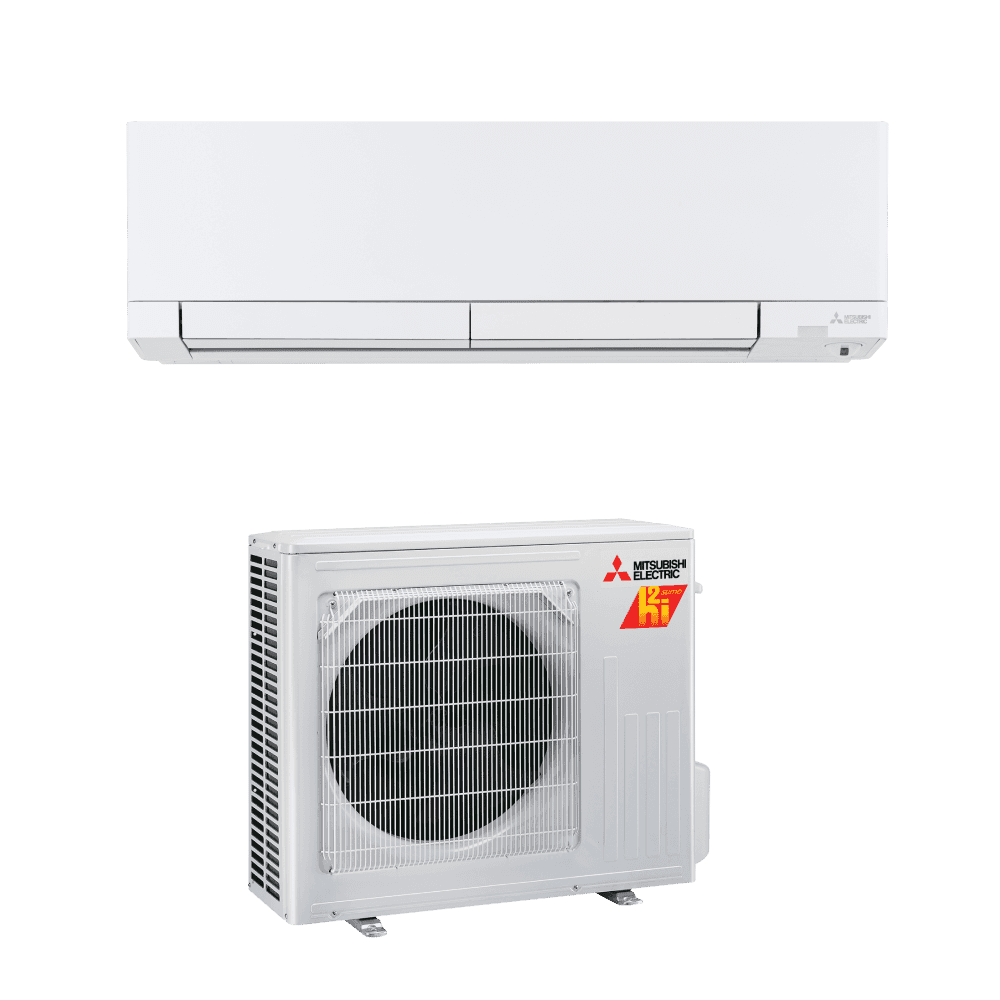
We're authorized installers of all major HVAC brands. Our top recommendations for Colorado are Carrier, Mitsubishi, and Bosch - we hold special certifications with all three for their cold-climate performance. Here's how they compare for AC and heat pump applications.
| Factor | Carrier | Details |
|---|---|---|
| SEER2 range | 14–21 SEER2 | |
| Price tier | Mid-range | |
| Noise level | 60–75 dB | |
| Compressor type | Single, 2-stage, variable | |
| Cold climate heating | Down to 0°F (select models) | |
| Parts warranty | 10 years (registered) | |
| Dealer network | Largest (easy service) | |
| Best for | Budget-conscious, reliable cooling |
Carrier: Widest product range, good parts availability, most contractors service them. Best value for mid-efficiency systems (16–18 SEER2). Not the quietest or most efficient, but reliable and affordable.
Mitsubishi: Premium brand with the quietest outdoor units and best cold climate heating performance. Hyper-Heat models work reliably down to -13°F. Higher upfront cost but lower operating costs. Best for noise-sensitive locations or high-performance applications.
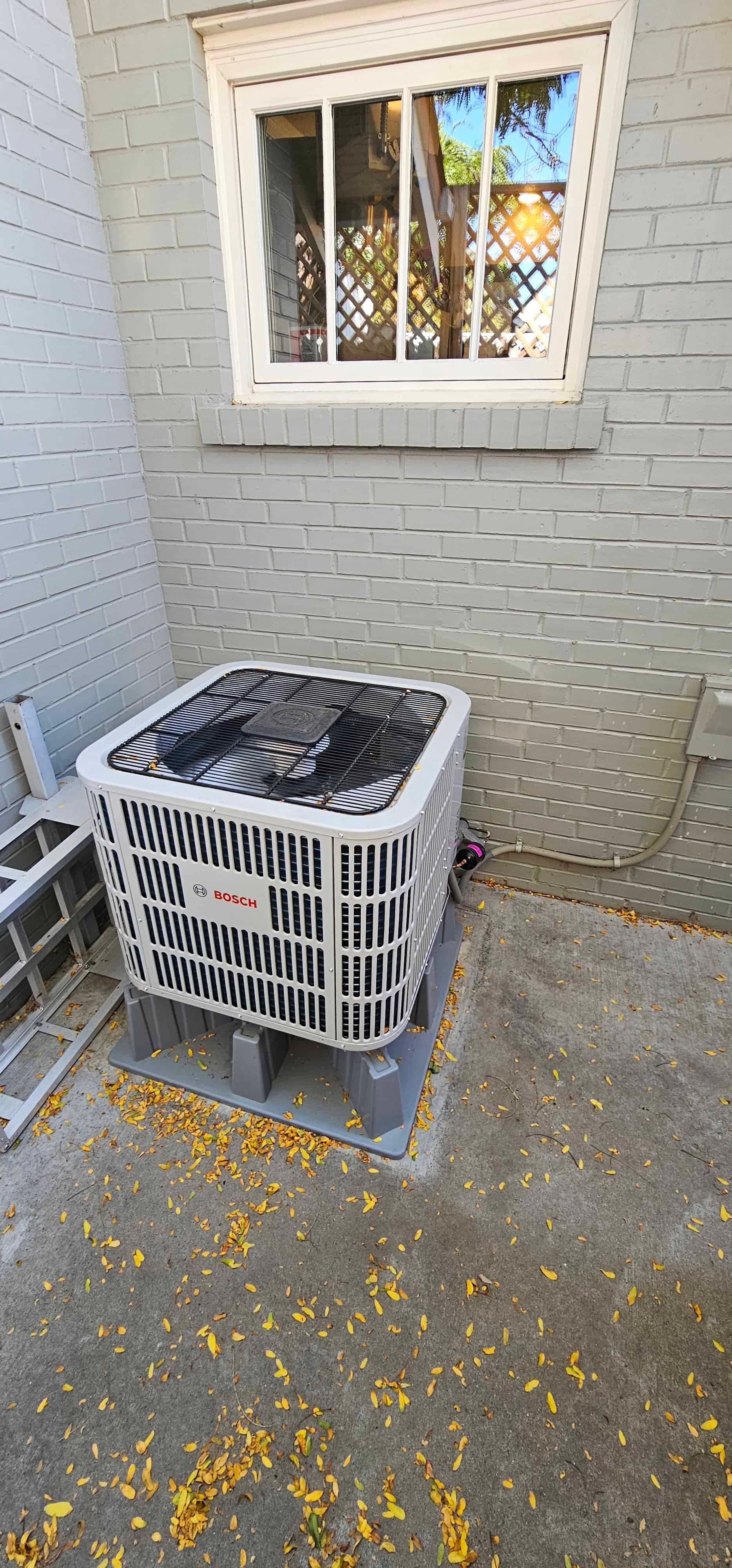
Bosch: German engineering, high-efficiency inverter systems. IDS Ultra series competes with Mitsubishi for cold climate performance. Excellent build quality but smaller dealer network than Carrier.
For detailed brand profiles, see our brands page.
Key Factors to Consider When Choosing Central AC
The Rebate Math: Why Heat Pumps Often Cost Less Upfront Now
Here's the math that changed the game in 2026. These are real-world numbers from UniColorado installations in the Denver metro (prices vary by home size, existing infrastructure, and system specifications).
Important: HEAR rebates have income limits and limited funding. Xcel Energy rebates are available to all customers regardless of income. Note: the federal 25C tax credit ended December 31, 2025. UniColorado helps you identify which current rebates you qualify for and handles the application process.
What UniColorado Recommends for Denver Homes
After 12,000+ installations across the Denver metro, here's our honest recommendation for 2026:
Choose a heat pump if:
- You're replacing both your furnace and AC (or building new)
- Your existing furnace is 15+ years old or needs repair
- You want to reduce or eliminate natural gas use
- You qualify for HEAR rebates (income limits apply)
- You have a solar array or plan to install one
Choose traditional AC if:
- You installed a new high-efficiency gas furnace in the last 5 years
- You have low heating costs and high cooling loads
- You're on a tight budget and don't qualify for rebates
- Your home has existing gas infrastructure and low electric panel capacity
Most Denver homeowners should choose a heat pump in 2026. The rebates make it cheaper upfront, you get both heating and cooling, and operating costs are lower. Traditional AC only makes sense if you recently replaced your furnace or have specific constraints.
We're happy to run the numbers for your specific situation. Contact UniColorado for a free in-home assessment, Manual J load calculation, and rebate eligibility review.