

If you search "heat pump installation" in Denver right now, you'll find a lot of companies that didn't exist two years ago. Some are real HVAC contractors. The rest are either brokers dispatching subcontractors they've never trained, or white-label operations rebranding budget OEM equipment under their own name. The distinction matters when you're making a 10-20 year decision about your home.

The Broker
These companies generate leads, dispatch subcontractors, and take a cut of every job. Some call themselves the "general contractor." The typical process: online wizard, upload photos, sign a contract. Then they dispatch whoever's available.
The sub does the work. The broker never touches a wrench. If something goes wrong six months later, the sub who installed it may have moved on - and the one they send for warranty work is seeing your system for the first time. Ask who's accountable when the person diagnosing the problem isn't the one who installed it.
The Broker - Pitch vs. Reality
What they tell you
What to ask
“We work with local HVAC contractors”
Ask if your installer is a W-2 employee or a subcontractor. Ask who you call when something goes wrong - the company or the sub.
“Expert installation by certified professionals”
Ask what training standards the installers are held to, and who is accountable for the quality of the work.
“Affordable pricing on quality systems”
Ask why companies that hire, train, and keep their own crews year-round charge more. The equipment may be the same - the difference is who shows up and who stands behind it.
The White-Label Play
These companies try to own the entire stack: sales, equipment, and installation. They source systems from overseas OEMs, rebrand them under their own name, and market them as proprietary technology. Some use their own installation crews - the vertical integration is real. The questions are about the equipment, the remote sizing process, and what happens to proprietary systems if the company pivots.
The default sales process is fully online. You upload some photos, answer a few questions, and get a price. The system is sized remotely - from photos, satellite imagery, and whatever the algorithm decides. Some companies offer an optional in-person walkthrough, but the quote comes first. Apparently, decades of HVAC contractors doing in-home assessments - checking ductwork, measuring airflow, evaluating insulation, accounting for altitude and sun exposure - was all unnecessary. Turns out you just needed an app.

The Math That's Not Advertised
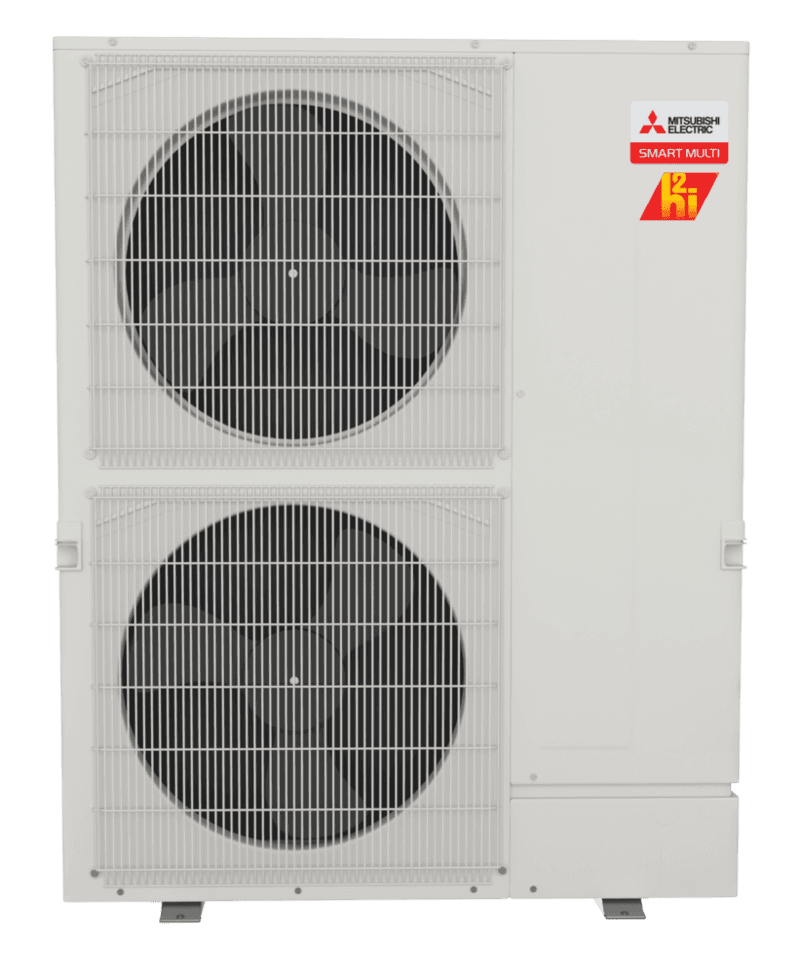
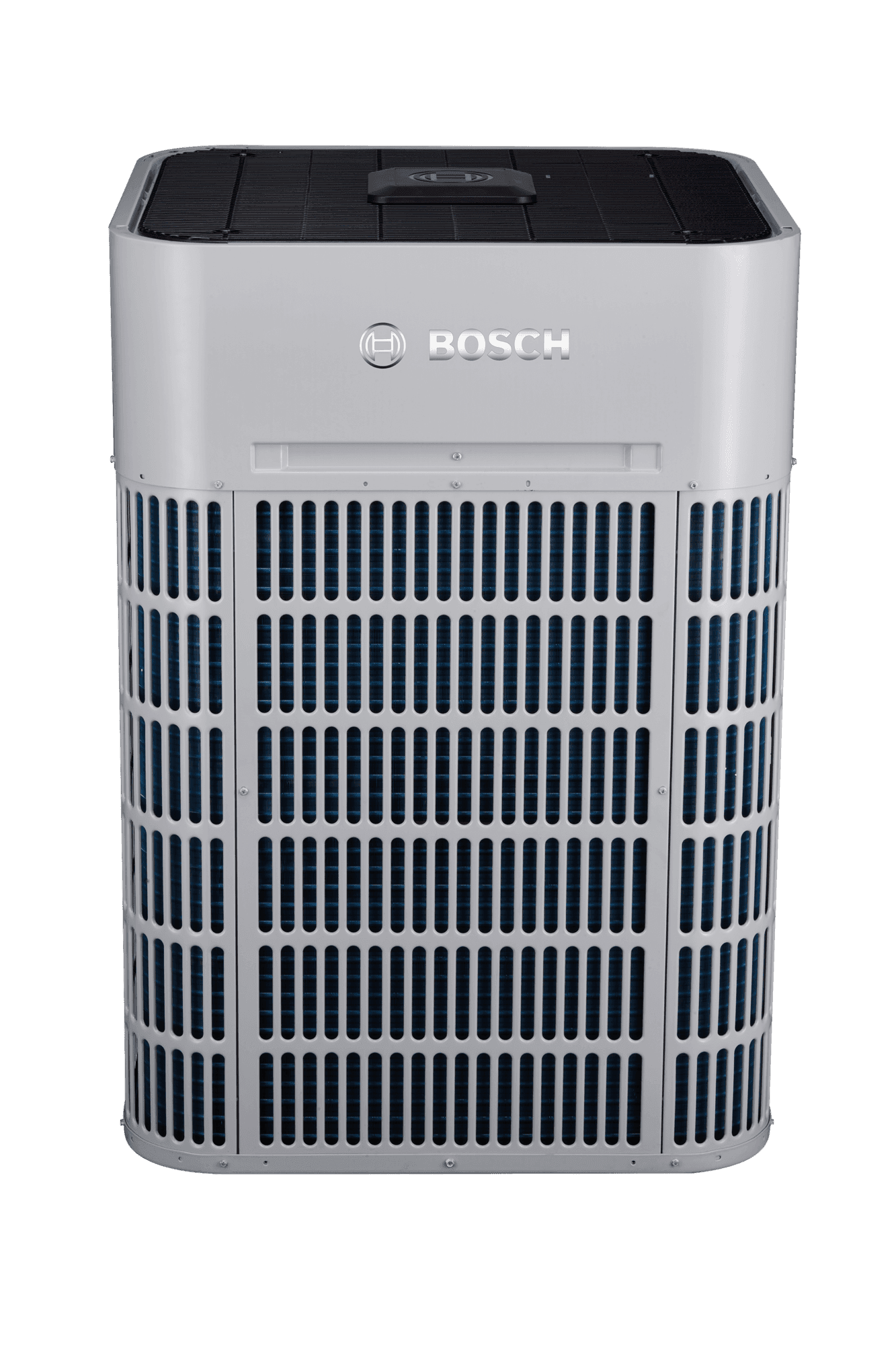
A complete Mitsubishi Hyper-Heat system runs $11,350 in equipment alone at publicly listed retail - outdoor unit, air handler, and heat strip kit. That price reflects decades of cold-climate field data, established parts and service networks, and AHRI-certified performance across hundreds of configurations. MrCool - manufactured by Midea, the same OEM platform most white-label companies build on - lists for $3,858 at retail with heat strip. Here's what happens when you add installation:
Equipment Cost Comparison
Same house · same labor · same permits — only the equipment changes
BlueCifer One — Full System + Install
36,000 BTU inverter heat pump · Alibaba OEM pricing + installation labor at posted rates
Outdoor Unit

Air Handler

Installation
Equipment costs based on Alibaba OEM pricing for comparable Midea ducted systems ($900–1,000/set at 50-unit MOQ with customized logo). Labor rates reflect publicly posted HVAC installer wages in the Denver market ($25–50/hr depending on role). Balance of system based on industry estimates for linesets, electrical, refrigerant, and sheet metal. All labor calculated at 10-hour days using top-of-range rates. Does not include sales, marketing, software R&D, or corporate overhead.
Toggle between the three. Same labor, same permits, same materials. The OEM equipment runs ~$1,500 landed. The same hardware sells as MrCool for $3,858 at retail. Mitsubishi runs $11,350. All three end up quoted at roughly the same installed price. The OEM teardown doesn't include sales, marketing, software, or corporate overhead - those are real costs. But they're the costs of building a company, not the costs of installing a heat pump.
The Real Question

Heating To
69
°F
Comfort Score: 94 · Upgrade to BlueCifer Enterprise for predictive zoning
The post-rebate price can look compelling. When the all-in cost is under $5,000 and the homeowner qualifies for $8,000-15,000 in rebates, you can offer after-rebate prices that no contractor selling established brands can touch. For context on what established-brand heat pump installations actually cost, the numbers aren't as far apart as the pitch implies.
Most utility and state rebates are one-time-use. You get one shot at this for the next 10-20 years. So instead of asking why the established brands cost more, ask why these systems cost so little and why the pitch is so aggressive.
The App That Controls Your Comfort
The other half of the pitch is the tech. Smart monitoring, energy dashboards, an app that manages your system, sometimes a monthly subscription on top.
For an app to actually control comfort zone-by-zone, you need hardware that can do it: multiple air handlers or a zoning system with motorized dampers, plus a true variable-speed ECM blower. Without that, a phone app is just a thermostat with extra steps. It can show you graphs, but it can't send more air upstairs and less to the basement if the ductwork has no dampers to move.
The White-Label Vertical - Pitch vs. Reality
What they tell you
What to ask
“Our proprietary next-generation heat pump system”
Ask what factory built it and what they call it without the logo. If it performs the same as a Mitsubishi, ask why Mitsubishi charges 5-10x more to build theirs.
“Revolutionary pricing - thousands less than competitors”
Ask what the equipment costs before markup. Check the teardown above and compare it to what you're being quoted.
“Simple online process - no hassle”
Ask if anyone will visit your home before you sign. Ask how ductwork, airflow, and altitude are accounted for remotely.
Follow the Money

Both models exist because heat pump rebates created a gold rush. Many of these companies are VC or PE-backed. The playbook is familiar: grow fast, capture market share while the incentives are flowing, and build toward an exit. Ask what happens if they're not around when your compressor fails in year 8.
Watch how they operate: Series A, Series B, expansion into three new markets, hiring blitz, another raise. The company itself is the product being built - not the install, not the service. Ask yourself who the actual customer is - you, or the investors who need an exit.
What to Actually Ask
If you're comparing quotes and one of them looks wildly different from the rest, these are worth asking.
Is fully electric actually right for your house?
Some of these companies push all-electric on every home because they either don't do gas work or aren't set up for it. Most Colorado homes benefit from some form of backup heat - dual fuel with a matching furnace or properly sized heat strips. Heat pumps run defrost cycles in cold weather, and during defrost the system isn't heating your home. If there's no backup to cover that gap - or if the unit fails at 0 degrees on a Saturday night - you're on your own. If backup heat wasn't part of the quote, ask why. And if it's offered as an optional add-on, ask what you should do if the system fails.
Who sized your system - and how?
Ask who did the load calculation and what their background is. Did they follow Xcel's guidelines for sizing heat pumps to the heating load? Some of these companies size from public real estate records and an online form - nobody walked your house, checked your ductwork, or measured your airflow. That might get you in the right ballpark. Get it wrong and you'll feel it every winter for the next 15 years.
Is the person selling you this an HVAC tech or a salesperson?
Ask them a technical question about your system. If they can't answer without checking with someone else, you're talking to sales, not HVAC. The person recommending equipment for your home should know how it works.
How long has this company been doing HVAC?
Not how long the website's been up. How long have they been installing systems and standing behind them?
Who handles service and maintenance?
With the broker model, the company that sold it didn't install it - so who comes back when something breaks? With the white-label model, the system runs proprietary controls that no other contractor has seen. Try calling a few local HVAC companies and asking if they'll diagnose either one. Most will pass. The rest will charge you full price - your warranty is between you and the company that sold it.
What happens if they leave the market?
If the equipment is proprietary, who services it when the company pivots, rebrands, or shuts down? Has the company operated under a different name before - and what happened to those customers? Your heat pump should outlast the startup that sold it to you.
The Bottom Line
We've been installing heat pumps in Colorado since before there were rebates for them. We'll be here after. If you're comparing quotes, now you know what to look for.


Get a quote from a real HVAC company
UniColorado is an HVAC contractor with 100% in-house installation crews. We've operated since 2014. No investors, no exit strategy. Just a local business that depends on doing good work. When you call us, you talk to our team. When we install your system, our employees show up. When you need service, we handle it.