


If you have been researching how to replace your gas furnace with a heat pump, you have probably seen lists of potential complications - electrical upgrades, ductwork modifications, insulation overhauls. It can sound overwhelming.
The reality: most Colorado homes that already have central air conditioning need one or two prep items, not a complete overhaul. The systems share infrastructure. If your AC has been cooling your home effectively, much of what a heat pump needs is already in place.
The key is knowing what to check before you commit.
The three things to evaluate
Before any heat pump installation, three areas determine whether you are ready to go - or need some prep work first:
- Electrical capacity - Can your panel handle the load?
- Ductwork condition - Is it sized correctly and in good shape?
- Insulation and air sealing - Will your home hold the heat?
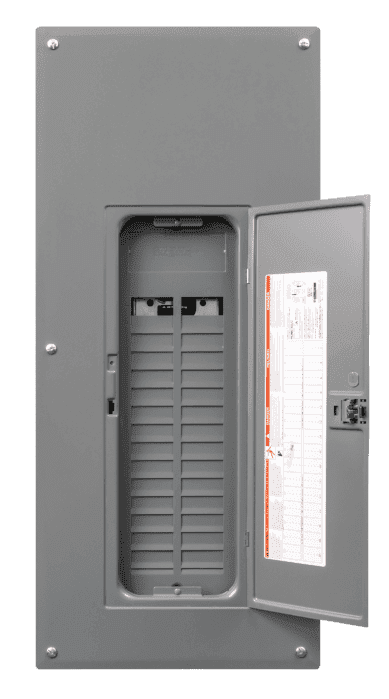
Electrical: what your panel needs
Heat pumps run on electricity, which means your electrical system needs to support them. This is the most common area where prep work is needed.
What heat pumps require
- A dedicated 240-volt circuit
- 15-60 amps depending on system size (single-zone mini-splits are on the lower end; whole-home ducted systems are higher)
- Sufficient panel capacity to handle the new load
When you likely need electrical work
- Your panel is under 100 amps. Homes with 60-amp panels (common in older Denver homes) almost always need an upgrade.
- Your panel is at capacity. If you have already added an EV charger, hot tub, or other high-draw appliances, you may not have room for a heat pump circuit.
- You are installing a multi-zone or whole-home system. These can draw 40-60+ amps across all heads running simultaneously.
When you are probably fine as-is
- You have 100-200 amp service with available breaker slots
- You are installing a single-zone or smaller ducted system
- Your home does not have multiple high-draw appliances competing for capacity
What it costs
- Adding a dedicated 240V circuit: $300-$800
- Panel upgrade from 100 to 200 amps: $2,500-$7,000 (varies by home and utility requirements)
HEAR rebates cover up to $4,000 for electrical panel upgrades for income-qualifying households. See the HEAR rebates guide for eligibility details.
Ductwork: can you use what you have?
If you already have central air conditioning, the answer is almost always yes.
Why existing AC ductwork usually works
Heat pumps and central AC systems move air the same way. They need similar airflow (measured in CFM - cubic feet per minute). If your AC has been cooling your home effectively, the ductwork is likely sized appropriately for a heat pump.
When modifications might be needed
Heating-only systems are different. If your home has a gas furnace with no AC, the ductwork may be undersized. Gas heating systems do not need to move as much air as cooling systems, so older heating-only duct systems are often smaller.
Issues we look for:
- Leaky joints and seams - Duct sealing fixes this.
- Missing return air vents - Especially on upper floors, important for cooling mode.
- Damaged or crushed sections - Common in attics and crawlspaces.
- Undersized supply runs - May need balancing dampers or trunk resizing.
What it costs
- Duct sealing: $300-$1,500
- Adding return vents: $200-$500 per vent
- Partial duct replacement: $1,000-$5,000
- Full duct replacement: $5,000-$10,000+ (rare for conversions)
Insulation and air sealing: the often-overlooked step
This does not stop a heat pump installation - but it affects how well your system performs and what size you need.
Why it matters
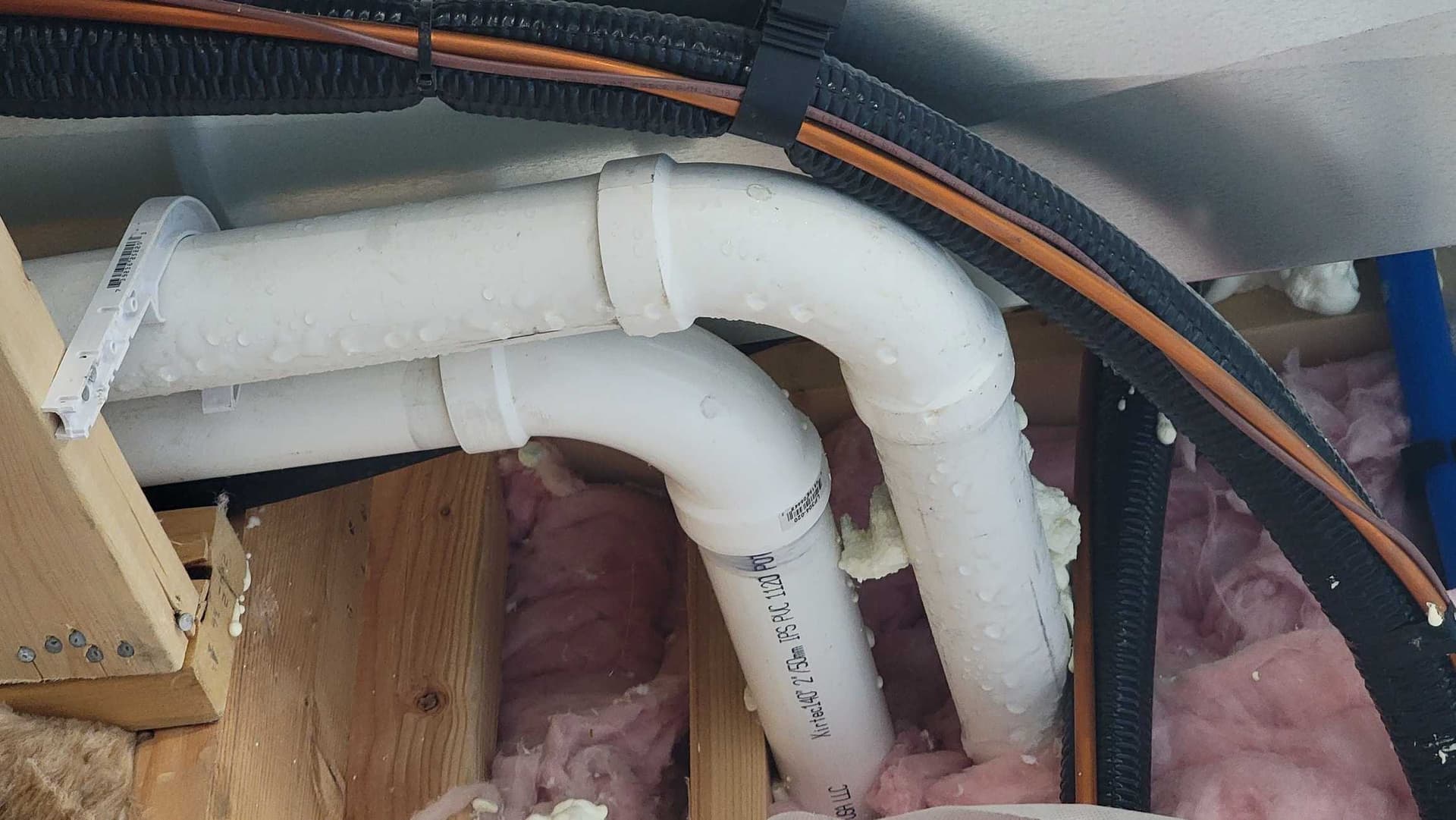
Heat pumps are sized based on your home's heating and cooling load. A leaky, poorly insulated home needs a bigger system. A tight, well-insulated home can use a smaller one. Smaller system = lower upfront cost + lower operating costs.
What to check
- Attic insulation - R-38 to R-60 is recommended for Colorado. Many older homes have R-19 or less.
- Wall insulation - Harder to upgrade, but worth knowing what you have.
- Air sealing - Gaps around windows, doors, electrical outlets, attic hatches.
- Basement/crawlspace - R-25 minimum recommended.
The Xcel Energy bonus
If you are an Xcel natural gas customer, there is a financial incentive to bundle insulation work with your heat pump project. Xcel offers a $600 bonus rebate when you complete qualifying air sealing and insulation within 6 months before (or 2 years after) installing a qualifying heat pump. Combined with their standard insulation rebates, this can offset a significant portion of envelope improvement costs. This bonus is for natural gas customers only.
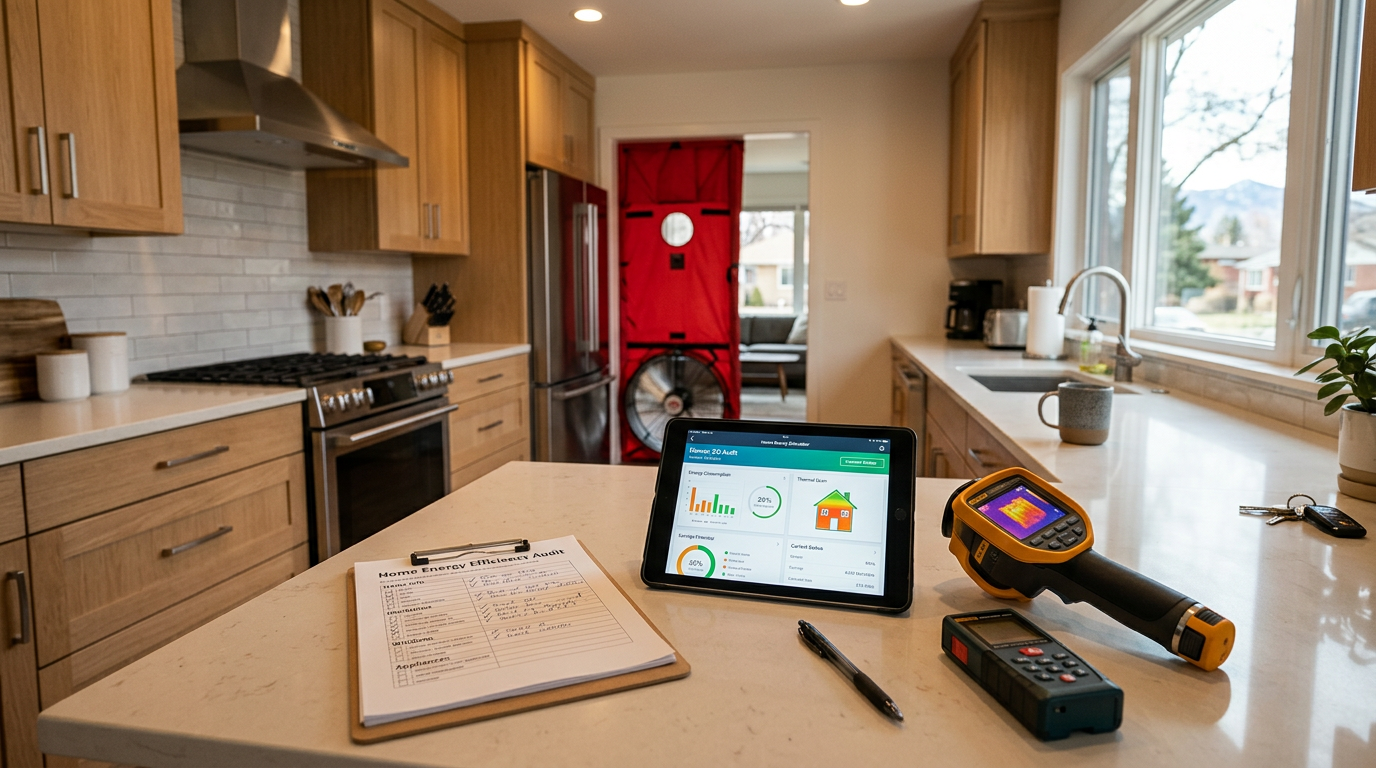
Should you get an energy audit?
Not required, but worth considering if your home is pre-1980, you notice uneven temperatures room to room, your energy bills seem high for your home size, or you want to right-size your system. A professional energy audit runs $200-$500 and can pay for itself through better system sizing and rebate qualification.
Permits and inspections in Colorado
Heat pump installations require permits in most Colorado jurisdictions. Your contractor manages this process, but here is what happens:
- Mechanical permit for the HVAC system
- Electrical permit if panel work or new circuits are needed
- Inspections after installation to verify code compliance
Denver requires permits for any HVAC system replacement. This is one reason to work with an established contractor - permit requirements vary by city, and experienced installers know the local process.
What UniColorado checks during your assessment
When we evaluate a home for heat pump conversion, we look at all three areas - not just where the outdoor unit will sit.
Electrical evaluation
- Panel amperage and available capacity
- Distance from panel to equipment location
- Whether a dedicated circuit exists or needs to be added
- Utility service (some older homes have service limitations beyond the panel)
Ductwork inspection
- Size and condition of trunk lines and branches
- Presence of return air on all floors
- Visible leaks, damage, or disconnections
- Insulation on ducts in unconditioned spaces
Building envelope assessment
- Visible insulation levels in accessible areas
- Obvious air leakage points
- Age and condition of windows
- Comfort complaints (cold rooms, drafts, humidity issues)
System sizing
- Manual J load calculation based on your home's actual characteristics
- Not rules of thumb or square footage alone
- Determines the right equipment size for both comfort and efficiency
We have seen competitors quote based on square footage alone. That is how you end up with an oversized system that short-cycles, wears out faster, and never dehumidifies properly - or an undersized system that cannot keep up on the coldest days. A proper evaluation takes 30-60 minutes and is included with your free estimate.
Schedule your free estimate to find out exactly what your home needs.