

Denver's winter air is brutally dry: here's how to fix it
During Denver winters, relative humidity regularly drops to 10-20%, less than the Sahara Desert. At those levels, you'll experience cracked skin, static electricity shocks, damaged wood floors and furniture, and respiratory issues.
A whole-home humidifier connects directly to your furnace and automatically maintains comfortable humidity levels (30-50%) throughout your entire house. Unlike portable units that only humidify a single room, a whole-home system integrates with your HVAC ductwork and distributes moisture evenly to every room.
At UniColorado, we've installed hundreds of whole-home humidifiers across the Denver metro over the past decade. In this guide, we'll explain the three main types, what they cost, and which one we recommend for most Colorado homes. If you're also evaluating your air filter setup, our guide on whether a more expensive HVAC filter is actually better covers how filtration choices interact with your HVAC system's performance.
Why Denver homes need humidification
Denver's high altitude and low precipitation create an extremely dry climate; especially in winter.
What happens when indoor humidity drops below 30%:
- Health issues: Dry mucous membranes increase susceptibility to respiratory infections, sinus problems, nosebleeds, and irritated eyes. The EPA recommends 30-50% relative humidity for optimal respiratory health.
- Home damage: Wood floors, furniture, trim, and musical instruments crack and split. Hardwood flooring can shrink, creating gaps between boards. Cabinet doors warp.
- Static electricity: Painful shocks when touching metal surfaces, clinging clothes, and potential damage to electronics.
- Higher heating costs: Dry air feels colder than humid air at the same temperature. You'll run your furnace more to feel comfortable.
A properly sized whole-home humidifier maintains consistent humidity levels throughout the heating season, protecting your health and your home's investment.
Three types of whole-home humidifiers compared
All whole-home humidifiers connect to your furnace and ductwork, but they differ in how they generate and distribute moisture. The three main types are bypass (uses furnace airflow), powered (has its own fan), and steam (boils water to create vapor).
| Type | Installed Cost | Details |
|---|---|---|
| Bypass | ~$600 | |
| Powered | $950-$1,400 | |
| Steam | $1,800-$2,600+ |
Key differences explained:
- Bypass humidifiers depend on your furnace blower running. If your furnace doesn't cycle often (mild winter days, or well-insulated homes), a bypass unit won't humidify effectively.
- Powered humidifiers have their own fan, so they can humidify even when the furnace isn't running. This makes them more consistent and efficient for most homes.
- Steam humidifiers produce the most moisture and work independently of furnace airflow. They're overkill for most Denver homes but necessary for large square footage or homes with minimal heating demand.
What UniColorado recommends: AprilAire 720
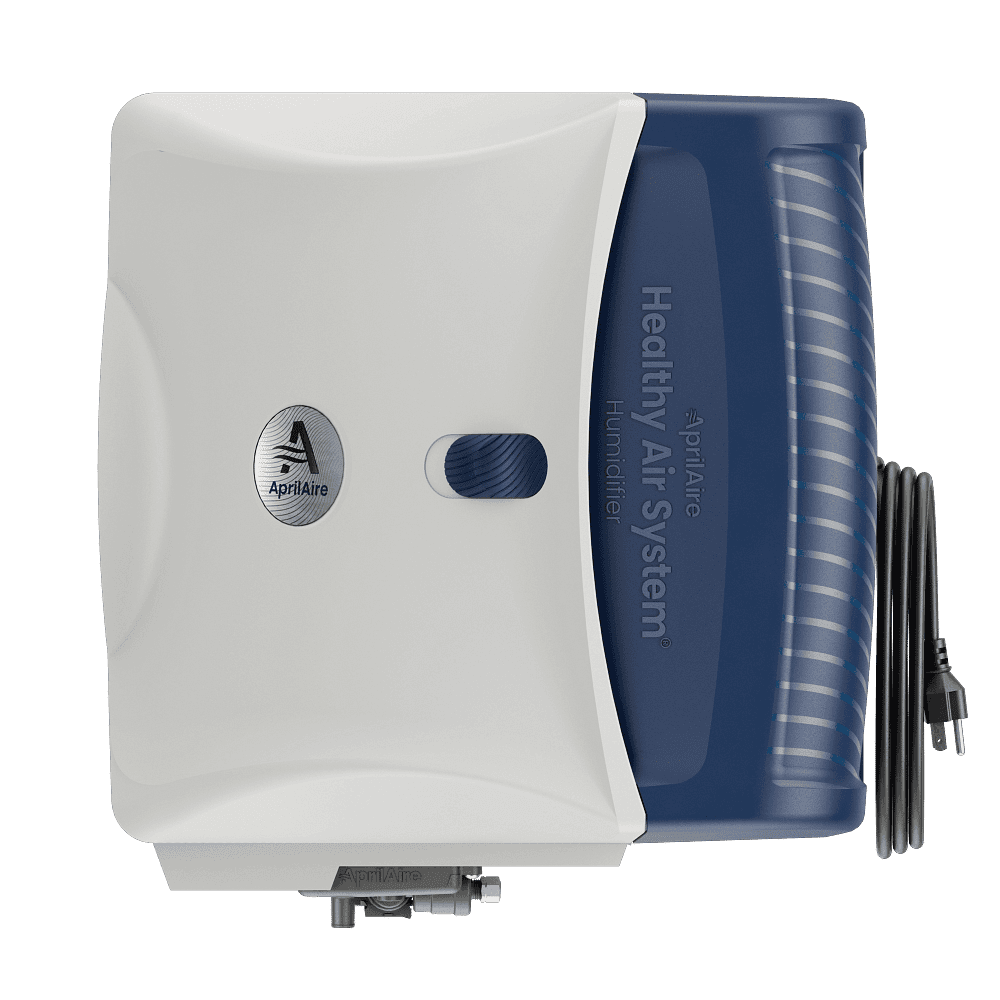
After installing hundreds of humidifiers across the Denver metro, the AprilAire 720 powered humidifier offers the best balance of performance, reliability, and cost for most Colorado homes.
Why we prefer the 720:
- Independent operation: Built-in fan means it humidifies even when your furnace isn't running: critical for mild winter days or well-insulated homes with low heating demand.
- Adequate capacity: Delivers up to 18 gallons per day: enough for most 3,000-4,200 sq ft homes in Denver's climate.
- Low maintenance: Replace the water panel once per year. Takes 10 minutes. No descaling required.
- Proven reliability: AprilAire units are made in Wisconsin and have a strong track record in cold climates. We rarely see failures.
- Automatic control: Connects to a digital humidistat that automatically adjusts output based on outdoor temperature, preventing window condensation.
When you might need a different type:
- Bypass humidifier ($600): If budget is tight and your furnace runs frequently, a bypass unit will work; but it's less consistent.
- Steam humidifier ($1,800-$2,600+): Large homes over 4,500 sq ft, homes with high ceilings (16+ ft), or homes where the furnace rarely cycles (passive solar design, etc.).
Portable vs whole-home humidifiers
Many homeowners start with a portable humidifier before upgrading to a whole-home system. Here's how they compare:
Bottom line: Portable humidifiers work for temporary situations (nursery, bedroom during illness), but for whole-home comfort in Denver's dry climate, a furnace-mounted system is the only practical solution.
Installation process: what to expect
Whole-home humidifier installation takes 2-4 hours and is done alongside furnace or HVAC system replacement. We offer humidifiers with new system installations only, not as standalone add-ons. Here's what happens:
Step 1: Site assessment
We inspect your furnace, ductwork, and water line access. Powered and bypass humidifiers mount on the supply or return plenum. Steam humidifiers can install farther from the furnace if needed.
Step 2: Ductwork modification
We cut a hole in the ductwork (sized for the humidifier unit), install the mounting bracket, and seal all connections. For bypass units, we also connect a return air bypass duct.
Step 3: Water line connection
We run a 1/4" water line from the nearest cold water pipe to the humidifier. This requires access to plumbing, either in the furnace room or basement. The humidifier connects via a saddle valve or inline shut-off.
Step 4: Electrical and controls
We wire the humidifier to the furnace control board (24V) and install the humidistat: either a manual dial or digital automatic controller. Automatic humidistats adjust output based on outdoor temperature to prevent window condensation.
Step 5: Testing and balancing
We test water flow, verify the humidistat calibration, and set the initial humidity target (usually 35-40% for Denver winters). You'll see results within 24-48 hours.
Timeline: 2-3 hours for bypass or powered units. 3-4 hours for steam units. Installation is usually done during furnace replacement, annual maintenance visits, or as a standalone service call.
Maintenance and ongoing costs
Whole-home humidifiers require minimal ongoing maintenance compared to portable units.
Annual maintenance (bypass and powered humidifiers):
- Water panel replacement: Once per year, typically during fall furnace tune-up. Takes 10 minutes. Replacement panels cost ~$30.
- Scale buildup inspection: Check for mineral deposits around the water distribution tray. Clean if needed (5 minutes).
- Humidistat check: Verify the humidistat is reading accurately and adjust target humidity if needed.
Steam humidifier maintenance:
- Descaling treatment: 1-2 times per year depending on water hardness. Involves draining the canister and removing mineral buildup. Cost: $80-$150 per service.
- Canister replacement: Every 3-5 years depending on water quality. Cost: $100-$200.
Operating costs:
- Water usage: Bypass and powered humidifiers use 3-10 gallons per day during heating season. At Denver Water rates (~$6 per 1,000 gallons), that's about $1-$2 per month.
- Electricity: Powered humidifiers use 10-20 watts. Steam humidifiers use 500-1,000 watts. Monthly electric cost for a powered unit: ~$2. Monthly cost for steam: ~$15-$25.
Lifespan: Bypass and powered humidifiers last 15-20 years. Steam humidifiers last 10-15 years. Replacement is typically done when upgrading to a new furnace.
For more on maintaining your HVAC system's air quality, see our guide on HVAC filter ratings and whether upgrading to a higher MERV filter makes sense for your system. If you're hearing unusual sounds from your furnace, our noisy furnace diagnostic guide covers what each sound indicates. Humidifier installations are available as add-ons with our other HVAC services.
Related Guides
MERV 8 vs MERV 13 - what the EPA says, and why changing it often beats a higher rating.
What banging, scraping, whistling, and clicking sounds indicate.
Lifespan data and 6 signs it's time to replace rather than repair.