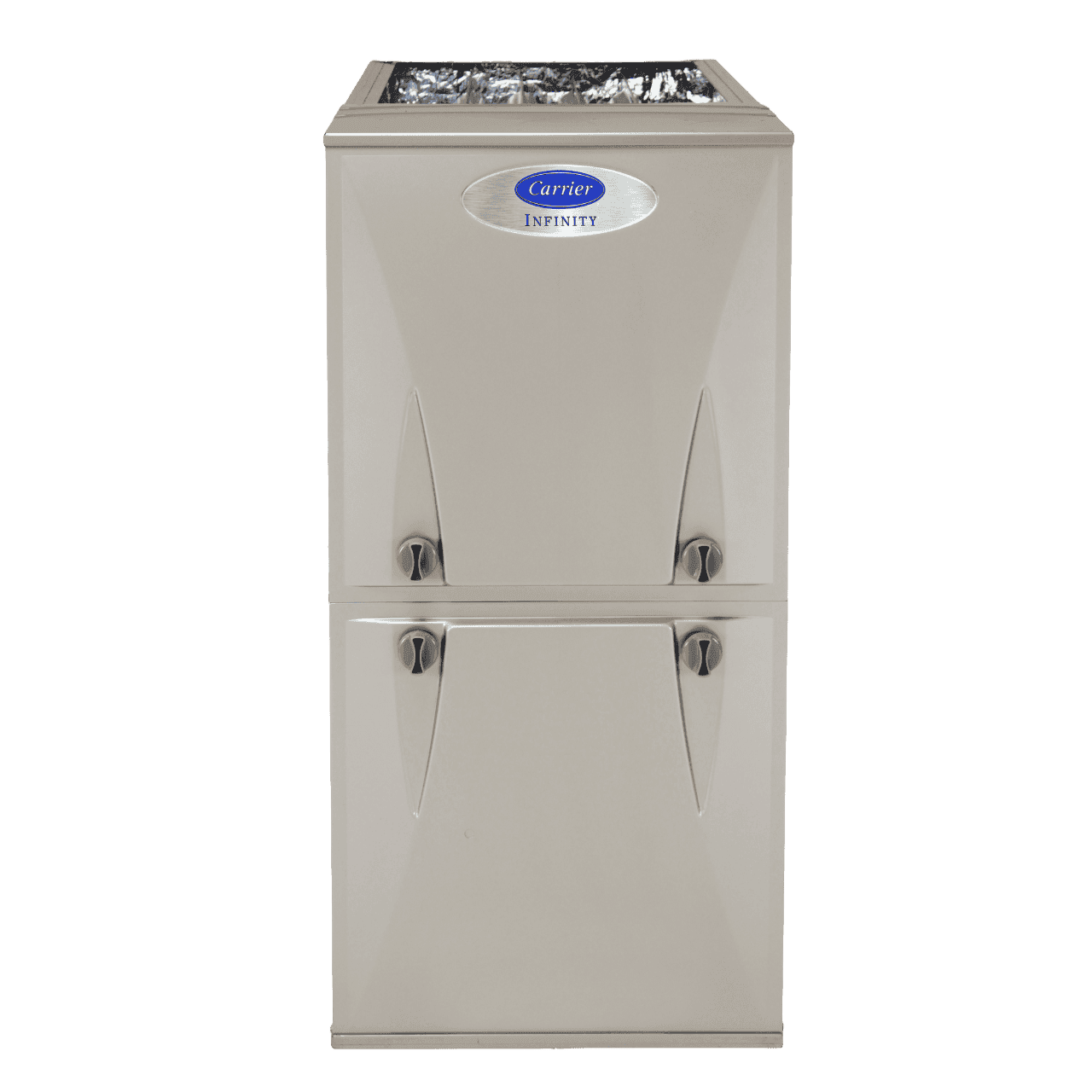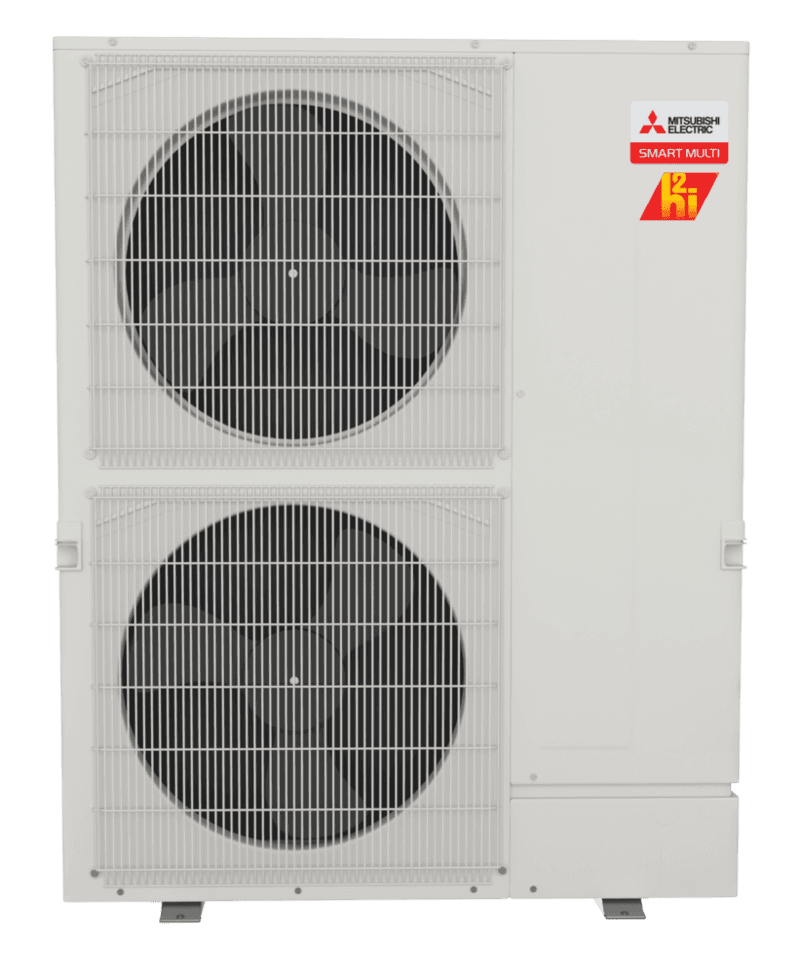


If your furnace is 15+ years old and needing frequent repairs, it's time to replace
The average furnace lifespan is 15-20 years with proper maintenance. If your furnace is in that range and you're calling for service more than once per heating season, replacement typically makes more financial sense than continued repairs.
As Colorado's largest heat pump installer with 12,000+ installations, we've replaced thousands of furnaces. The decision comes down to three factors: age, repair frequency, and safety. Once a furnace crosses the 15-year mark, parts become harder to find and failures tend to cascade; fixing one component often leads to another breaking within months.
This guide covers the specific warning signs that indicate your furnace is too old, how to find its manufacture date, and the cost threshold where replacement beats repair.
What's the typical lifespan of a furnace?
Most furnaces last 15-20 years in Colorado's climate. Premium brands with annual maintenance can reach 20-25 years, but efficiency drops significantly after 15 years.
The specific lifespan depends on:
- Maintenance frequency: Annual tune-ups extend life by 3-5 years
- Installation quality: Improper sizing or ductwork accelerates wear
- Runtime hours: Denver's cold climate works furnaces harder than milder regions
- Brand and model: Single-stage units typically last longer than complex two-stage systems
At UniColorado, we track failure patterns across brands and models. Furnaces that receive no maintenance typically fail between 10-12 years. Those with annual service average 17-19 years before major component failure.
6 warning signs your furnace is too old
Age alone doesn't determine replacement timing; a well-maintained 18-year-old furnace can outperform a neglected 12-year-old unit. These six warning signs indicate your furnace has crossed the threshold from "aging but functional" to "replacement needed."
Keep vs Replace: decision guide
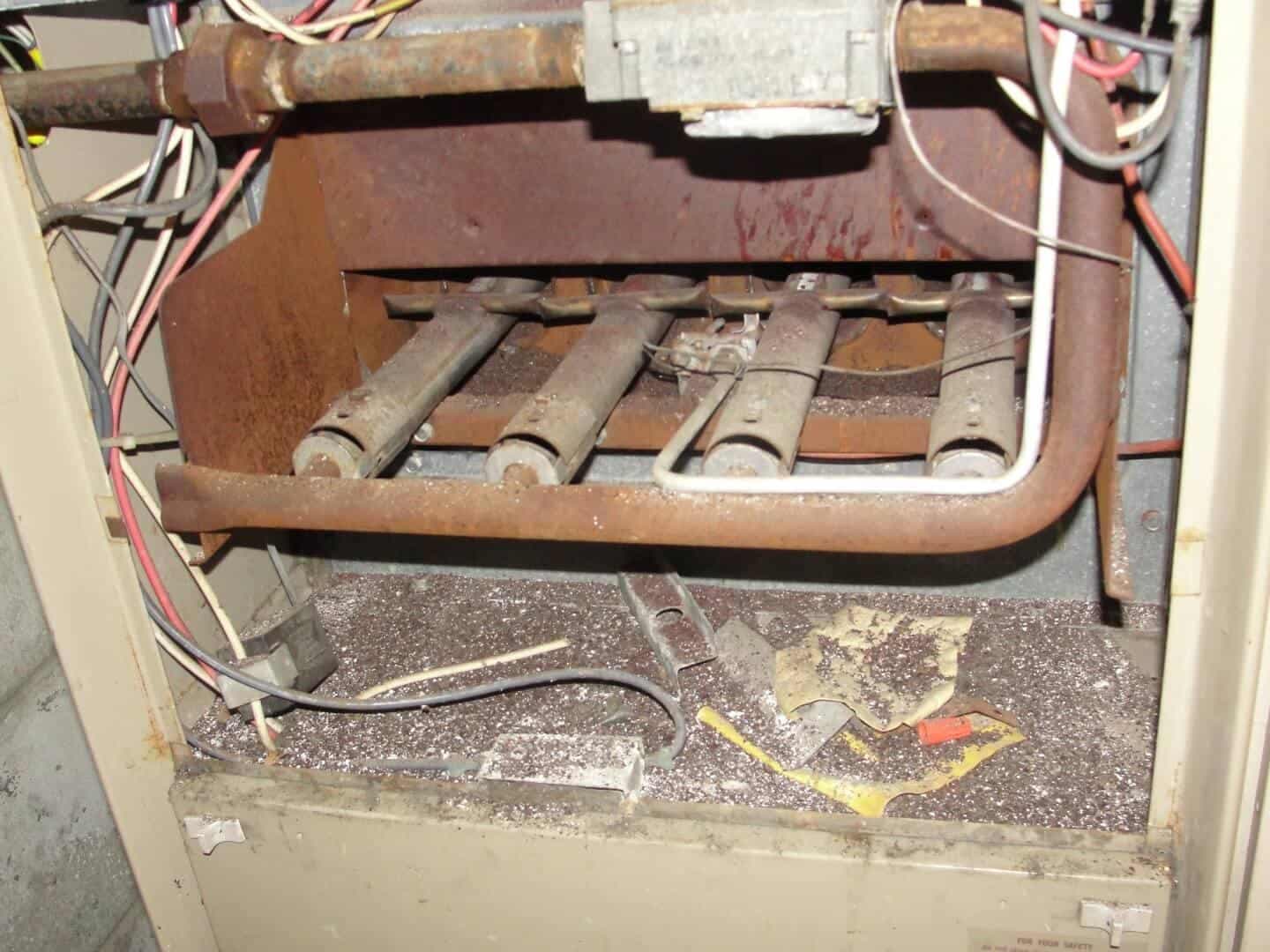
Use this framework to evaluate whether your furnace has functional life remaining or needs immediate replacement. If multiple factors fall in the "Replace" column, replacement is the financially sound choice.
| Factor | Replace Now | Details |
|---|---|---|
| Age | 15+ years | |
| Repair Frequency | 2+ service calls per season | |
| Repair Cost | Over $1,000 or 50%+ of replacement cost | |
| Energy Bills | 15-20%+ increase over 2 years | |
| Heating Performance | Cold spots, short-cycling, or long runtimes | |
| Safety Concerns | Yellow flame, cracked heat exchanger, CO detected | |
| Efficiency Rating | 80-85% AFUE or lower |
How to find your furnace's age
The manufacture date is encoded in the serial number on the furnace's rating plate. The rating plate is typically located on the inside of the blower compartment door or on the side of the furnace cabinet.
What does furnace replacement cost in Denver?
We publish detailed pricing data in our furnace installation cost guide. Rather than duplicate that information here, we'll summarize the decision factors.
Typical installed cost range in Denver: $4,500-$7,500 for a standard 80,000-100,000 BTU furnace with basic ductwork modifications. Price depends on:
- Furnace efficiency (80% AFUE vs 95%+ AFUE)
- Single-stage vs two-stage vs modulating
- Existing ductwork condition
- Permit requirements (Denver requires permits for HVAC replacements)
- Asbestos abatement if replacing pre-1980 systems
For repair cost context before deciding whether to replace, see our furnace repair cost guide. And if your furnace has been needing repeated fixes, read our guide on furnace keeps needing repairs before scheduling another service call.
Consider a heat pump instead: may be cheaper with rebates
If you're replacing a furnace, this is the time to evaluate heat pumps. Colorado's rebate programs can make a heat pump cheaper upfront than a new furnace, and you'll save on operating costs long-term.
Typical heat pump rebates available in 2026:
- Federal HEAR rebate: up to $8,000 for income-qualified homeowners
- Xcel Energy rebate: $1,200-$2,600 depending on system type
- Colorado state tax credit: up to $1,500 (income limits apply)
Combined, these incentives can reduce heat pump costs by $6,000-$12,000 for income-qualified homeowners. A heat pump that costs $18,000 installed can drop to $6,000-$12,000 after stacking available rebates, competitive with or cheaper than a premium gas furnace.
Heat pumps also cool in summer (no separate AC needed) and work reliably in Colorado's climate down to -13°F with modern cold-climate models. Read our best cold-climate heat pumps in Colorado guide for a brand-by-brand comparison based on our 12,000+ installations, and our analysis of heat pump vs gas furnace operating costs to see the long-term savings math.
Also see our guide on high-efficiency furnace benefits if you're not ready to switch from gas but want to understand what a 96% AFUE furnace actually saves you.
At UniColorado, we've installed heat pumps for over a decade and can confirm: a properly designed cold-climate heat pump can cover 80-100% of a home's heating load in Denver. On the coldest days (5-10 days per winter), a backup heat source handles the remaining 10-20%.
Related Guides
How to decide whether repeated repair calls justify replacement.
Brand-by-brand comparison from 12,000+ installations.
Side-by-side cost comparison using Xcel 2026 rates and Denver climate data.
What upgrading to a 95%+ AFUE furnace actually saves on your gas bill.