










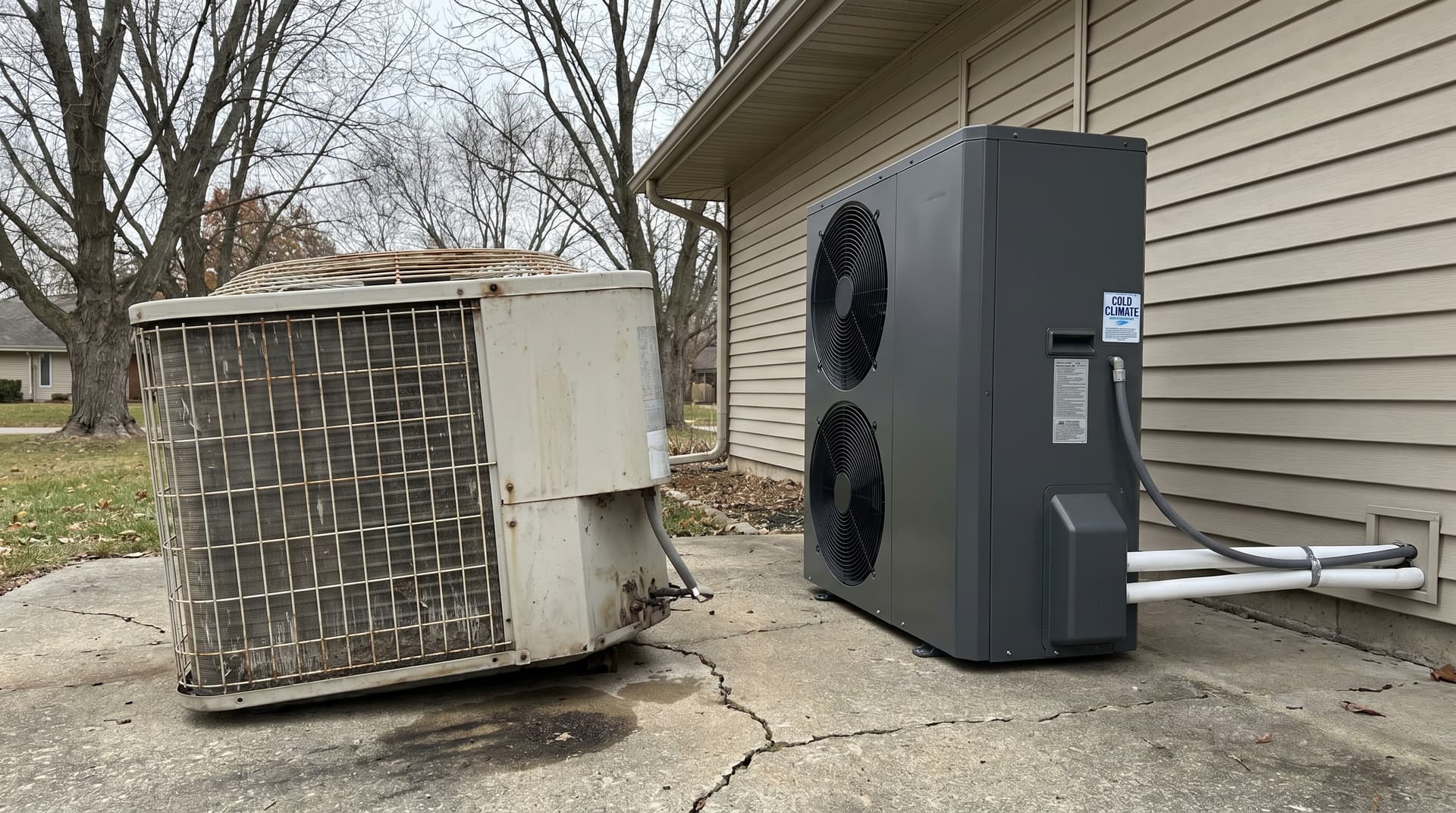
Average Lifespan by Heat Pump Type
The range for any given system is wide because lifespan depends on climate fit, sizing, installation quality, and how hard the system runs. These are the bands we see across the Denver metro.
- Heat Pump Type
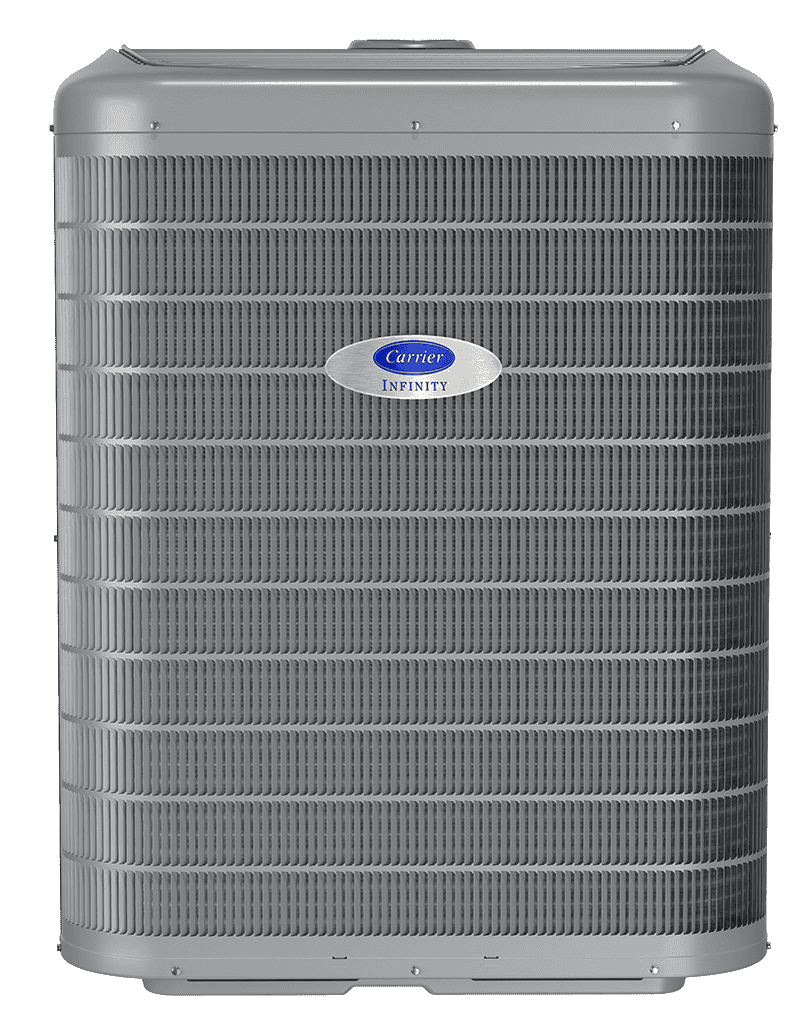
- Standard air-source
- Typical Lifespan
- 10-15 years
- Best Case
- 18 years
- Heat Pump Type
- Cold-climate air-source
- Typical Lifespan
- 12-18 years
- Best Case
- 20 years
- Heat Pump Type
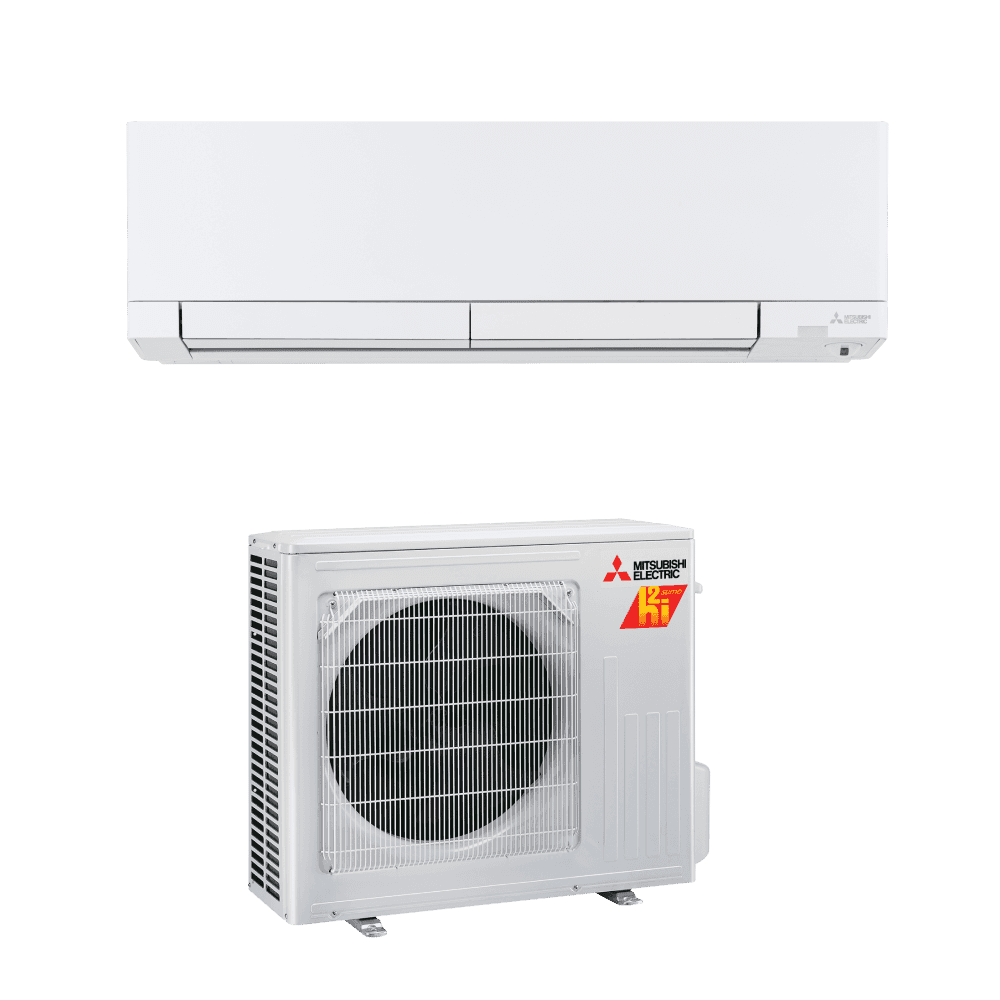
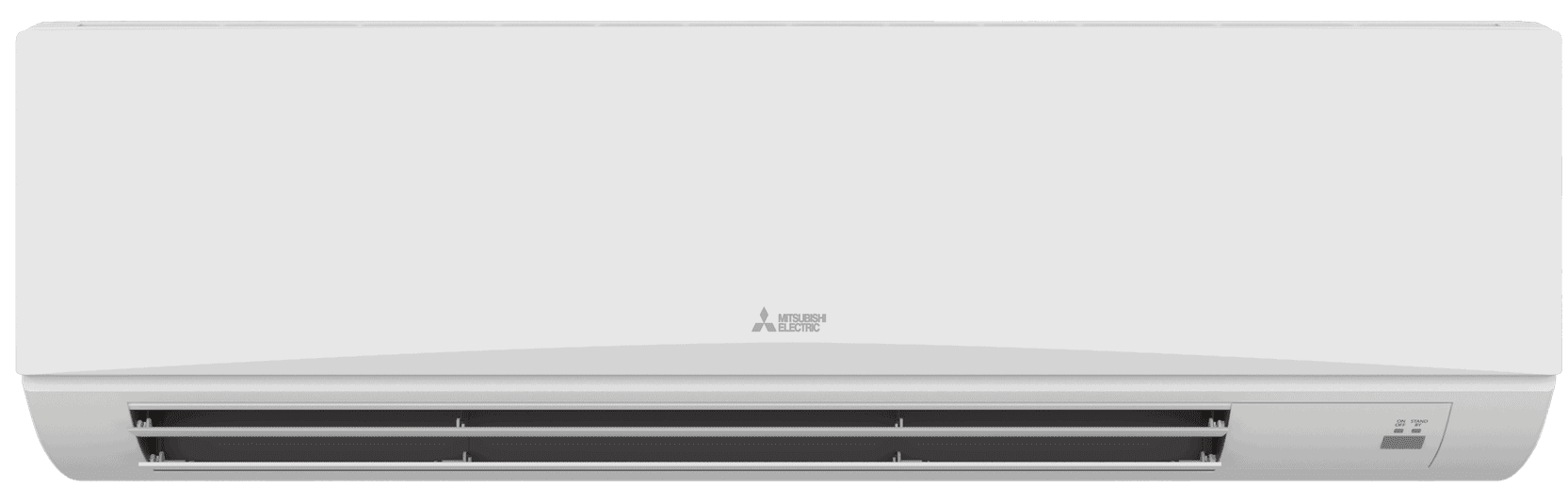
- Ductless mini-split
- Typical Lifespan
- 15-20 years
- Best Case
- 25 years
Ground-source (geothermal) systems can last 20-25 years, but we don't install geothermal and don't recommend it for the typical Denver home. Air-source cold-climate heat pumps have closed the efficiency gap with geothermal at a fraction of the install cost.
Why Heat Pumps Last Less Than Furnaces
Furnaces run 4-6 months a year. Heat pumps run 10-12 months, because they handle both heating and cooling. More operating hours means more wear on:
- The compressor (the most expensive component to replace)
- The reversing valve (the part that switches the system between heating and cooling modes)
- Fan motors (outdoor and indoor)
- Electrical controls and contactors
A heat pump doing the work of both a furnace and an AC accumulates roughly double the wear of either system alone. That's the honest tradeoff for getting both functions from one piece of equipment.
What Shortens Heat Pump Lifespan
Running below rated temperature
Every heat pump has a minimum operating temperature. Standard units struggle below 25-30°F. Cold-climate units handle down to -15°F or -20°F. If you run a non-cold-climate heat pump through Colorado winters, it works extremely hard during cold snaps. Systems pushed beyond their design limits fail sooner.
This is the single biggest mistake we see in older Colorado installs, a standard heat pump sold into a climate it was never built for. Cold-climate models are the baseline here, not the upgrade.
Oversizing
An oversized single-stage heat pump short-cycles: it turns on, quickly satisfies the thermostat, turns off, then repeats. This constant cycling stresses components far more than steady operation. Variable-speed systems tolerate oversizing because they modulate, but single-stage equipment doesn't. Proper Manual J sizing at installation prevents this.
Poor installation
Installation quality matters enormously. Improper refrigerant charge, poor electrical connections, or inadequate airflow can cut lifespan in half. A well-installed budget unit often outlasts a poorly installed premium one. The specific technicians and commissioning process matter more than the brand on the box.
Low refrigerant
Refrigerant leaks develop over time. Running with low refrigerant forces the compressor to work harder and run hotter. This accelerates wear on the most expensive component in the system. If you notice gradual performance decline, have it checked rather than ignored.
Skipped service over the years
A heat pump that has never been serviced in 12 years will fail earlier than one that saw a few tune-ups along the way. Dirty coils, loose electrical connections, and refrigerant drift all compound. You don't need annual service to get a full lifespan, but a decade of zero attention is different from a decade of reasonable care.
What Extends Heat Pump Lifespan
Choosing a cold-climate model for Colorado
Cold-climate heat pumps are designed to handle low temperatures efficiently. They don't strain during cold snaps the way a standard unit does. That translates directly into longer life. For Colorado, cold-climate models (rated to -15°F or lower) are worth the premium, they're also what Xcel's rebate program requires.
Proper sizing at installation
A correctly sized system runs at comfortable operating loads most of the time instead of slamming from 0 to 100%. Variable-speed equipment modulates; single-stage equipment cycles hard when oversized. The sizing decision at installation sets the ceiling on how long the system can last.
Quality installation
A proper install includes:
What a Quality Install Looks Like
- Manual J load calculation before equipment selection
- Manifold gauges used to verify refrigerant charge
- Airflow and static pressure measured and adjusted
- Torque-tight electrical connections, verified
- System commissioning before the crew leaves
Prompt repairs
Small problems become big problems if ignored. A failing capacitor is a modest repair. Wait until it takes out the compressor and you're looking at thousands. Address issues early, the math almost always favors fixing the small thing now.
Signs Your Heat Pump Is Reaching End of Life
Age over 15 years
Once a heat pump passes 15 years, major failures become statistically more likely. Start planning even if the system is still running. Replacing on your timeline beats replacing in a December emergency.
Increasing repair frequency
One repair in the later years is normal. Multiple repairs in a single year suggests the system is wearing out across multiple components simultaneously, a pattern, not a one-off.
Rising energy bills
Efficiency declines as heat pumps age. If your bills are 20-30% higher than they were a few years ago without a change in usage or rates, the system is working harder to produce the same output.
Declining comfort on cold days
If the system no longer holds temperature on cold days when it used to, capacity has declined. Often that's compressor wear, and it doesn't reverse.
R-22 refrigerant
Heat pumps manufactured before 2010 may use R-22 refrigerant, which has been phased out. R-22 is now expensive and increasingly scarce. If your system uses R-22 and develops a leak, replacement is almost always more practical than repair. See our full breakdown of R-22 refrigerant and what it means for your system.
Compressor or reversing valve failure
These are the two most expensive components in the system. If either fails on a system over 12 years old, replacement typically makes more sense than repair.
When to Repair vs. Replace
Repair makes sense when
- System is under 10 years old
- Repair cost is under ~30% of replacement cost
- Problem is isolated to one component
- System still heats and cools effectively when working
- No R-22 refrigerant involved
Replacement makes sense when
- System is over 15 years old
- Repairs are becoming frequent
- Repair quote exceeds 50% of replacement cost
- Compressor or reversing valve has failed
- System uses R-22 refrigerant
- Efficiency or comfort has noticeably declined
- You can't maintain temperature on cold days
The age × repair rule
A rough sanity check: multiply the system's age by the repair cost. If the result exceeds replacement cost, replacement is usually the smarter call.
Example: a 14-year-old system needs a $600 repair. 14 × $600 = $8,400. If replacement is $12,700, the repair still pencils out. If the system is 18 years old (18 × $600 = $10,800), replacement is the smarter call, you're paying to extend life by 2-3 years at most.
Replacement Costs in Denver (2026)
- System Type
- Cold-climate heat pump added to an existing furnace
- Installed Cost Range
- $17,500-$24,000
- System Type
- Whole-home system (heat pump + new furnace or air handler)
- Installed Cost Range
- $21,000-$28,000
- System Type
- Ductless mini-split (single zone)
- Installed Cost Range
- $4,200-$8,500
- System Type
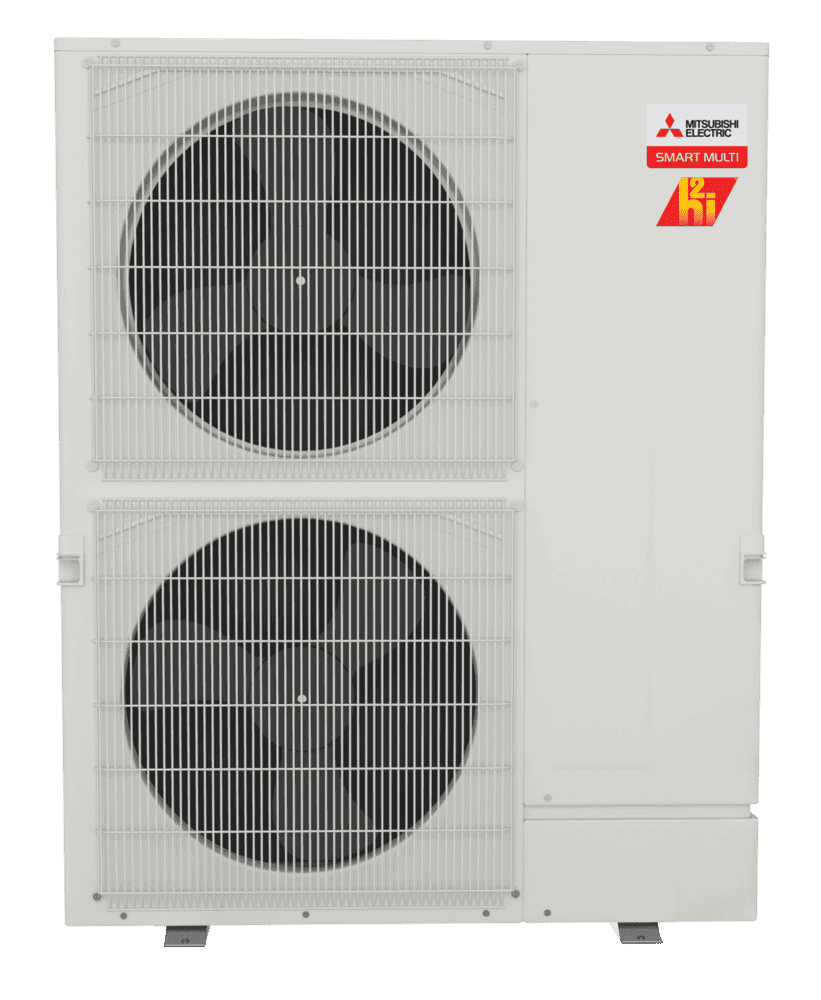
- Multi-zone mini-split (3 zones)
- Installed Cost Range
- $12,700-$23,300
Rebates can reduce out-of-pocket cost substantially. Xcel Energy offers $4,500 on a 3-ton qualifying cold-climate heat pump, and the Colorado state tax credit adds $1,000. See the full list on our Xcel HVAC rebates page and Colorado heat pump incentives guide.

Is Yours Due for Replacement?
We'll evaluate your current system and walk you through your options. Free estimate, no pressure.
Getting the Most Out of Your Current System
If your heat pump is 10-15 years old and still running well, there are things you can do yourself to maximize the years left:
- Change filters on schedule. Monthly during heavy-use seasons, every 2-3 months otherwise. Dirty filters are the single most common cause of reduced capacity and added compressor strain.
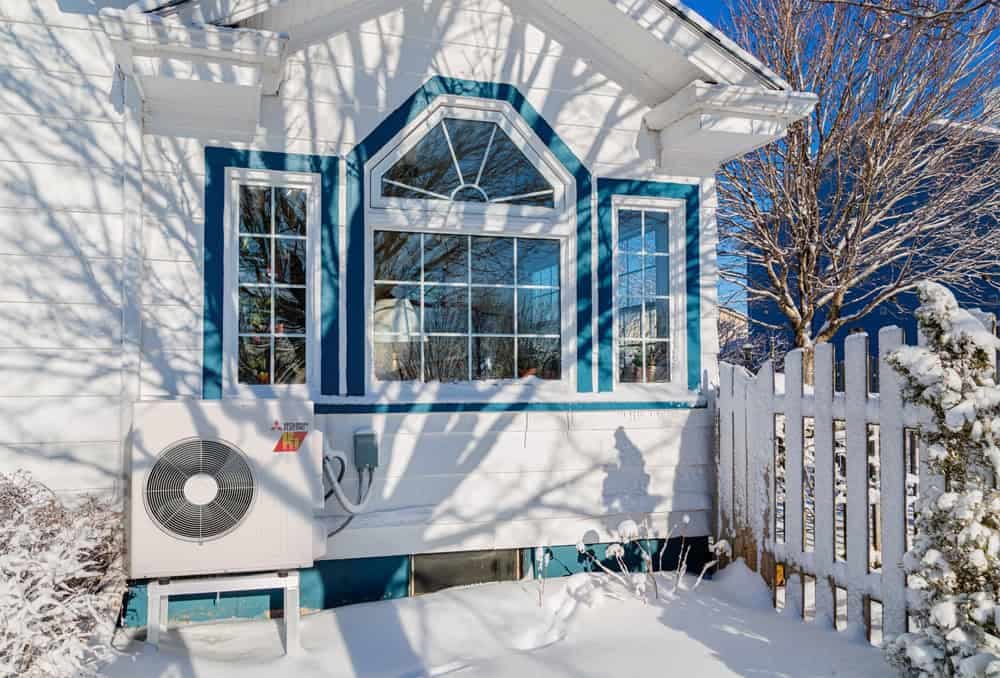
- Keep the outdoor unit clear. Leaves, grass clippings, and especially snow and ice in winter. Give the unit 2-3 feet of clearance on all sides.
- Don't over-cool in summer. Setting below 72°F in the heat of summer strains the system without a proportional comfort gain.
- Use reasonable setback on your thermostat. A few degrees at night or when away saves run-time without shocking the system with aggressive swings.
- Address small issues early. A strange noise, a longer run-time, a warm supply on heat, these are signals. Cheaper to catch at the capacitor stage than the compressor stage.
Plan ahead for replacement
If your system is approaching 12-15 years, the cheapest replacement is the one you plan for. Get quotes before it fails. Understand which rebates you qualify for, they change year to year. Budget the number you're comfortable with. An emergency replacement in a cold snap costs more (labor availability, rushed equipment choices) and gives you fewer options.
At UniColorado, we've been sizing and installing heat pumps across the Denver metro since 2014. We'll evaluate what you have, tell you honestly how much life is left, and walk through the replacement math if it's close. We don't push replacements on systems with years of useful life remaining.