


The Real Cost Question
Heat pumps are more efficient than gas furnaces. Gas is cheaper than electricity in Colorado. So which actually costs less to run?
The answer depends on temperature, efficiency, and rates. Here's the math.
The Energy Basics
First, let's understand what we're comparing.
Natural gas is measured in therms. One therm contains about 100,000 BTU of energy.
Electricity is measured in kilowatt-hours (kWh). One kWh contains about 3,412 BTU of energy.
So 1 therm of gas contains roughly 29 times more energy than 1 kWh of electricity.
If gas and electricity cost the same per unit, gas would win easily. But they don't, and efficiency changes everything.
Efficiency Changes the Math
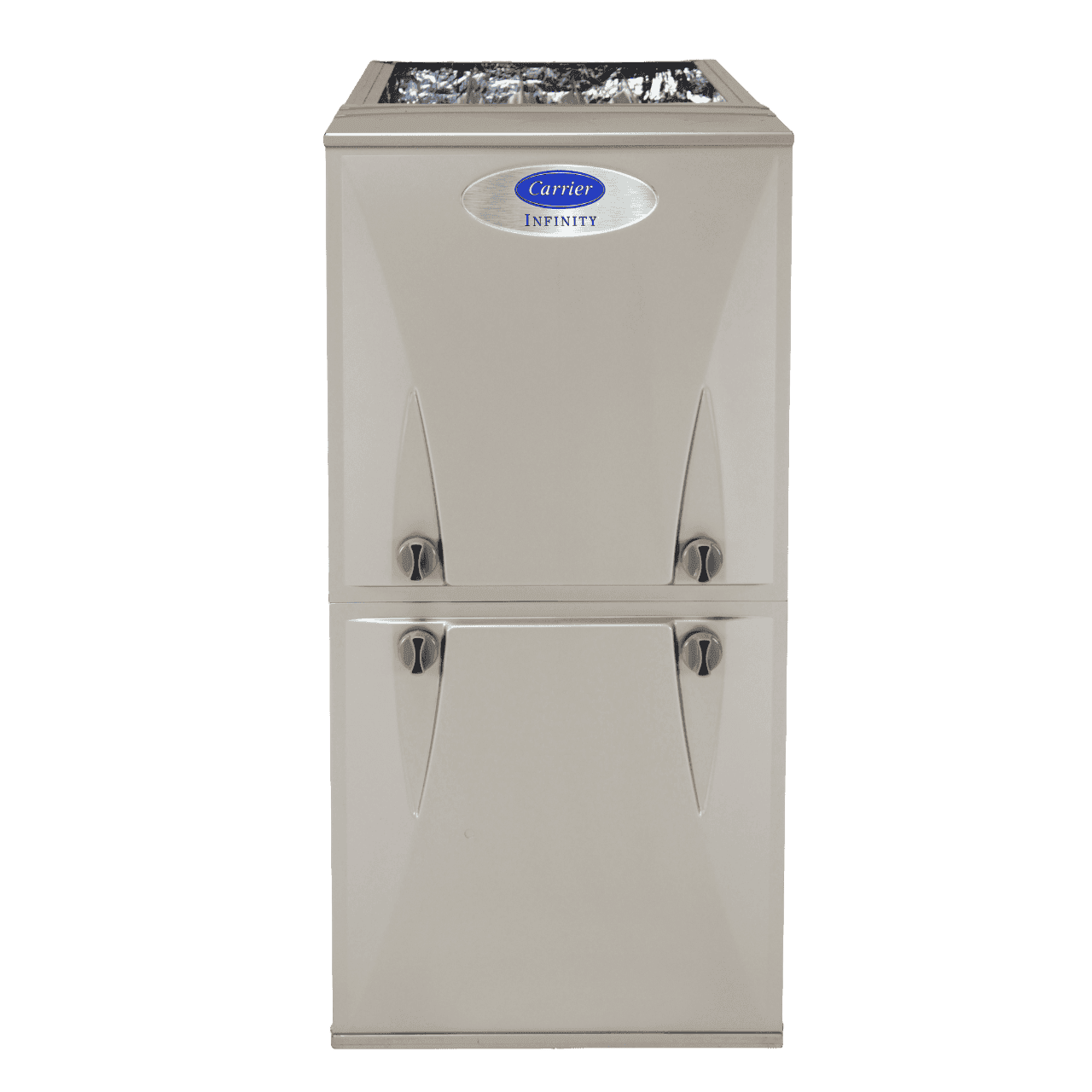
A gas furnace can't convert 100% of gas into heat. Some goes up the flue.
AFUE (Annual Fuel Utilization Efficiency) measures furnace efficiency:
- 80% AFUE furnace: 1 therm = 80,000 BTU delivered
- 95% AFUE furnace: 1 therm = 95,000 BTU delivered
Heat pumps don't create heat. They move it from outside to inside. This lets them deliver more heat energy than the electricity they consume.
COP (Coefficient of Performance) measures heat pump efficiency:
- COP 2.0: 1 kWh = 6,824 BTU delivered (2x the energy input)
- COP 3.0: 1 kWh = 10,236 BTU delivered (3x the energy input)
- COP 4.0: 1 kWh = 13,648 BTU delivered (4x the energy input)
COP varies with outdoor temperature. Warmer = higher COP. Colder = lower COP.
The Math: Cost Per 100,000 BTU Delivered
Let's use current Colorado rates:
- Gas: roughly $1.10 per therm
- Electricity: roughly $0.11 per kWh
And compare a 95% AFUE gas furnace to a heat pump at various COPs.
To deliver 100,000 BTU of heat:
- System
- Gas furnace
- Efficiency
- 95% AFUE
- Energy Needed
- 1.05 therms
- Cost
- $1.16
- System
- Heat pump
- Efficiency
- COP 4.0
- Energy Needed
- 7.3 kWh
- Cost
- $0.80
- System
- Heat pump
- Efficiency
- COP 3.0
- Energy Needed
- 9.8 kWh
- Cost
- $1.08
- System
- Heat pump
- Efficiency
- COP 2.5
- Energy Needed
- 11.7 kWh
- Cost
- $1.29
- System
- Heat pump
- Efficiency
- COP 2.0
- Energy Needed
- 14.7 kWh
- Cost
- $1.62
The crossover point is around COP 2.8. Above that, the heat pump costs less. Below that, gas costs less.
What COP Do You Actually Get in Colorado?
This is the key question, and it depends on temperature.
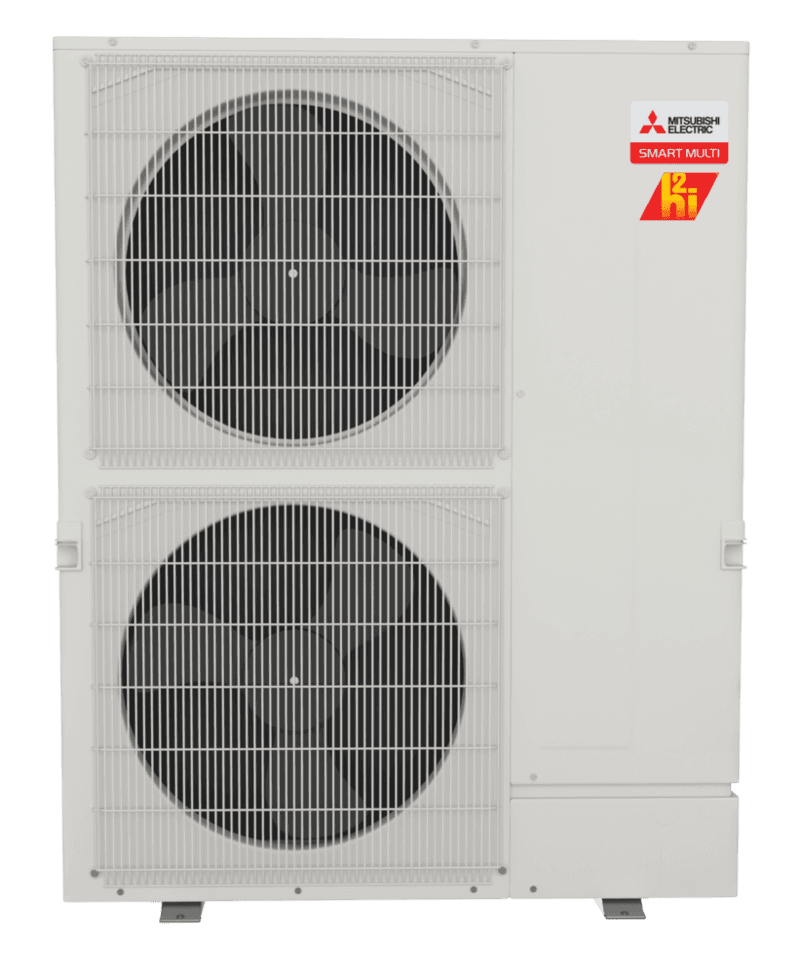
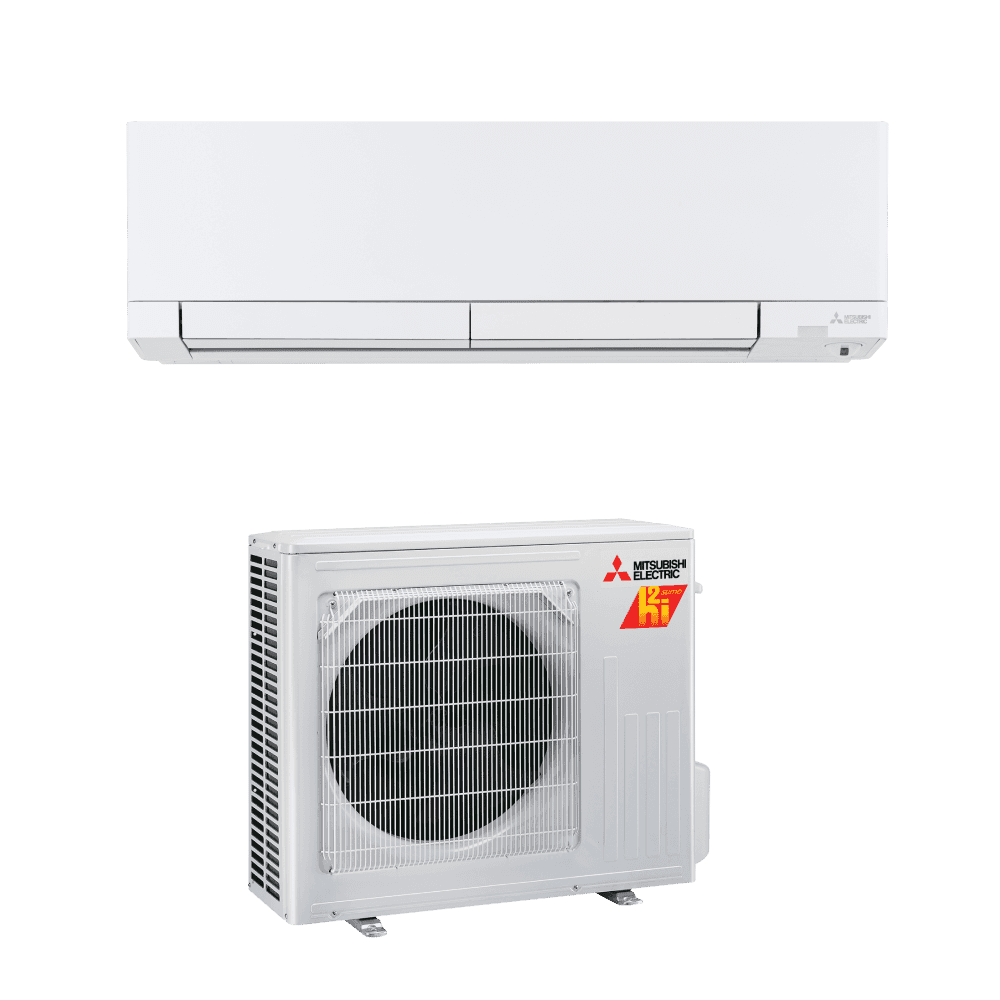
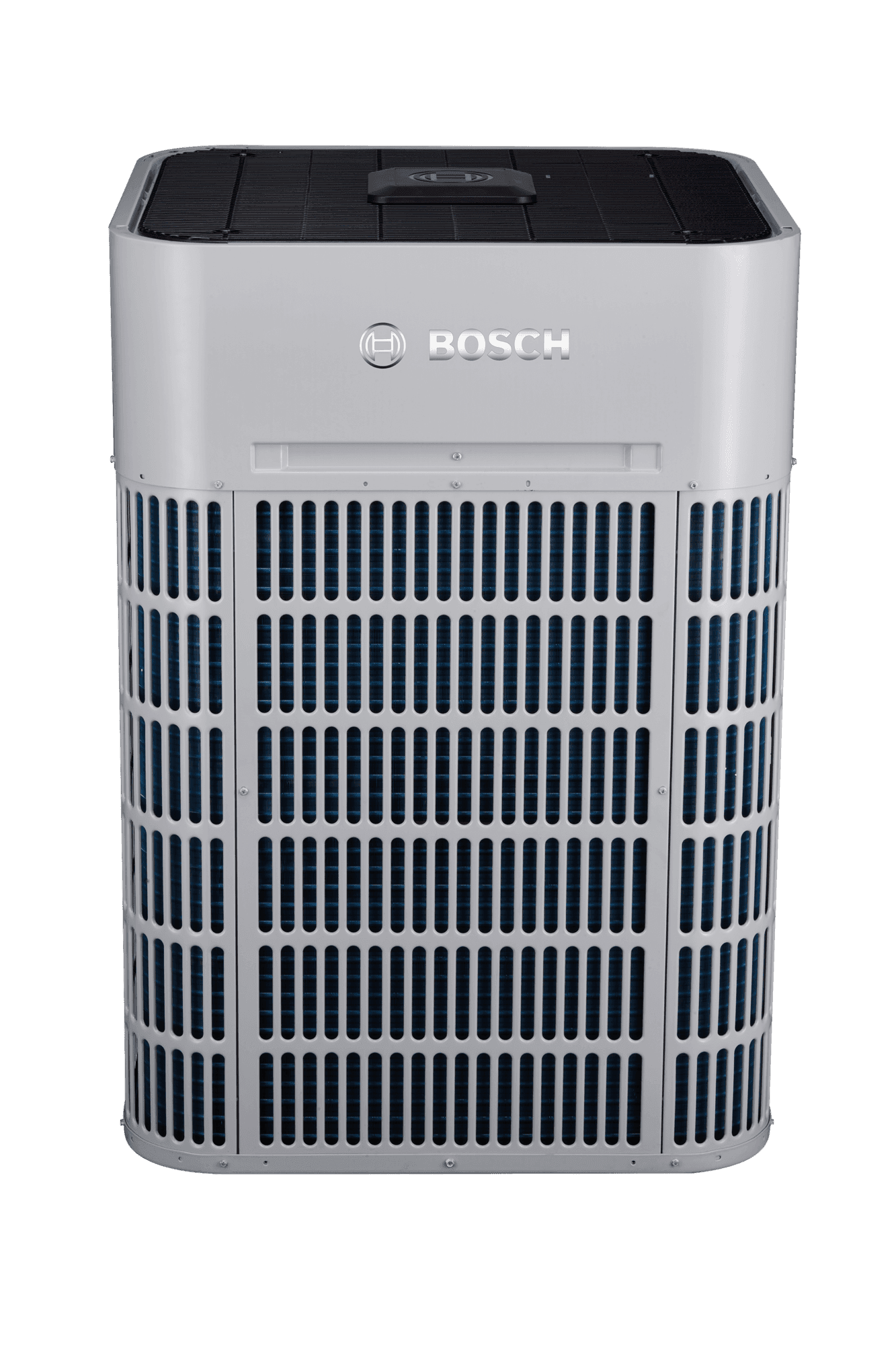
Modern cold climate heat pumps (Mitsubishi, Bosch, etc.) typically deliver:
- Outdoor Temp
- 47 degrees F
- Typical COP
- 3.5 - 4.5
- Outdoor Temp
- 32 degrees F
- Typical COP
- 2.8 - 3.5
- Outdoor Temp
- 17 degrees F
- Typical COP
- 2.2 - 2.8
- Outdoor Temp
- 5 degrees F
- Typical COP
- 1.8 - 2.3
- Outdoor Temp
- -5 degrees F
- Typical COP
- 1.5 - 2.0
Translation:
- Above 30 degrees F: Heat pump is cheaper or break-even
- 17 degrees F to 30 degrees F: Roughly break-even, slight edge to gas
- Below 17 degrees F: Gas is cheaper
In Denver, average winter temperatures are:
- December: 37 degrees F high / 18 degrees F low
- January: 43 degrees F high / 18 degrees F low
- February: 44 degrees F high / 20 degrees F low
Most of your heating hours are in the 20-45 degrees F range, where heat pumps perform well. The sub-17 degrees F hours exist, but they're a minority of total heating demand.
Cold Climate Heat Pump Efficiency in Colorado Winters
A common concern: "Do heat pumps really work when it gets cold in Denver?"
Yes. Modern cold climate heat pumps with HSPF ratings of 10 or higher are designed to operate down to -13 degrees F. During the 2022-2023 arctic blast that hit Colorado, heat pumps across the Front Range held their own.
The key is proper sizing. An undersized heat pump will struggle and rely on expensive electric resistance backup. A correctly sized cold climate unit maintains efficiency even when temperatures drop into single digits.
At UniColorado, we've installed hundreds of these systems across the Denver metro. They work. The spec sheets match what we see in the field.
Calculate Your Operating Costs
See how these numbers apply to your home. Compare actual operating costs with real equipment performance data. For a broader estimate across system types, our energy calculator covers heating and cooling costs by efficiency tier:
Operating Cost Comparison
Heat Pump vs Gas Furnace Operating Costs
Compare operating costs by temperature with real heat pump COP curves. Xcel Colorado rates.
Electric pricing mode
HP + gas backup
Have or planning solar?
BOVA-60MTB-M19E · 80% AFUE furnace · 2,000 sq ft · $1.10/therm · $0.140/kWh
| Outdoor Temp | COP | Heat Pump | Gas (80%) | Winner |
|---|---|---|---|---|
55-65°F 578 hrs | 4.0 | $1.04 | $1.38 | HP wins |
45-55°F 808 hrs | 4.0 | $1.04 | $1.38 | HP wins |
35-45°F 1,310 hrs | 3.7 | $1.12 | $1.38 | HP wins |
25-35°F 1,048 hrs | 3.3 | $1.25 | $1.38 | HP wins |
22°F (crossover) Break-even point | 3.0 | $1.37 | $1.37 | Tie |
15-25°F 613 hrs | 2.9 | $1.40 | $1.38 | Gas wins |
5-15°F 149 hrs | 2.5 | $1.65 | $1.38 | Gas wins |
-10-5°F 69 hrs | 2.0 | $2.05 | $1.38 | Gas wins |
Below -10°F 4 hrs | 1.6 | $2.60 | $1.38 | Gas wins |
At $1.10/therm gas and $0.140/kWh electric, heat pump is cheaper when COP exceeds 3.
Actual costs depend on insulation, thermostat settings, and installation quality.
The Honest Bottom Line
Gas is cheaper to operate during the coldest weather. When temps drop below 15-20 degrees F and heat pump COP falls below 2.5, gas wins on operating cost.
Heat pumps are cheaper during mild-cold weather. When temps are 25 degrees F and above (which is most of Colorado's winter), heat pumps are competitive or cheaper.
Over a full heating season, it's roughly a wash with current Colorado rates, if your heat pump is properly sized and doesn't rely heavily on electric resistance backup.
If you have a lot of backup heat running (electric resistance), your costs will be higher than gas. If your heat pump handles 90%+ of heating without backup, costs are similar to gas or slightly lower.
Why Get a Heat Pump If Gas Isn't More Expensive?
Fair question. Here's the case:
- Future-proofing. Colorado's Clean Heat Plan is pushing electrification. Gas rates may rise. Electric rates may fall as renewables scale. A heat pump gives you flexibility. If your gas bill keeps climbing, a heat pump hedges against further increases.
- You get AC included. A heat pump provides cooling too. If you'd need AC anyway, the incremental cost for heating is much lower.
- Rebates reduce upfront cost. With Xcel, state, and federal tax credits, a heat pump can cost similar to or less than a furnace + AC combination.
- No combustion. No carbon monoxide risk, no gas leaks, no combustion byproducts in your home.
- The math may shift. If electricity rates drop or gas rates rise (both plausible), heat pumps become clearly cheaper. You can't retrofit a furnace to run on electricity.
The Dual Fuel Option
If you want the best of both worlds:
Dual fuel (also called hybrid heating) pairs a heat pump with a gas furnace. The heat pump runs when it's efficient (above roughly 25-30 degrees F). The furnace kicks in for the coldest weather.
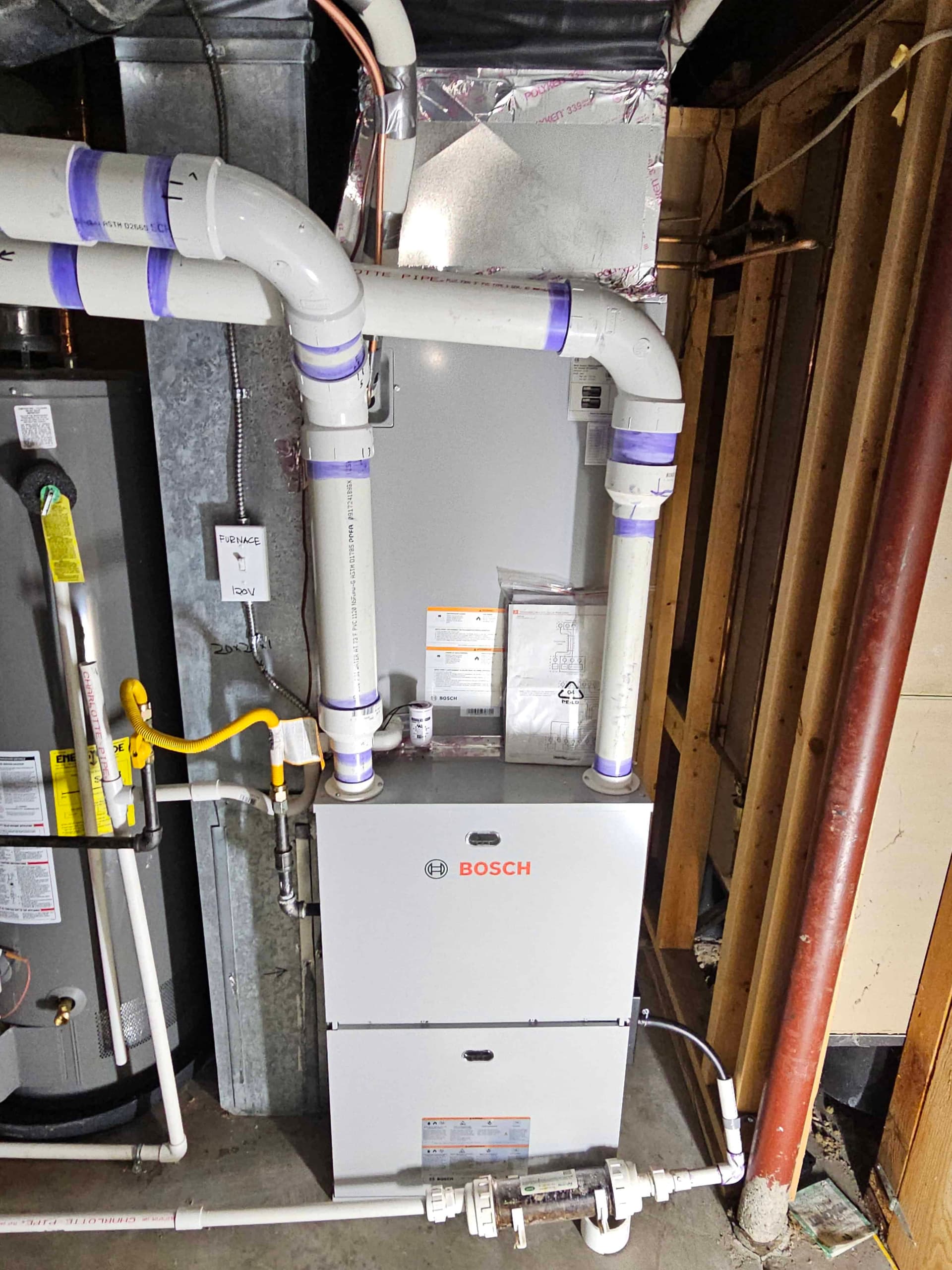
This gives you:
- Lower operating costs most of the winter (heat pump)
- Reliable, cheap heat during cold snaps (gas)
- Flexibility to adjust the switchover point as rates change
The system switches automatically based on outdoor temperature. You set the balance point, typically around 30-35 degrees F, and it handles the rest.
The downside: higher upfront cost (you're buying both systems). If your current furnace is racking up repair bills, replacing it alongside a heat pump in a dual fuel setup makes more sense than sinking more money into fixes.
Related Comparisons
The complete comparison
Which configuration fits your home
Will a heat pump spike my bill?
Which brands hold capacity below zero
$2,250/ton rebate to offset upfront cost
What a whole-home heat pump or furnace costs in 2026
What Should You Do?
You only care about today's operating cost
→Gas furnace
Roughly equal to or slightly cheaper than a heat pump over a full Colorado winter, assuming proper sizing. The difference is modest either way.
You want flexibility and future-proofing
→Heat pump (especially dual fuel)
Positions you for whichever direction energy prices go.
You need AC anyway
→Heat pump
The obvious choice. You're getting heating as a bonus.
Tight budget and a working furnace
→Keep the furnace
Add a heat pump later when it makes sense or when rebates are available.
The Math for Your Situation
The numbers above are averages. Your actual costs depend on:
- Your home's insulation and air sealing
- Your specific heat pump's efficiency curve
- Your thermostat settings
- Whether you're on time-of-use electric rates
- How cold your specific winter is
Want to see the math for your home? Contact UniColorado for a free assessment. We'll show you projected operating costs for your specific situation. No pressure, just numbers.