


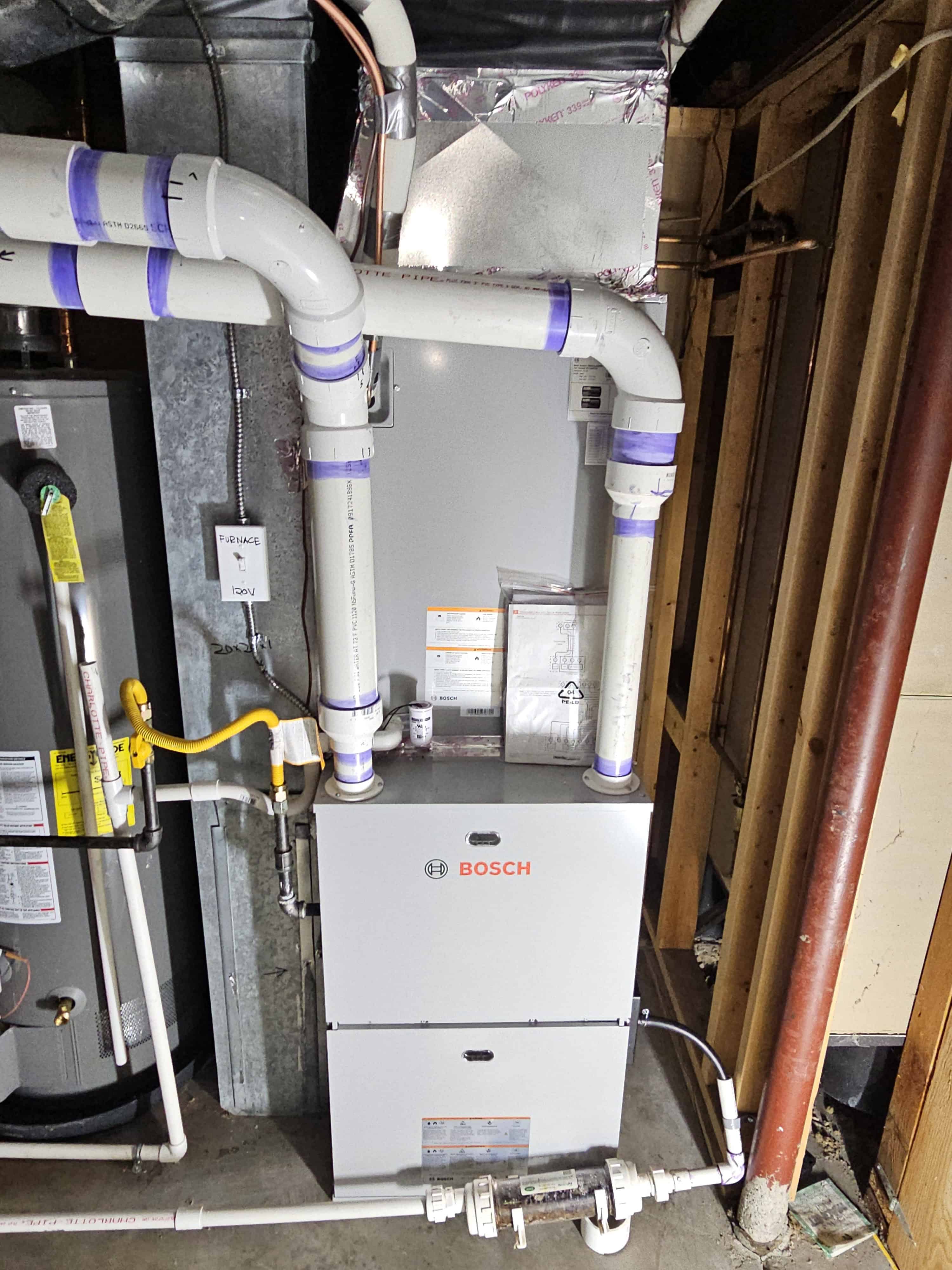
We hear this constantly: "My furnace is 20 years old, but it runs fine. Can't I just get a new heat pump and keep it?"
The short answer: technically yes. The better answer: you probably should not.
A furnace that heats your home does not automatically work well with a new outdoor unit. The furnace is not just a heater - it is the air handler for your entire system. Its blower motor moves air across the evaporator coil for cooling and heat pump operation. Its cabinet houses that coil. Its control board determines how it communicates with modern equipment.
When any of these elements do not match, you have problems.
The 'it still works' problem
A furnace that heats your home is not the same as a furnace that is compatible with modern heat pumps. Three things matter:
- The blower motor type (PSC vs ECM)
- The evaporator coil size and refrigerant compatibility
- The control board and communication protocols
All three need to match the new outdoor unit. With a 15-20 year old furnace, none of them likely will.
What actually goes wrong
The motor mismatch
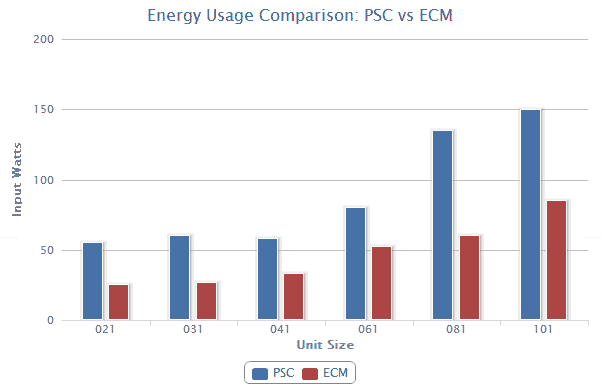
Old furnaces (pre-2010 or so) typically have PSC motors - single-speed, inefficient blowers that consume 400-500 watts just to run. Modern furnaces use ECM motors that:
- Use 75% less electricity than PSC motors
- Adjust speed based on demand
- Communicate with modern thermostats and outdoor units
- Provide the precise airflow modern variable-speed systems need
That 18 SEER2 heat pump you bought? It was tested and rated with a matched air handler using an ECM motor. Pair it with your old PSC furnace, and you are not getting 18 SEER2 performance. According to AHRI (Air Conditioning, Heating, and Refrigeration Institute), efficiency ratings only apply to matched, tested combinations. Your new outdoor unit + old furnace combination does not have an AHRI rating at all.
The coil problem
Your furnace cabinet holds the evaporator coil - the indoor half of your cooling system. When you replace only the outdoor unit, you are typically keeping the old coil. This creates multiple issues:
- Size mismatch: If your old coil is rated for 2.5 tons and your new heat pump is 3 tons, the system cannot transfer heat efficiently.
- Height and fit issues: Old coils and new furnaces often do not align. This means additional labor, adapters, or compromises.
- Refrigerant metering: The metering device (TXV or piston) on your old coil may not be compatible with your new outdoor unit's refrigerant charge and pressure requirements.
Communication breakdown
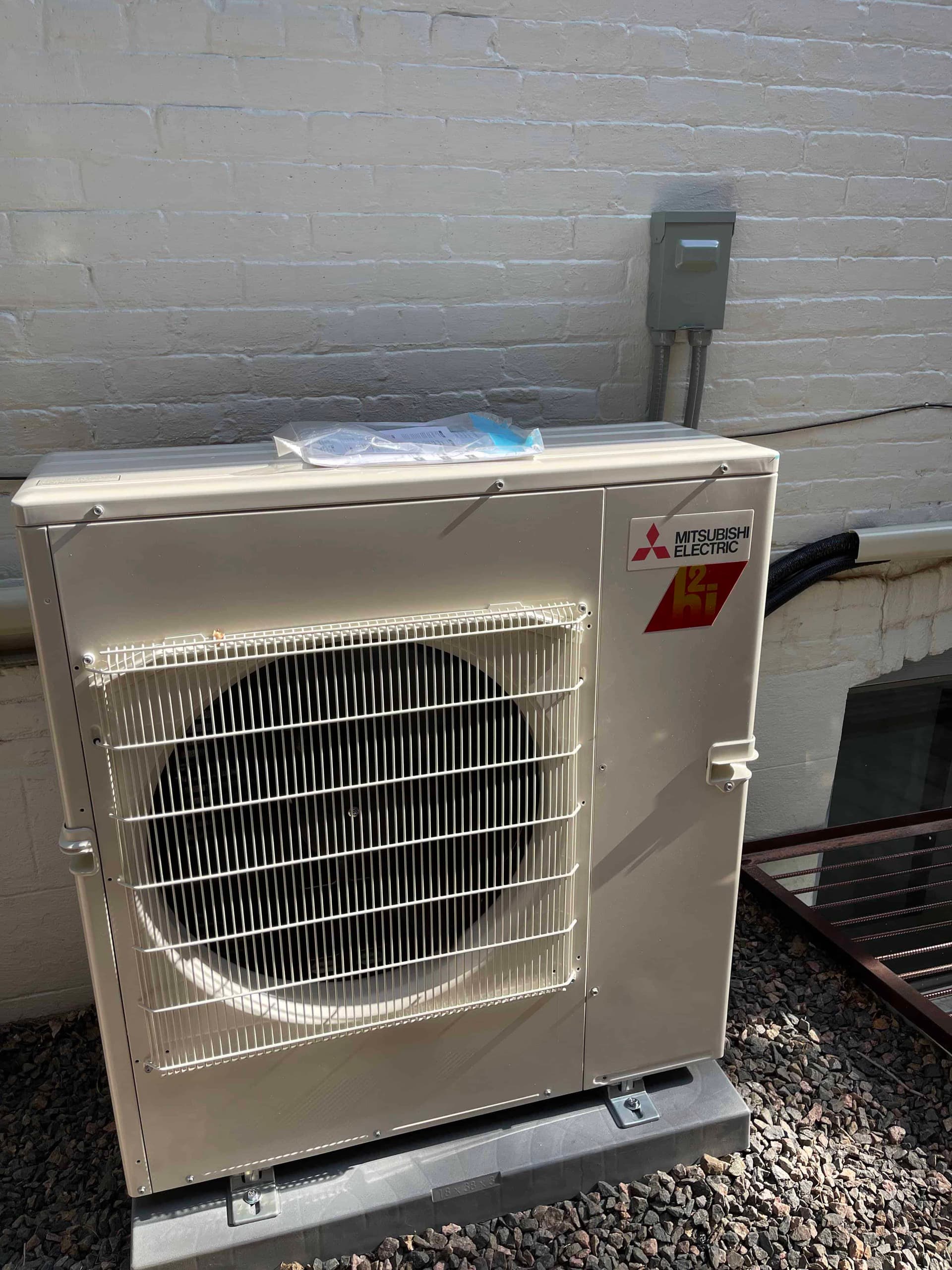
Modern variable-speed heat pumps communicate with air handlers to coordinate fan speeds, defrost cycles, and operating modes. A 20-year-old furnace does not have this communication capability. When you connect it to a modern communicating system, you lose features you paid for and may create operational problems.
The R-454B refrigerant transition
Here is something most homeowners do not know: the HVAC industry is transitioning from R-410A to R-454B refrigerant (new environmental regulations). As of 2025-2026, manufacturers are shifting to R-454B in new equipment.
Why this matters for your "perfectly good" old furnace:
- Coil compatibility: R-454B operates at different pressures and requires different coil specifications. Your existing R-410A coil is not designed for it.
- Future service challenges: As R-410A equipment phases out, parts become harder to find. Technicians become less familiar with older systems.
- Declining options: If you keep your old furnace now and need to replace the outdoor unit again in 8-10 years, you will face an even worse compatibility situation.
The refrigerant transition means the window for "keeping old equipment" is closing faster than it used to.
The real math
"But I'm saving money by not replacing the furnace." Let's actually look at the numbers.
Replacing separately
- Two separate installation visits = two labor charges
- No bundle discount on equipment
- Potential height/fit issues requiring adapters
- Two disruptions to your home
- Possible coil replacement needed anyway
Replacing together
- One installation visit
- Bundle pricing on equipment
- Matched, AHRI-rated system
- Single disruption
- Everything fits correctly
The difference? At minimum $1,500 more to do it separately. In our experience, it is usually $2,000-$3,000+ when you account for the complications that inevitably arise.
And if you replace just the heat pump now and keep your old furnace, you will almost certainly be calling us back within 5-7 years to replace that furnace - at full installation price. You are not saving money. You are deferring it while creating problems in the meantime.
What about furnaces that aren't ancient?
Let's say your furnace is 10-12 years old. Not new, but not antique. Should you still replace it?
Our recommendation: yes, in most cases. Here is why:
- Average furnace lifespan in Colorado is 15-20 years. At 10-12 years, you are past the halfway point.
- You are already paying for installation labor and system downtime. The incremental cost to include the furnace is much less than doing it later.
- Matching everything at once means one warranty timeline, one service relationship, one AHRI-rated system.
- Modern furnaces with ECM motors save $100-$200/year in electricity costs for blower operation alone.
The only time we would suggest keeping a 10-12 year old furnace is if it has an ECM motor (not PSC), the evaporator coil is compatible with the new outdoor unit, and budget is genuinely constrained. Even then, we would have an honest conversation about whether it makes sense.
When keeping the old furnace might actually work
We are not saying it is never acceptable. Here are the scenarios where it might make sense:
- Recent furnace (under 5 years old): If you bought a quality furnace recently with an ECM motor, and the coil is compatible, there is no reason to replace it just because the AC died.
- Genuine budget constraints: If you truly cannot afford a full system replacement, doing half now may be better than running a failing system into the ground. Understand you are not getting full efficiency and may face issues.
- Moving soon: If you are selling the house in a year, a partial replacement might make more sense than investing in a full system you will not benefit from.
- The coil matches: In rare cases, your existing coil is actually compatible with the new outdoor unit - same tonnage, same refrigerant, proper metering device. This is something we verify, not assume.
The right answer depends on your specific situation. Schedule an evaluation and we will give you honest guidance on whether a partial replacement makes sense or whether doing everything at once is the better path.