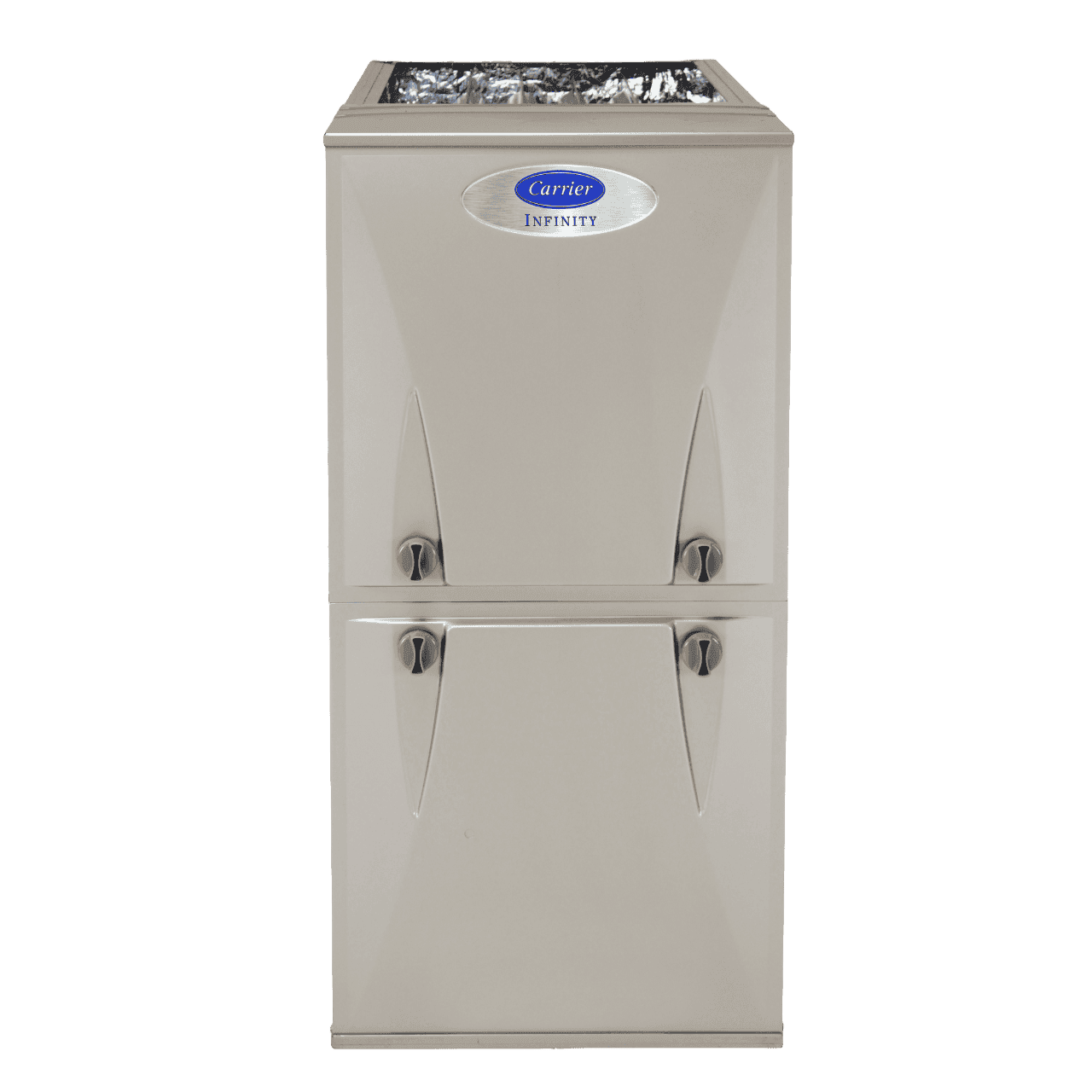


If it's breaking down 2+ times per season, the system is telling you something
You've called for service twice this winter. Each repair bill stings a little more. And you're starting to wonder: is this furnace going to make it through the season?
Here's the honest answer: if your furnace has needed 2 or more service calls in a single heating season, or it's 15+ years old, you're likely spending money on a system that's in terminal decline. The repairs aren't fixing the underlying problem; they're buying time on equipment that's reaching end-of-life.
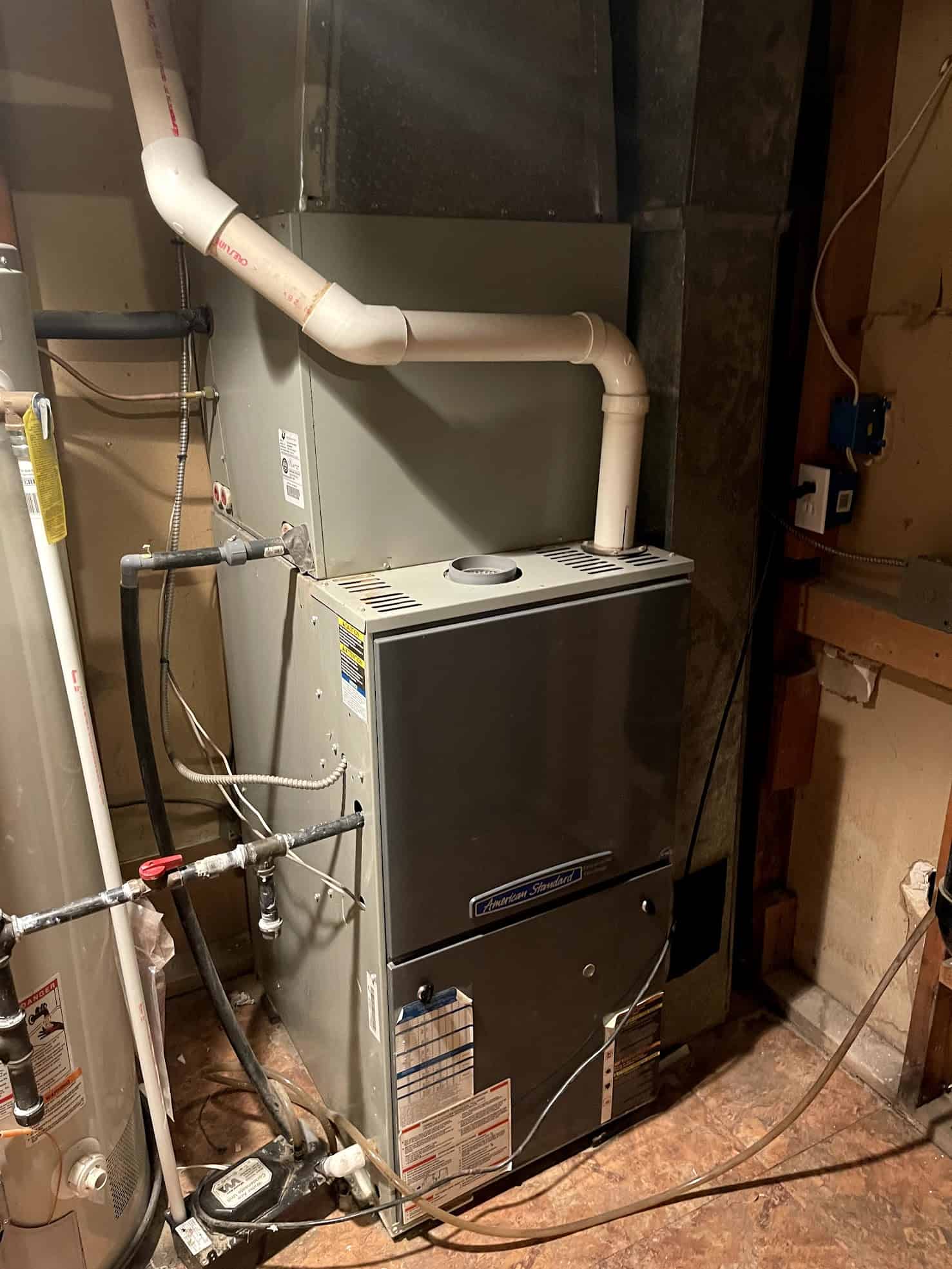
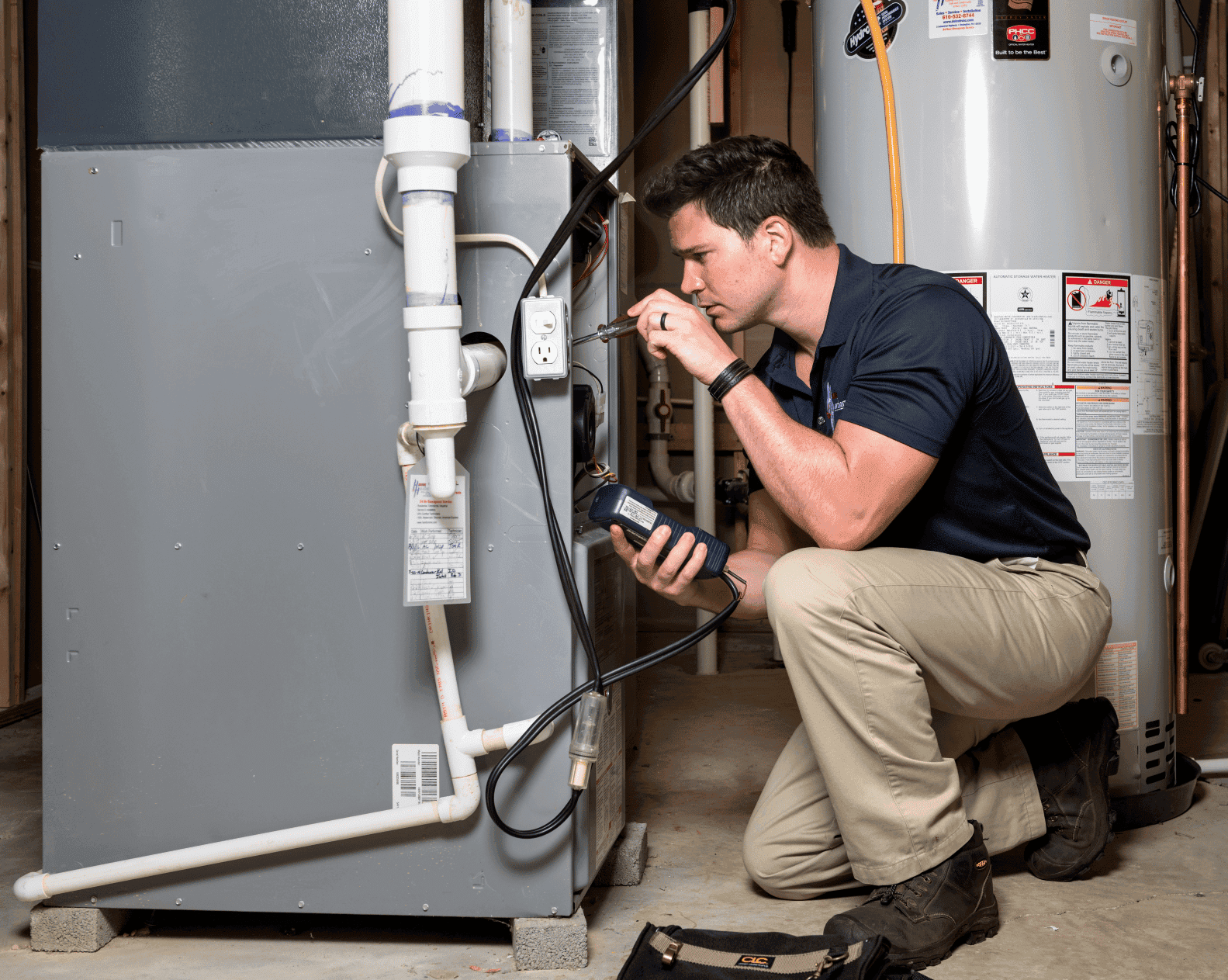
At UniColorado, we've serviced thousands of aging furnaces across Denver. We've seen the pattern: one failed limit switch leads to a bad inducer motor, which stresses the heat exchanger, which eventually cracks. Failures cascade. And at a certain point, the most cost-effective decision is replacement, not another band-aid repair.
This guide will help you evaluate repair vs replace using three data points: age, repair frequency, and safety risk. We'll also cover when safety issues demand immediate replacement: no exceptions.
Warning signs your furnace is on borrowed time
Furnaces don't fail overnight. They give you signals: some obvious, some subtle. Here are the 6 most common warning signs that a furnace is approaching end-of-life:
If you're seeing 3 or more of these signs, replacement is likely more cost-effective than ongoing repairs.
Repair vs replace: decision matrix
Every furnace situation is unique, but the decision usually comes down to 4 factors: age, repair cost, repair frequency, and safety risk. Here's how to weigh repair vs replace:
| Factor | Lean Replace | Details |
|---|---|---|
| Age | 15+ years | |
| Repair cost | $1,000+ (or >50% of new system cost) | |
| Repair frequency | 2+ breakdowns in one heating season | |
| Safety risk | Cracked heat exchanger, CO risk, gas valve failure | |
| Energy bills | 15-30% increase over 2-3 years | |
| Parts availability | Parts discontinued or hard to source |
Safety issues that demand immediate replacement
Some furnace issues aren't about money or comfort; they're about safety. If your HVAC technician identifies any of the following, you should replace the furnace immediately, regardless of age or repair cost:
What a new furnace costs in Denver
Replacement costs vary based on furnace size (BTU capacity), efficiency rating (AFUE), brand, and installation complexity. For Denver-area homes, typical installed costs in 2026 are:
- Standard-efficiency gas furnace (80% AFUE): $5,936 - $7,725 installed
- High-efficiency two-stage gas furnace (95%+ AFUE): $6,784 - $10,094 installed
- Electric furnace: $5,512 - $10,094 installed
These costs assume a standard replacement (no ductwork modifications, no complex venting changes). If your home needs duct repairs, venting upgrades, or a larger furnace to handle increased square footage, costs can increase.
For detailed pricing breakdowns, see our furnace installation cost guide.
Heat pump alternative: with rebates, it can cost less than a furnace
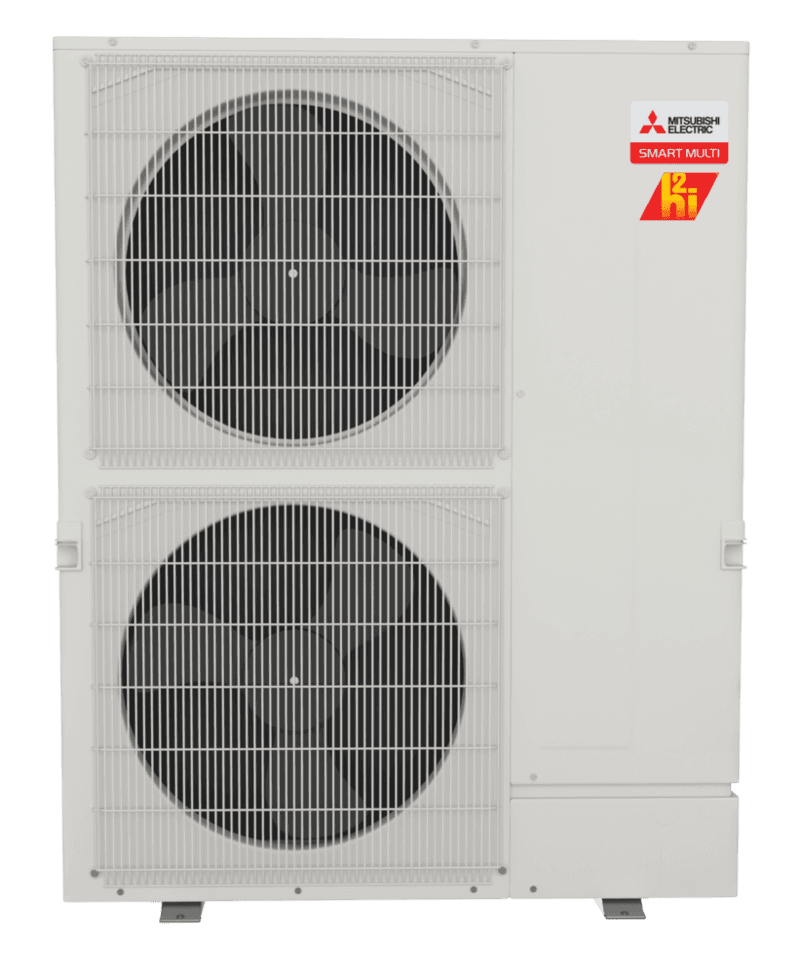
If you're replacing a furnace, you have an option many homeowners don't know about: cold climate heat pumps. Heat pumps provide both heating and cooling (replacing both your furnace and air conditioner), and they're eligible for significant rebates in Colorado.
With current state and utility incentives, a heat pump can cost less upfront than a new furnace + AC:
- Colorado HEAR rebates (income-qualified): $8,000 - $14,000 for heat pump installation
- Xcel Energy rebates: $6,750+ for cold-climate heat pumps (3-ton; $2,250/ton)
For a typical Denver home, a cold climate heat pump with rebates can cost $10,000 - $14,000 out-of-pocket after incentives, still competitive with a high-efficiency furnace + AC replacement, and you get both heating and cooling in one system.
Modern cold climate heat pumps work reliably in Colorado winters down to -13°F. They're not the heat pumps of 10 years ago; advancements in compressor technology and refrigerant systems have made them viable year-round solutions for our climate.
Learn more in our guides: Cold Climate Heat Pumps and Dual Fuel vs Electric Heat Pump.
Related Guides
What 95% AFUE actually means for Denver heating bills
Pricing breakdown for Denver metro furnace replacements
What repairs typically cost and when to stop paying for them
Field data from 12,000+ installations on winter performance
$2,250/ton rebate for cold climate heat pumps