


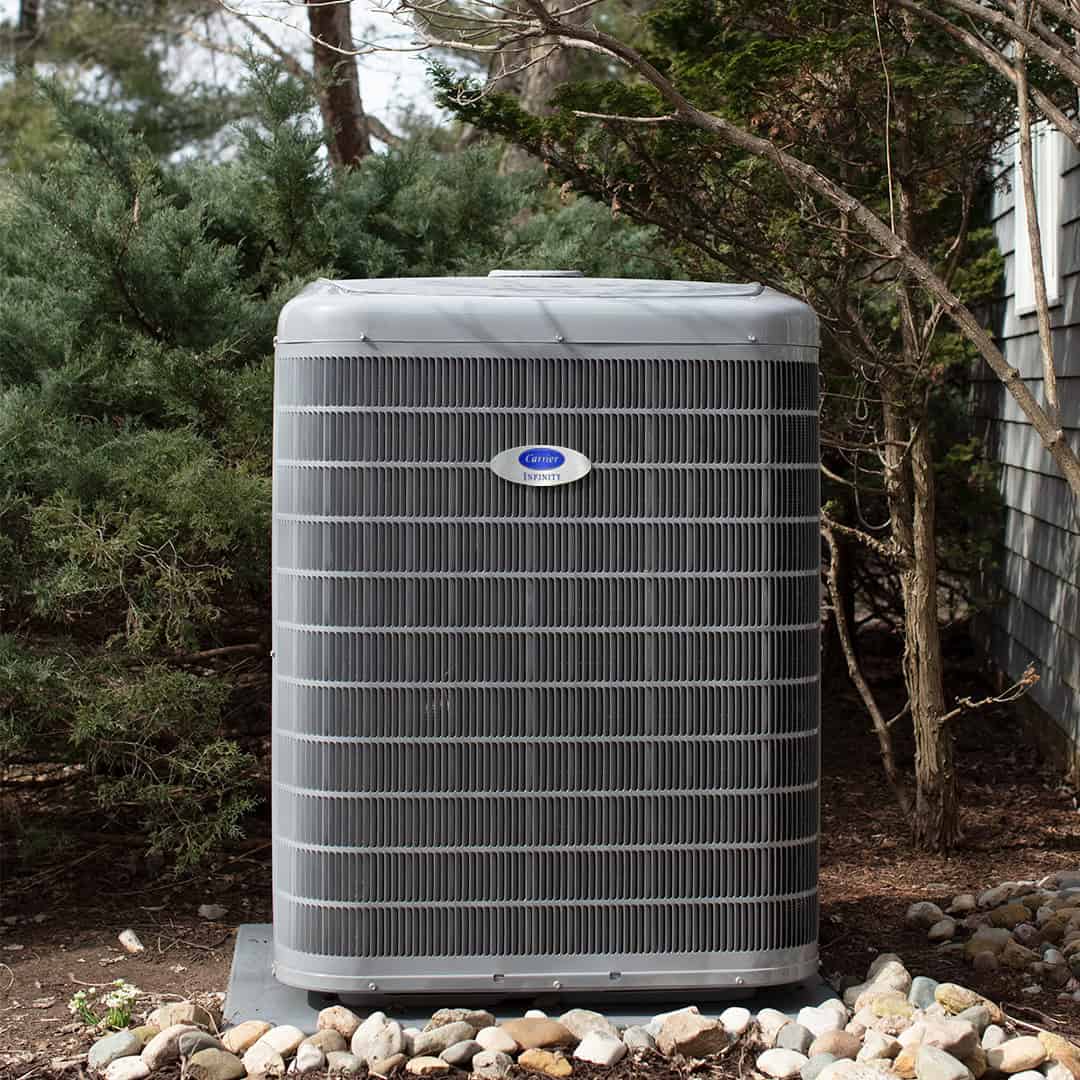
AC installation day is mostly straightforward if you know what to expect. For a standard replacement - existing condenser out, new condenser in, same ductwork and refrigerant line set - the physical work takes 2-3 hours. The rest of the day is removal, prep, commissioning, and handover.
This article covers the actual sequence of work, not the estimate process. If you're still deciding on equipment, see our central AC buying guide.
Before the crew arrives
The night before your install, equipment is staged at our Evans or Centennial warehouse. The outdoor condenser and indoor evaporator coil are loaded and go through a first QC check - model numbers verified, shipping damage inspected. Techs and helpers are assigned 1-2 weeks in advance.
Install day starts at the warehouse. Crew meets around 7 AM, loads equipment, preps for the job, and heads out. You get a notification when the crew is on the way. Arrival is typically between 7:30 and 9 AM depending on drive time.
Installation day timeline
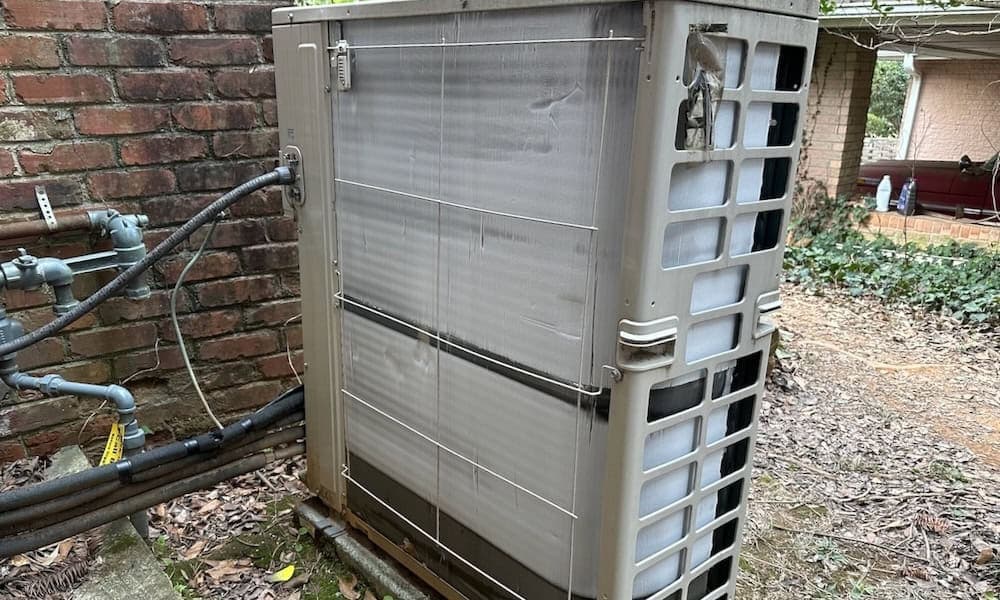
Here's the sequence for a standard central AC replacement:
- Homeowner walkthrough (10-15 minutes). The lead tech walks through the job with you before any work starts. Covers where the outdoor unit goes, any access concerns (gate codes, pets), and whether you have questions from the estimate. For a standard replacement this is brief. For a fresh install where line sets and electrical need to be run, this is longer.
- Prep and old system shutdown (15-20 minutes). Tarps laid down. Old system powered off. Refrigerant recovered from the old system per EPA 608 requirements - this step can't be rushed.
- On-site component QC (10-15 minutes). New equipment inspected before installation begins. This is the second check after the warehouse QC.
- Old condenser and coil removal (30-60 minutes). Outdoor condenser unbolted and removed. Indoor evaporator coil pulled from the air handler or furnace. The refrigerant line set is inspected - condition, diameter, and length relative to the new system's specs.
- New equipment installation (1.5-2.5 hours). New condenser set on pad and leveled. New evaporator coil installed above the furnace or in the air handler. Refrigerant lines connected (flushed if reusing the existing set), electrical verified, refrigerant charged.
- System commissioning (30-60 minutes). Detailed below.
- Handover (15-30 minutes). System tested in cooling mode. Thermostat walkthrough. Rebate paperwork completed if applicable.
Total for a standard replacement: 4-6 hours. The range is mainly driven by line set condition and ductwork access.
Noise, downtime, and what to expect
Noise. Moderate. Disconnecting refrigerant lines, drilling for new electrical, moving equipment - similar noise level to a plumber or electrician doing a day's work. Nothing that requires leaving the house, but you'll hear it.
HVAC downtime. Your AC is off from when the old system is removed until commissioning is complete. For a standard replacement, that's roughly 2-4 hours. Plan for your home to warm up if it's hot outside. On 95°F+ days, plan to be elsewhere or have a portable unit available.
Dust. Minimal for a simple condenser-and-coil swap. More if the crew needs to cut into drywall for electrical or line set routing. Drop cloths are used in work areas.
Parking. One vehicle space in the driveway or directly in front of the home. For larger installs, two spaces. Let us know in advance if there are restrictions.
Decisions you make before and during
The main decisions happen at the estimate. Here's a clear breakdown of what gets decided when:
Before install day:
- Equipment selection and SEER rating (handled at estimate)
- Outdoor unit pad type - existing concrete pad, new pad, or equipment stand
- Whether to replace the refrigerant line set (we recommend this if lines are over 15 years old or if the new system requires a different refrigerant line diameter)
- Thermostat - same as existing or upgraded to a compatible smart thermostat
During installation:
- If the existing refrigerant line set is corroded or wrong size, the crew explains and confirms replacement before proceeding
- If the pad or mounting surface needs work, options are discussed
- If something unexpected is found in the electrical, work pauses for a conversation
What commissioning means for an AC system
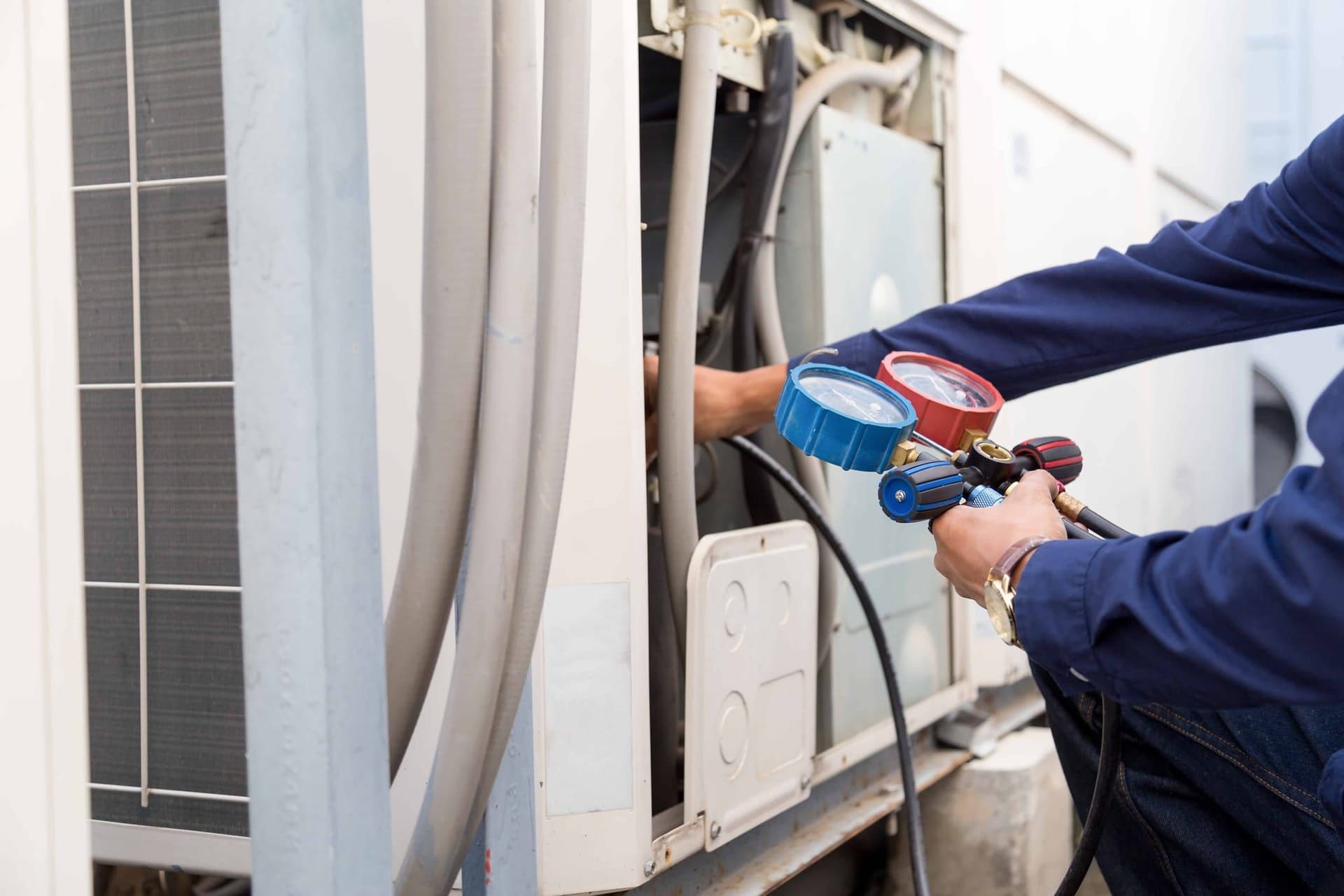
Commissioning is the verification phase after physical installation. For a central AC system, this takes 30-60 minutes. It's shorter than for heat pumps because there's only one operating mode to verify (cooling), but the checks are the same:
- Refrigerant charge. The most critical check. Too much or too little refrigerant and the system runs inefficiently, causes liquid slugging, or damages the compressor over time. Verified using gauges and superheat/subcooling measurements.
- Airflow (CFM). Supply and return air measured. If airflow is below spec - usually due to dirty coils, undersized return, or closed registers - the refrigerant charge measurement will be off. Airflow has to be right first.
- Static pressure. Duct system resistance measured. High static pressure means the blower is working harder than it should, which raises energy consumption and noise.
- Temperature split. Difference between supply and return air temperature should be 16-22°F under normal operating conditions. Outside that range indicates a charge or airflow issue.
- Thermostat programming. Cooling schedules, setpoints, and fan settings configured.
If commissioning measurements are off - which happens occasionally with older ductwork or when the new system has different airflow requirements than the old one - we correct the issue before leaving. We don't adjust refrigerant charge to compensate for an airflow problem.
Fresh install vs. replacement: what's different
A replacement swaps existing equipment: same location, same or similar line set, same ductwork. A fresh install - for a home that has never had central AC - is a different job.
Fresh installs require:
- Running a new refrigerant line set from the outdoor unit location to the indoor air handler or furnace - usually through walls or an attic
- New electrical circuit from the panel to the outdoor unit (240V dedicated circuit)
- Deciding where the outdoor condenser goes and what it sits on
- Deciding on the indoor coil location and making sure the furnace or air handler is compatible
- Verifying ductwork is sized for cooling (some older homes with furnace-only ductwork need duct modifications)
A fresh install typically takes 6-8 hours versus 4-6 hours for a replacement. The extra time is line set routing and electrical work.
Common surprises and how they're handled
Most AC installs go without issue. These are the situations that come up most often:
Refrigerant line set needs replacement. The existing copper lines are either the wrong diameter for the new system, corroded at fittings, or too long for optimal refrigerant management. Replacement adds 1-2 hours. Cost is usually quoted as an option during the estimate.
Outdoor pad settling. Concrete pads can settle unevenly over years. If the new unit won't sit level on the existing pad, we either level the pad or use an equipment stand. Covered under the installation.
Electrical doesn't match the new system's requirements. Different condenser models have different amperage requirements. If the existing disconnect or wire gauge is undersized, we replace it. Communicated before proceeding.
Coil doesn't fit the existing air handler. Occasionally a replacement coil has slightly different dimensions than expected. The crew either sources the correct coil (same-day if available from the warehouse) or schedules a follow-up.