Pricing Guide
Furnace Repair Cost
Denver furnace repair costs typically range between $200-$2,500 depending on the issue. A diagnostic visit runs $120, which is applied toward the repair if you proceed.
Updated February 28, 2026•By Editorial Staff
Minor repairs (ignitor, flame sensor) are worth fixing. Heat exchanger failure usually makes full replacement the better call.
Diagnostic Fee
$120
Common Repair
$200-$600
Major Repair
$1,000-$2,500+
Repair vs Replace
50% Rule
Prices are estimates. Get a free quote for exact pricing.
How Much Does Furnace Repair Cost in Denver?
Note: UniColorado is not currently accepting new repair or service clients. We are focused exclusively on installations and replacements. This guide is provided as a reference for Denver homeowners evaluating repair costs.
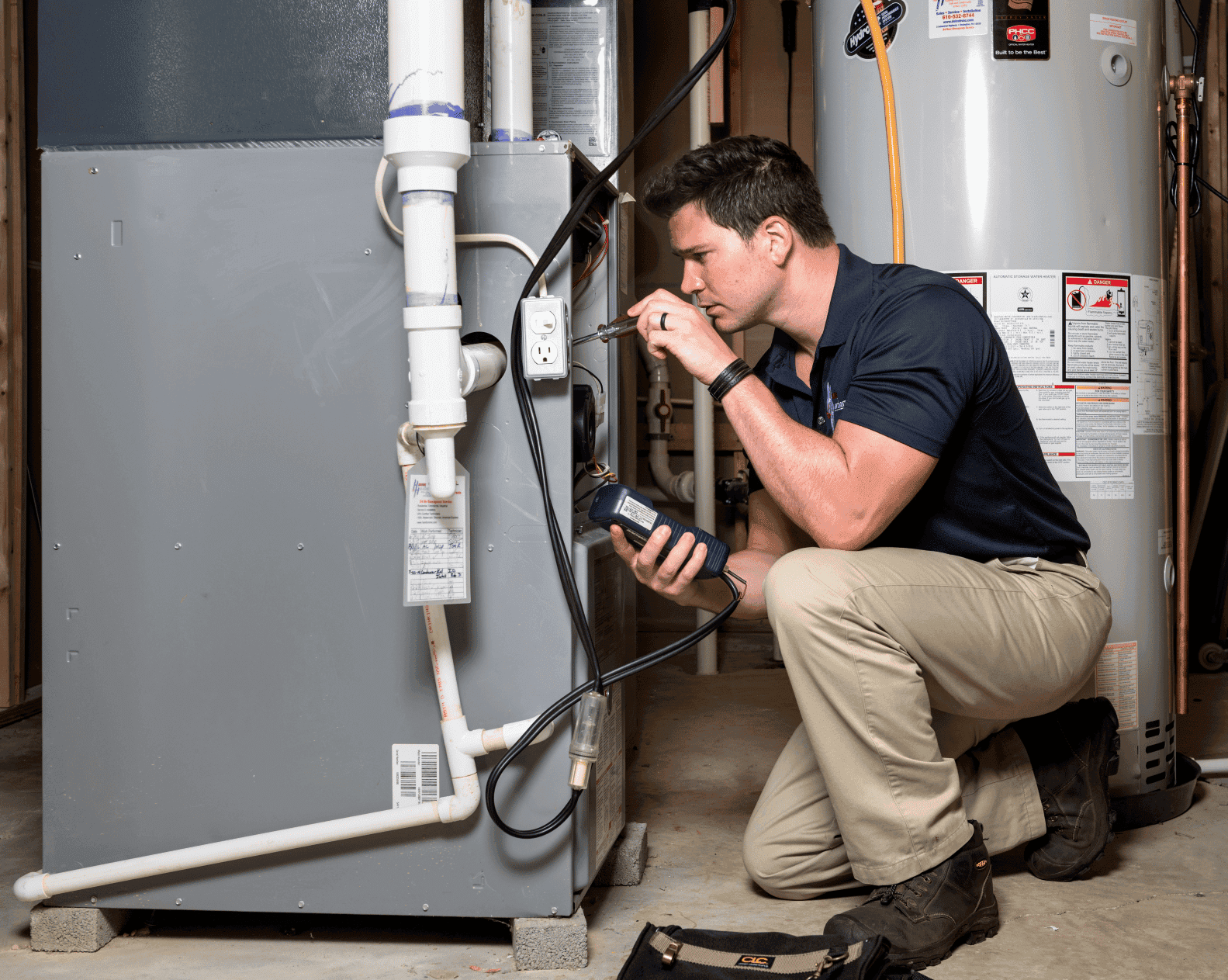
Furnace repair costs in Denver range from $200 to $2,500 for most common issues, with the average furnace repair running about $500. The cost depends on which component failed and the complexity of the repair.
A diagnostic visit costs $120, which covers the technician's time to identify the problem. That fee is typically applied toward the repair cost if you proceed with the fix.
Furnace Repair Cost by Component
Furnace components vary widely in cost to replace. Here are typical repair costs for Denver-area homes:
Component Replacement Costs (Parts + Labor)
- Ignitor (hot surface): $250-$450 - the most common furnace failure, a ceramic element that lights the gas
- Flame sensor: $150-$300 - often just needs cleaning, detects whether gas has ignited
- Thermocouple: $200-$350 - safety device on older standing-pilot furnaces
- Inducer motor: $500-$1,000 - pulls exhaust gases out of the heat exchanger
- Control board: $500-$950 - the circuit board that manages furnace operations
- Gas valve: $500-$1,000 - regulates gas flow to the burners
- Blower motor: $600-$1,500 - circulates heated air through ductwork
- Transformer: $250-$500 - converts line voltage to low voltage for controls
- Heat exchanger: $1,800-$3,500 - the most expensive component, cracked exchangers are a safety hazard
Furnace repair cost by component
- Component
- Flame sensor (clean/replace)
- Cost Range (Parts + Labor)
- $150 - $300
- Component
- Ignitor (hot surface)
- Cost Range (Parts + Labor)
- $250 - $450
- Component
- Thermocouple
- Cost Range (Parts + Labor)
- $200 - $350
- Component
- Transformer
- Cost Range (Parts + Labor)
- $250 - $500
- Component
- Inducer motor
- Cost Range (Parts + Labor)
- $500 - $1,000
- Component
- Gas valve
- Cost Range (Parts + Labor)
- $500 - $1,000
- Component
- Control board
- Cost Range (Parts + Labor)
- $500 - $950
- Component
- Blower motor
- Cost Range (Parts + Labor)
- $600 - $1,500
- Component
- Heat exchanger
- Cost Range (Parts + Labor)
- $1,800 - $3,500
What Does a $120 Furnace Diagnostic Include?
A professional furnace diagnostic goes beyond checking error codes. A thorough assessment from a licensed Denver HVAC contractor typically includes:
What's in a diagnostic visit
- Ignition sequence testing: watching the full startup cycle to identify where the failure occurs
- Electrical testing: amp draw on motors, voltage checks on transformer and control board, capacitor testing
- Temperature rise measurement: checking supply and return air temperature differential against manufacturer specs
- Combustion analysis: measuring gas pressure, flame characteristics, and CO levels in the flue
- Visual inspection: heat exchanger condition, wiring integrity, vent pipe connections, and safety switch testing
The $120 diagnostic fee covers the technician's time and expertise. Most contractors apply it toward the repair cost if you proceed. If the diagnosis reveals a failing heat exchanger or other issue that makes replacement more cost-effective, the diagnostic fee is money well spent.
Most Common Furnace Repairs in Denver
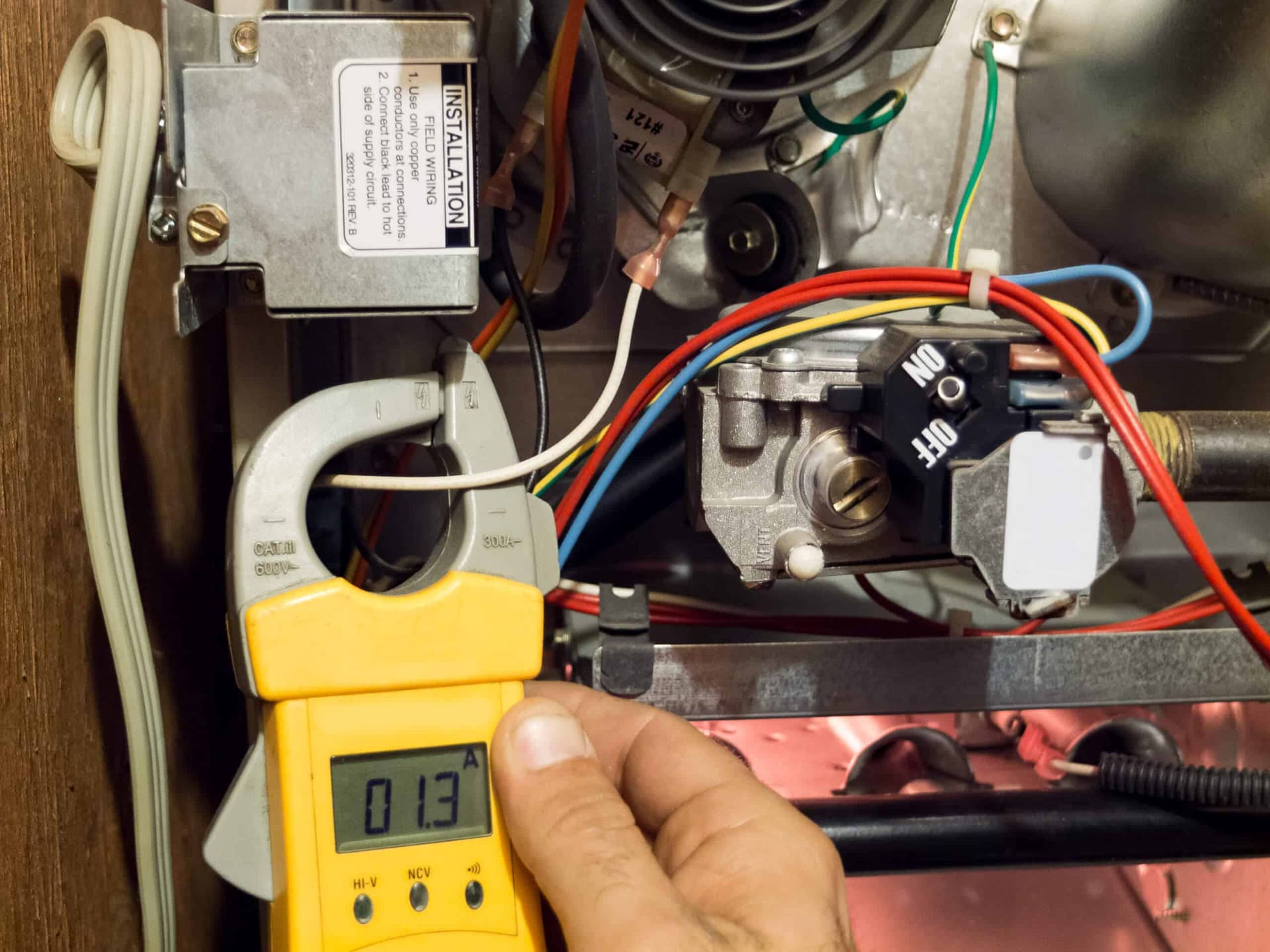
Denver's cold winters put heavy demand on furnaces. From October through April, furnaces run thousands of cycles. The most common failures:
Top furnace failures in Denver
- Ignitor failure: the hot surface ignitor is the single most common furnace repair. These ceramic elements crack from thermal cycling after 3-7 years. Symptom: furnace clicks but doesn't light.
- Dirty flame sensor: the flame sensor rod accumulates carbon buildup over time, preventing it from detecting the flame. The furnace lights briefly then shuts off within seconds. Often just needs cleaning ($150-$200).
- Inducer motor failure: the inducer motor runs before ignition to clear the heat exchanger of residual gases. When it fails, the furnace won't start at all. More common in units over 10 years old.
- Blower motor issues: the blower motor circulates heated air. Bearing failure causes squealing or grinding sounds. Complete failure means the furnace runs but no warm air reaches the vents. Blower motor repairs typically cost $600-$1,500 per hour of labor plus parts.
- Control board failure: power surges and age can fry the control board. Symptoms vary - erratic behavior, error codes, or complete shutdown. Denver's dry winter air increases static electricity risk. If your furnace keeps needing repairs season after season, that pattern matters as much as any single repair cost.
Should I Repair or Replace My Furnace?
The repair-or-replace decision for furnaces follows the same logic as any major appliance: weigh the cost of repair against the remaining useful life of the equipment.
Repair Makes Sense When
Keep your current furnace
- Furnace is under 12 years old
- Repair cost is under $600
- First major repair on this unit
- Heat exchanger is in good condition
Replace Makes Sense When
Invest in a new system
- Furnace is 15+ years old
- Repair exceeds 50% of new furnace cost
- Cracked heat exchanger (safety risk)
- Multiple repairs in the past 2 heating seasons
The 50% rule: if the repair costs more than 50% of a new furnace ($3,000-$5,500), replacement is usually the better financial decision. You get a full warranty, higher efficiency, and reset the clock on the system's lifespan.
If you're replacing, consider whether a heat pump makes sense for your home. Heat pumps replace both furnace and AC, and qualify for Xcel Energy rebates, HEAR federal rebates, and the Colorado state tax credit - totaling up to $15,750 that gas furnaces do not qualify for. Or compare costs in our full HVAC replacement cost guide.
When Furnace Repair Is a Safety Issue
Some furnace problems are more than an inconvenience. They're safety hazards that require immediate attention:
Furnace safety red flags
- Cracked heat exchanger: the heat exchanger separates combustion gases (including carbon monoxide) from your home's air supply. A crack allows CO to enter your living space. If diagnosed, do not run the furnace. This is an emergency furnace repair situation. Replace the furnace or heat exchanger immediately.
- Yellow or flickering burner flames: healthy furnace flames burn blue and steady. Yellow, orange, or flickering flames indicate incomplete combustion, which produces elevated carbon monoxide. Call for service.
- Gas smell near the furnace: if you smell gas (rotten egg odor), turn off the furnace, open windows, leave the house, and call your gas utility (Xcel Energy: 1-800-895-4999) from outside. Do not flip light switches or use electronics.
- CO detector alarms: if your carbon monoxide detector goes off, evacuate immediately and call 911. Do not re-enter until cleared by emergency services. Have your furnace inspected before using it again.
Every Denver home with a gas furnace should have CO detectors on each level, especially near sleeping areas. Colorado law requires CO detectors in all residential properties. If you notice water pooling around your furnace, that's a separate issue: high-efficiency furnaces produce condensation, and a clogged condensate line causes leaking. Not dangerous, but address it before the water damages flooring or equipment.
What Furnace Repairs Can You Do Yourself?
Gas furnaces involve combustion, gas lines, and high-voltage electrical components. Most furnace repairs require a licensed professional. A few tasks are safe for homeowners:
Safe to DIY
- Replace air filter ($5-$30)
- Check and replace thermostat batteries
- Verify thermostat settings and programming
- Check that all supply vents are open
- Reset the furnace (power switch off, wait 30 sec, back on)
Call a Professional
- Anything involving gas lines or gas valve
- Ignitor, flame sensor, or burner work
- Electrical component replacement
- Heat exchanger inspection or replacement
- Any repair on a furnace still under warranty
Before calling for service, try the basics: check your filter, verify the thermostat, and try a power reset. These free steps resolve roughly 10-15% of "my furnace isn't working" calls.

Considering a new furnace?
If repair costs are adding up, a free estimate on a new system gives you a comparison point.
Investment Options
Three tiers for every budget. All include installation, permits, and warranty.
Minor Repair
Common ignition and sensor issues.
Ignitor, flame sensor, or thermocouple
- Ignitor replacement: $250-$450
- Flame sensor cleaning/replacement: $150-$300
- Thermocouple replacement: $200-$350
- Usually resolved in one visit
Starting From
$150
Full range: $150-$450
Moderate Repair
Motor or board failures.
Inducer motor, control board, or gas valve
- Inducer motor: $500-$1,000
- Control board: $500-$950
- Gas valve: $500-$1,000
- May require part ordering (1-3 days)
Starting From
$500
Full range: $500-$1,000
Major Repair
Heat exchanger or blower motor failure.
Heat exchanger, blower motor, or transformer
- Blower motor: $600-$1,500
- Heat exchanger: $1,800-$3,500
- Consider full replacement at this cost
- Heat exchanger cracks = safety risk
Starting From
$600
Full range: $600-$3,500
Prices based on typical home in Denver metro. Actual costs depend on home size, ductwork condition, and equipment selection.
Consider Also
Other systems that may fit your needs and budget.
Got a Furnace Repair quote?
Tell us the equipment. We don’t need their price.
AnsweringYour Questions
Frequently Asked Questions
Common questions about furnace repair costs in Denver.
Was this page helpful?