

Most Furnace Noises Are Harmless; But Two Mean 'Turn It Off Now'
Your furnace makes noise. That's normal. Most furnace sounds are just the system doing its job: metal expanding, air moving, motors running.
But two sounds are dangerous. If you hear banging or metal scraping, turn off your furnace immediately. These sounds indicate potential gas buildup or mechanical failure that can damage your system or pose a safety hazard.
After 12,000+ installations, we've learned that most homeowners worry about the wrong sounds and ignore the dangerous ones. This guide helps you tell the difference. If your furnace keeps needing repairs or you're wondering if it's too old, see our guides on furnace repair vs. replacement and how to tell if your furnace is too old.
The Two Dangerous Sounds
Banging or Booming
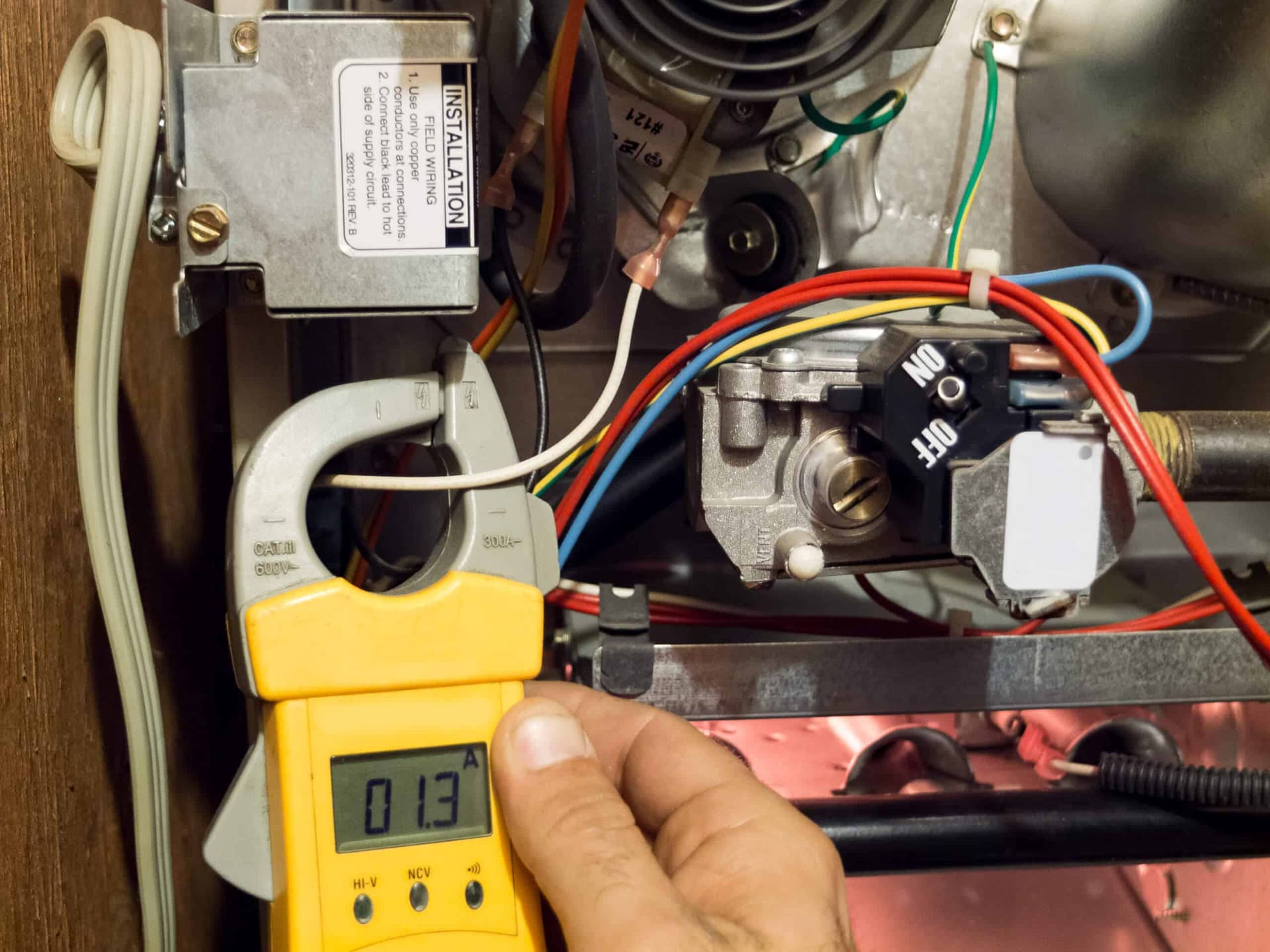
What it sounds like: A loud BANG when the furnace starts, or repeated booming sounds while running.
What causes it: Delayed ignition. Gas builds up in the combustion chamber before igniting, creating a small explosion when the burners finally light. This is dangerous.
What to do: Turn off the furnace immediately. This is not a DIY repair. Delayed ignition can crack your heat exchanger or cause a fire.
Scraping or Metal-on-Metal
What it sounds like: A harsh scraping, grinding, or metal-dragging-on-metal sound, usually continuous while the blower runs.
What causes it: Loose blower wheel hitting the housing, broken blower mount, or a failing motor bearing. The blower wheel is spinning but something is rubbing or dragging.
What to do: Turn off the furnace. Continuing to run it will destroy the blower assembly and potentially damage the motor. This requires professional repair.
Sound-by-Sound Diagnostic Guide
Use this guide to identify what sound you're hearing, what's causing it, and whether it's urgent. Click each sound type to see details.
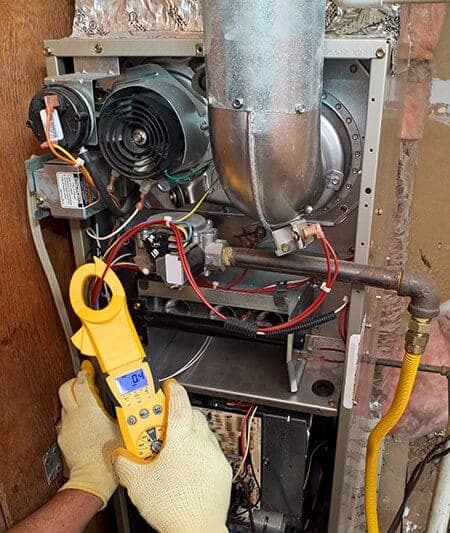
Quick Reference: Furnace Sounds at a Glance
Use this table to quickly identify urgency and whether you can handle it yourself or need a professional.
| Sound | DIY or Pro? | Details |
|---|---|---|
| Banging / Booming | TURN OFF: Call Pro | |
| Scraping / Metal Grinding | TURN OFF: Call Pro | |
| Squealing / Screeching | Call Pro Soon | |
| Whistling / Whine | DIY (replace filter) | |
| Humming | Ignore (if gentle) | |
| Clicking on Startup | Ignore (if stops after ignition) | |
| Rattling | DIY (tighten screws) | |
| Rumbling | Call Pro for Maintenance |
Normal Furnace Sounds People Worry About
Some furnace sounds are completely normal, but homeowners call us worried. Here's how to tell normal from not-normal at a glance:
Normal - ignore it
- Clicking on startup (igniter sparking) - stops in 3-5 sec
- Gentle whoosh when burners light
- Steady hum or whir from the blower motor
- Occasional pops or ticks as ducts cool after shutdown
- Brief vibration as the system comes up to speed
Not normal - investigate
- Clicking that never stops or never leads to ignition
- Banging or booming at startup
- Scraping or grinding while the blower runs
- Squealing on every startup cycle
- Any sound that appeared suddenly or is getting louder
The key distinction: if a sound is new, sudden, or much louder than it used to be, it's worth investigating. Furnaces develop issues gradually - a sound that wasn't there last week could indicate something that's been quietly getting worse.
Preventing Furnace Noise Problems
Most furnace noises - excluding normal operating sounds - are preventable with regular maintenance. The four things that make the biggest difference:
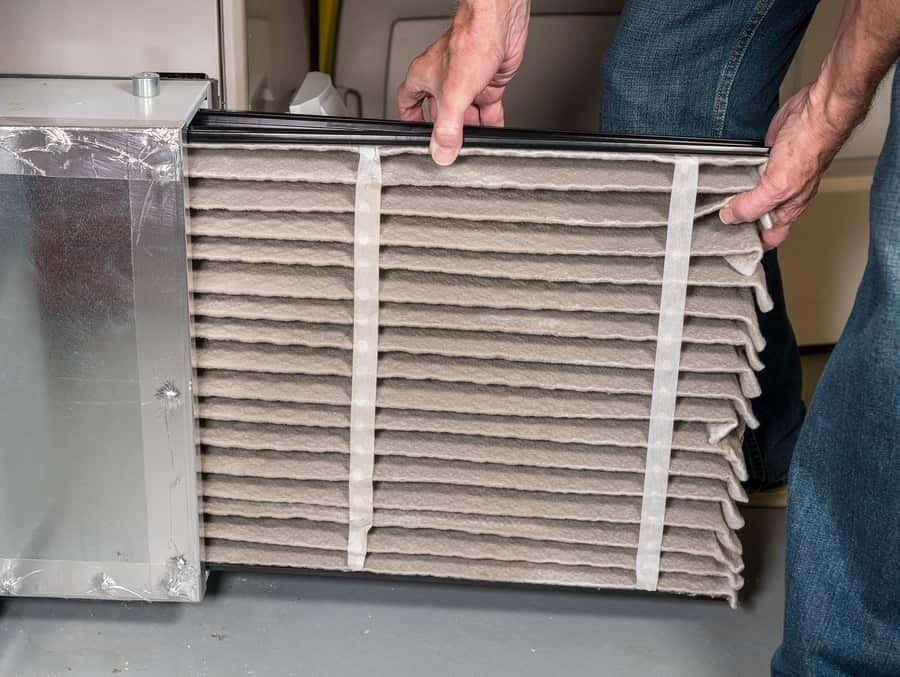
Furnace Noise Prevention Checklist
- Replace air filters every 1-2 months during heating season. Denver's dry climate means dust accumulates fast. A clogged filter is the #1 cause of whistling and forces the blower motor to work harder - accelerating wear.
- Schedule annual furnace maintenance. A professional tune-up cleans burners (prevents rumbling), inspects the blower assembly (catches loose wheels before they scrape), checks igniter operation (prevents delayed ignition and banging), and lubricates motor bearings (prevents squealing).
- Tighten loose panels and ductwork once a year. Check that all furnace access panels are secured. If you have accessible ductwork in the basement, check for loose sections and secure with sheet metal screws.
- Act on new sounds immediately. Small problems are cheap to fix. A slightly loose blower wheel costs $150-$300 to correct. Ignored, it becomes a destroyed blower assembly: $800-$1,500.


Is Your Furnace Due for Replacement?
If your furnace is over 15 years old or has needed multiple repairs, a new high-efficiency system often costs less over time than continued service. We can walk you through the numbers.
For repair cost context, see our Denver furnace repair cost guide. If you're considering whether your furnace is past its useful life, our guide on furnace age and replacement timing walks through the 6 warning signs. Rental property landlords should also read our guide on HVAC for rental properties to understand Colorado's legal obligations around heating failures.