











If your upstairs is sweltering in summer while your downstairs stays comfortable, you have probably searched for solutions and found the same advice everywhere: adjust your dampers, close some vents, run your fan on "on" instead of "auto."
Here is what most HVAC articles will not tell you: your existing ductwork probably cannot be meaningfully fixed. The ducts were designed when your house was built. Your system sits where it sits. The real solution is adding independent cooling where you need it - and that usually means ductless.
Why your upstairs is hotter than downstairs
Two things are working against you:
Physics. Heat rises. Your second floor naturally collects warm air from the entire house. Meanwhile, your roof absorbs enormous amounts of solar heat - attics can reach 150°F on hot Colorado summer days. That heat radiates down through your ceiling into your upstairs rooms.
Single-zone system design. Most two-story homes have one thermostat, usually on the first floor. When it reads 72°F, the AC shuts off - even if your upstairs is 80°F. The system has no idea your second floor is uncomfortable because it is not measuring temperature up there.
This combination creates an 8-10°F temperature difference between floors in many homes. That is not a malfunction. That is how single-zone systems work in two-story houses.
What doesn't work (despite what you've read)
Closing downstairs vents
This is the most common bad advice online. The logic seems reasonable: close vents downstairs to "push" more air upstairs.
The problem: your HVAC system was designed to move a specific volume of air. When you close vents, you increase static pressure in the ductwork, which makes your blower work harder, reduces efficiency, and can actually decrease total airflow. You are not redirecting air - you are choking your system.
Adjusting dampers
Many two-story homes have manual dampers in the ductwork. Adjusting these can help marginally, but the effect is limited. You are still working within a single-zone system that does not know your upstairs is hot.
"Fixing" your ductwork
Yes, sealing duct leaks helps if you have significant leakage. But most "hot upstairs" problems are not caused by leaky ducts - they are caused by system design.
Imagine the "fix" was running two large supply lines to your second floor. Where do those go? Through your kitchen ceiling? And what about the return air? What about the rest of your ductwork that was sized for the original design?
In an existing home, your duct runs are set. Meaningful ductwork changes would require major construction - tearing into walls, ceilings, and floors. That is rarely practical or cost-effective.
What helps a little
These are not solutions, but they can take the edge off on mild days:
- Run your fan on "on" instead of "auto." This keeps air circulating even when the AC is not actively cooling. It will not fix a 10-degree difference, but it helps with air mixing.
- Use ceiling fans. They do not cool the air, but they make it feel cooler on your skin. Set them to run counterclockwise in summer.
- Add attic insulation. If your attic has less than R-38 insulation, adding more reduces heat transfer from the roof. One homeowner reported going from a 10°F floor-to-floor difference to about 5°F after upgrading from R-19 to R-40. Helpful, but not a complete solution.
- Block direct sunlight. Blinds, shades, or window film on south and west-facing upstairs windows reduce solar heat gain.
What actually solves the problem
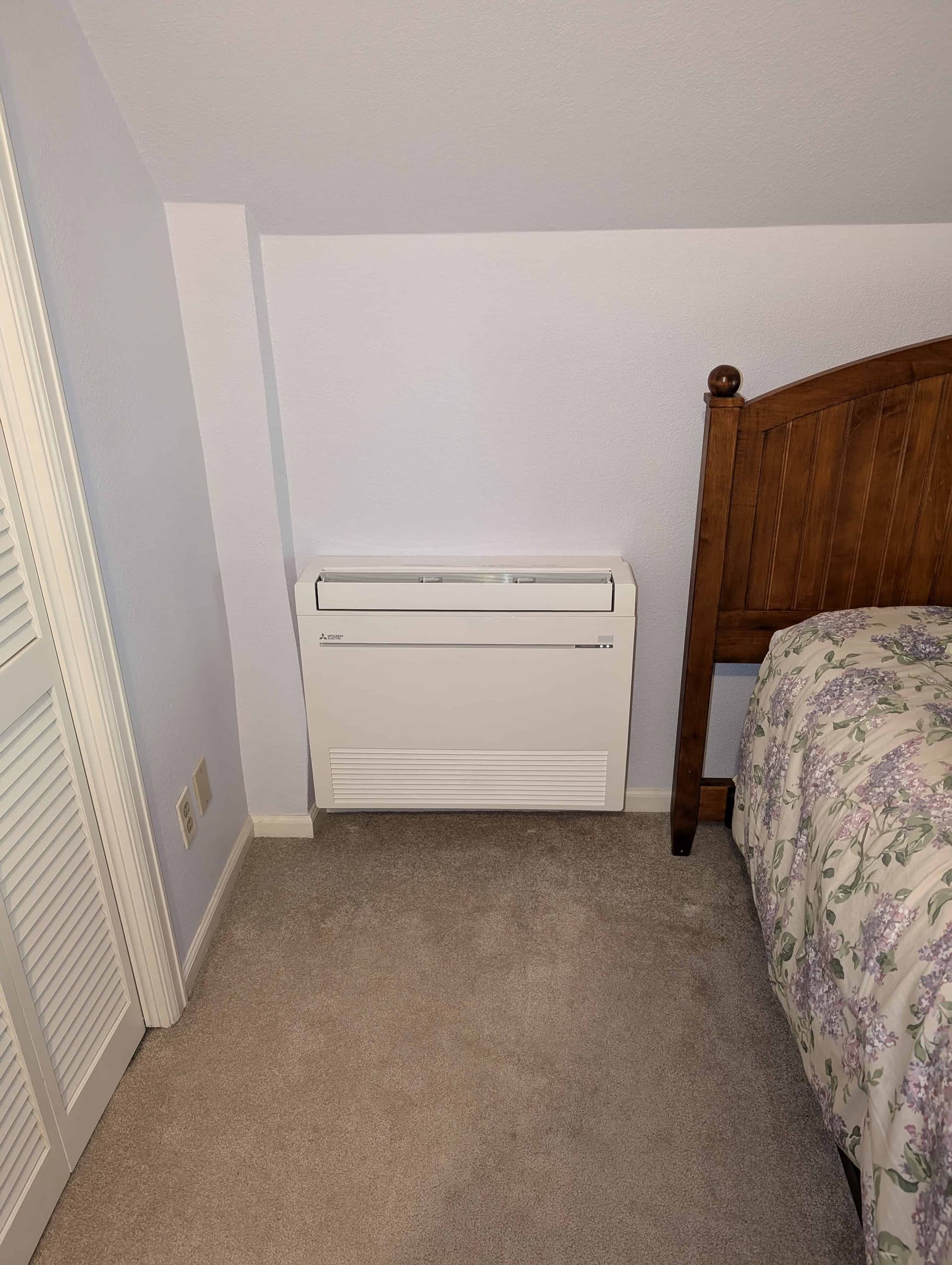
Ductless mini-splits (recommended)
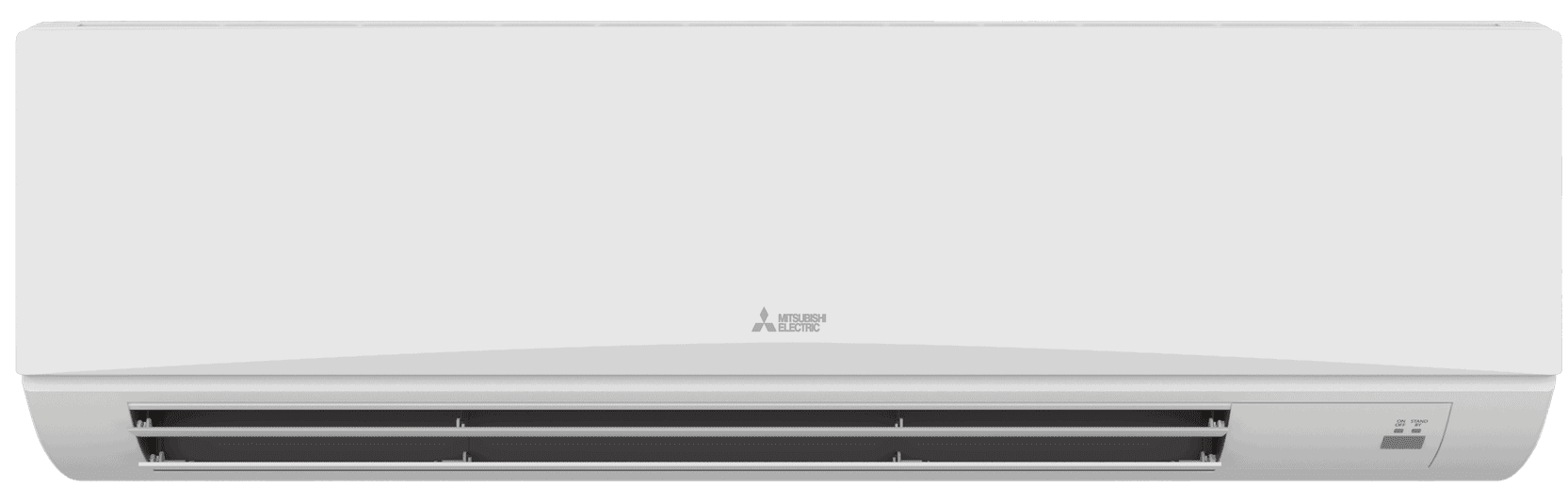
Ductless mini-splits are the most practical solution for existing homes where AC is not cooling upstairs properly. Here is why they work:
- Independent zoning. Each indoor unit has its own thermostat. Your upstairs bedroom can be set to 70°F regardless of what is happening downstairs.
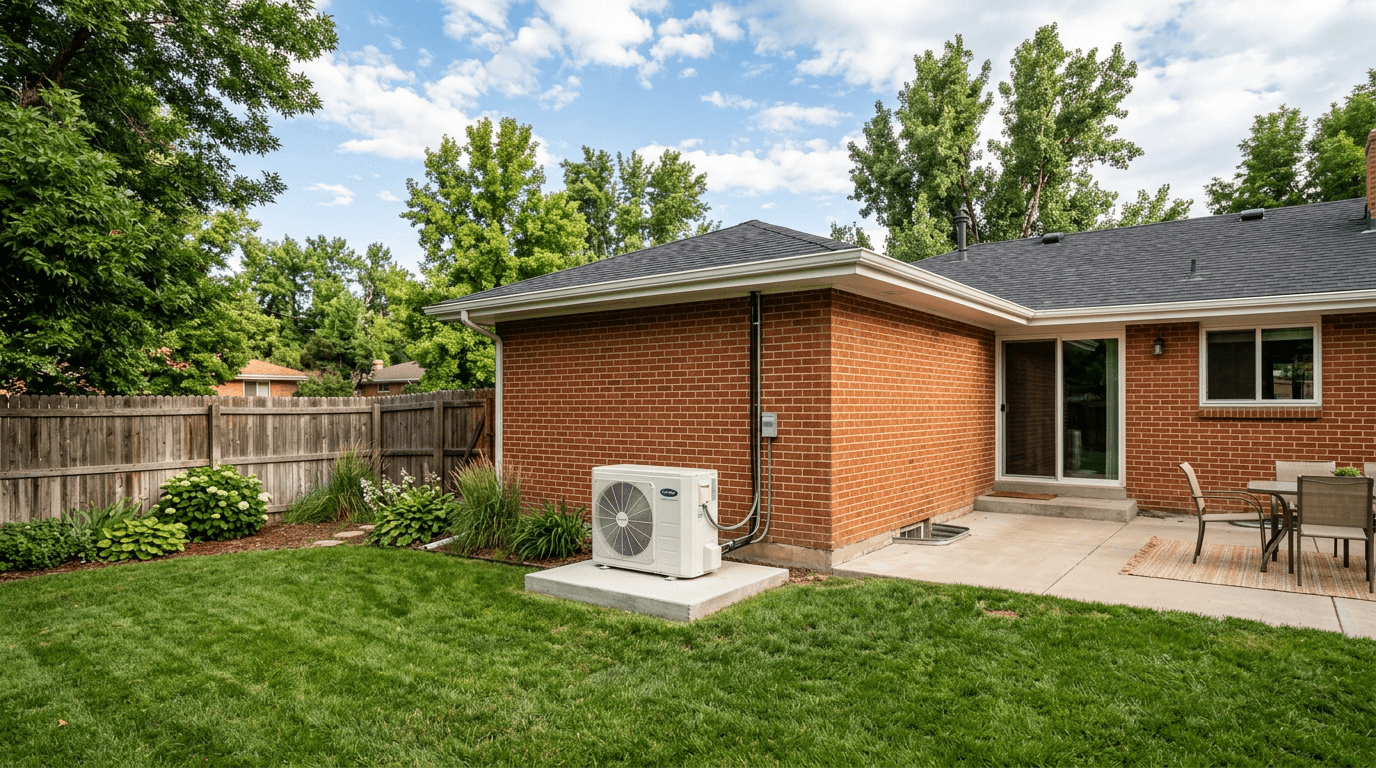
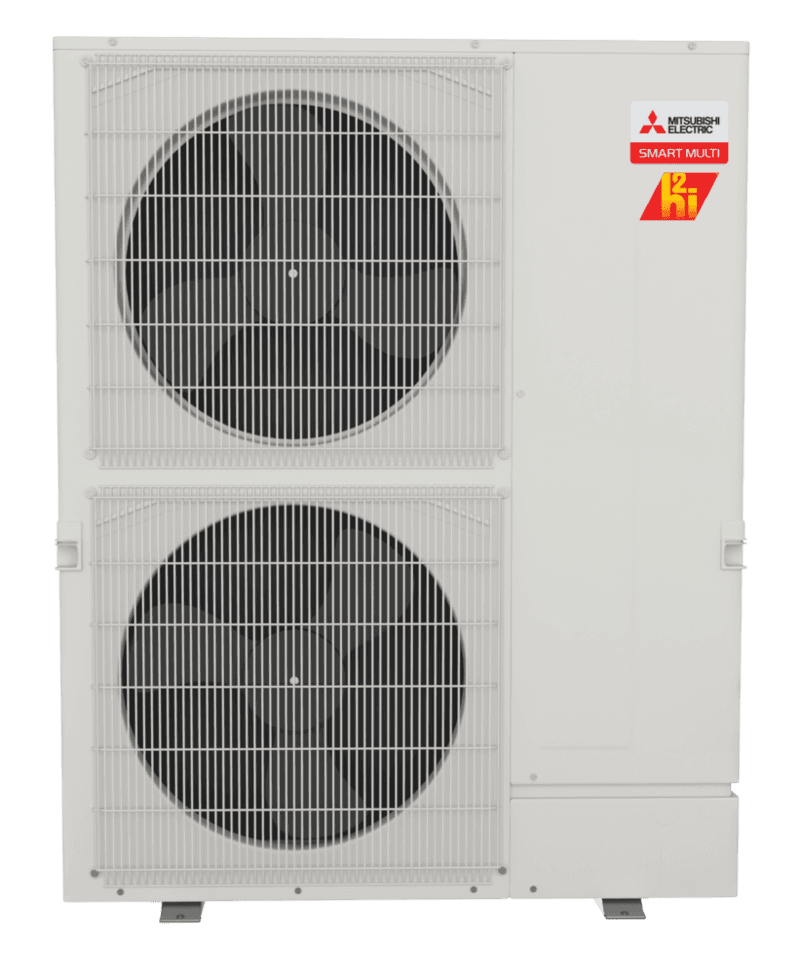
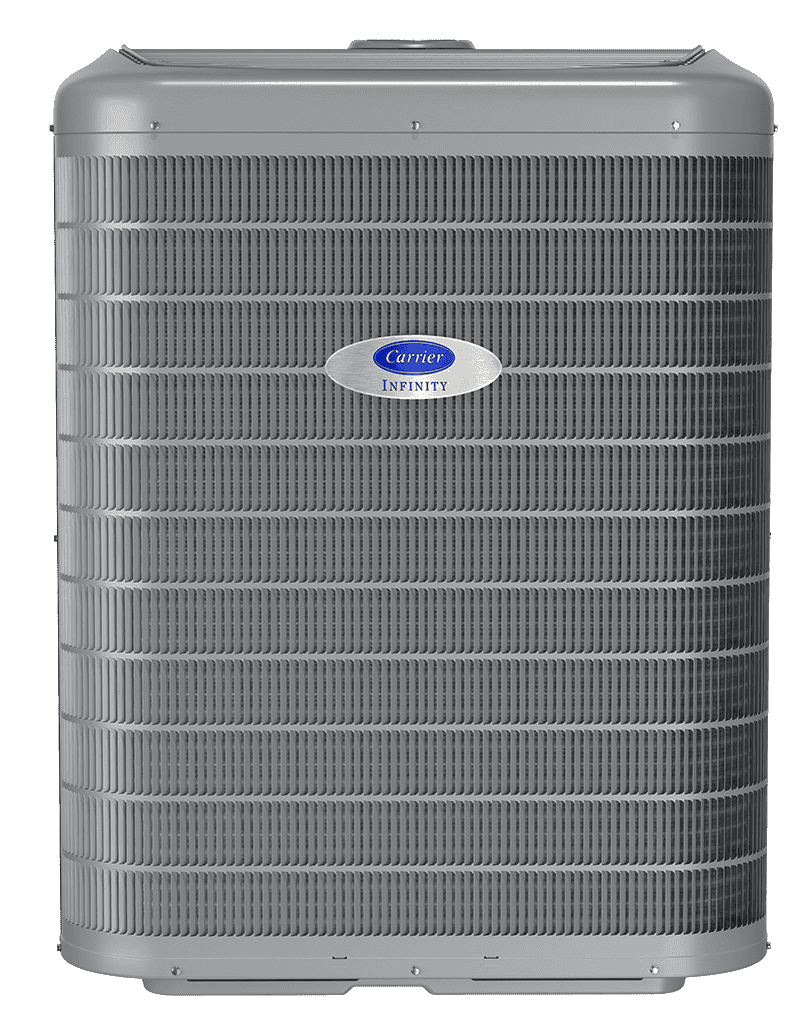
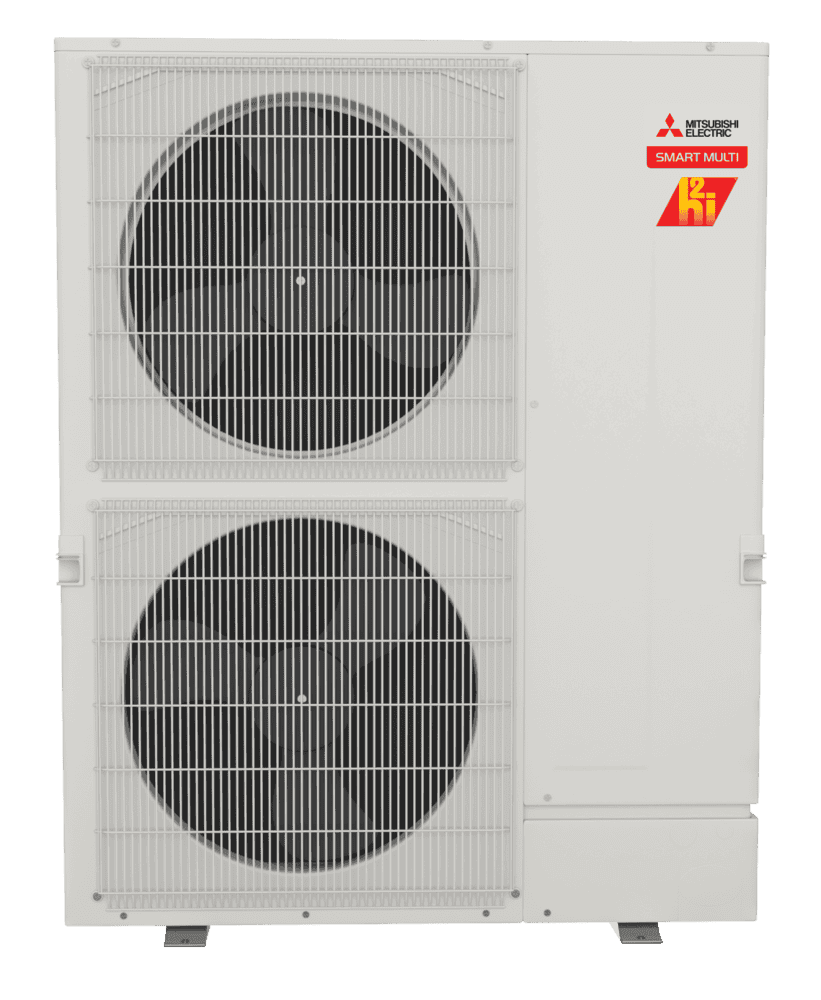
- No ductwork compromises. Mini-splits do not need ducts. A small refrigerant line connects the outdoor unit to the indoor heads - no major construction required.
- Variable-speed operation. Unlike traditional single-stage AC that cycles on and off, mini-splits run continuously at lower output, creating more even temperatures and better humidity control.
- Heat pump capability. Mini-splits provide both cooling and heating, so you solve your winter upstairs problem too.
The upfront mini-split installation cost is real - typically $4,200-$8,500 per zone depending on the system. But you are getting true zoned comfort, not another temporary fix for a system that was never designed to keep your upstairs comfortable.
Separate ducted system for upstairs
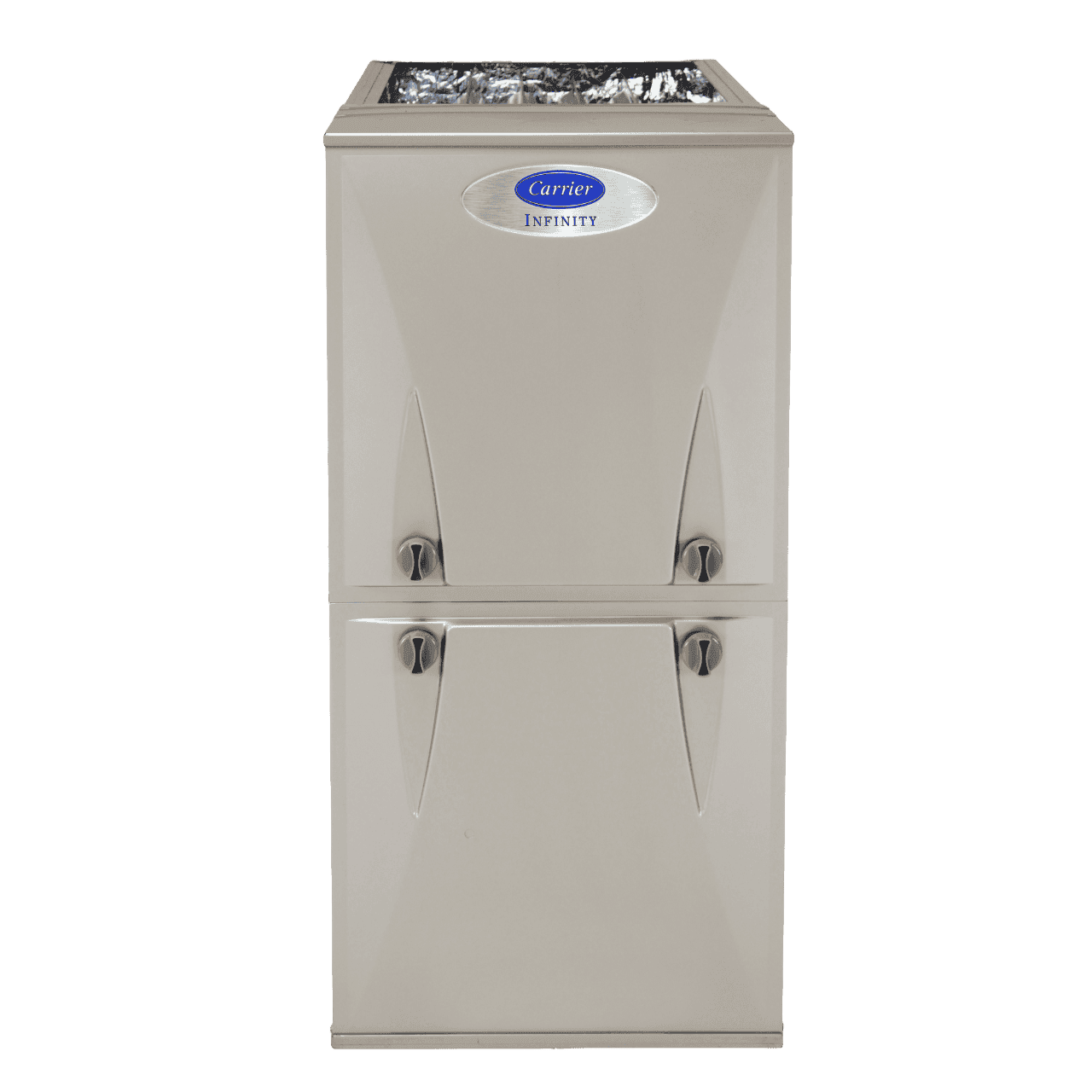
A second complete system - ducted heat pump or furnace/AC - dedicated to the second floor works well but costs significantly more. Modern two-story construction typically installs one system per 1,200-1,800 square feet. Retrofitting a separate ducted system into an existing home means finding space for equipment and running new ductwork.
Portable AC units
Portable AC works in the sense that it produces cold air. But portable units are noisy, take up floor space, require venting through a window (which leaks air), and are significantly less efficient than mini-splits. Consider this a last-resort option.
Why we recommend ductless

When we evaluate a two-story home with temperature problems, we are realistic about what is possible. Your existing ductwork was designed decades ago with the space and materials available at the time. "Fixing" it often is not practical.
Ductless mini-splits add capacity exactly where you need it with minimal disruption. One or two wall-mounted heads upstairs, connected to an outdoor unit, often solves a problem that homeowners have fought for years.
At UniColorado, we can evaluate your home and give you straight answers about what is realistic. Sometimes ductwork improvements help. More often, ductless is the practical path to actual comfort.
Schedule an assessment or learn more about ductless mini-split installation.