

Pricing Guide
Electrical Panel Upgrade Cost
The typical electrical panel upgrade cost was $4,800 to $7,004 for our customers in 2026, including a 200A meter bypass combo, breakers, cold water grounding and other code compliance measures with permitting. Electrical panel upgrade and electrical service upgrade costs vary widely between projects.
Updated February 21, 2026•By Editorial Staff
Electrical panel upgrades in Denver cost $4,800 and up for most HVAC-related projects. Many heat pump and mini-split installations require panel work-either a subpanel addition ($1,800-$3,000+) or a full 200A service upgrade ($4,800-$7,004). UniColorado handles all electrical work in-house.
Full Upgrade
$4,800-$7,004
Subpanel
$1,800-$3,000+
HVAC Circuits
$636-$1,854
Permit Time
2-4 Weeks
Prices are estimates. Get a free quote for exact pricing.
What is an Electrical Panel Upgrade?
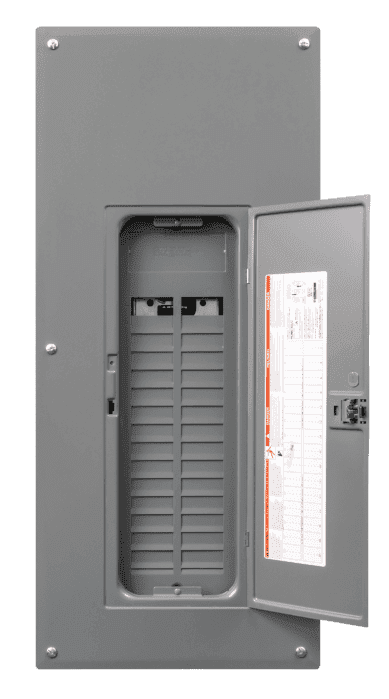
When people say "electrical panel upgrade," they often mean an electrical service upgrade, which requires more work than just replacing an electrical panel.
An electrical panel upgrade replaces an outdated or insufficient panel with a new one that meets current safety standards and handles modern electrical loads. Common reasons include:
Reasons to Upgrade Your Panel
- Insufficient capacity for modern electrical needs
- Outdated or unsafe panel (Federal Pacific, Zinsco, or Challenger panels)
- Adding new appliances or electrical equipment
- Installing heat pumps or heat pump water heaters
- Preparing for home renovations or additions
A service upgrade involves replacing the meter socket, main service cable, and grounding system in addition to the panel. Low prices of $1,590 to $3,090 advertised online for electrical panel upgrade cost often only cover the panel replacement and not the full scope of work required for a complete electrical service upgrade.
What's Included in an Electrical Service Upgrade?
A complete electrical service upgrade typically includes:
What's Included
- New 200 AMP panel and meter with bypass combo
- Replacement of the main service cable from meter to panel
- Grounding to cold water pipe or ground rod
- Whole house surge protector installation
- Outdoor service GFCI receptacle (if required by local code)
- Other code compliance work
- All permitting, inspection, and associated fees
Most often, if a homeowner is upgrading their panel with us, we will use the common maximum panel size which is 200A in Colorado.
Code Requirements for Panel Upgrades in 2026
As of 2026, code requirements for electrical panel upgrades include:
2026 Code Requirements
- Whole house surge protector to protect sensitive electronics from voltage spikes
- Proper grounding to cold water pipe or ground rod
- AFCI breakers in bedrooms and living areas to protect against electrical fires
- GFCI protection in kitchens, bathrooms, garages, and outdoor areas
- Other items specific to local codes: minimum wire sizes, conduit requirements, and working clearances
Determining Current Panel Size
To determine the size of your current electrical panel, locate the main breaker, which is usually the largest breaker in the panel. The amperage rating of the main breaker indicates the panel size. Common residential panel sizes include 60A, 100A, 125A, 150A, and 200A.
Panel sizes and applications
- Panel Size
- 60A
- Typical Applications
- Small homes, older properties
- Panel Size
- 100A
- Typical Applications
- Standard homes built before 2000
- Panel Size
- 125A
- Typical Applications
- Medium homes with modern appliances
- Panel Size
- 150A
- Typical Applications
- Larger homes, multiple HVAC zones
- Panel Size
- 200A
- Typical Applications
- Modern homes, heat pumps, EV chargers
Upgrading Electrical Panel from 100 to 200 Amps
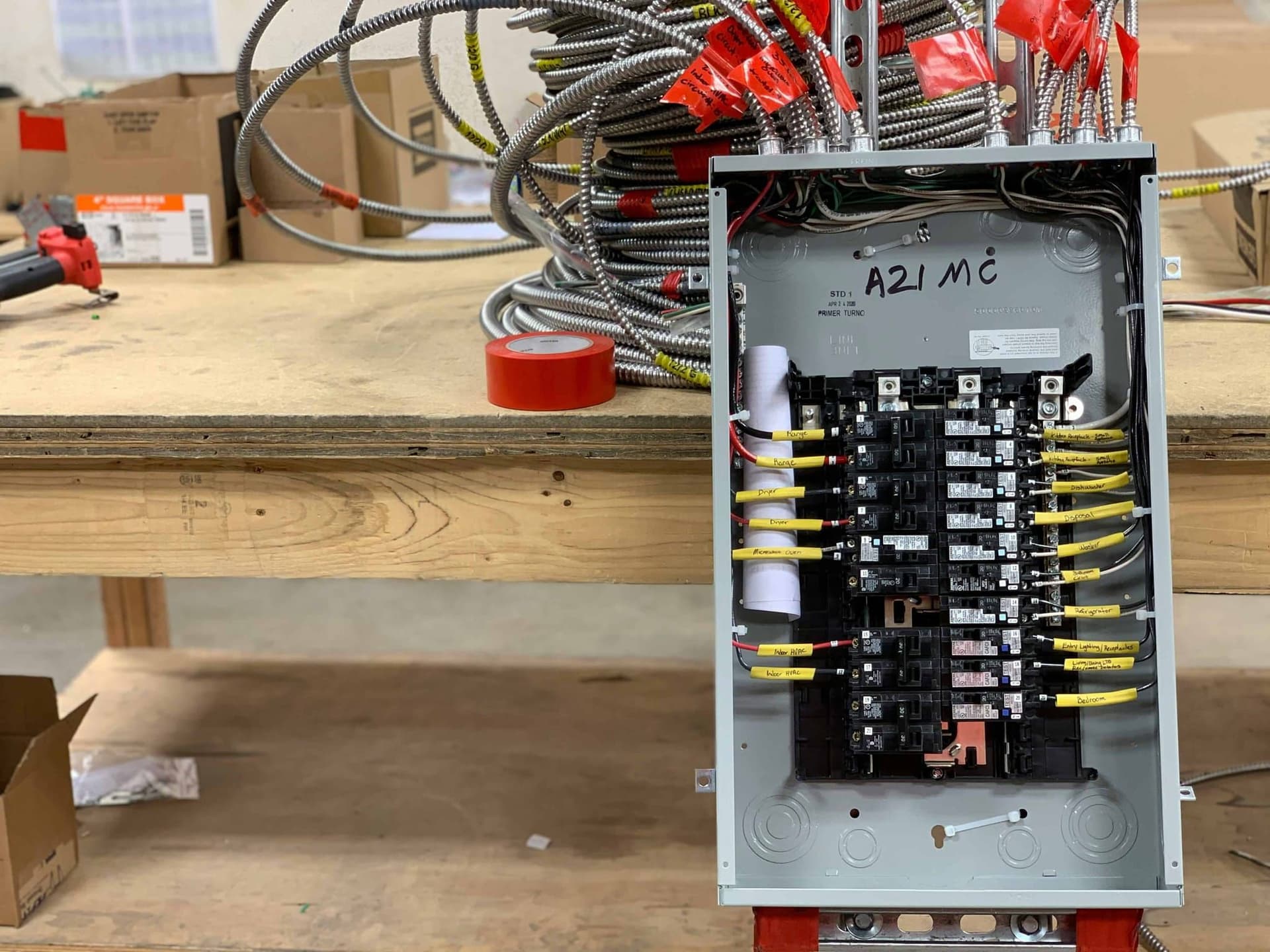
The cost of upgrading from a 100-amp to a 200-amp panel varies depending on the age and condition of your home's existing electrical system, panel location, and permitting and inspection fees. Homeowners can expect to pay between $4,240 and $6,695 for a complete 100 to 200-amp panel upgrade.
This cost typically includes:
What's Included in a 100-to-200A Upgrade
- New 200-amp meter socket and main breaker
- New 200-amp panel with circuit breakers
- New wiring and conduit as needed
- Grounding and bonding to meet current codes
- Removal and disposal of the old 100-amp panel and equipment
- Permitting and inspection fees
- Labor costs for a licensed electrician
Costs may be higher if your home requires additional work, such as upgrading the meter base, replacing the main service cable, or bringing other aspects of your electrical system up to current codes. In some cases, the utility company may need to upgrade their equipment, which can add to the overall cost and timeline.
Power Outage Duration During a Panel Upgrade
During an electrical panel upgrade, power is usually out for 5 to 8 hours on the day of installation. In some cases, the electrician may be able to work around critical circuits to minimize disruption, but plan for a full day without power. If you have critical electrical needs, such as medical equipment or work-from-home requirements, discuss these with your electrician in advance so they can plan accordingly.
Subpanel Installation as an Alternative
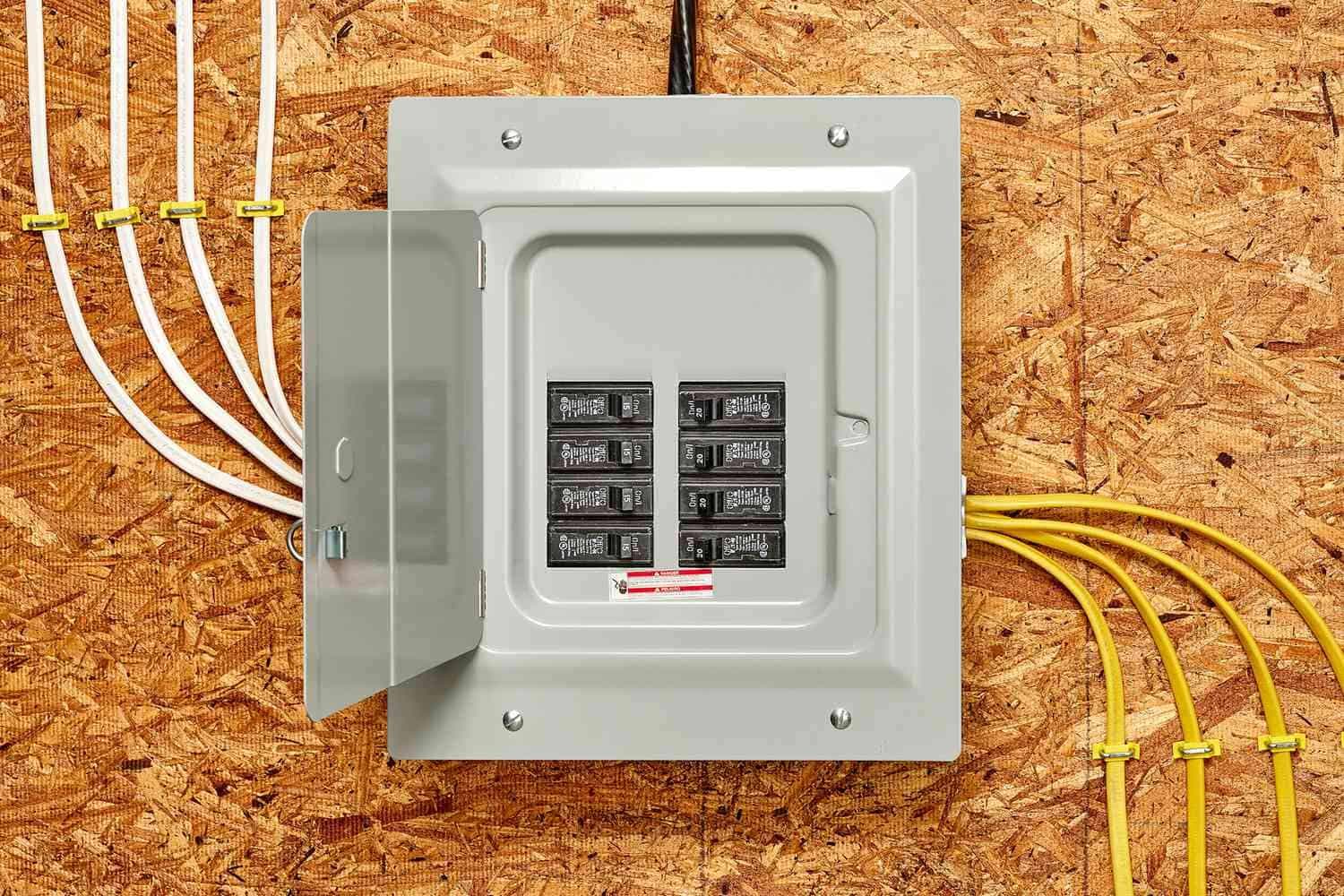
Installing a subpanel can be an alternative to a full electrical panel upgrade in certain situations. A subpanel is a smaller electrical panel fed by the main panel, used to expand the number of circuits in a specific area, such as a garage, workshop, or addition.
The cost of a subpanel installation ranges from $1,800 to $3,000+, including permitting and labor for a 50-100A subpanel. This can be a more cost-effective solution than a full panel upgrade when:
When a Subpanel Makes Sense
- The main panel has sufficient capacity and is in good condition
- The home only needs additional circuits in a specific area
- There is space for a subpanel in the desired location
A subpanel may not be the right solution if your main panel is outdated, in poor condition, or undersized for your home's electrical needs. In those cases, a full electrical panel upgrade is necessary to ensure safety and reliability.
200A to 400A Upgrades
Upgrading from a 200A to a 400A electrical service is a complex and expensive process, particularly for residential homes. The cost associated with such an upgrade can add $10,600 to $15,450 to the project at a minimum in Colorado. This type of upgrade is more common in commercial settings or new construction and is costly to do for existing single-family homes due to the complexity involved.
To complete a 200A to 320-400A upgrade, the following steps are required:
- Engineering and design work to ensure the new service meets all applicable codes and standards
- Separate applications and approvals from the utility company, which may require a load calculation and justification for the increased service size
- Significant changes to the utility company's transformers, lines, and distribution infrastructure to accommodate the higher amperage
The utility company will require the customer to justify the need for the increased capacity and may ask them to pay for some or all of the costs associated with the necessary infrastructure upgrades. In residential settings, 320 or 400A services are usually installed in ultra-large homes at the time of new construction, where the electrical demands are high enough to warrant the additional capacity. New ADUs, units, or rentals built on existing property often get a second line of service with a maximum capacity of 200A.
While it is possible to upgrade existing houses to 400A, it is rare and very costly for residential homeowners in Colorado. The process involves more than typical electrical work - in most cases, homeowners will need to work with an electrical engineer and the utility company to develop a plan and obtain the necessary approvals. Approvals and utility applications may take up to 18 months or more. Most 400A (or similarly sized) equipment has lead times exceeding 4 to 24 months.
If you're building an ADU, a mother-in-law suite, an addition, or a rental on your existing property, the process for obtaining a second line of electrical service is easier, but just as lengthy. We recommend starting this process as soon as the project's planning begins.
Conclusion
Electrical panel upgrades are a necessary part of home electrification, whether you're adding a heat pump, preparing for an EV charger, or bringing an aging panel up to code. Our licensed electricians handle all permitting, Xcel coordination, and inspection scheduling in-house.


Get a Free Panel Upgrade Estimate
Licensed electricians, all permitting handled, Xcel coordination included.
Investment Options
Three tiers for every budget. All include installation, permits, and warranty.
New Circuit Only
Add circuits to existing panel.
220V circuit for heat pump or AC
- Panel has free spaces
- No capacity increase
- Includes permit
Starting From
$636
Full range: $636-$1,854
Subpanel Addition
Add capacity without full upgrade.
50-100A subpanel with new circuits
- When main panel is full
- Cheaper than full upgrade
- 1-2 day install
- Includes permit
Starting From
$1,800
Full range: $1,800-$3,000+
Full 200A Upgrade
Complete electrical service upgrade.
200A meter base + main panel
- Full capacity for electrification
- Code-compliant grounding
- Future-proof your home
- Xcel coordination included
Starting From
$4,800
Full range: $4,800-$7,004
Prices based on typical home in Denver metro. Actual costs depend on home size, ductwork condition, and equipment selection.
Consider Also
Other systems that may fit your needs and budget.
Got a Electrical Panel Upgrade quote?
Tell us the equipment. We don’t need their price.
AnsweringYour Questions
Frequently Asked Questions
Common questions about electrical panel upgrades in Denver.
Was this page helpful?